Essential Skin Care for Black Men: Tips for Healthy Skin
Contents
hide
Introduction
Skin care for black men is often overlooked, yet it is essential for maintaining healthy and radiant skin. Many men of African descent face unique challenges when it comes to skincare, including specific skin types, concerns, and common conditions. Understanding these factors helps in achieving effective skincare routines. This article will explore essential tips and strategies tailored specifically for black men, ensuring that everyone can enjoy healthy, vibrant skin.
Black skin is known for its resilience, but it also requires specific care to manage issues like hyperpigmentation, uneven skin tone, and dryness. By embracing a proper skincare routine and understanding the needs of your skin, you can significantly improve its appearance and health. Here, we will delve into effective strategies and product recommendations to help black men achieve and maintain their best selves.
Understanding Black Skin Types
Black skin can vary greatly in texture and type. Recognizing your specific skin type is crucial when establishing a proper skin care for black men. Let’s explore the different skin types common among black men:
- Normal Skin: This skin type is well-balanced, with minimal oiliness or dryness. Individuals with normal skin typically have a smooth texture and few visible pores. They can usually use a variety of products without experiencing reactions.
- Oily Skin: Oily skin is characterized by excess sebum production, leading to shine and enlarged pores. Black men with oily skin may be more prone to breakouts and acne. It is essential for these individuals to use lightweight, oil-free products.
- Dry Skin: This skin type can feel rough, tight, or flaky. Black men with dry skin may also experience irritation or sensitivity. Hydration becomes crucial in this case, making it important to employ moisturizers and nourishing products.
- Combination Skin: This involves a mix of oily and dry areas. Often, the T-zone (forehead, nose, and chin) may be oily, while the cheeks are dry. Understanding which products to use for each area is essential for maintaining balanced skin.
- Sensitive Skin: Sensitive skin is prone to redness, irritation, and allergic reactions. Black men who experience ingrown hairs or razor bumps should pay extra attention to sensitive skin products and techniques.
Essential Tips for Healthy Skin Care
Creating a skincare routine that addresses the unique needs of black men’s skin starts with understanding effective strategies. Here are some essential tips to consider:
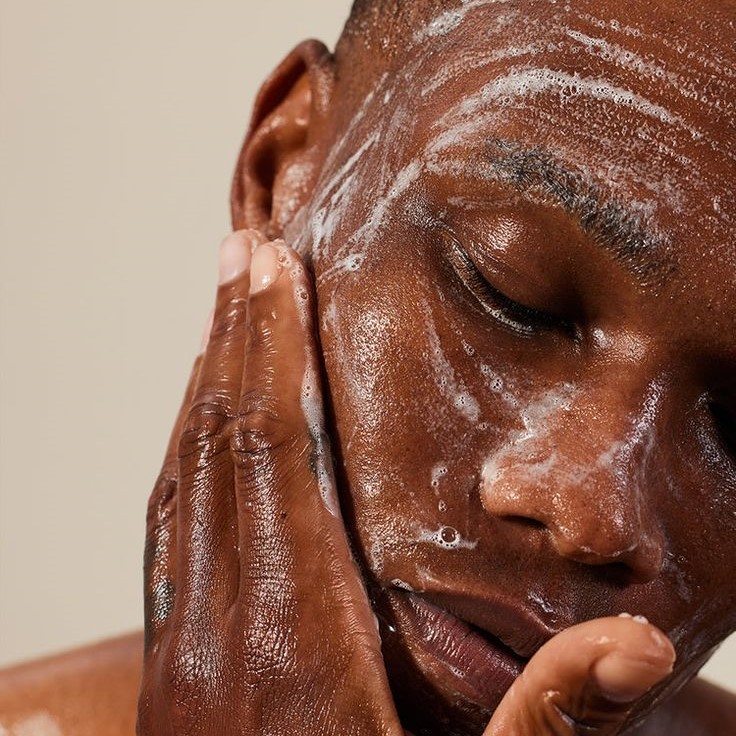
- Cleansing: Start with a gentle cleanser that removes dirt, oil, and impurities without stripping the skin. Look for sulfate-free products to avoid dryness. Cleanser should be used twice a day—once in the morning and once at night.
- Exfoliation: Exfoliating the skin helps remove dead skin cells, promote cell turnover, and prevent ingrown hairs. Use chemical exfoliants containing salicylic acid or glycolic acid two to three times weekly, as physical scrubs can be too harsh on black skin.
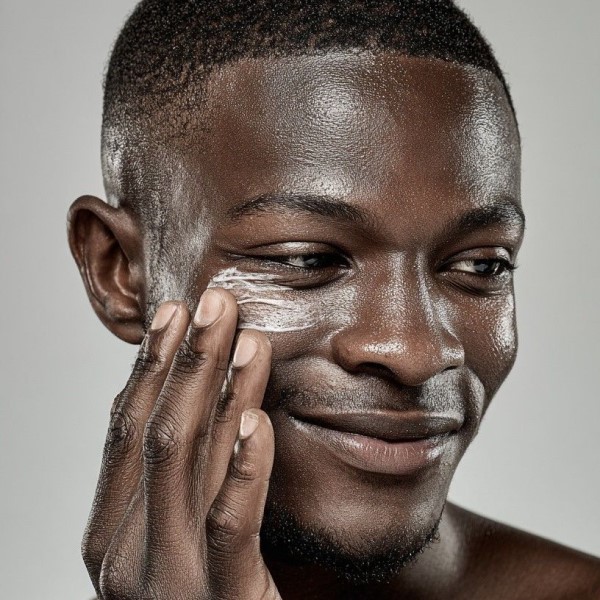
- Moisturizing: Hydration is crucial. Black men should opt for rich moisturizers that contain ingredients like shea butter, cocoa butter, or jojoba oil, all of which can significantly reduce dryness. Apply moisturizer right after cleansing to lock in moisture.
- Sun Protection: Contrary to common belief, black skin is still susceptible to sun damage. Wearing sunscreen daily can protect skin from UV rays, preventing hyperpigmentation and premature aging. Look for broad-spectrum SPF 30 or higher.
- Targeting Specific Issues: Incorporate products that address specific concerns, such as hyperpigmentation or razor bumps. Ingredients like niacinamide and vitamin C are effective for brightening skin tone, while salicylic acid can help manage acne.
Recommended Skin Care Products
To achieve optimal results, using the right products is essential. Here are some highly recommended skin care for black men:
- Cleansers: Neutrogena Hydro Boost Water Gel Cleanser is a great option for gentle cleansing while providing moisture. It is suitable for various skin types.
- Exfoliants: The Paula’s Choice Skin Perfecting 2% BHA Liquid Exfoliant contains salicylic acid. It helps clear pores and prevent breakouts without causing irritation.
- Moisturizers: CeraVe Daily Moisturizing Lotion combines essential ceramides and hyaluronic acid for deep hydration. This product is lightweight yet effective for all skin types.
- Sunscreens: La Roche-Posay Anthelios Melt-in Milk Sunscreen provides broad-spectrum protection and absorbs quickly. It’s non-comedogenic and suitable for everyday use.
- Targeted Treatments: The Ordinary Niacinamide 10% + Zinc 1% is an effective serum for managing uneven skin tone and oiliness. It fits well into any skincare routine.
Common Skin Concerns for Black Men
Understanding common skin concerns that black men face helps tailor an effective skincare routine. Here are several notable issues and tips for addressing them:
Hyperpigmentation
- Definition and Causes: Hyperpigmentation is a common skin concern characterized by dark patches or spots on the skin. This condition can arise from various factors, including excessive sun exposure, inflammatory acne, or injuries resulting in scarring.
- Impact on Appearance: The presence of dark spots can lead to an uneven skin tone, which may affect self-esteem and confidence. It is often a frustrating issue for those looking to achieve a smooth and uniform complexion.
- Recommended Treatments: To combat hyperpigmentation, consider incorporating vitamin C serums into your daily skincare regimen. Vitamin C is well-known for its brightening properties, helping to fade dark spots over time. Additionally, products containing niacinamide can effectively reduce the appearance of pigmentation and improve skin texture.
- Protective Measures: Alongside treatments, prioritize sun protection by applying broad-spectrum sunscreen daily. UV rays can worsen hyperpigmentation, so using sunscreen is crucial regardless of the weather.
Razor Bumps
- Understanding Razor Bumps: Razor bumps, medically referred to as pseudofolliculitis barbae, occur when hairs grow back into the skin after shaving. This can lead to inflammation, irritation, and the formation of red bumps.
- Common Triggers: Razor bumps are particularly prevalent in individuals with curly hair types, as the hair texture is more likely to curl into the skin. Improper shaving techniques can exacerbate this issue, making it important to take precautions while shaving.
- Prevention Strategies: To minimize the chances of developing razor bumps, utilize sharp, clean blades during shaving. Dull blades can tug at the hair, increasing the likelihood of ingrown hairs.
- Shaving Products: Always apply a proper shaving cream or gel before shaving to create a protective barrier and provide lubrication. This can significantly reduce irritation during the shaving process.
- Alternative Hair Removal Methods: If razor bumps persist, consider exploring alternative hair removal options, such as electric clippers, waxing, or professional treatments like laser hair removal. These methods can help to reduce irritation and promote smoother skin.
Dry Skin
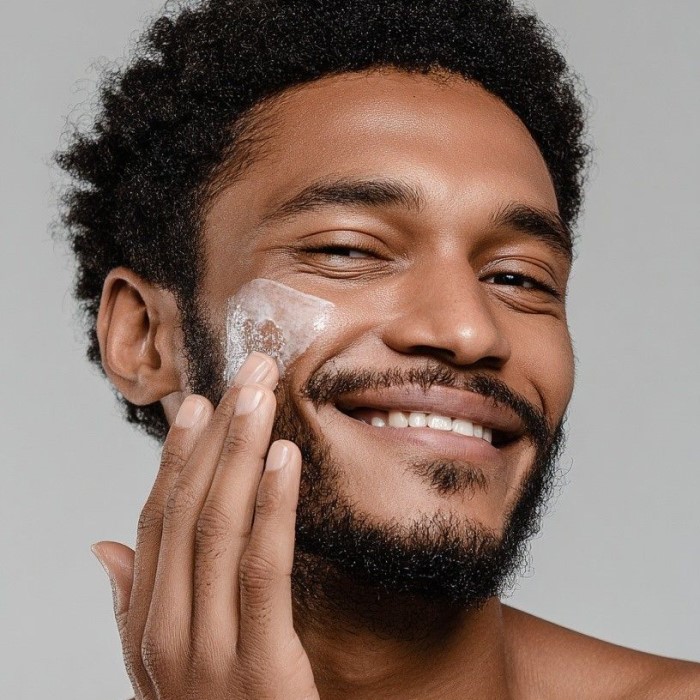
- Characteristics of Dry Skin: Dry skin is often defined by a lack of moisture, resulting in irritation, flakiness, and rough texture. This condition can worsen during colder months, where dry air and low humidity contribute to dehydration.
- Consequences of Neglect: If not properly managed, dry skin can lead to discomfort and even more severe skin issues, such as eczema or dermatitis. Therefore, addressing dryness through a consistent skincare routine is vital.
- Moisturizing Routine: To combat dry skin, establish a daily moisturizing routine using rich creams or lotions. Look for products that contain hydrating ingredients like hyaluronic acid, glycerin, and ceramides, which help lock in moisture and replenish the skin barrier.
- Application Timing: Applying moisturizer immediately after bathing can be particularly effective. This strategy helps to seal in hydration while the skin is still damp, maximizing the benefits.
- Avoiding Irritants: Be cautious about using harsh soaps or cleansers that can strip away natural oils from the skin. Opt for gentle, fragrance-free products that are designed specifically for dry skin.
Acne and Breakouts
- Understanding Acne: Acne and breakouts can affect individuals of all skin types and tones. While black men may experience fewer breakouts due to skin makeup, they are not immune to acne.
- Causes of Breakouts: Common causes of acne include hormonal fluctuations, clogged pores, and inflammation. External factors such as stress, diet, and inadequate skincare can further aggravate breakouts.
- Product Selection: When selecting skincare products, choose non-comedogenic options, which are specially formulated not to clog pores. This reduces the risk of developing acne while maintaining skin health.
- Treatment Options: Incorporating ingredients like salicylic acid or benzoyl peroxide can effectively treat existing breakouts. Salicylic acid helps exfoliate the skin and clear pores, while benzoyl peroxide targets acne-causing bacteria.
- Consistency is Key: Establish a consistent skincare routine that combines cleansing, treatment, and moisturizing to manage acne effectively. Regularly using acne-targeting treatments helps control flare-ups and promotes clearer skin.
Uneven Skin Tone
- What Causes Uneven Skin Tone?: An uneven skin tone often results from various factors, including sun damage, post-inflammatory hyperpigmentation from acne, or scarring. These issues can lead to a patchy or inconsistent complexion.
- Impacts on Confidence: The appearance of uneven skin tone can negatively affect self-esteem and body image, encouraging individuals to seek solutions to restore a balanced complexion.
- Exfoliation Importance: Regular exfoliation is vital for smoothing out the skin’s surface and promoting cell turnover. By removing dead skin cells, exfoliation can reveal fresher, brighter skin beneath.
- Targeted Treatments: Incorporate targeted serums that contain brightening ingredients such as vitamin C, licorice extract, or alpha arbutin. These ingredients work to even out skin tone while addressing specific pigmentation concerns.
- Consistency for Improvement: Improvement in skin tone takes time. Consistently using exfoliating products and treatments dedicated to evenness will yield the best results over the long term, as patience is key in achieving a more uniform complexion.
Frequently Asked Questions
How to take care of your skin as a black man?
A proper skincare routine should include cleansing, exfoliation, moisturizing, and sun protection. Additionally, address specific concerns using targeted treatments suited for your skin type.
What skincare is best for black skin?
The best skincare for black skin includes gentle, hydrating products that address common issues like dryness and hyperpigmentation. Look for ingredients like shea butter, niacinamide, and salicylic acid.
What is good for African American skin?
Hydrating and moisturizing ingredients are key for African American skin. Products containing natural oils, butters, and gentle exfoliants can enhance skin texture and appearance.
Which product is best for black skin?
There are many effective products on the market. Some top recommendations include CeraVe moisturizer, Neutrogena cleanser, and La Roche-Posay sunscreen, tailored to diverse skin concerns.
Conclusion
In conclusion, skin care for black men requires a tailored approach that acknowledges the unique characteristics and challenges of their skin. By understanding your skin type, embracing essential tips, and utilizing effective products, you can achieve healthy, glowing skin. As men become more invested in their skincare routines, they will find that maintaining healthy skin offers benefits beyond appearance; it enhances overall confidence and well-being. Remember to start with a solid foundation of cleansing, moisturizing, and protection, and you’ll be on the path to radiant skin.