Skin Care Tools for Every Skin Type: Find Your Perfect Match
Introduction
In the ever-evolving world of skincare, the right skin care tools can make all the difference in achieving a healthy and radiant complexion. Whether you’re looking to cleanse, exfoliate, hydrate, or treat specific skin concerns, having the perfect tools at your disposal is essential. With so many options available, it’s important to understand which tools are best suited for your individual skin type and needs. In this article, we will explore various skin care tools, their benefits, and how to select the right ones to enhance your skincare routine.
Understanding Different Skin Types
Identifying Your Skin Type
Before investing in skin care tools, it’s crucial to understand your skin type. The most common skin types include:
Normal Skin
- Balanced Moisture Levels
- Normal skin is characterized by a healthy balance of moisture and oil production, resulting in a smooth, supple texture.
- Individuals with normal skin typically do not experience extreme dryness or excessive oiliness, making it the ideal skin type.
- Smooth Texture
- The surface of normal skin is generally smooth and even, with minimal blemishes or imperfections.
- This quality allows for easier application of skincare products and makeup, enhancing overall appearance.
- Wide Range of Tool Compatibility
- People with normal skin have the advantage of being able to use a variety of skincare tools and products without experiencing adverse reactions.
- This flexibility allows for greater experimentation, making it easier to find the right tools for enhancing skin health.
- Minimal Sensitivity
- Normal skin is less prone to irritation and sensitivity, which means users can typically incorporate stronger active ingredients without negative effects.
- This resilience allows for the use of diverse formulations, including exfoliants and serums.
- Balanced Care Routine
- Maintenance of normal skin involves a balanced regimen that includes hydration and protection from environmental stressors.
- Using both moisturizing and protective products helps sustain the healthy condition of normal skin over time.
Oily Skin
- Excess Sebum Production
- Oily skin is marked by the overproduction of sebum, which can lead to a shiny appearance and enlarged pores.
- This oiliness occurs due to hormonal fluctuations, genetics, or environmental factors.
- Shine and Enlarged Pores
- Individuals with oily skin often notice a shine, particularly in the T-zone (forehead, nose, and chin), as well as prominent pores.
- These characteristics can sometimes lead to difficulties in achieving a matte finish with makeup.
- Beneficial Tools for Oil Control
- People with oily skin benefit from using tools specifically designed to help control oil and reduce shine.
- Products such as oil-absorbing sheets, mattifying primers, and clay masks can be particularly effective.
- Breakout Prevention
- This skin type is more susceptible to breakouts, which makes it essential for individuals to use tools that prevent clogged pores.
- Products containing salicylic acid, benzoyl peroxide, or exfoliating tools can help prevent acne.
- Hydration Needs
- Although oily skin produces excess oil, proper hydration remains important.
- Lightweight, oil-free moisturizers can help maintain moisture levels without adding to the oiliness.
Dry Skin
- Lack of Moisture
- Dry skin is characterized by insufficient moisture content, often resulting in a tight, rough feeling.
- This skin type can be particularly challenging, especially during cold weather or low humidity conditions.
- Tight or Flaky Feeling
- Individuals with dry skin may experience sensations of tightness, as well as visible flaking or scaling.
- These symptoms can detract from overall skin appearance and comfort, necessitating effective treatments.
- Hydration-Focused Tools
- Tools and products that focus on hydration are ideal for individuals with dry skin.
- This includes rich creams, heavy moisturizers, and hydrating serums that provide deep nourishment.
- Improving Moisture Retention
- To effectively address dry skin, it is essential to use products that enhance moisture retention and prevent transepidermal water loss.
- Ingredients like hyaluronic acid, glycerin, and ceramides are beneficial for locking in hydration.
- Gentle Cleansing
- Those with dry skin should opt for gentle cleansers that do not strip the skin of its natural oils.
- Cream or oil-based cleansers can maintain hydration while still effectively removing dirt and impurities.
Combination Skin
- Mix of Oily and Dry Areas
- Combination skin features a mix of oily and dry areas, often manifesting as an oily T-zone and dry cheeks or forehead.
- This unique skin type requires a tailored approach to skincare.
- Dual Concerns
- Individuals with combination skin face the challenge of addressing both oiliness and dryness effectively.
- This duality may require incorporating products that can tackle each issue without exacerbating the other.
- Selecting Appropriate Tools
- Tools designed for combination skin should balance oil control in the T-zone while moisturizing drier areas.
- Lightweight gels or creams that provide moisture without excess oil are often ideal for this skin type.
- Customization of Routine
- Customizing the skincare routine is vital for those with combination skin.
- This may involve using different products targeted to each area, such as hydration boosters for dry zones and mattifying treatments for oily areas.
- Monitoring Skin Changes
- Combination skin can change with the seasons, hormones, or environmental factors, so regular monitoring is essential.
- Adjusting the skincare routine based on current skin conditions will help maintain balance.
Sensitive Skin
- Prone to Irritation and Redness
- Sensitive skin is characterized by a heightened sensitivity, making it more prone to irritation, redness, and discomfort.
- Environmental factors, harsh products, and even stress can trigger reactions in this skin type.
- Need for Gentle Tools
- Individuals with sensitive skin require skincare tools and products that are gentle and specifically formulated to avoid adverse reactions.
- Non-irritating, hypoallergenic ingredients are crucial to safeguard sensitive skin.
- Avoiding Fragrances and Dyes
- Products containing fragrances, dyes, or harsh chemicals should generally be avoided, as they can trigger flare-ups.
- Instead, opting for fragrance-free and paraben-free options is advisable for those with sensitive skin.
- Soothe and Calm
- Gentle tools such as soothing balms, calming masks, and nourishing lotions can help alleviate irritation while providing comfort.
- Ingredients like aloe vera, chamomile, and calendula are particularly beneficial for soothing sensitive skin.
- Patch Testing Products
- It is essential for individuals with sensitive skin to perform patch tests before using new products.
- This precaution helps determine whether a product is safe and minimizes the risk of adverse reactions.
Importance of Tailoring Tools to Skin Type
Different skin types respond uniquely to various treatments. For instance, exfoliating tools may be beneficial for oily skin but can irritate dry or sensitive skin. Understanding your skin type will allow you to choose tools that enhance your routine without causing damage or discomfort.
Essential Skin Care Tools
Cleansing Tools
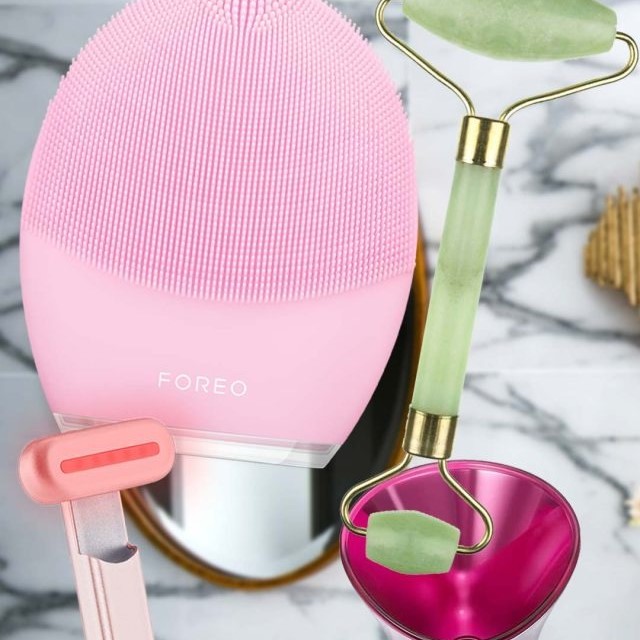
- Facial Cleansing Brushes:
These tools provide a deeper clean compared to hands alone. They help remove dirt, oil, and makeup, promoting clearer skin. For oily or combination skin, using a cleansing brush can significantly enhance your cleansing routine. - Cleansing Sponges:
Natural sea sponges or konjac sponges offer gentle exfoliation while cleansing. Ideal for dry or sensitive skin, they create a soft lather and help maintain skin hydration. - Microfiber Cloths:
Using a microfiber cloth can help remove impurities without irritating the skin. They are particularly effective for all skin types when combined with a suitable cleanser.
Exfoliation Tools
- Exfoliating Scrubs:
Scrubs containing natural beads help slough off dead skin cells. However, make sure to choose a mild scrub for sensitive or dry skin to avoid irritation. - Exfoliating Brushes:
These brushes help promote cell turnover and improve skin texture. Regular use can benefit oily and combination skin but should be done with care on sensitive skin. - Chemical Exfoliants:
Tools that use AHAs or BHAs can provide effective exfoliation without abrasiveness. These are suitable for most skin types, especially oily or congested skin.
Hydration Tools
- Facial Mists:
Hydrating mists can refresh your skin and provide moisture throughout the day. They are particularly beneficial for dry or sensitive skin types. - Hydration Masks:
Masks designed to replenish moisture can transform dry skin. Look for masks containing hyaluronic acid or glycerin for intense hydration. - Serum Applicators:
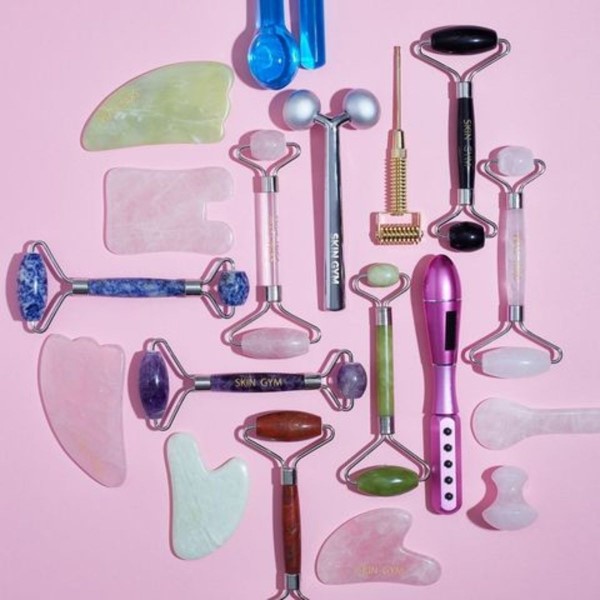
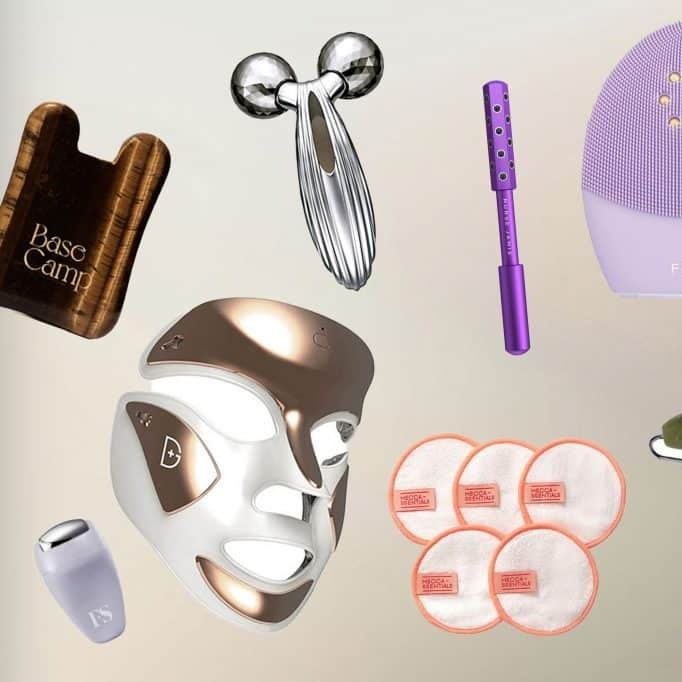
Tools like jade rollers or gua sha stones enhance serum absorption while providing a soothing massage. They are excellent for all skin types, especially sensitive skin.
Anti-Aging Tools
- Microcurrent Devices:
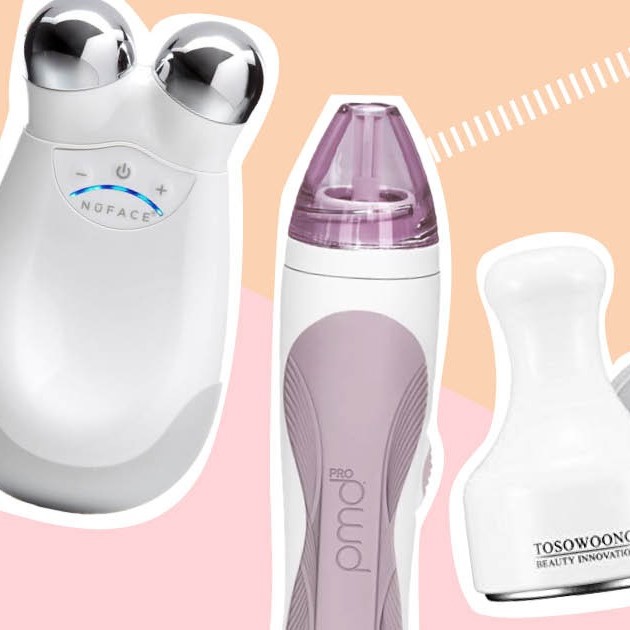
These tools use low-level currents to stimulate facial muscles. Regular use can improve firmness and reduce the appearance of fine lines, making them popular for aging skin. - LED Light Therapy Masks:
LED tools can target specific concerns with different light wavelengths. Red light, for example, helps reduce wrinkles and boost collagen production. - Dermarollers:
Using a dermaroller stimulates collagen production and enhances product absorption. However, it should be used carefully and is not recommended for sensitive skin without consulting a dermatologist.
Tips for Choosing the Right Skin Care Tools
Consider Your Skin Concerns
When selecting skin care tools, take your specific skin issues into account. If you are concerned about acne, for example, focus on cleansing and exfoliating tools. Conversely, if dryness is your main issue, prioritize hydration-focused tools.
Quality Over Quantity
Investing in high-quality tools may yield better results than purchasing many inexpensive options. Quality tools are usually more effective and often last longer.
Consult Professionals
If you are unsure which tools are best for your skin type, consider consulting a dermatologist or skincare professional. They can provide personalized recommendations based on your unique skin needs.
FAQs About Skin Care Tools
What are the 7 categories of skin care products?
Skin care products can be categorized into cleansers, exfoliators, toners, serums, moisturizers, sunscreens, and treatments. Each category serves a specific purpose in a comprehensive skincare routine.
What are the top 10 skincare products?
The top skincare products often include gentle cleansers, hydrating serums, lightweight moisturizers, exfoliators, and sunscreens. Popular brands may vary, so researching based on your skin type is advisable.
What are the things used for skin care?
Common skin care items include cleansers, toners, serums, moisturizers, masks, sunscreens, oils, and exfoliators. Each serves a unique function in skincare routines.
What are the 7 steps of skincare?
The seven steps typically include cleansing, exfoliating, toning, treating, moisturizing, applying sunscreen, and using specialized nighttime treatments.
Conclusion: Finding Your Perfect Match in Skin Care Tools
In conclusion, selecting the right skin care tools is essential for building an effective skincare routine tailored to your unique skin type. By understanding your skin’s needs and the benefits of various tools, you can enhance your skincare regimen and achieve healthier, radiant skin.
Whether you focus on cleansing, exfoliating, hydrating, or anti-aging, the right tools will empower you to tackle skin concerns and maintain a beautiful complexion. Embrace the journey to discovering your perfect match in skin care tools and unlock your skin’s true potential in 2026 and beyond!