How to Get Rid of Ingrown Hair: Skincare Steps Explained
Understanding Ingrown Hairs: What Are They?
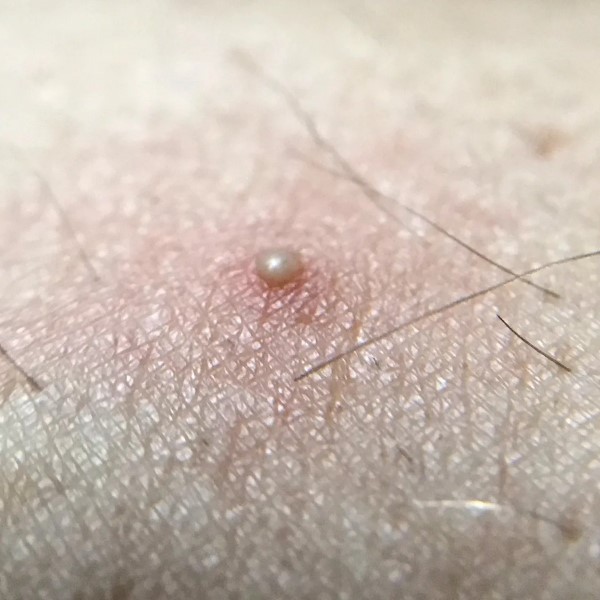
Ingrown hairs are a common skin issue that can affect people of all genders and skin types. This uncomfortable condition occurs when a hair grows back into the skin instead of emerging from the follicle. Instead of growing straight out, the hair curls and becomes trapped beneath the skin’s surface. This can lead to inflammation, redness, and irritation, often appearing as small, painful bumps. Ingrown hairs can occur anywhere on the body but are most common in areas frequently shaved or waxed, such as the face, underarms, legs, and bikini line. Understanding how to get rid of ingrown hair is crucial for maintaining healthy skin and comfort.
The process of hair growth is usually quite straightforward: hair grows from a follicle and breaks through the skin. However, several factors can interfere with this process, leading to ingrown hairs. The prevention and treatment of ingrown hairs are critical components of an effective skincare routine.
Causes of Ingrown Hairs: Why Do They Happen?
Understanding the causes of ingrown hairs can help you take proactive steps to prevent them. Here are some primary factors that lead to this irritating condition:
Hair Texture
- Curly and Coarse Hair Types: Individuals with curly or coarse hair are generally at a higher risk of developing ingrown hairs. The unique structure of curly hair can contribute to this condition.
- Natural Curl Factor: The natural curl of the hair can cause it to bend back toward the skin instead of growing straight out. This bending can result in the hair becoming trapped under the skin surface, leading to ingrown hairs.
- Increased Vulnerability: Those with tightly curled hair are particularly vulnerable, as the hair’s tendency to spiral can create more opportunities for ingrowth.
Poor Shaving Techniques
- Improper Shaving Practices: Incorrect shaving methods can significantly increase the risk of ingrown hairs. Techniques such as shaving too closely to the skin can trap hair follicles, making it difficult for hair to grow outward.
- Shaving Against Hair Growth: Shaving against the direction of hair growth is another common mistake that can lead to ingrown hairs. Doing so can cause hair to retract into the follicle rather than exit through the skin.
- Dull Razors and Incorrect Products: Using dull razors can cause irritation and discomfort, making the skin more susceptible to infections and ingrown hairs. Similarly, improper shaving creams or gels may lack adequate lubrication, increasing the likelihood of irritation during shaving.
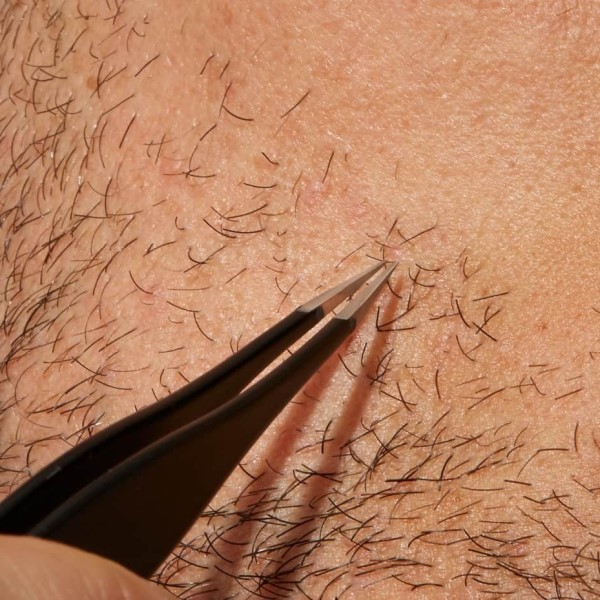
Blocked Hair Follicles
- Follicle Clogging Issues: Hair follicles can become blocked due to the accumulation of dead skin cells, dirt, and excess oil. This clogging creates a barrier that hinders hair from pushing through the skin’s surface, leading to ingrown hairs.
- Exfoliation Importance: Regular exfoliation is essential for maintaining clear hair follicles. Neglecting this step can result in an increased buildup of debris, exacerbating the issue of hair not being able to grow out properly.
- Dead Skin and Oil Build-Up: Both environmental pollutants and natural skin oils can contribute to blocked follicles. Keeping the skin clean and well-exfoliated is crucial in preventing this problem.
Tight Clothing
- Impact of Clothing Fit: Wearing tight clothing can create friction against the skin, leading to increased irritation. This friction can disrupt the natural hair growth pattern and heighten the chance of hair growing inward.
- High-Risk Areas: Areas that are particularly prone to this issue include the bikini line, underarms, and thighs, where constant rubbing against material can exacerbate the risk of ingrown hairs.
- Material Considerations: The type of fabric can also play a role; synthetic materials may cause more irritation than breathable, natural fibers. Opting for looser clothing or wearing moisture-wicking fabrics can help mitigate this risk.
Recognizing these causes allows individuals to adjust their grooming habits to minimize the risk of ingrown hairs developing in the future.
Essential Skincare Steps for Getting Rid of Ingrown Hair
To effectively address ingrown hairs, incorporate the following essential skincare steps into your daily routine:
1. Exfoliate Regularly
Exfoliating is vital for removing dead skin cells and preventing clogged hair follicles. Aim to exfoliate the skin at least twice a week using a gentle scrub or a chemical exfoliant containing alpha hydroxy acids (AHAs) or beta hydroxy acids (BHAs). These acids help dissolve the bonds that hold dead skin cells together, making it easier for hair to break through the surface.
2. Hydrate Your Skin
Keeping your skin moisturized is essential for overall skin health. Use a lightweight, non-comedogenic moisturizer daily to help maintain skin elasticity and hydration. Ingredients like hyaluronic acid and glycerin can help draw moisture into the skin, minimizing the risk of clogged pores.
3. Adopt Proper Shaving Techniques
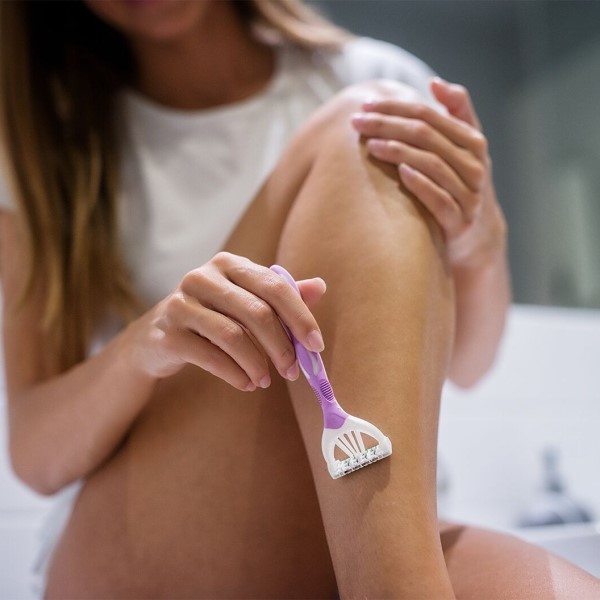
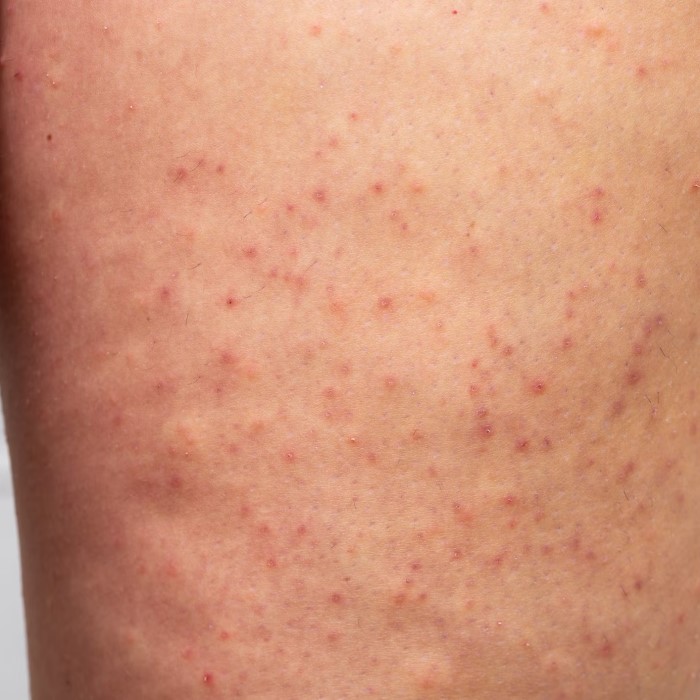
Proper shaving techniques are crucial for preventing ingrown hairs. Always shave in the direction of hair growth, and use a fresh, sharp razor. Apply a moisturizing shaving cream or gel to reduce friction and irritation. Avoid pressing too hard on the razor; let the blade do the work.
4. Post-Shave Care
After shaving, incorporate soothing products into your routine. Use an aftershave balm or lotion that contains anti-inflammatory ingredients like aloe vera, chamomile, or witch hazel. These ingredients can help calm irritated skin and reduce redness.
5. Consider Alternative Hair Removal Methods
If ingrown hairs become a frequent issue, consider exploring alternative hair removal methods such as laser hair removal. This method can significantly reduce hair growth, lowering the chances of developing ingrown hairs in the future. Always consult with a dermatologist to discuss the best options for your skin type.
Home Remedies for Ingrown Hairs: Natural Solutions
Several natural remedies can help treat and prevent ingrown hairs effectively. Here are a few options to consider:
- Warm Compress: Apply a warm compress to the affected area for 10-15 minutes. This can help soften the skin and make it easier for the hair to break through.
- Tea Tree Oil: This natural oil has antibacterial and anti-inflammatory properties, making it a great choice for treating ingrown hairs. Dilute tea tree oil with a carrier oil like coconut or jojoba oil and apply it to the affected area.
- Aloe Vera: The soothing properties of aloe vera can help reduce irritation and promote healing. You can apply pure aloe vera gel to the area for maximum benefit.
- Sugar Scrub: A homemade sugar scrub can be a fantastic way to exfoliate while moisturizing the skin. Mix sugar with olive oil to create a gentle scrub; massage it into the skin to help remove dead skin cells and encourage hair to emerge.
Incorporating these remedies into your skincare routine can make a significant difference in managing ingrown hairs.
FAQs About Ingrown Hairs
Here are some frequently asked questions regarding ingrown hairs:
Do ingrown hairs go away by themselves?
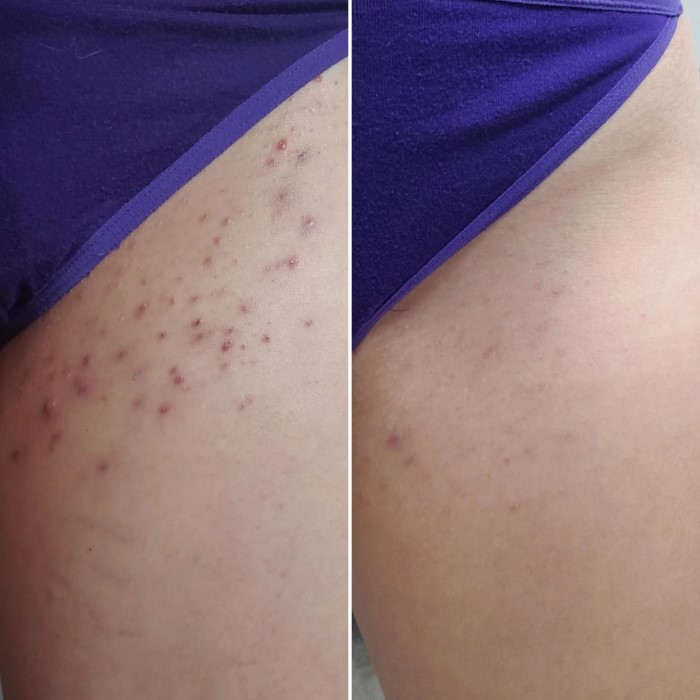
In many cases, ingrown hairs will resolve on their own as the hair either breaks through the skin or grows out. However, persistent ingrown hairs may require intervention, such as exfoliation or professional assistance.
How to get rid of ingrown hairs down there quickly?
How to get rid of ingrown hair? For ingrown hairs in sensitive areas, use warm compresses to soften the skin and gently exfoliate with a mild scrub. Avoid harsh products or methods to minimize irritation and promote faster healing.
Can I pluck out my ingrown hair?
While plucking may seem tempting, it isn’t recommended as it can lead to infection or scarring. Instead, focus on proper exfoliation and moisturization to allow the hair to emerge naturally.
Should I squeeze out ingrown hairs?
Squeezing can cause damage to the skin and increase the risk of infection, so it’s best to avoid this practice. Instead, focus on gentle exfoliation and soothing the skin.
Preventing Ingrown Hairs: Key Strategies
How to get rid of ingrown hair? Preventing ingrown hairs is just as important as treating them. Here are several key strategies to implement into your grooming routine:
- Use Sharp, Clean Razors: Always shave with a sharp, clean razor and replace blades regularly to minimize the risk of skin irritation from dull blades.
- Limit Hair Removal: Consider minimizing the frequency of shaving or waxing to reduce the likelihood of irritation. You can also try to trim hair instead of shaving, which can prevent ingrown hairs.
- Choose Appropriate Products: Use skincare products designed for sensitive skin, particularly in areas prone to ingrown hairs. Look for exfoliating cleansers or hydrating lotions recommended for this purpose.
- Keep Your Skin Clean: Maintain a consistent skincare routine that includes cleansing and moisturizing to prevent dead skin buildup and promote healthy hair growth.
- Wear Loose Clothing: When possible, wear loose-fitting clothes to minimize friction and irritation, especially after shaving or waxing. This can help prevent hairs from becoming trapped under the skin.
By emphasizing prevention through these strategies, you can drastically improve the health of your skin and lower the occurrence of ingrown hairs.
Conclusion: Taking Control of Ingrown Hairs
Ingrown hairs are a common, bothersome skin issue that can negatively impact both comfort and confidence. By understanding how to get rid of ingrown hair through the implementation of essential skincare steps, individuals can effectively manage and prevent this condition. Proper exfoliation, moisturizing, and the correct shaving techniques play a crucial role in keeping skin smooth and irritation-free. Natural remedies provide excellent supportive treatments for those who prefer gentler approaches. Always seek professional advice if ingrown hairs persist or worsen. Ultimately, taking control of your skincare routine and making small adjustments can lead to significant improvements, helping you achieve clear, healthy skin.