Revitalize Your Hair: The Latest Trends in Scalp Exfoliation
Introduction
In the quest for healthy and vibrant hair, many overlook an essential step often neglected: scalp exfoliation. Just as we exfoliate our skin to reveal a fresh layer underneath, our scalps also need regular care to promote hair health. Scalp exfoliation involves removing dead skin cells, product buildup, and impurities from the scalp, creating a healthy environment for hair growth. In 2026, scalp health is trending as a significant factor in hair care routines. This article will explore the latest trends in scalp exfoliation, the techniques to effectively exfoliate your scalp, and the benefits this practice brings to your overall hair health.
Understanding Scalp Health
1. The Function of the Scalp
The scalp is home to numerous hair follicles and sebaceous glands responsible for secreting oil, which keeps hair moisturized. However, it can also accumulate dead skin cells, sebum, and hair products over time.
- Impact on Hair Health: An unhealthy scalp can lead to thinning hair, increased breakage, and a lackluster appearance. Thus, regular exfoliation helps maintain a balance and creates an optimal environment for hair growth.
2. Common Scalp Issues
Many people experience scalp-related issues that can benefit from exfoliation:
Dandruff
- Understanding Dandruff:
Dandruff is a common scalp condition characterized by the shedding of dry, dead skin flakes from the scalp. It can be frustrating and embarrassing for those who experience it. There are two primary causes of dandruff: excess oil production and dry skin. - Excess Oil Production:
When the scalp produces too much oil or sebum, it can lead to an accumulation of skin cells. These cells die off and combine with oil, creating the characteristic white flakes associated with dandruff. This scenario can also provide a breeding ground for malassezia, a yeast-like fungus that exacerbates dandruff. - Dry Skin:
On the other hand, dry skin can also lead to dandruff. A lack of moisture causes the scalp to become flaky and itchy, resulting in dryness. Factors such as cold weather, low humidity, or harsh hair products can contribute to this condition. - Benefits of Exfoliating the Scalp:
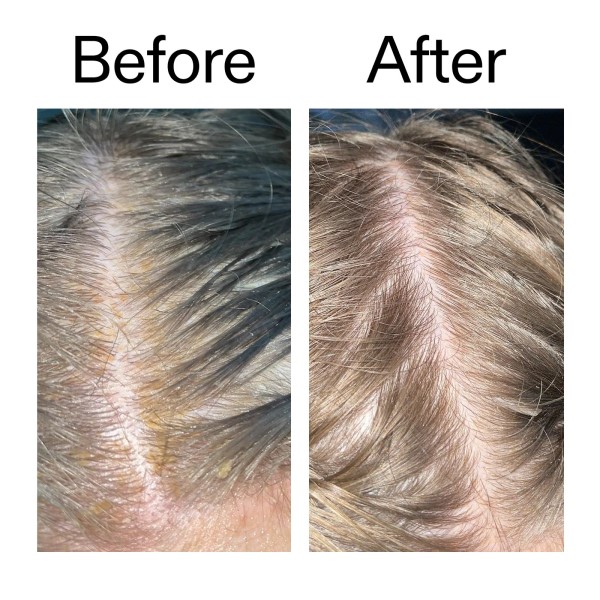
Regular scalp exfoliation helps to effectively remove dandruff flakes. By lifting and clearing away dead skin cells, exfoliation reduces the visible signs of dandruff. Moreover, it also prevents new flakes from accumulating, promoting a healthier and cleaner scalp.
Clogged Follicles
- Impact of Product Buildup:
Product buildup on the scalp occurs when hair care products, oils, and skin cells accumulate over time. This excess buildup can clog hair follicles, leading to a variety of problems, including hair thinning and a lack of hair growth. - Limiting Hair Growth:
When hair follicles become blocked, it restricts the natural growth process of hair. Clogged follicles can prevent new hair from emerging properly, potentially leading to patches of hair loss and stunted hair growth. - Role of Exfoliation:
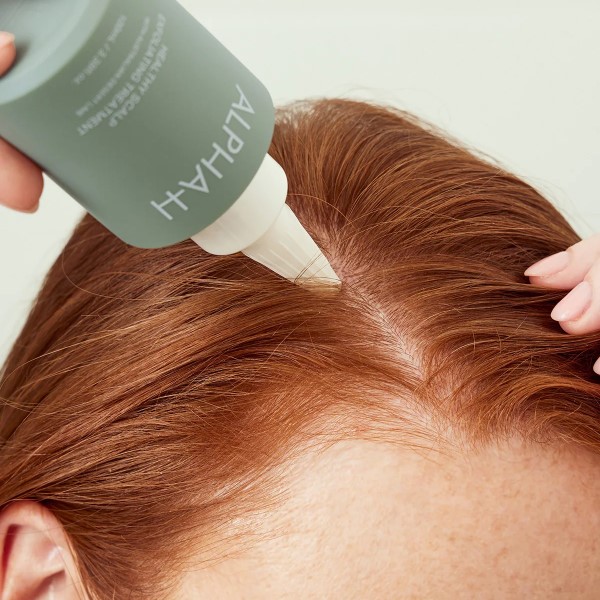
Scalp exfoliation plays a crucial role in removing product buildup and clearing clogged follicles. By regularly exfoliating the scalp, you can ensure that hair follicles remain open and free from debris, promoting optimal growth conditions for healthier hair.
Itching and Irritation
- Causes of Scalp Itching:
Itching and irritation are common symptoms linked to a buildup of dead skin cells and sebum on the scalp. These irritants can create discomfort, leading to repetitive scratching, which may cause inflammation or additional skin issues. - Effects of Dead Skin Cells:
Accumulating dead skin cells can exacerbate itchiness. This condition not only causes discomfort but can also lead to potential skin infections or inflammation if left untreated. People may inadvertently worsen their scalp condition by scratching. - Soothe the Scalp with Exfoliation:
Regularly exfoliating the scalp can help alleviate itching and irritation. By removing excess skin cells and impurities, exfoliation soothes the scalp, thus improving comfort. This practice creates a balanced environment that encourages healing and reduces the likelihood of irritation. - Improving Overall Scalp Health:
Smoother, cleaner skin results from regular exfoliation, which helps restore comfort and decreases itching. A healthy scalp contributes to better hair condition and growth, reinforcing the importance of a thorough scalp care routine.
Benefits
1. Promotes Healthy Hair Growth
By regularly exfoliating your scalp, you create a clean and healthy environment for hair follicles. This encourages proper growth and can lead to thicker, fuller hair.
- Stimulates Blood Circulation: The process of exfoliation increases blood flow to the scalp, providing hair follicles with vital nutrients and oxygen they need to thrive.
- Enhances Absorption of Products: A clean scalp allows for better absorption of conditioning and hair growth products. This can maximize the efficacy of your entire hair care routine.
2. Reduces Dandruff and Flakiness
Regular scalp exfoliation helps to lift away dry flakes and dead skin cells.
- Immediate Relief: Many individuals find that exfoliating their scalp alleviates itchiness and irritation associated with dandruff.
- Long-Term Benefits: Consistent exfoliation can prevent future buildup, leading to a healthier scalp with fewer instances of flakiness.
3. Improves Hair Texture and Appearance
Exfoliating the scalp not only improves scalp health but also enhances the overall texture and appearance of hair.
- Smoother Hair Strands: By eliminating buildup, hair can look shinier and feel softer. This is particularly beneficial for those with style-dulling products in their routines.
- Minimizes Breakage: With healthier hair follicles, the hair produced is less likely to break or become damaged, promoting longer hair overall.
Techniques for Effective Scalp Exfoliation
1. Physical Exfoliation
This method involves the use of scrubs or brushes to physically lift away dead skin cells and buildup.
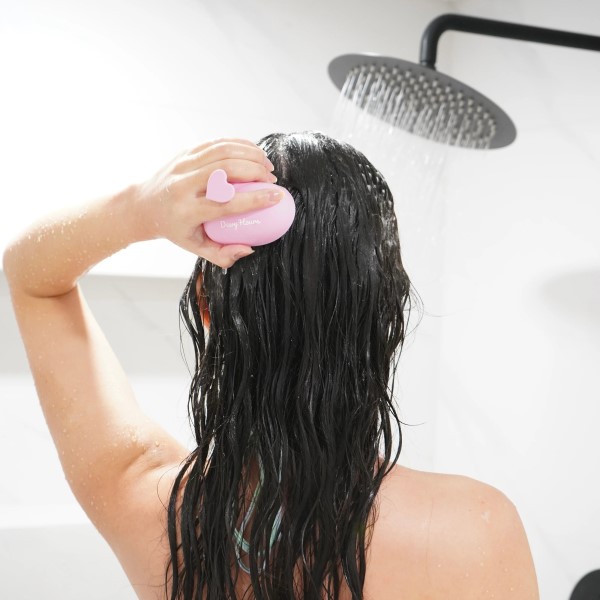
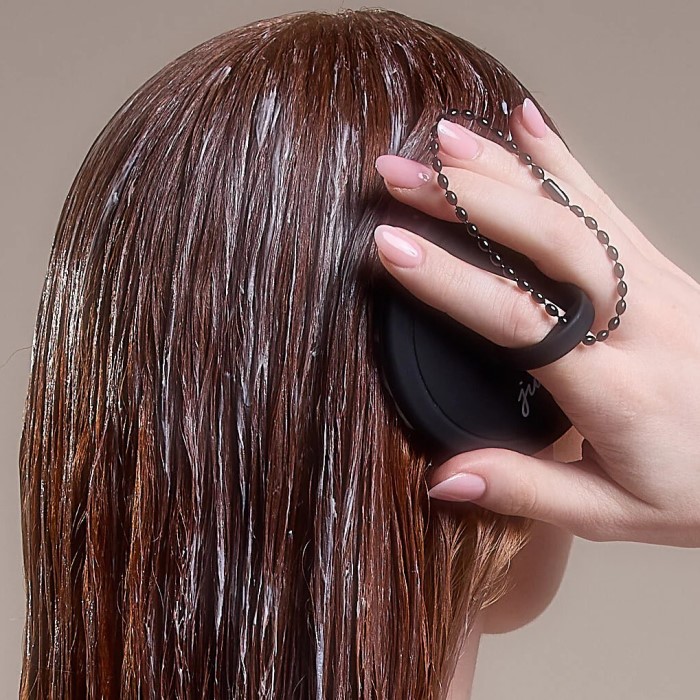
- Scalp Brushes: These tools are designed to gently massage the scalp and remove impurities while stimulating circulation. They can be used in conjunction with shampoos or dedicated exfoliating scrubs.
- Exfoliating Scrubs: Many brands offer scrubs formulated specifically for the scalp. These scrubs often contain fine granules that offer effective yet gentle exfoliation when massaged into the scalp.
2. Chemical Exfoliation
Chemical exfoliation uses ingredients like alpha hydroxyl acids (AHAs) or beta hydroxyl acids (BHAs) to dissolve dead skin cells and debris.
- AHA and BHA Treatments: Products containing salicylic acid are particularly effective for oily scalps. These help to remove buildup and are often used in treatments designed for acne-prone skin as well.
- Leave-In Treatments: There are chemical exfoliating products designed for regular use; applying them once or twice a week can enhance scalp health without excessive scrubbing.
3. DIY Exfoliation
Homemade scalp exfoliants can be easy to make and very effective.
- Sugar Scrub: Combine sugar with your favorite carrier oil (like coconut or olive oil) for a natural scrubbing solution. The sugar granules help buff away dead skin, while the oil nourishes the scalp.
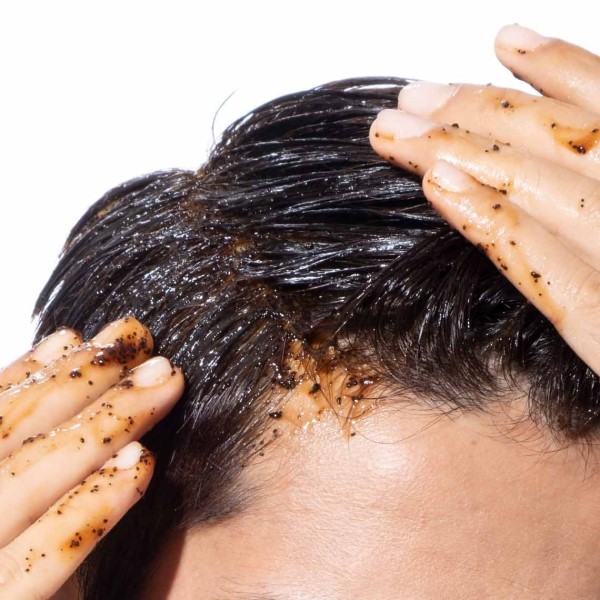
- Coffee Grounds: Many people find used coffee grounds to be an effective exfoliant. They can be massaged into the scalp to eliminate debris and stimulate circulation.
Frequency
1. Individual Needs
How often one should exfoliate the scalp can vary based on individual needs.
- Oily Scalps: For those with oily scalps or significant product buildup, exfoliating once a week can help maintain a clean surface.
- Dry Scalps: Individuals with dry or sensitive scalps may benefit from exfoliating every two weeks to avoid irritation.
2. Monitoring Scalp Health
It’s essential to recognize how your scalp responds to exfoliation. If excessive dryness or irritation occurs, it may be best to reduce the frequency.
- Adjust as Needed: Always listen to your scalp. Adjust your exfoliation frequency based on your specific needs and environmental factors.
Common Misconceptions
1. “My Scalp Doesn’t Need Exfoliation”
Many believe that only the skin on our faces and bodies require exfoliation. However, the scalp is equally important to maintain.
- Importance of Scalp Care: Exfoliation helps keep hair follicles healthy and promotes overall hair growth.
2. “Exfoliation Will Damage My Hair”
When done correctly, exfoliation can enhance the health of hair, reducing damage over time by creating a cleaner environment for hair to grow.
- Gentle Techniques: Use gentle methods to prevent any irritation or damage to your scalp.
3. “All Exfoliants Are the Same”
Different products have varying formulations and benefits. It’s essential to choose a product suited specifically for your hair and scalp type.
- Choose Wisely: Research and read reviews to find the most effective product for your needs.
FAQ
How do you exfoliate your scalp?
You can exfoliate your scalp by using physical scrubs, scalp brushes, or chemical exfoliants containing AHAs or BHAs. Regular massaging during washing can also help exfoliate gently.
Is scalp exfoliation good for you?
Yes! Scalp exfoliation can reduce buildup, promote healthy hair growth, and improve hair texture. It also addresses issues like dandruff and irritation.
How do I remove buildup from my scalp?
Using scalp exfoliants, cleansing scrubs, or clarifying shampoos can help lift product buildup from the scalp. Regular rinsing with water also promotes cleansing.
Can exfoliating scalp reduce dandruff?
Exfoliating can help reduce dandruff by removing dry skin and flakes. Regular exfoliation keeps the scalp clean and minimizes irritation, leading to fewer flakes.
Conclusion
Incorporating scalp exfoliation into your hair care routine is essential for maintaining healthy hair. With the latest trends emphasizing scalp health, adopting this practice can significantly improve your overall hair condition. Regularly exfoliating your scalp helps clear away buildup, stimulates blood flow, and promotes a healthy environment for hair growth.
Moreover, with a variety of exfoliation techniques and products available, there is an approach suitable for everyone. Whether you opt for physical exfoliating tools, DIY methods, or chemical solutions, each option plays a crucial role in enhancing scalp health.
As you explore the benefits of scalp exfoliation, prioritize products and techniques that align with your hair and scalp needs. By doing so, you will not only improve the health of your scalp but also enjoy the beautiful, vibrant hair that results from proper care and attention!