Say Goodbye to Dryness: Best Hair Oil for Dry Hair Solutions
Contents
hide
Understanding the Root Causes of Dry Hair
Dry hair is a very common problem for many people. It lacks the necessary moisture to maintain its shine and texture. Finding the best hair oil for dry hair is very important. Consequently, the hair looks dull and feels brittle. Understanding why this happens is the first step to fixing it. Your scalp produces natural oils called sebum. These oils travel down the hair shaft to moisturize it. However, sometimes this process gets interrupted. For instance, curly or coily hair makes it hard for oil to travel. Therefore, the ends remain dry and prone to breakage. Additionally, environmental factors play a significant role. Sun exposure can evaporate moisture from your strands.
Furthermore, wind and dry air strip away natural oils. Your daily habits also contribute to this issue. Washing your hair too often removes essential oils. Using harsh shampoos with sulfates can also cause dryness. Heat styling tools like flat irons are major culprits too. They literally boil the moisture out of your hair. Thus, identifying the cause is crucial for selecting the right solution. You must address the root cause before the symptoms. Otherwise, the dryness will return quickly.
The Science Behind Hair Oils and Moisture
Hair oils work by mimicking the natural sebum your scalp produces. They coat the hair shaft to lock in moisture. Consequently, the hair remains soft and hydrated for longer. There are two main types of hair oils: sealing oils and penetrating oils. Sealing oils sit on the surface of the hair. They create a barrier that prevents water loss. Examples include jojoba oil and grapeseed oil. On the other hand, penetrating oils absorb deep into the cortex.
They nourish the hair from the inside out. Coconut oil and olive oil are famous examples. Therefore, choosing the right type matters greatly. The molecular structure of the oil determines its function. Smaller molecules can penetrate the hair shaft easily. Larger molecules typically stay on the surface. Furthermore, oils rich in fatty acids provide structural support. They repair the lipid barrier of the hair cuticle. This scientific approach helps you choose the best hair oil for dry hair. You are not just greasing your hair. You are treating it on a cellular level. Understanding this distinction transforms your hair care routine. It turns a simple application into a therapeutic treatment.
Argan Oil: The Liquid Gold Solution
Argan oil is often called “liquid gold” in the beauty industry. It originates from the kernels of the Moroccan argan tree. This oil is rich in fatty acids and Vitamin E. Consequently, it provides deep hydration without feeling heavy. It is incredibly versatile and suits most hair types. Furthermore, it helps to increase hair elasticity. This reduces the risk of breakage significantly. Many people consider it the best hair oil for dry hair because it is lightweight.
It does not leave a greasy residue if used correctly. You can apply it to damp hair before styling. Alternatively, you can use it as a finishing product for shine. Additionally, argan oil protects against heat damage. It forms a protective layer around the hair shaft. Therefore, it is essential for those who use heat tools. It also helps to tame frizz and flyaways. The antioxidants in the oil repair environmental damage. Thus, your hair looks healthier and feels stronger. It is a staple in many hair care arsenals. Its popularity is well-deserved due to its effectiveness.
Coconut Oil for Deep Penetration
Coconut oil is a powerhouse for extremely dry and damaged hair. It has a unique ability to penetrate deep into the hair shaft. This is due to its high lauric acid content. Consequently, it prevents protein loss which causes dryness. It works best as a pre-shampoo treatment. You apply it to your hair before washing. This protects the hair from hygral fatigue. Hygral fatigue happens when hair swells with water and shrinks. Therefore, coconut oil prevents structural damage. However, it can be heavy for fine hair types. You should use it sparingly if your hair is thin. Furthermore, it solidifies in cooler temperatures.
You need to warm it up in your hands before application. Many users swear by its ability to soften coarse hair. It is particularly effective for textured or curly hair. Additionally, it smells pleasant and natural. It provides a spa-like experience at home. Thus, it remains a top contender for deep conditioning treatments. It restores the lipid balance effectively.
Jojoba Oil for Scalp Health and Balance
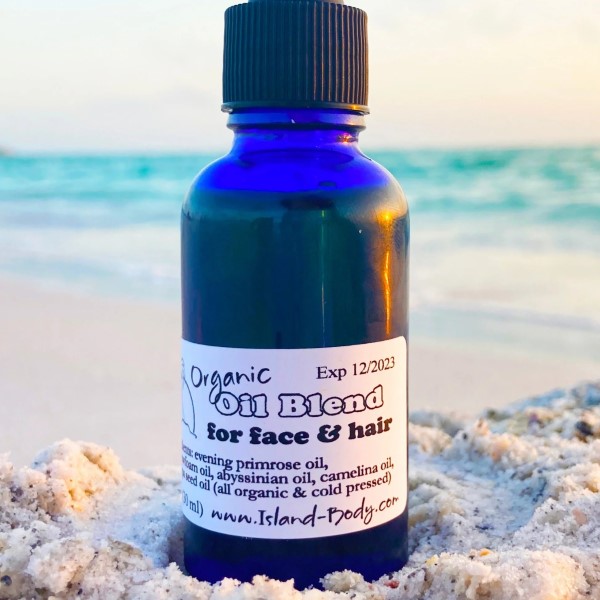
Jojoba oil is technically a liquid wax rather than an oil. It is extracted from the seeds of the jojoba plant. Interestingly, its structure is very similar to human sebum. Consequently, the scalp accepts it readily without reacting. This makes it excellent for scalp health. If your dry hair stems from a dry scalp, this is the solution. It moisturizes the scalp without clogging pores. Furthermore, it helps to regulate oil production.
If your scalp is too oily or too dry, jojoba balances it. Therefore, it is a great choice for sensitive skin. It is also very lightweight and non-greasy. You can use it daily without weighing your hair down. Additionally, it is packed with vitamins B and C. These nutrients support hair growth and strength. It acts as a fantastic sealant for the ends of your hair. You can use it to lock in moisture after styling. Thus, it provides a dual benefit for the scalp and the hair. It is a gentle yet effective option for everyone.
How to Properly Apply Hair Oil
Application technique is just as important as the oil itself. Using too much oil can make your hair look greasy. Therefore, start with a very small amount. You can always add more if needed. First, pour a few drops into your palm. Then, rub your hands together to warm the oil. This helps with even distribution. Next, run your fingers through the mid-lengths and ends of your hair. Avoid applying oil directly to your roots.
This can make your scalp look dirty. However, if you are doing a scalp treatment, massage it gently. Use your fingertips to stimulate blood flow. Furthermore, you can apply oil to damp hair after washing. This helps to trap the water inside the hair shaft. Alternatively, you can use it on dry hair to smooth frizz. A wide-tooth comb helps distribute the oil evenly. Consequently, every strand receives the benefits. Consistency is key for seeing results. Make it a regular part of your routine.
Common Mistakes to Avoid When Using Oils
Many people make mistakes when incorporating oils into their routine. One common error is using the wrong oil for their hair type. For example, heavy oils on fine hair cause limpness. Therefore, you must match the oil weight to your hair density. Another mistake is applying oil to dirty hair. The oil cannot penetrate if there is product buildup. Consequently, the treatment becomes ineffective. Always start with clean, damp hair for the best absorption. Furthermore, some people use oils as a replacement for conditioner. Oils should supplement your conditioning routine, not replace it.
Conditioners contain water and humectants. Oils seal that moisture in. You need both for optimal health. Additionally, leaving heavy oils in for too long can attract dirt. This can lead to scalp issues like dandruff. Thus, always wash out heavy treatments thoroughly. Finally, do not expect overnight miracles. Hair repair takes time and patience. You must stick with the routine to see improvement.
Choosing the Right Product for Your Hair Type
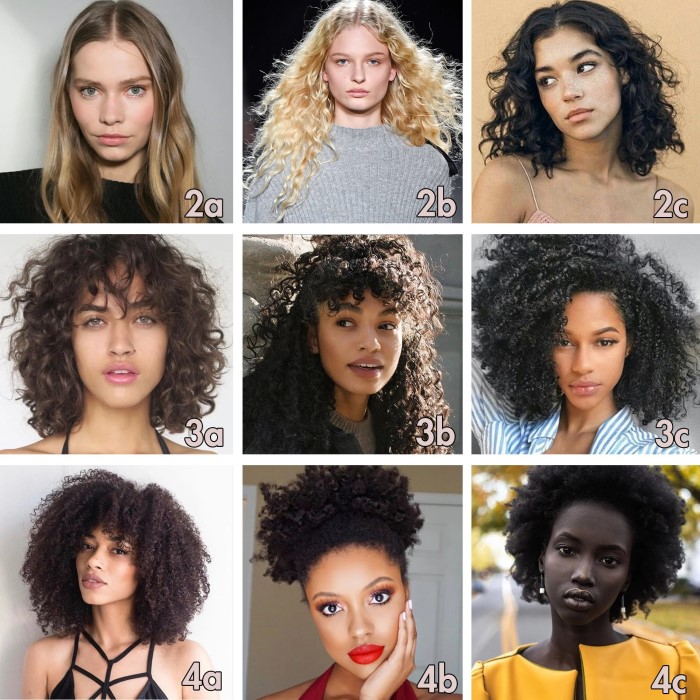
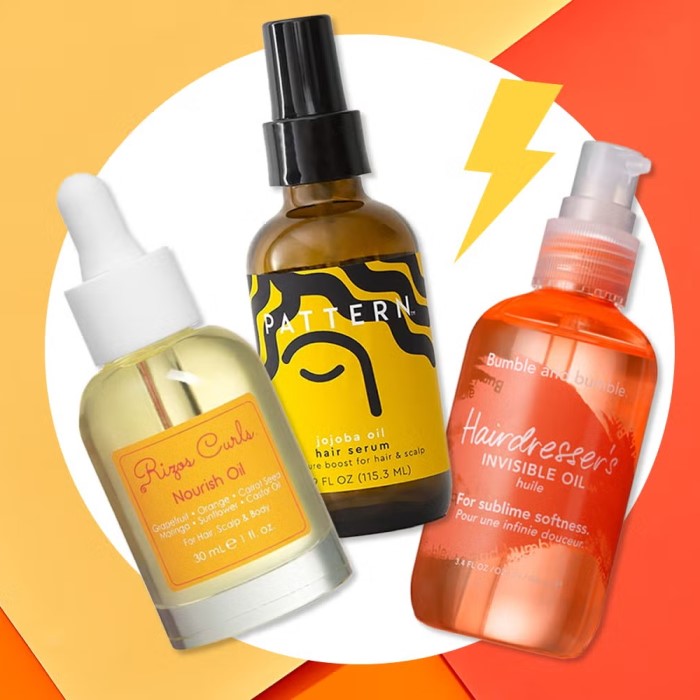
Finding the best hair oil for dry hair depends on your specific texture. Fine hair benefits from lightweight oils like argan or grapeseed. These will not drag the hair down. Conversely, thick or coarse hair needs heavier oils. Castor oil or shea butter are excellent choices here. They provide the necessary weight and moisture. Furthermore, consider the porosity of your hair. High porosity hair absorbs products quickly but loses them fast. It benefits from heavier sealing oils. Low porosity hair resists moisture. Therefore, it needs lighter, penetrating oils. Additionally, check the ingredient list for additives.
Pure, organic oils are always the best choice. Avoid products with too many silicones. Silicones can build up on the hair over time. They create a fake shine rather than actual health. Thus, reading labels is an important habit. Do not be swayed by fancy packaging or marketing claims. Focus on the ingredients and how they suit your hair.
FAQ
Which type of oil is best for dry hair?
Argan oil is often considered the best all-around option. It is lightweight and rich in Vitamin E. However, coconut oil is better for very deep conditioning. The best choice depends on your specific hair texture.
What hair oil is best for dry, damaged hair?
Coconut oil and olive oil are excellent for damaged hair. They penetrate the shaft to repair from within. Additionally, jojoba oil helps balance the scalp. These oils restore moisture and elasticity effectively.
What oil is good for dry curly hair?
Curly hair often benefits from heavier oils. Castor oil and shea butter are popular choices. They provide the necessary weight to define curls. Furthermore, they seal moisture into the hair shaft effectively.
Can oiling fix dry hair?
Yes, oiling can significantly improve dry hair. It seals moisture into the hair shaft. It also lubricates the strands to prevent breakage. However, you must also maintain a healthy diet and avoid heat damage.
Conclusion
Achieving hydrated, lustrous hair is possible for everyone. It requires understanding your hair’s unique needs. We have explored various options from argan to coconut oil. Each offers distinct benefits for dryness and damage. Remember that consistency is the most important factor. A single treatment will not solve the problem permanently. You must integrate oiling into your regular routine. Furthermore, pay attention to how your hair responds.
Adjust your routine based on the seasons and your hair’s condition. By following these guidelines, you can transform your dry hair. You will notice improved elasticity and shine. Your hair will feel softer and look healthier. Ultimately, the best hair oil for dry hair is the one that works for you. Start your journey to better hair today. Say goodbye to dryness and hello to vitality.