What Removes Nail Glue from Skin? Top Tips for Quick Solutions
Introduction: The Dilemma of Nail Glue on Skin
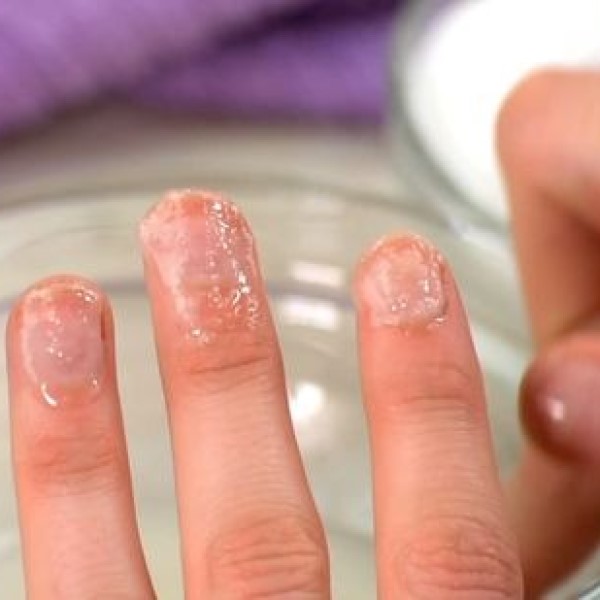
Nail glue is a common adhesive used in beauty routines, especially for applying artificial nails. However, one of the irritating challenges is understanding what removes nail glue from skin when accidents happen. Whether you accidentally spill some glue on your fingers or experience a mishap during application, removing nail glue from skin can be frustrating.
Understanding the most effective and safe removal methods is essential for everyone who uses nail glue. In this article, we will explore various techniques, products, and tips that can help you quickly and efficiently remove nail glue from your skin. As we dive into this topic, you will gain practical insights to ensure a hassle-free experience with nail glue.
The Chemistry of Nail Glue
Before discussing removal methods, it’s vital to understand what nail glue consists of. Most nail glues contain cyanoacrylate, a fast-acting adhesive known for its strong bonding capabilities. While this makes it ideal for securing artificial nails, it also poses challenges for cleanup.
When cyanoacrylate comes into contact with skin, it can bond quickly, making it difficult to remove without the right approach. Therefore, knowing the effective removal techniques is crucial for minimizing skin irritation.
Why Removing Nail Glue Is Important
Removing nail glue from skin is not just about aesthetics. Prolonged contact with adhesive can lead to skin irritation, redness, or allergic reactions in some individuals. Additionally, improper removal methods can damage the skin’s protective barrier, leading to complications like dryness or infection. Thus, addressing this issue promptly and properly is vital.
Common Causes of Nail Glue on Skin
What removes nail glue from skin? Accidentally getting nail glue on your skin is a common occurrence. It often happens during nail extensions or nail art applications. Here are some common reasons why nail glue may end up on your skin:
- Improper Application Technique: When glue is applied too generously or inaccurately, it can seep onto the skin.
- Slippery Hands: Using nail glue with slippery or sweaty hands can lead to unintended spills.
- Accidental Spillage: A sudden movement or unstable surface might cause the glue bottle to spill.
- Rushing During Application: Hastily applying nail glue increases the risk of mistakes.
- Using Low-Quality Bottles: Glue containers with poor design may leak.
- Peeling Extensions Off: Trying to remove glued nails without proper methods can spread glue to the skin.
Preventing nail glue mishaps requires attention to detail and a steady hand. By being cautious, you can reduce the chances of glue landing on your skin.
Precautions When Dealing with Nail Glue
Nail glue is a strong adhesive, and handling it requires care to prevent mishaps. Follow these precautions to protect your skin and avoid accidents:
- Work in a Clean Area: Ensure your workspace is clean and clutter-free to avoid accidental spills.
- Keep Hands Dry: Dry your hands before using nail glue. Moisture may lead to accidental slipping.
- Use Protective Barriers: Apply petroleum jelly or hand cream around your nails to shield your skin.
- Avoid Over-Squeezing Bottles: Apply the glue slowly and precisely to prevent excess flow.
- Choose Quality Products: Select well-designed glue bottles that minimize the risk of leakage.
- Store Safely: Keep nail glue in a secure, upright position to prevent accidental spillage.
- Use Tools Instead of Fingers: Use applicators or brushes to handle nail glue, reducing skin contact.
- Read Instructions: Follow the product’s guidelines to ensure proper application.
By taking these simple precautions, you can prevent glue mishaps and keep your skin safe during nail applications.
Household Remedies for Removing Nail Glue
Simple household remedies can effectively remove nail glue from your skin without harsh chemicals. These methods are gentle and usually involve items found at home. Here are two reliable techniques:
Using Warm Water and Soap
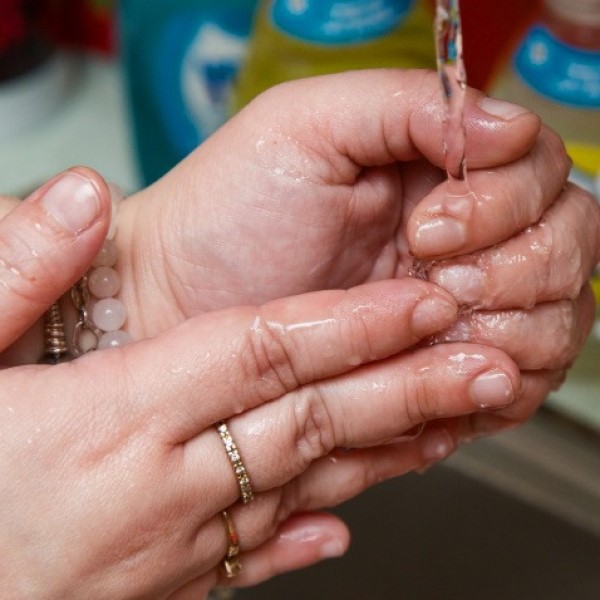
Warm water combined with soap helps soften nail glue on the skin. Follow these easy steps:
- Immerse the Affected Area: Soak your hands or fingers in warm, soapy water for 10–15 minutes.
- Rub Gently: Use your fingers or a soft cloth to rub the area and loosen the glue.
- Repeat if Necessary: Persistent glue may require multiple attempts to remove completely.
- Moisturize Afterwards: Apply a moisturizer to keep your skin hydrated and soft.
This method is suitable for minor cases of nail glue. Avoid using hot water to prevent burns.
Employing Olive Oil or Coconut Oil
Natural oils are effective in breaking down glue and nourishing your skin. Here’s how to use them:
- Apply Generously: Spread olive oil or coconut oil on the glued area.
- Let It Soak: Leave the oil on for 5–10 minutes to loosen the adhesive.
- Gently Rub Off: Use a cloth or your fingers to remove the softened glue carefully.
- Wash and Moisturize: Clean your skin with warm water and soap, then apply lotion.
Oils are gentle and moisturize the skin while removing the glue. They work well for sensitive skin.
With these household remedies, you can safely remove nail glue without damaging your skin. Always be patient and avoid scrubbing too hard to prevent irritation.
Chemical-Based Solutions for Stubborn Adhesive
When household remedies do not fully remove nail glue, chemical-based solutions can be effective. These options target stubborn adhesive and quickly dissolve the glue. Always use them with care to avoid skin damage.
Using Acetone Safely
Acetone is a powerful solvent commonly used to remove nail glue. Follow these steps:
- Choose Pure Acetone: Ensure you use 100% acetone for the best results.
- Protect Skin: Apply petroleum jelly around the glued area to shield your skin.
- Soak Effectively: Dip the glued area in acetone for approximately 10–15 minutes.
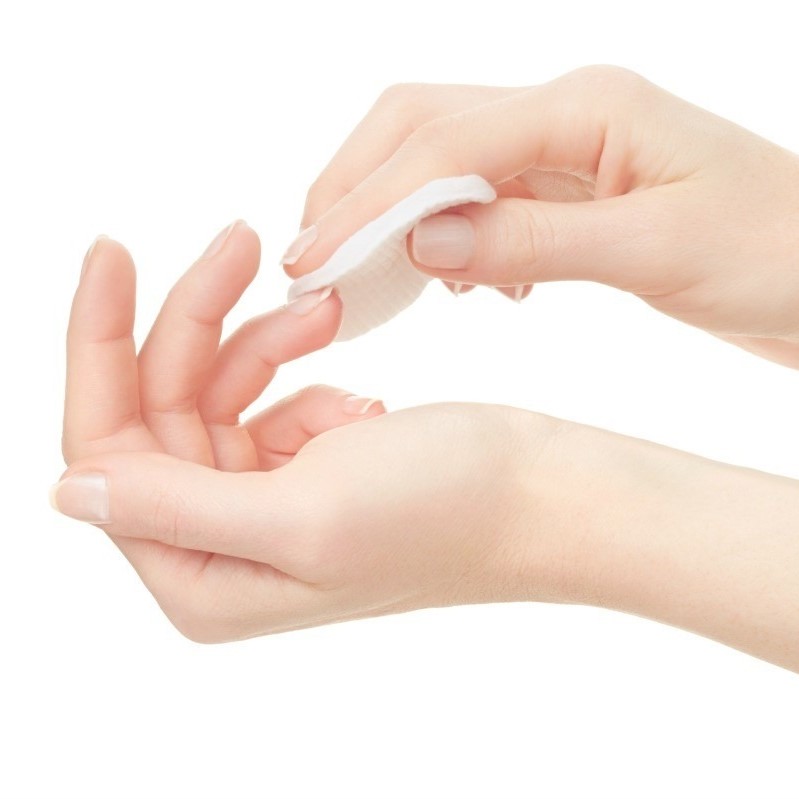
- Gently Remove Glue: Use a soft cloth or cotton pad to rub off softened glue.
- Rinse and Moisturize: Wash your skin thoroughly and apply moisturizer after the process.
Acetone works well but may dry out your skin. Limit its use on sensitive or broken skin.
Alternative Commercial Glue Removers
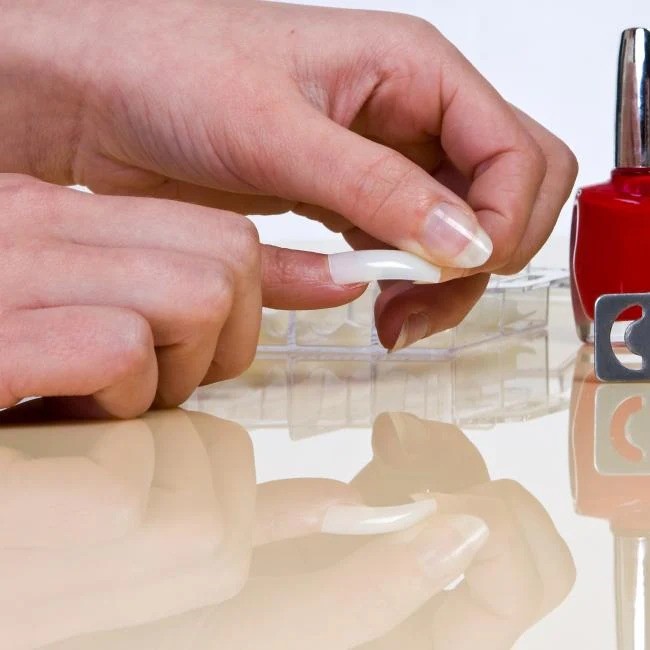
If acetone is not suitable, commercial glue removers can be a safe option. Here’s what to do:
- Read Product Labels: Check instructions to use the remover correctly.
- Apply Moderate Amount: Apply the remover directly to the glued area.
- Wait as Directed: Let it sit for the recommended time to soften the adhesive.
- Rub or Peel Lightly: Remove the glue using a soft cloth or disposable wipe.
- Clean and Soothe Skin: Wash the area with soap and water, then moisturize.
Choose a remover designed for nail adhesive to ensure safe and effective removal. Test on a small area first to avoid adverse skin reactions.
Chemical-based solutions are effective but require careful handling. Always follow safety guidelines to protect your skin and achieve the best results.
Tips for Protecting Skin During Nail Application
Protecting your skin during nail application is important to avoid irritation and injuries. Follow these essential tips to keep your skin safe:
- Use a Clean Workspace: Keep your work area tidy and free of clutter to prevent accidents.
- Wash and Dry Hands Thoroughly: Clean and dry hands provide a stable surface for nail application.
- Apply a Barrier Cream: Use petroleum jelly or a thick hand cream around your nails to protect your skin.
- Control the Glue Application: Dispense nail glue slowly to avoid excessive overflow onto your skin.
- Utilize Tools, Not Fingers: Use brushes, sticks, or applicators instead of your hands to handle the glue.
- Secure the Glue Bottle: Ensure the glue bottle is tightly sealed when not in use to prevent spills.
- Wear Disposable Gloves: Gloves provide an extra layer of protection for those prone to accidental contact.
- Avoid Rushing: Take your time during application to minimize errors and reduce glue mishaps.
- Opt for High-Quality Glue: Choose reliable brands with safe and user-friendly packaging.
- Educate Yourself: Carefully read the product instructions for proper use and precautions.
By incorporating these tips into your routine, you can effectively reduce the risks of nail glue contacting your skin. Careful preparation and attention to detail ensure a safe and mess-free nail application experience.
How to Prevent Nail Glue Residue on Skin
What removes nail glue from skin? Preventing nail glue residue on your skin is crucial to avoid irritation and mess. Follow these effective tips to minimize glue mishaps:
1. Prepare Your Workspace
- Choose a Suitable Surface: Select a flat and stable surface, such as a table or countertop, to ensure your nail application process is secure. A level area will help maintain your focus and accuracy.
- Ensure Cleanliness: Before you begin, make sure the workspace is clean. This minimizes the risk of dirt or other particles contaminating your nails or the glue.
- Organize Your Tools: Arrange all necessary tools and products within easy reach. This includes nail glue, applicators, and any other items you plan to use, allowing for a smoother application process.
2. Clean and Dry Your Hands
- Wash Your Hands Thoroughly: Use soap and water to clean your hands, which removes any oils or residues that could affect the glue’s adherence.
- Dry Your Hands Completely: After washing, ensure your hands are completely dry. A dry surface provides better control and grip during glue application, reducing the likelihood of slipping.
3. Use Protective Barriers
- Apply Petroleum Jelly: Consider applying a thin layer of petroleum jelly around the edges of your nails. This acts as a protective barrier against excess glue, making cleanup easier.
- Consider Hand Cream: If you prefer, a hand cream can also work as a barrier while moisturizing the skin. Just ensure it’s fully absorbed before applying the glue.
4. Handle Glue Carefully
- Dispense Slowly: When applying glue, squeeze the bottle slowly and gently. This minimizes the chance of spilling or overapplying and helps maintain control.
- Keep the Bottle Upright: Always hold the glue bottle upright and avoid sudden movements. This simple habit can prevent untimely spills.
5. Use Applicators
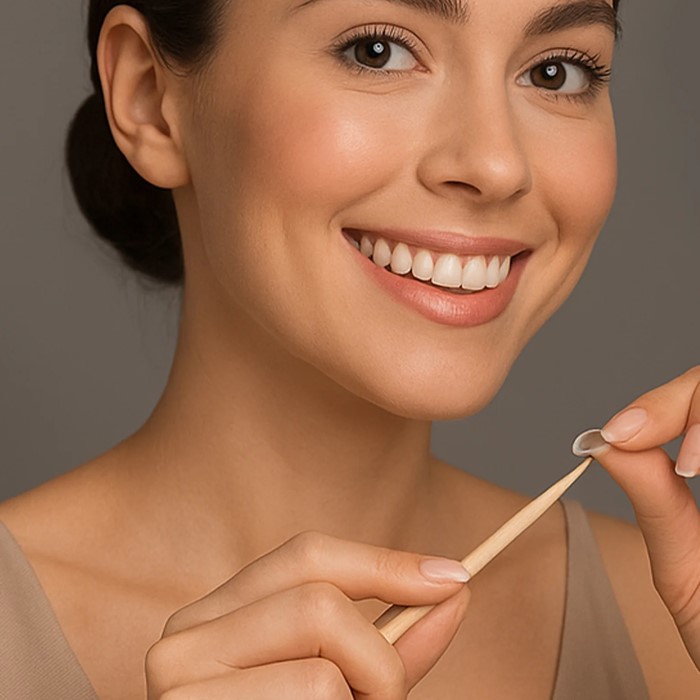
- Opt for Brushes or Sticks: Instead of using your fingers directly, choose appropriate tools like small brushes or toothpicks. These applicators allow for more precision, helping you target exactly where the glue needs to go.
- Control the Amount of Glue: Using applicators enables you to control the amount of glue dispensed, leading to cleaner and more effective applications.
6. Always Check the Glue Bottle
- Tighten the Cap Securely: After each use, make it a routine to tightly close the cap of the glue bottle. This action helps prevent leakage and keeps the glue from drying out.
- Inspect the Bottle Regularly: Check the glue bottle for any signs of damage or crack. Using a compromised bottle could lead to unexpected spills.
7. Choose High-Quality Glue
- Invest in Reliable Brands: Select reputable brands known for their nail adhesives. High-quality glue often has better consistency and performance, ensuring a successful application.
- Prioritize Safety: Research adhesive products that prioritize safety features to minimize risks during use.
8. Work at a Comfortable Pace
- Avoid Rushing: Take your time during the application process. Rushing can lead to mistakes, which may compromise the final results.
- Focus on Quality: By working slowly and deliberately, you allow yourself to achieve a more polished and professional outcome.
9. Wear Protective Gloves
- Use Disposable Gloves: If you have sensitive skin or are concerned about glue contact, wearing disposable gloves is a smart choice. They provide an extra layer of protection.
- Enhance Grip and Control: Gloves can also enhance your grip on tools and products, leading to a more controlled application technique.
10. Read Instructions Thoroughly
- Follow Manufacturer Guidelines: Always read and follow the instructions provided by the manufacturer of the nail glue. These guidelines are set to ensure proper usage and safety.
- Understand Application Techniques: Familiarizing yourself with the recommended techniques for application can lead to better results and prevent mishaps during the process.
By following these tips, you can effectively avoid nail glue residue on your skin. Careful preparation and attention to detail are key to a mess-free nail experience.
Addressing Irritation or Skin Reactions from Nail Glue
Nail glue can sometimes cause skin irritation or allergic reactions in sensitive individuals. If you notice redness, itching, or discomfort after using nail glue, it is essential to act promptly to prevent further complications. Here are recommended steps to address these reactions effectively:
Immediate Steps to Take
- Rinse the Area: Wash the affected area with cool water and mild soap to remove glue residue.
- Apply a Cold Compress: Use a cold cloth to soothe itching, redness, or burning sensations.
- Avoid Further Contact: Do not touch the affected skin or apply additional nail products.
- Use Anti-Inflammatory Creams: Apply over-the-counter hydrocortisone cream to reduce swelling and redness.
When to See a Doctor
If symptoms worsen or do not improve, seek medical advice. Look out for:
- Excessive Swelling: If swelling spreads to other areas, consult a healthcare professional immediately.
- Difficulty Breathing: Difficulty in breathing indicates a severe allergic reaction. Seek emergency medical care.
- Severe Rash or Blisters: Extensive redness or blistering may require prescription medication.
Prevention of Future Reactions
- Test Before Use: Do a patch test on a small skin area to check for allergic reactions.
- Opt for Hypoallergenic Glue: Use nail glue specifically formulated for sensitive skin.
- Avoid Application on Broken Skin: Always ensure your hands and cuticles are intact before using glue.
- Immediately Remove Excess Glue: If glue touches skin, use safe removal techniques like warm soapy water or natural oils.
By acting swiftly and taking proper precautions, you can minimize the risk of long-term skin damage from nail glue. Understanding your skin’s sensitivity and choosing the right products can help you enjoy safe and beautiful nails.
Conclusion: What Removes Nail Glue from Skin?
In conclusion, knowing what removes nail glue from skin is essential for anyone who uses nail glue regularly. Whether you opt for acetone, warm soapy water, or oil-based products, having the right techniques at your disposal can make all the difference.
Remember to exercise caution when using any chemical products, and consider softer approaches for sensitive skin. By following the tips and methods outlined in this article, you can efficiently and safely remove nail glue from your skin without causing irritation or damage. With this knowledge, you’ll be prepared for any accidental adhesive mishaps that may occur in your beauty routine.