Does Dandruff Shampoo Cause Hair Loss? Learn the Facts
Contents
hide
What is Dandruff and How Does It Affect the Scalp?
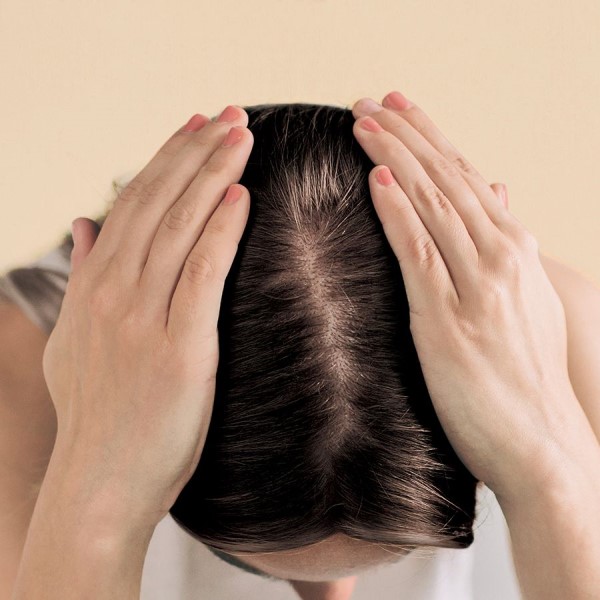
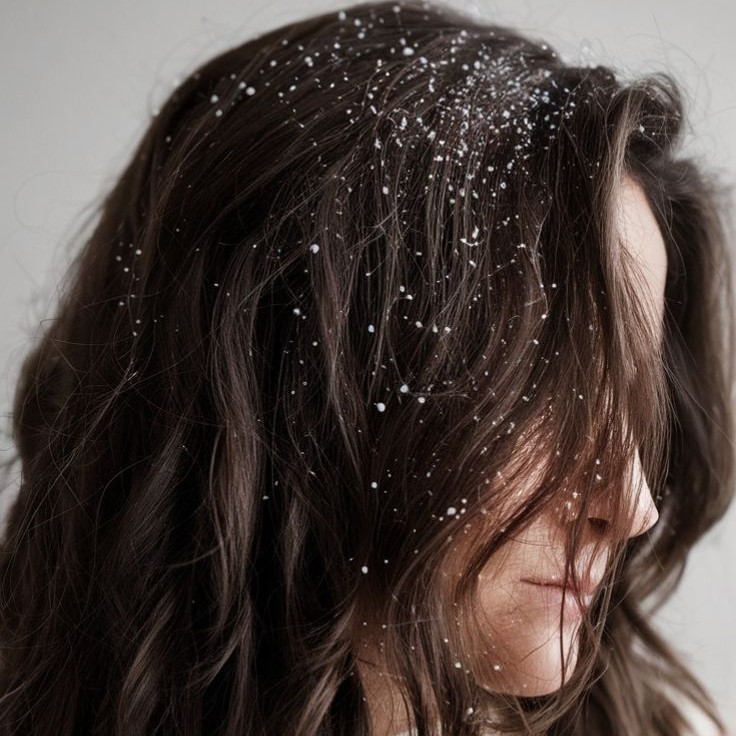
Dandruff is a common scalp condition. It causes flaking, itching, and dryness of the scalp. These flakes are dead skin cells that shed excessively. This condition may also cause redness and irritation. Does dandruff shampoo cause hair loss? The primary cause of dandruff is an overgrowth of a yeast-like fungus called Malassezia. This fungus naturally lives on the scalp but can become overactive. Factors like stress, hormone changes, or oily skin can trigger its growth. Other causes include dry skin, sensitivity to hair products, and poor scalp hygiene.
Dandruff does not harm your health significantly but can be uncomfortable. The constant itching may lead to scratching. Scratching can damage the scalp and cause small wounds, increasing the risk of infection. In some cases, severe dandruff might be linked to an underlying condition, such as seborrheic dermatitis or eczema.
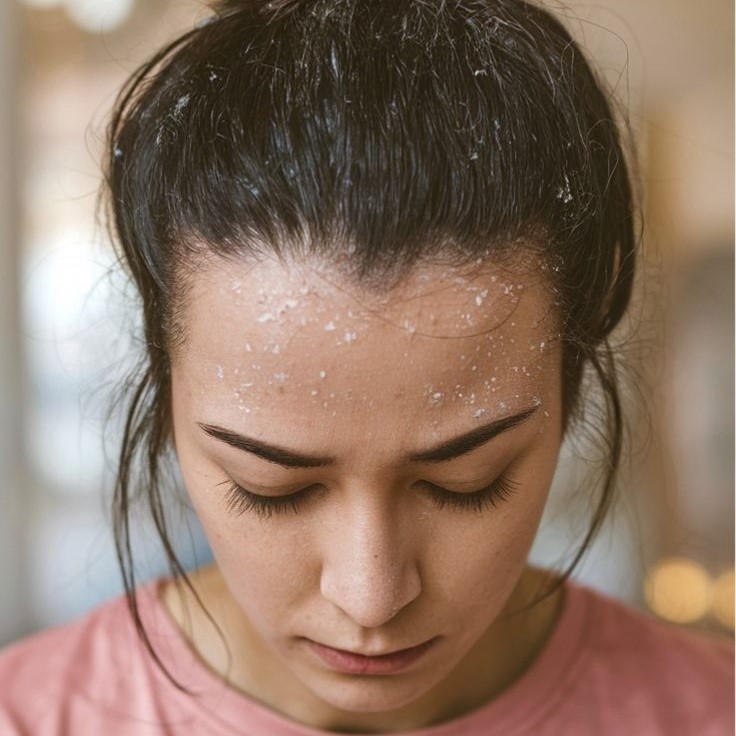
A healthy scalp is essential for strong, healthy hair. Dandruff can disrupt your scalp’s natural balance. It can clog hair follicles and hinder proper hair growth. A severe dandruff condition left untreated might indirectly contribute to hair loss by weakening hair roots.
Addressing dandruff early can help prevent further complications. Using effective treatments, like anti-dandruff shampoos, can make a significant difference. However, it’s essential to understand how these products work and their potential side effects.
Common Ingredients in Dandruff Shampoos and Their Functions
Does dandruff shampoo cause hair loss? Dandruff shampoos are specifically formulated to target the root cause of dandruff. These shampoos combine active ingredients that address scalp issues, such as flaking, irritation, and fungal growth. Here’s a breakdown of the common ingredients in dandruff shampoos and their specific functions:
- Zinc Pyrithione: This ingredient fights dandruff by targeting the fungus Malassezia. It helps reduce fungus growth and prevents excess scalp flaking.
- Ketoconazole: Ketoconazole is an antifungal agent used to treat severe dandruff and related conditions. It eliminates fungal infections and reduces inflammation on the scalp.
- Salicylic Acid: This ingredient exfoliates the scalp by removing dead skin cells. It helps avoid scalp buildup and keeps the skin fresh.
- Selenium Sulfide: Selenium sulfide slows down skin cell turnover, reducing the flaking caused by dandruff. It also has antifungal properties to combat fungal infections.
- Coal Tar: Coal tar helps slow skin cell production. It is effective against severe dandruff and psoriasis but can make the scalp more sensitive to sunlight.
- Tea Tree Oil: This natural ingredient has antimicrobial and antifungal properties. It soothes irritation and fights the fungi causing dandruff.
- Ciclopirox: It is a potent antifungal ingredient often used in medicated shampoos. It treats severe scalp conditions linked to dandruff.
- Climbazole: This is another antifungal compound that reduces fungal growth on the scalp, tackling dandruff at its source.
Each ingredient works differently to maintain scalp health. Selecting a shampoo with the right active ingredient depends on your specific scalp condition. You might need to experiment with different formulas to find the one that best suits you. Consulting a dermatologist can also help in making the right choice for your scalp health.
Can Dandruff Itself Cause Hair Loss?
Dandruff itself usually does not directly cause hair loss. However, the effects of dandruff can indirectly lead to hair shedding.
How Can Dandruff Contribute to Hair Loss?
- Prolonged Scalp Irritation: Persistent dandruff causes itchiness and scalp irritation. Scratching can weaken hair follicles, resulting in hair breakage and shedding.
- Weakened Hair Follicles: Severe dandruff may clog hair follicles. This can reduce hair growth and weaken existing hair.
- Inflammation: The chronic presence of dandruff-related inflammation may disrupt healthy hair growth over time.
- Secondary Infections: Scratching can create small wounds. Open wounds increase the risk of infections, which might further damage the scalp.
Underlying Conditions Linked to Dandruff
Severe dandruff is often associated with skin conditions. Conditions like seborrheic dermatitis or psoriasis can cause hair thinning. Treating these conditions early can help minimize risks of hair loss.
Addressing dandruff as early as possible is essential. Keeping the scalp healthy creates an optimal environment for strong hair growth. This includes understanding and managing the root cause of your dandruff.
Exploring the Link Between Dandruff Shampoos and Hair Loss
Does dandruff shampoo cause hair loss? Dandruff shampoos play a crucial role in managing scalp conditions. They are formulated to combat dandruff effectively. However, there are concerns about whether dandruff shampoos can cause hair loss.
The direct linkage between dandruff shampoo and hair loss is unclear. Hair loss caused by shampoo is uncommon but possible with specific circumstances. Some shampoos might irritate sensitive scalps or cause an allergic reaction. Repeated irritation can lead to inflammation, making hair weaker and more prone to shedding.
Factors That May Cause Hair Loss Linked to Dandruff Shampoos
- Harsh Chemicals: Some shampoos contain aggressive chemicals. These may dry out the scalp, affecting its health.
- Allergic Reactions: Specific active ingredients can trigger allergic reactions, causing redness and hair shedding.
- Sensitive Scalps: Individuals with sensitive scalps might experience discomfort and hair breakage from heavy formulas.
- Excessive Use: Overusing dandruff shampoos may strip natural oils. This disrupts scalp balance and impacts hair quality.
Misconceptions Related to Hair Loss and Dandruff Shampoos
It is important to differentiate between hair loss caused by scalp issues and perceived shampoo effects. Many assume dandruff shampoos themselves lead to shedding. However, these shampoos aim to treat underlying scalp issues that may indirectly affect hair loss.
When selecting a dandruff shampoo, considering your scalp type and condition is essential. Some individuals might benefit from gentler options. Consulting a dermatologist can help address confusion concerning personalized scalp health and hair loss prevention.
Potential Side Effects of Dandruff Shampoos
Dandruff shampoos are usually safe and effective for most individuals. However, some people may experience side effects. It’s essential to know about these potential effects to manage your scalp health properly.
Common Side Effects of Dandruff Shampoos
- Scalp Irritation
- Chemicals in shampoos can sometimes irritate the scalp.
- You may experience redness, itching, or a burning sensation.
- Dryness
- Active ingredients like salicylic acid can cause excessive dryness.
- Dryness may lead to flaky skin and discomfort.
- Color Change
- Some dandruff shampoos may alter hair color.
- This effect is more noticeable on dyed or light-colored hair.
- Allergic Reactions
- Certain ingredients, like fragrances, can trigger allergies.
- Symptoms include redness, swelling, or rashes on the scalp.
- Sensitivity to Sunlight
- Ingredients like coal tar can make the scalp sensitive to sunlight.
- Overexposure to sunlight may cause irritation or burns.
- Hair Texture Changes
- Harsh chemicals may make hair brittle or frizzy.
- Over time, this can affect the overall appearance of your hair.
Rare Side Effects
In rare cases, an individual may experience severe allergic reactions to dandruff shampoos. Symptoms might include swelling or difficulty breathing. If this occurs, seek immediate medical attention.
How to Minimize Potential Side Effects
- Choose the Right Shampoo: Pick a formula designed for your specific scalp condition.
- Perform Patch Tests: Test the shampoo on a small area before full application.
- Avoid Overuse: Follow use instructions on the label to prevent over-drying or irritation.
- Moisturize the Scalp: Use a mild conditioner or natural oils to prevent excessive dryness.
- Consult a Dermatologist: Seek expert advice if you have sensitive skin or recurring scalp conditions.
Understanding these possible side effects helps in making informed decisions. It ensures you manage dandruff effectively while maintaining healthy hair and scalp.
How to Choose the Right Shampoo for Your Scalp Health
Choosing the right shampoo is essential for maintaining a healthy scalp and preventing hair problems. A poorly chosen shampoo can exacerbate dandruff and lead to irritation, discomfort, or even secondary issues.
Factors to Consider When Selecting a Shampoo
- Scalp Type
- Determine if your scalp is oily, dry, or sensitive.
- Pick shampoos tailored to your specific scalp type to avoid imbalance and irritation.
- Active Ingredients
- Look for ingredients designed to address your scalp condition.
- For dandruff, opt for shampoos with zinc pyrithione, ketoconazole, or salicylic acid.
- Read Labels Carefully
- Avoid shampoos with harsh chemicals, such as sulfates and parabens.
- Look for hypoallergenic options if you have sensitive skin.
- Frequency of Usage
- Use shampoos as instructed to avoid overuse.
- Overusing can strip natural oils and dry out the scalp.
Additional Tips for Choosing the Right Shampoo
- Test Products: Try new shampoos on a small area of your scalp first.
- Monitor Results: Pay attention to how your scalp responds after shampoo use.
- Seek Expert Advice: Consult a dermatologist for tailored recommendations.
Selecting the right shampoo ensures optimal scalp health and minimizes the risk of hair loss. Prioritize products that work for your unique needs and use them correctly for effective results.
Natural Alternatives to Dandruff Shampoos
Does dandruff shampoo cause hair loss? Commercial dandruff shampoos are effective but may not suit everyone. Natural alternatives offer gentle and effective solutions for scalp health.
Apple Cider Vinegar
Apple cider vinegar restores the scalp’s pH balance. It has antifungal properties to fight dandruff.
- Mix equal parts water and vinegar.
- Apply to the scalp and massage well.
- Rinse after 15 minutes.
Tea Tree Oil
Tea tree oil is a powerful antifungal. It helps reduce irritation and controls dandruff.
- Add a few drops of tea tree oil to your regular shampoo.
- Use it to wash your hair.
Aloe Vera
Aloe vera soothes the scalp and reduces inflammation. It also hydrates dry skin.
- Apply fresh aloe vera gel to your scalp.
- Leave it for 20 minutes and rinse.
Coconut Oil
Coconut oil moisturizes the scalp and prevents dryness. It also has antibacterial benefits.
- Warm a small amount of coconut oil.
- Massage it into your scalp and leave overnight.
- Wash hair thoroughly in the morning.
Baking Soda
Baking soda acts as a natural exfoliant. It removes dead skin cells and reduces itchiness.
- Mix baking soda with water to form a paste.
- Massage gently onto the scalp for a few minutes.
- Rinse thoroughly.
Lemon Juice
Lemon juice fights dandruff caused by fungal growth. Its acidity cleanses the scalp effectively.
- Apply fresh lemon juice to your scalp.
- Leave it for 10 minutes before washing your hair.
Neem Leaf Paste
Neem leaves have potent antifungal and soothing properties. They are highly effective against dandruff.
- Crush fresh neem leaves into a paste.
- Apply this to your scalp and let it sit for 30 minutes.
- Rinse thoroughly.
Benefits of Natural Alternatives
- Gentle on the Scalp: They avoid harsh chemicals and are ideal for sensitive skin.
- Eco-Friendly: Natural options minimize environmental harm.
- Minimal Side Effects: The risk of allergies or irritation is lower.
Key Tips for Using Natural Alternatives
- Consistency: Use remedies regularly for noticeable results.
- Patch Test: Always test a small amount before full application.
- Maintain Scalp Health: Keep a clean, hydrated scalp for better results.
Natural alternatives can offer effective relief from dandruff while maintaining overall scalp health. Experiment to discover what works best for your hair type and condition.
Tips for Maintaining a Healthy Scalp and Preventing Hair Loss
A healthy scalp is vital for strong and vibrant hair. Simple practices can help prevent hair loss. Here are practical tips to maintain scalp health and support hair growth:
Keep Your Scalp Clean and Balanced
- Wash Regularly: Clean your scalp with a suitable shampoo to remove dirt, oil, and buildup.
- Avoid Overwashing: Excessive washing can strip natural oils, leading to dryness and irritation.
- Use Lukewarm Water: Hot water can dry out your scalp, so opt for a gentle, lukewarm temperature.
Choose the Right Hair Products
- Use Gentle Shampoos: Pick shampoos without harsh chemicals like sulfates and parabens.
- Moisturize: Use a conditioner or natural oils like coconut oil to keep your scalp hydrated.
- Avoid Overuse: Use products sparingly to prevent clogging hair follicles or causing build-up.
Boost Circulation to Your Scalp
- Massage Your Scalp: Gently massage to improve blood flow and stimulate hair growth.
- Brush Regularly: Use a soft-bristle brush to distribute natural oils and remove dead skin cells.
Protect Your Scalp from External Damage
- Limit Sun Exposure: Protect your scalp by wearing a hat or using sunscreen.
- Avoid Heat Tools: Minimize the use of hot styling tools to prevent scalp and hair damage.
- Handle Hair Gently: Avoid tight hairstyles and harsh brushing to reduce hair breakage.
Maintain a Healthy Diet
- Eat Nutrient-Rich Foods: Include foods high in vitamins (A, D, E), proteins, and omega-3 fatty acids.
- Stay Hydrated: Drink plenty of water to keep hair and scalp hydrated.
- Consider Supplements: Biotin and zinc supplements can promote strong hair growth if needed.
Manage Stress Levels
- Practice Relaxation Techniques: Try techniques like meditation, yoga, or deep breathing.
- Get Enough Sleep: Rest well to reduce stress and support overall hair health.
Treat Dandruff Effectively
- Use Dandruff Shampoos Correctly: Follow usage instructions for maximum effectiveness.
- Try Natural Remedies: Use tea tree oil, aloe vera, or coconut oil to combat dandruff naturally.
- Avoid Scratching: Resist scratching to prevent scalp damage and hair breakage.
Seek Professional Help
- Consult a Dermatologist: Get expert advice for persistent dandruff or hair loss concerns.
- Regular Check-Ups: Visit your doctor for underlying health conditions linked to hair loss.
Does dandruff shampoo cause hair loss? Implementing these tips into your routine can enhance your scalp’s health. A healthy scalp is a foundation for preventing hair loss and promoting beautiful, lush hair.