Does Perimenopause Cause Hair Loss? Understanding the Truth
Contents
hide
What is Perimenopause?
Perimenopause is the transitional phase before menopause. It typically begins in a woman’s 40s but varies. During this time, the body starts to produce less estrogen. This hormonal change leads to various symptoms. Does perimenopause cause hair loss? It signals reproductive years are coming to an end. The phase can last several years, differing for each woman. Understanding perimenopause is vital for managing its effects effectively.
Symptoms and Changes During Perimenopause
During perimenopause, women may experience irregular menstrual cycles. Periods might become shorter or longer. Heavy bleeding is also a common issue for some. Hot flashes and night sweats occur due to hormonal shifts. Mood swings, irritability, and fatigue are frequent complaints. Sleep patterns often change, causing insomnia or restlessness. Women may notice weight gain and changes in body shape. These symptoms vary from person to person. Knowing them helps prepare for this life stage.
Hormonal Shifts and Their Effects on the Body
Hormonal changes are central during perimenopause. Estrogen levels fluctuate and eventually decrease. These shifts affect multiple systems in the body. They influence the hair growth cycle, which can cause thinning or loss. Testosterone levels may also decline, impacting hair health. Hormonal imbalances disrupt the normal cycle of hair follicles. The skin, mood, and energy can also feel these changes. Maintaining balance is key to reducing negative effects.
Causes of Hair Loss During Perimenopause
Does perimenopause cause hair loss? Perimenopause leads to various changes in the body, including changes that affect hair health. Among these, hormonal imbalances play a significant role in contributing to hair loss during this phase. As estrogen levels decrease and fluctuate, and testosterone levels decline, the natural balance is disrupted, impacting the hair growth cycle and its overall health.
Role of Hormonal Imbalances in Hair Health
Hormonal imbalances are one of the primary factors in hair loss during perimenopause. Estrogen plays a vital role in maintaining healthy hair. Its decline weakens the hair growth cycle, causing thinning and reducing overall hair density. Fluctuating hormone levels trigger stress responses, further affecting hair growth. Hair follicles may shrink, leading to slower growth and even shedding.
The body also experiences a disruption in androgen levels, particularly testosterone and dihydrotestosterone (DHT). These changes can cause hair follicles to become weaker. Balanced hormones are critical for sustaining strong, healthy hair. Addressing hormonal imbalances may improve the condition and reduce hair loss.
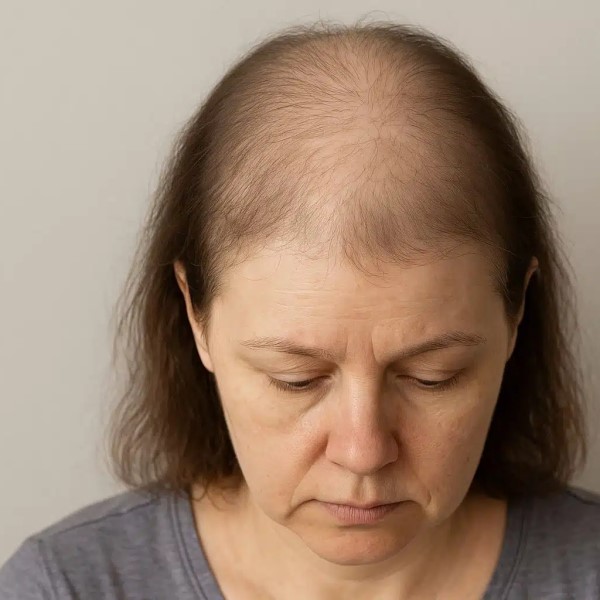
Impact of Estrogen and Testosterone Levels on Hair
Both estrogen and testosterone significantly influence hair growth and health. Estrogen helps by prolonging the growth phase of hair follicles. Lower levels during perimenopause shorten this phase, leading to thinning hair. It also impacts the scalp’s circulation, reducing nourishment to the hair follicles.
Testosterone, when balanced, doesn’t usually harm hair in women. However, its decline during perimenopause may upset the natural equilibrium, affecting hair health. In some cases, DHT increases as testosterone decreases, worsening hair loss. The imbalance between these hormones disrupts the cycle of hair regeneration.
Understanding the connection between hormones and hair is essential. This knowledge helps women take informed steps to manage hair loss effectively during perimenopause.
Types of Hair Loss Common in Perimenopause
Does perimenopause cause hair loss? Hair loss during perimenopause can take various forms. Understanding these types can assist in managing them effectively.
Thinning Hair
Thinning hair is a common issue for women during perimenopause. Hormonal fluctuations weaken hair follicles. Estrogen levels drop, shortening the hair growth phase. This causes less dense and finer hair over time. Many women notice decreased volume and difficulty styling their hair. Thinning hair can affect the scalp’s appearance. Proper care and treatments may help reduce thinning during this phase.
Increased Shedding or Hair Fall
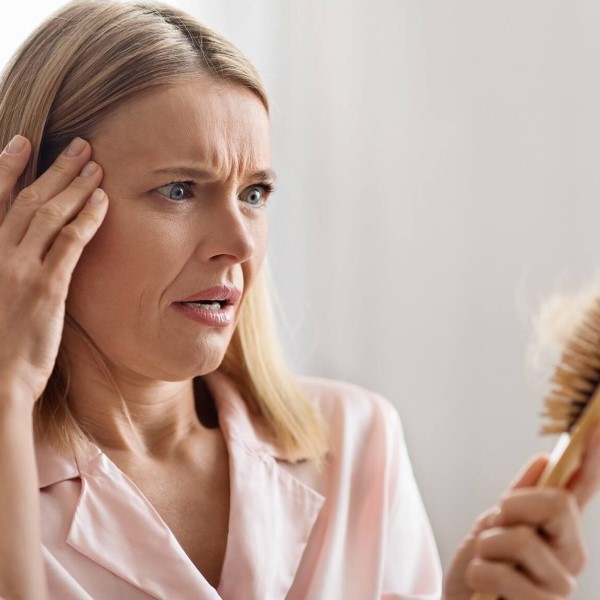
Shedding or excessive hair fall is frequent during perimenopause. Hair may fall out more than usual. Hormonal instability often disrupts the hair growth cycle. Stress and fatigue further increase hair shedding. This leads to visible hair loss, especially with brushing or washing. Women may feel frustrated when noticing strands everywhere. Addressing hormonal imbalance and minimizing stress may reduce shedding significantly.
Pattern Baldness in Women
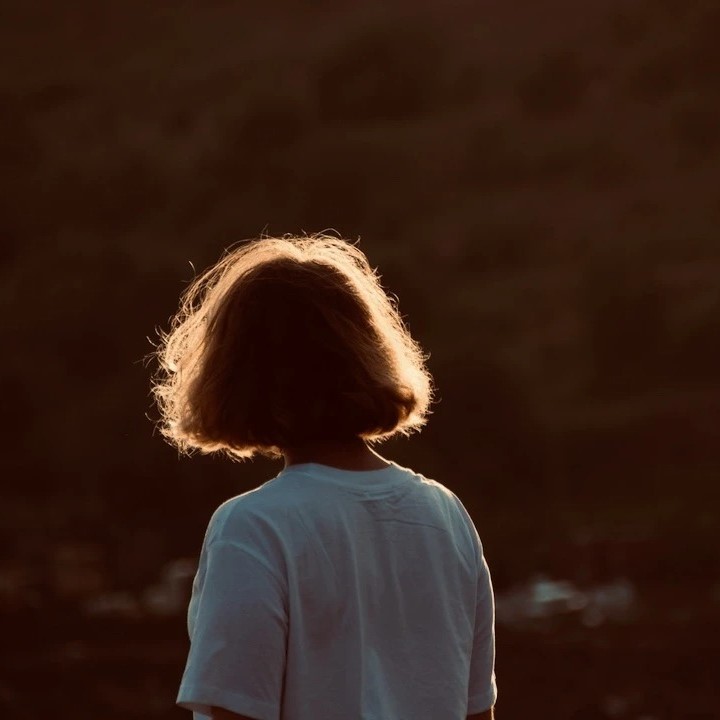
Pattern baldness can occur in some women during perimenopause. Hormonal shifts, particularly concerning DHT, are often responsible. Hair loss focuses on the crown or top of the head. The sides usually retain more hair density. Sparse areas may become more noticeable over time without intervention. This type is different from male-pattern baldness. Recognizing the signs early can aid in timely treatment and prevention efforts.
Managing these types of hair loss starts with understanding their root causes. Awareness enables better strategies to maintain hair health during perimenopause.
How to Manage Hair Loss During Perimenopause
Hair loss during perimenopause can be distressing, but effective management is possible. By adopting proper strategies, you can improve hair health and minimize loss. This includes enhancing nutrition and using suitable hair care products to support your hair.
Nutritional Support for Hair Health
Nutrition plays a crucial role in maintaining healthy hair. A balanced diet rich in vitamins and minerals is essential. Include foods high in iron, zinc, and omega-3 fatty acids. These nutrients strengthen hair and improve scalp health.
Vitamin D aids hair follicle function and growth. Ensure you get enough sunlight or vitamin D-rich foods. Biotin and vitamin B-complex promote stronger and healthier hair strands. You can also consider supplements if dietary intake is insufficient.
Protein is vital for keeping your hair strong. Add lean meats, eggs, and legumes to your meals. Hydration is equally important; drinking enough water keeps the scalp moisturized. Good nutrition creates a foundation for robust hair growth and minimizes hair loss.
Hair Care Products and Their Effectiveness
Choosing the right hair care products can make a significant difference. Opt for shampoos and conditioners designed for thinning hair. Look for formulas containing keratin, biotin, and other strengthening agents.
Avoid shampoos with harsh chemicals like sulfates, which can damage your hair. Use mild, natural shampoos to maintain a healthy scalp. Deep conditioners or masks help in replenishing hydration, preventing dryness.
Consider treatments such as hair oils enriched with argan or coconut oil. These oils nourish the scalp and promote healthier hair growth. Scalp exfoliators remove buildup, enhancing nutrient absorption for the follicles.
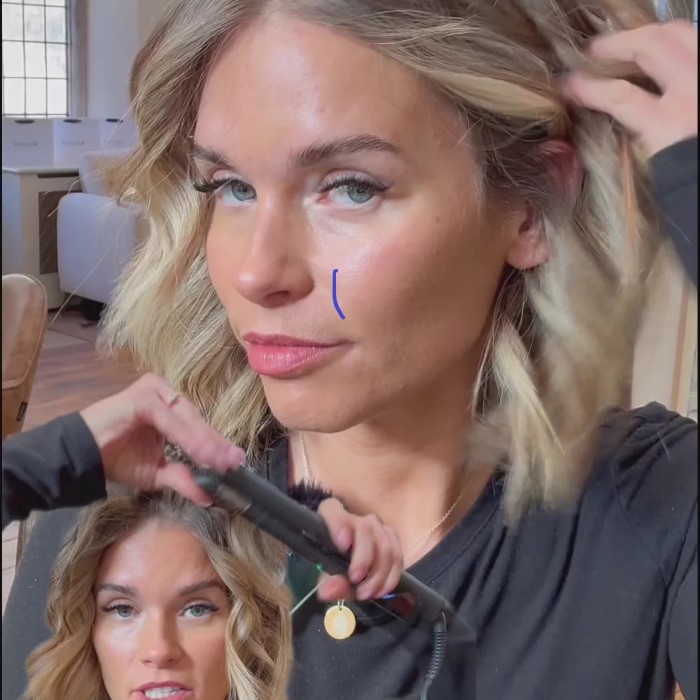
Stay away from excessive heat styling and harsh treatments. Limit blow-drying, flat ironing, and coloring as they weaken hair further. Proper product choices and gentle care reduce damage and support healthier hair during perimenopause.
Medical Treatments for Perimenopause-Related Hair Loss
Perimenopause-related hair loss can be challenging, but medical treatments can help. Proper treatment can slow or reduce hair loss. Consulting a healthcare expert is the first step to finding the best solution. Several medical approaches address the root causes of hair loss during perimenopause. These treatments often target hormonal imbalances and improve hair health. Understanding them helps in choosing the right option.
Hormone Replacement Therapy (HRT)
Hormone Replacement Therapy (HRT) is a common treatment for perimenopause symptoms, including hair loss. HRT works by replenishing low hormone levels, especially estrogen and progesterone. Maintaining hormone balance aids in restoring the hair growth cycle. This can reduce hair thinning and shedding over time.
HRT is available in the form of pills, patches, creams, or gels. It is crucial to use HRT under a doctor’s supervision. They usually perform tests to tailor the treatment to your specific needs. However, HRT may not suit everyone due to possible risks. It’s important to discuss with a healthcare provider to weigh the benefits and risks.
Medications and Topical Treatments
Medications and topical treatments provide another option for managing hair loss in perimenopause. Minoxidil, an FDA-approved topical solution, is widely used. It can stimulate hair growth and slow hair thinning. Applying it consistently ensures better results over time.
Another option is oral medications like spironolactone. This medication helps regulate hormones and can improve hair strength. It is particularly effective in addressing hormone-related hair loss. However, it requires a prescription and medical guidance.
Some women may also benefit from corticosteroid creams or injections. These are used for specific types of hair loss caused by inflammation. Consulting a dermatologist for these treatments is essential.
If traditional treatments don’t show results, you may consider advanced options like platelet-rich plasma (PRP) therapy. This involves using your blood plasma to stimulate hair growth. PRP treatments can strengthen hair follicles and promote regrowth effectively.
Medical treatments require consistency and patience. Results might take a few months to show. Always follow your doctor’s advice for the best outcomes when treating perimenopause-related hair loss.
Natural Remedies for Hair Loss During Perimenopause
Natural remedies can effectively support hair health during perimenopause. They aim to nourish the scalp and enhance hair strength. Lifestyle changes and herbal supplements are two beneficial approaches.
Lifestyle Changes to Support Hair Health
Implementing certain lifestyle changes can promote healthier hair. These habits work to reduce hair loss and improve overall well-being.
- Manage Stress: High stress levels disrupt hormone balance, causing hair shedding. Practice yoga, meditation, or deep breathing. Regular physical activity, like walking or swimming, also reduces stress.
- Adequate Sleep: Quality sleep supports hormone regulation, crucial during perimenopause. Aim for 7-8 hours nightly. A consistent sleep schedule helps your body manage changes more effectively.
- Healthy Diet: Eat a diet rich in fruits, vegetables, whole grains, and lean proteins. Include foods with vitamins like biotin, zinc, and iron for stronger hair.
- Hydration: Drink plenty of water to keep your scalp moisturized. Proper hydration improves both skin and hair health.
- Avoid Harsh Treatments: Minimize heat styling and chemical treatments that can weaken your hair. Opt for air-drying and natural hairstyles.
Consistent self-care practices can improve hair texture and reduce hair loss significantly. Small adjustments lead to long-term benefits.
Herbal and Natural Supplements
Herbal remedies and supplements can complement lifestyle changes. They provide essential nutrients and stimulate hair growth effectively.
- Saw Palmetto: This herb blocks DHT, a hormone linked to hair thinning in women. It can improve hair thickness.
- Aloe Vera: Aloe vera soothes the scalp and reduces inflammation. It also supports hair follicle health.
- Essential Oils: Massage your scalp with oils like rosemary, peppermint, or lavender. These improve blood circulation and hair follicle growth.
- Omega-3 Fatty Acids: Found in fish or flaxseeds, these improve scalp health and reduce dryness.
- Ginseng: Known for boosting hair growth, ginseng supports stronger and healthier strands.
While natural supplements are helpful, consult a healthcare provider before starting any herbal treatments. Their guidance ensures safe and effective use.
Natural remedies, when combined with a healthy lifestyle, effectively reduce hair loss. They nurture your scalp and promote hair health during perimenopause.
When to Seek Professional Help for Hair Loss
Hair loss during perimenopause can be distressing for many women. While some hair loss is manageable with home remedies and lifestyle changes, there are instances when professional help becomes necessary. Seeking expert advice at the right time can prevent further hair loss and promote better hair health.
Consulting a Dermatologist or Trichologist
If you notice significant hair thinning or bald patches, consult a specialist. Dermatologists and trichologists are experts in diagnosing and treating hair and scalp conditions. They can identify underlying causes and recommend suitable treatments.
A dermatologist is trained to address medical conditions affecting the skin and scalp. They can run tests to check hormonal imbalances, infections, or nutritional deficiencies. This is essential for understanding whether the hair loss is due to perimenopause or other health issues.
A trichologist specializes in scalp and hair health. They can focus on your specific hair concerns, offering tailored solutions. Trichologists often suggest specialized treatments, including scalp therapies or customized care products.
Seeking help early leads to better outcomes. Professional guidance ensures you receive effective and safe treatment options.
Diagnosis and Tailored Treatment Plans
A detailed diagnosis is crucial for addressing hair loss properly. Specialists may conduct tests to uncover the root cause of hair loss. Blood tests often check hormone levels, vitamin deficiencies, or thyroid function. A thorough scalp examination identifies patterns and types of hair loss.
Based on the findings, they develop tailored treatment plans. These plans may include medical, topical, or natural remedies. For example, treatments like Minoxidil or prescription medications may be recommended to stimulate hair growth. Hormone Replacement Therapy could be suggested in severe hormonal imbalance cases.
Customized solutions ensure better results. They can target your specific hair loss issues effectively. Regular follow-ups with a specialist track the treatment’s progress. Adjustments to the plan can be made if needed.
Professional help ensures your hair is cared for in the best way during perimenopause. Don’t delay seeking assistance if symptoms worsen or persist. Early intervention makes it easier to manage and recover from hair loss.
Preventing Hair Loss in the Long-Term
Does perimenopause cause hair loss? Taking proactive measures can help prevent hair loss during perimenopause. By adopting sustainable practices and paying attention to overall health, you can maintain stronger, healthier hair over time. Here are key strategies to prevent long-term hair loss:
Healthy Habits for Hair Maintenance
Healthy hair requires consistent care and good habits. Following these practices can protect your hair:
- Maintain a Balanced Diet: Consume nutrient-rich foods like fruits, vegetables, whole grains, and lean protein. Include sources of essential vitamins such as biotin, iron, zinc, and omega-3 fatty acids.
- Stay Hydrated: Drink plenty of water daily to keep your scalp and hair hydrated. Scalp hydration boosts hair health.
- Protect Hair from Damage: Avoid excessive heat styling or harsh chemical treatments. Use heat protectants when using hot tools.
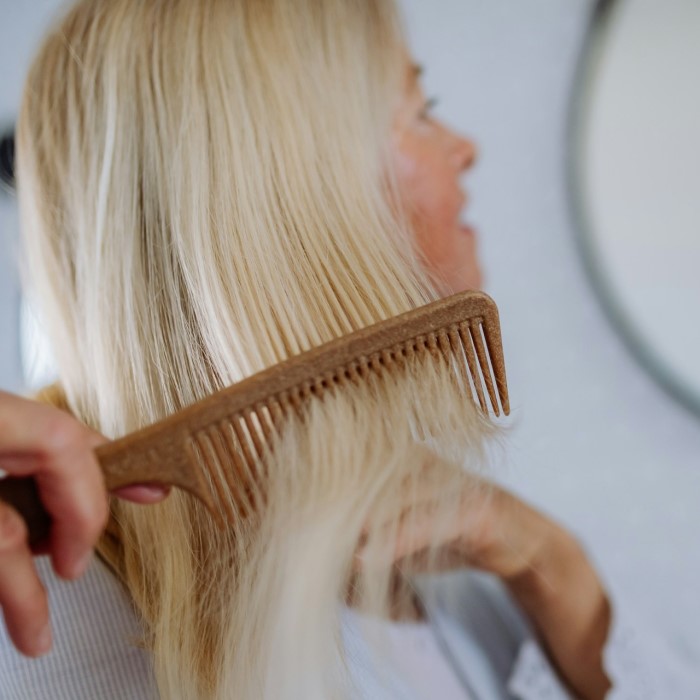
- Gentle Hair Care: Use a wide-tooth comb to detangle wet hair. Avoid tight hairstyles that stress your scalp.
- Massage Your Scalp: Gently massage your scalp with essential oils. This improves blood circulation and stimulates hair follicles.
- Regular Washing: Use mild shampoos and conditioners suited for your hair type. Avoid products with sulfates and parabens.
By committing to these habits, you can nurture your hair and minimize long-term damage.
Importance of Regular Health Check-Ups
Does perimenopause cause hair loss? Routine health check-ups are crucial for early detection of underlying issues contributing to hair loss. Here’s why they matter:
- Monitor Hormonal Levels: Check estrogen, testosterone, thyroid, and other hormones regularly. Imbalances often lead to hair loss.
- Identify Nutritional Deficiencies: Blood tests can uncover low levels of vitamins or minerals crucial for hair health.
- Detect Early Signs of Hair Issues: Regular scalp assessments can reveal conditions like dandruff or alopecia, ensuring timely treatment.
- Consult with Professionals: Build a relationship with a trusted dermatologist or trichologist. Seek advice on preventive care and effective treatments.
- Track Your Progress: Regular visits help track how well your hair responds to treatment and lifestyle changes.
Ensuring overall health contributes to maintaining vibrant hair. Regular health check-ups complement proactive hair care strategies for long-term benefits.
Incorporating healthy habits and tracking your health can strengthen your hair during perimenopause. Prevention and timely action are key to feeling confident and maintaining beautiful, healthy hair.
Conclusion: Understanding Your Hair Health
In conclusion, the question of does perimenopause cause hair loss is complex and multifaceted. Hormonal changes, lifestyle factors, and emotional stress all contribute to hair changes during this stage. Knowing that solutions exist can empower women to take charge of their hair health. By seeking medical advice, maintaining a balanced diet, and managing stress, women can navigate this challenging time and support their hair health effectively. Embracing the changes that come with perimenopause, rather than fearing them, can lead to a more positive outlook on this transformative life stage.