Understanding: Does Sertraline Cause Hair Loss or Growth?
Contents
hide
Introduction to Sertraline and Hair Concerns
Sertraline, a widely prescribed selective serotonin reuptake inhibitor (SSRI), is primarily used to treat depression, anxiety disorders, and obsessive-compulsive disorder (OCD). However, many patients have raised questions regarding the potential side effects of sertraline, particularly concerning hair. Specifically, one of the most common inquiries is, “Does sertraline cause hair loss or hair growth?” Understanding the relationship between sertraline and hair is essential for those currently on the medication or considering it as a treatment option.
In this article, we will delve into the existing research, user testimonials, and expert opinions regarding the impact of sertraline on hair. This comprehensive guide aims to clarify the often-confusing landscape surrounding this topic, providing valuable insights for individuals concerned about potential hair-related side effects.
What is Sertraline and How Does It Work?
Sertraline is a prescription medication often used to treat mental health conditions. It belongs to a group of drugs called selective serotonin reuptake inhibitors (SSRIs). These drugs help balance serotonin levels in the brain. Serotonin is a neurotransmitter that plays a key role in mood regulation. By increasing serotonin activity, sertraline promotes emotional stability and improves mental health.
Overview of Sertraline
Sertraline is one of the most widely prescribed antidepressants globally. It is used to manage various psychological disorders, including depression and anxiety. Patients typically take sertraline once daily, either in pill or liquid form. It works by preventing the reabsorption of serotonin in the brain. This enhances communication between brain cells and boosts mood and energy levels. Many patients notice its effects within a few weeks after starting treatment.

Common Uses and Benefits of Sertraline
Sertraline is commonly prescribed for treating conditions like major depressive disorder and panic disorder. It is also effective in managing social anxiety and obsessive-compulsive disorder (OCD). For people with post-traumatic stress disorder (PTSD), sertraline can reduce anxiety and improve sleep. In addition, it helps stabilize emotions for individuals with premenstrual dysphoric disorder (PMDD). Patients often report improved focus and reduced intrusive thoughts when using this medication.
Sertraline offers significant benefits for mental health improvement. Unlike other medications, it has minimal sedative effects, allowing users to stay alert. Furthermore, it is considered safe for long-term use, provided it is monitored by a doctor. However, like all medications, sertraline may cause side effects, and a healthcare provider should guide its usage.
How Common is Hair Loss as a Side Effect?
Does sertraline cause hair? Hair loss is not among the most reported side effects of Sertraline. However, it may occur in certain individuals. While it is relatively uncommon, understanding its likelihood can help users manage expectations.
Frequency of Hair Loss in Sertraline Users
Hair loss as a side effect of Sertraline is rare. Most patients do not experience it. When it does occur, it is typically mild and temporary. Reports suggest hair loss affects a very small percentage of users. The chance of experiencing hair loss can depend on individual factors, such as age, genetics, and overall health. Monitoring changes during treatment can help detect any hair issues early.
Clinical Studies on Sertraline-Induced Hair Loss
Clinical studies show that hair loss is not a primary concern for Sertraline users. Investigations into its side effects focus more on mood changes, headaches, and nausea. Hair loss cases linked to Sertraline often arise from anecdotal evidence rather than controlled trials. Research suggests medication-induced hair loss may stem from stressors related to mental health treatment. Further studies are needed to explore the connection between Sertraline and hair growth.
Possible Reasons for Hair Loss on Sertraline
Hair loss can be distressing, but understanding the reasons helps in managing expectations.
Impact of Sertraline on Hair Growth Cycle
Sertraline may influence the hair growth cycle indirectly. The cycle includes three stages: growth (anagen), transition (catagen), and rest/shedding (telogen). Disruption in these stages can lead to hair loss. Stress or chemical changes from Sertraline might prematurely push hair into the shedding phase. This phenomenon is called telogen effluvium, and it often results in temporary hair thinning.
Medication can affect the scalp’s blood flow and nutrient supply. Reduced circulation may weaken hair follicles, causing shedding. Sertraline’s effect on hormones like serotonin also plays a role. Serotonin impacts overall health, including skin and hair quality. Altered serotonin activity may indirectly impact hair growth rates or density.
Other Contributing Factors to Hair Loss
Individual factors sometimes amplify hair loss while taking Sertraline. Genetics play a significant role; hereditary conditions like androgenetic alopecia increase susceptibility. Stress impacts overall health and may further deteriorate hair quality. Mental health disorders themselves, including depression and anxiety, often cause physical stress affecting the hair growth cycle.
Nutrient deficiencies can contribute as well. Essential vitamins like Biotin, B12, and Iron promote healthy hair. Poor diet during mental health treatment may exacerbate hair fall. Patients prone to scalp conditions such as dandruff or dermatitis may notice worsening symptoms.
The interaction between Sertraline and other drugs can lead to side effects like hair loss. Certain medications, including those for thyroid or hormone regulation, may cause additional strain on hair growth processes. Effective management requires identifying these contributing factors early and addressing them with medical or nutritional support.
Comparing Sertraline with Other Antidepressants
Does sertraline cause hair? Understanding how Sertraline stacks up against other antidepressants is important. Different medications carry varying side effects, including hair loss.
Hair Loss Risks Associated with Other SSRIs
Selective serotonin reuptake inhibitors (SSRIs) are a popular class of antidepressants. Most SSRIs, like Fluoxetine, Paroxetine, and Citalopram, can cause side effects. Hair loss is a less common but possible side effect. Similar to Sertraline, these medications may interfere with the hair growth cycle. They could push hair prematurely into the shedding phase, resulting in temporary thinning.
However, not everyone experiences hair loss with SSRIs. The chances depend on factors like genetics, stress, and health conditions. Among the SSRIs, some may present higher risks for hair loss than others. Paroxetine, for instance, has been noted in some reports for its association with hair thinning. Such differences emphasize the importance of personalizing treatment plans.
How Sertraline Measures Up to Alternatives
Sertraline generally fares well compared to other SSRIs when considering hair loss risks. Clinical studies often find hair loss from Sertraline is rare and usually mild. This makes it a favorable choice for individuals worried about this side effect.
When compared to non-SSRI antidepressants, such as tricyclic antidepressants or monoamine oxidase inhibitors (MAOIs), Sertraline appears safer. These older drug classes are more likely to cause severe side effects, including long-term hair issues. Moreover, non-SSRI medications may interact with multiple body systems, increasing the overall risk of side effects.
In conclusion, Sertraline offers an effective treatment with a relatively low risk of hair loss. However, individual responses to medications differ. Regular communication with healthcare providers ensures proper monitoring and minimizes unwanted side effects. Proper evaluation helps determine the best antidepressant based on specific needs and health conditions.
Recognizing Hair Loss Symptoms While on Sertraline
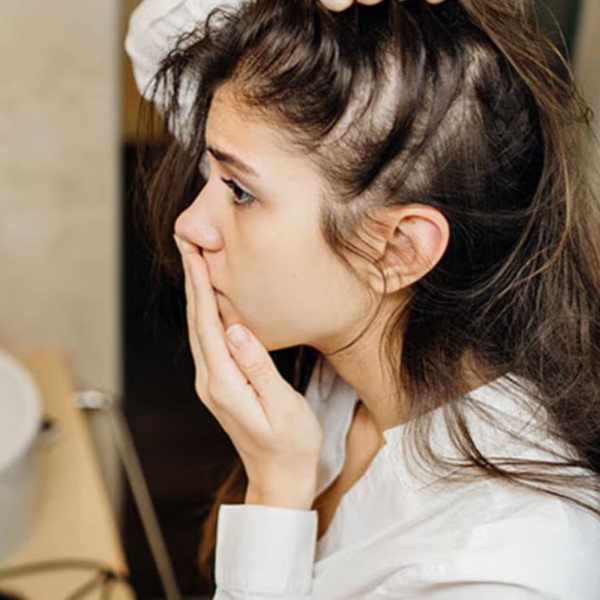
Hair loss can be a distressing experience. Knowing how to recognize its symptoms early is essential.
Identifying Early Signs of Hair Loss
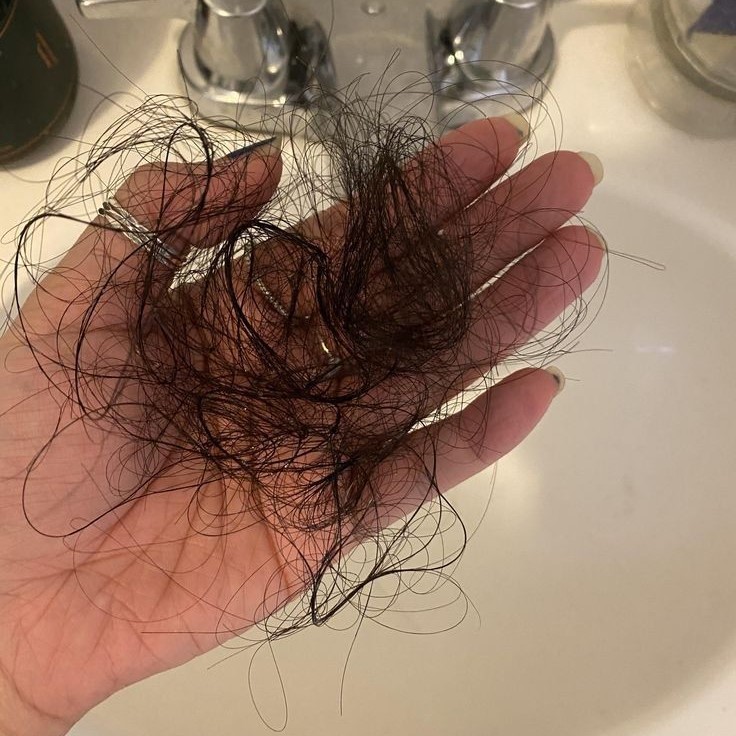
Spotting hair loss early can minimize impacts. Watch for unusual hair shedding in your daily routine. Excess hair in combs, pillows, or showers might signal a problem. Pay attention to patches of thinning hair or receding hairlines. Notice changes in overall hair volume or density. Early signs may include brittle or weak strands prone to breakage. Identifying these symptoms allows you to act before it worsens.
Distinguishing Medication-Related Hair Loss from Other Causes
Differentiating hair loss sources is crucial. Hair loss might stem from genetic factors or scalp conditions. Consider whether changes started after Sertraline use began. Medication-induced hair loss might occur within weeks of starting treatment. Check for worsening symptoms linked to mental health stress or nutrient deficiencies. Other medications, like thyroid drugs, may also aggravate hair loss. Consulting a healthcare provider can help determine the exact cause and guide solutions.
Should You Stop Taking Sertraline if Hair Loss Occurs?
Hair loss can be upsetting, but it’s vital to approach it cautiously. Abruptly stopping Sertraline can worsen your mental health. Understanding steps to address hair loss without risking mental stability is essential.
Importance of Consulting Your Doctor
If you notice hair loss while on Sertraline, reach out to your doctor promptly. They can assess whether the medication is causing the issue. Describe the onset of symptoms and any related changes. Physicians consider multiple factors like stress or genetics during evaluation.
Stopping Sertraline without medical advice can lead to withdrawal symptoms. These may include dizziness, irritability, or sleep problems. Your doctor may recommend adjusting the dose or switching to another antidepressant. A gradual reduction ensures minimal disruption to your mental health.
Consulting a dermatologist can also help identify hair loss causes. Scalp conditions or nutrient deficiencies might worsen symptoms. Proper diagnosis guides effective treatment options tailored to your needs.
Alternative Treatments and Adjustments
Doctors can suggest alternatives if Sertraline is confirmed to cause hair loss. Switching to another SSRI with a lower hair loss risk might be an option. Medications like Escitalopram or Citalopram may suit some individuals better.
Non-SSRI antidepressants like Bupropion could also be considered. These have different side-effect profiles and may not affect hair as much. Always discuss potential risks and benefits with your doctor before changing treatments.
In some cases, doctors may introduce supplements to support hair health. Vitamins like Biotin, Iron, and Zinc are essential for strong, healthy hair. Improving your diet can also boost hair growth.
Stress management techniques are another helpful adjustment. Practices like yoga or meditation can reduce stress-related hair thinning. Combining these approaches with medical guidance ensures a balanced plan for mental and physical health.
Tips to Manage and Prevent Hair Loss
Managing and preventing hair loss can seem challenging, but specific steps can help. By making purposeful adjustments to your diet, lifestyle, and hair care routine, you can improve your hair health. These measures are especially important if you suspect sertraline could be influencing your hair loss.
Dietary and Lifestyle Modifications
A balanced diet is crucial for maintaining strong and healthy hair. Include foods rich in essential vitamins and minerals like iron, zinc, vitamin D, and biotin. Leafy greens, nuts, fish, eggs, and whole grains are excellent options. These nutrients strengthen hair follicles and promote growth.
Drink plenty of water to keep your hair hydrated and prevent dryness. Aim for at least eight glasses a day to ensure overall hydration.
Regular physical activity is also essential. Exercise improves blood circulation, including to the scalp, stimulating hair follicles. Activities like yoga and meditation are beneficial for managing stress, which can reduce stress-related hair loss.
Avoid smoking and limit alcohol consumption as they can negatively affect hair health. These habits may reduce blood flow and the availability of nutrients to the scalp.
Monitor your mental health closely. Seek therapy or counseling if you experience high stress or anxiety levels. Addressing mental health issues can indirectly improve hair health.
Hair Care Practices for Healthier Hair
Proper hair care can prevent breakage and promote stronger strands. Use a gentle, sulfate-free shampoo suitable for your hair type. Avoid washing your hair with extremely hot water, as it can dry out the scalp.
Condition your hair regularly to maintain moisture and reduce the risk of breakage. Choose conditioners with natural oils like argan oil or coconut oil.
Avoid excessive use of heat tools like straighteners, curling irons, and blow dryers. If necessary, use a heat protectant to minimize damage.
Be gentle when brushing or styling your hair. Use a wide-tooth comb to detangle your hair without breaking it. Tight hairstyles can strain hair follicles and lead to hair loss, so opt for looser styles when possible.
Massaging your scalp daily can improve blood flow and stimulate hair growth. Consider using essential oils, such as rosemary or peppermint oil, during massage.
Lastly, protect your hair from harsh environmental factors. Wearing a hat in extreme sunlight or wind can safeguard your hair and scalp.
By incorporating these dietary, lifestyle, and hair care practices, you can create a supportive environment for healthier, fuller hair.
FAQs About Sertraline and Hair Loss
Common Concerns and Misconceptions
Many people ask if Sertraline leads to severe hair loss. Hair loss is a rare side effect. The majority of users do not report hair thinning or shedding caused by this medication. Some mistakenly believe all antidepressants cause hair loss, which is not always true. Hair loss often has multiple causes, including stress, genetics, or other health conditions.
Another misconception is that stopping Sertraline will immediately stop hair loss. Abruptly stopping the medication can worsen mental health and lead to withdrawal symptoms. Hair that is lost during treatment might regrow once the treatment has stopped, but results can vary.
People also worry about permanent hair damage from Sertraline. In most cases, hair loss is temporary and resolves after normalizing the hair growth cycle. Proper hair care and lifestyle adjustments can help speed up recovery.
Expert Advice on Hair Loss and Antidepressants
Experts recommend consulting your doctor if you notice hair loss while using Sertraline. A thorough health evaluation helps identify whether the medication is responsible. Your doctor may adjust the dosage or recommend an alternative medication.
Dermatologists can also help determine other potential causes. Conditions like scalp issues or nutritional deficiencies may contribute to hair loss. Treating underlying problems can make a significant difference.
Experts suggest adopting stress management techniques like meditation and exercise. Lower stress levels help stabilize the hair growth cycle and prevent further shedding. Incorporating foods rich in vitamins and minerals into your diet also improves hair health.
Lastly, professionals urge users to avoid self-diagnosis and medication changes. Always consult qualified healthcare providers for support and personalized treatment plans.
Conclusion: Understanding Sertraline’s Impact on Hair
In conclusion, the question “Does sertraline cause hair loss or growth?” remains nuanced. While some users report hair loss, others experience unexpected growth. The research currently available is limited, and the effects can vary significantly from person to person.
If you are concerned about changes in your hair while taking sertraline, it’s essential to consult your healthcare provider. By exploring individual experiences and considering professional advice, you can make informed decisions about your medication and overall hair health. Taking proactive steps to manage side effects and utilizing support resources can enhance your quality of life throughout treatment.