Does Gabapentin Cause Hair Loss? What You Need to Learn
Introduction: Understanding Gabapentin
Gabapentin is a widely prescribed medication used to manage nerve pain, epilepsy, and other conditions. While effective for many, concerns often arise about its side effects. One question that frequently surfaces among patients is, does gabapentin cause hair loss? This concern prompts individuals to seek clarity and reassurance regarding their treatments. In this article, we will examine the relationship between gabapentin and potential hair loss, explore underlying mechanisms, and discuss practical tips for those affected.
What is Gabapentin?
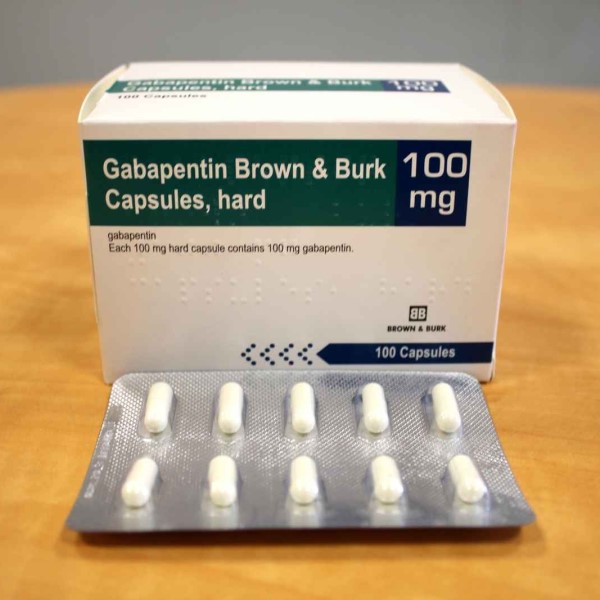
Gabapentin is a prescription medication primarily used to treat neurological conditions. It works by affecting nerve signals, providing relief from specific types of pain and discomfort. Understanding its purpose and uses can help you better grasp its impact on the body.
Overview and Uses of Gabapentin
Gabapentin belongs to a class of drugs known as anticonvulsants. Its main function is to calm overactive nerves, which helps to manage certain medical conditions. Initially approved to treat epilepsy, Gabapentin is now commonly prescribed for nerve pain associated with conditions like shingles or diabetic neuropathy. Doctors also use it to address anxiety, restless leg syndrome, and migraines in specific cases.
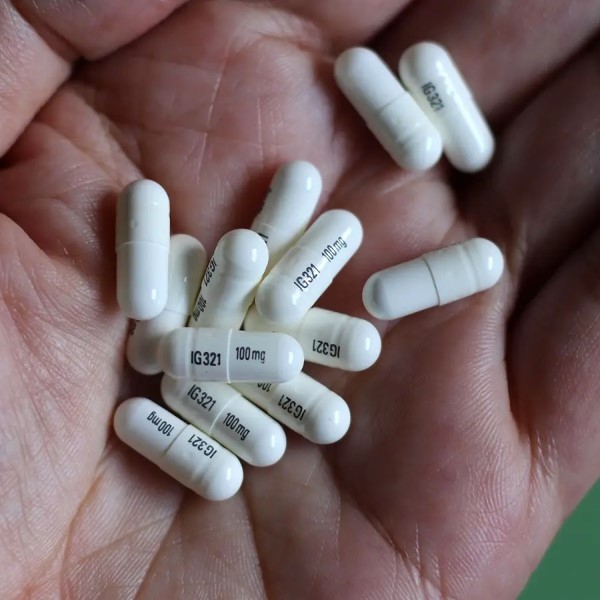
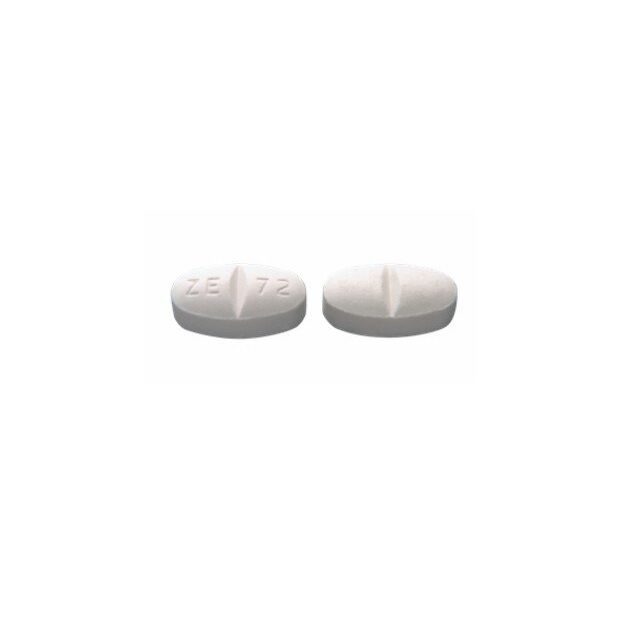
This medication is taken orally, usually in the form of tablets or capsules. Your dosage depends on your medical condition and how well your body responds to the treatment. While Gabapentin is effective for many patients, understanding its uses can empower you to monitor its effects on your health.
Conditions Treated with Gabapentin
Gabapentin is widely prescribed for the following conditions:
- Epilepsy: Helps to control partial seizures by stabilizing electrical activity in the brain.
- Nerve Pain: Reduces pain stemming from damaged nerves due to shingles or diabetes.
- Fibromyalgia: Offers relief from widespread musculoskeletal pain associated with this disorder.
- Restless Leg Syndrome: Alleviates the uncomfortable sensation in the legs, especially at night.
- Anxiety Disorders: Occasionally used to manage symptoms of anxiety in specific cases.
- Migraines: Used off-label to prevent chronic migraines for some individuals.
Its versatility makes Gabapentin a common choice for patients experiencing these conditions. However, it’s essential to consult your healthcare provider to determine if Gabapentin is suitable for you.
Potential Side Effects of Gabapentin
Does gabapentin cause hair loss? Gabapentin, while effective for treating various conditions, may cause side effects. Awareness of these effects is vital for patients using this medication. Side effects can range from mild and common to rare and more severe. Understanding these potential reactions can help users manage them effectively.
Common Side Effects
- Drowsiness and Fatigue: Gabapentin often causes tiredness or excessive sleepiness in patients.
- Dizziness: A feeling of lightheadedness is common, especially during the initial treatment phase.
- Coordination Issues: Some users experience difficulty with balance or coordination while on Gabapentin.
- Weight Gain: Increased appetite may lead to weight gain in some individuals.
- Dry Mouth: Many users report a persistent dry or sticky sensation in the mouth.
- Nausea: Some patients experience mild stomach upset or nausea.
These side effects are typically mild and manageable. However, it is recommended to consult your doctor if they persist or worsen.
Rare Side Effects
- Mood Changes: Gabapentin may cause anxiety, depression, or mood swings in rare instances.
- Swelling of Extremities: Occasionally, swelling is observed in the hands, feet, or lower legs.
- Breathing Difficulties: Trouble breathing or wheezing has been reported in rare cases.
- Severe Skin Reactions: Rashes, itching, or severe skin reactions can occur but are infrequent.
- Memory Loss or Confusion: Some users may find their memory or mental clarity affected.
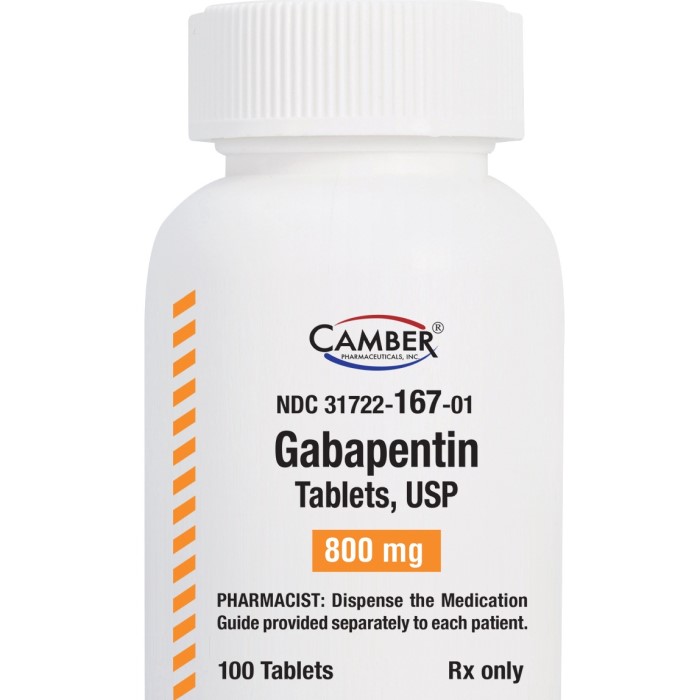
If you experience rare and severe side effects, seek medical advice immediately. Monitoring your health and reporting changes to your doctor are important while using Gabapentin. This helps ensure timely intervention and the best outcome for your treatment.
Can Gabapentin Cause Hair Loss?
Gabapentin is widely used to treat various ailments, but it can sometimes raise concerns about potential side effects. One of these concerns is whether gabapentin can lead to hair loss. While there isn’t a straightforward answer, exploring scientific studies and anecdotal evidence can provide more clarity.
Scientific Studies on Gabapentin and Hair Loss
Scientific studies on gabapentin and hair loss are limited. Hair loss is not commonly listed as one of gabapentin’s primary side effects. However, in rare cases, some medications can contribute to hair thinning or loss.
Medical research does not point to gabapentin as a significant cause of hair loss in most users. Clinical trials and official drug information do not highlight hair loss as a frequent reaction. This suggests that if it does happen, it could be an uncommon or indirect result of other factors such as medication interactions or underlying health issues.
Occasional case reports have noted hair loss as a potential adverse reaction. More research is necessary to establish a clear link between gabapentin and hair loss.
Anecdotal Reports from Gabapentin Users
In online forums and patient communities, some gabapentin users have reported experiencing hair loss. These personal experiences vary greatly between individuals. Many users claim they noticed hair thinning or increased shedding after starting the medication.
It’s essential to approach these accounts with caution. Different factors, such as stress, age, or other medications, could contribute to hair loss rather than gabapentin itself. Furthermore, not every user experiences this side effect.
If you are using gabapentin and notice hair loss, consult your healthcare provider. They can evaluate your condition, identify possible causes, and guide you toward an appropriate course of action.
Factors That May Contribute to Hair Loss
Does gabapentin cause hair loss? Hair loss can occur due to many factors. Understanding these can help pinpoint the root cause.
Age and Genetics
Age and genetic makeup are major factors in hair loss. As people age, their hair may naturally thin or fall out. Genetics can play a significant role, influencing patterns and severity of hair loss.
For example, male or female pattern baldness is often inherited. This form of hair loss typically follows a predictable pattern, such as a receding hairline or thinning at the crown.
If you have a family history of baldness, you may have a greater chance of experiencing it. However, the extent and onset can vary from person to person.
Medication Interaction
Certain medications, including gabapentin, might contribute to hair loss. While not a common side effect of gabapentin, it’s possible in rare cases. Medications like blood thinners or chemotherapy drugs are more frequently linked to hair loss.
Combining multiple medications can also cause adverse reactions, including hair thinning or shedding. Always review potential side effects when starting a new treatment. Work closely with your healthcare provider if you suspect a medication is affecting your hair.
Stress and Lifestyle Factors
Stress significantly affects overall health and hair growth. High levels of stress can lead to hair shedding or trigger conditions like telogen effluvium.
Lifestyle habits such as poor nutrition, lack of sleep, or excessive alcohol use may also harm hair health. Diets low in essential nutrients like iron, protein, or vitamins can result in weaker, thinner hair.
Additionally, harsh hair treatments or styles that pull on the hair can lead to damage and increased hair loss over time.
In some cases, a combination of these factors might contribute to noticeable hair loss. Identifying and addressing these underlying causes is crucial for managing hair health while on medications like gabapentin.
Managing Hair Loss While Using Gabapentin
Experiencing hair loss while taking gabapentin can be both confusing and concerning. Since hair loss is a possible, though rare, side effect of gabapentin, managing it requires a proactive approach. Here are some steps to address and manage hair loss effectively while continuing your medication.
Consult Your Healthcare Provider
- Discuss Symptoms Early: Inform your doctor if you notice unusual hair loss or thinning. Early intervention can prevent further complications.
- Review Your Medication: Share a detailed list of all medications you are taking. This helps identify possible interactions.
- Explore Alternatives: Ask if switching to a different medication can manage your condition without contributing to hair loss.
- Adjust Dosage Carefully: Never change or stop your medication without consulting your doctor, as this could worsen your condition.
Possible Treatment Options
- Topical Solutions: Products like minoxidil may help address hair thinning and promote regrowth. Consult your doctor before use.
- Nutritional Supplements: Explore supplements rich in biotin, iron, and vitamins that support healthy hair growth.
- Medicated Shampoos: Use doctor-recommended shampoos specifically designed to reduce hair loss.
- Medical Treatments: In severe cases, inquire about advanced options like platelet-rich plasma (PRP) therapy.
Lifestyle Adjustments for Hair Health
- Maintain a Balanced Diet: Ensure your meals include protein, vitamins, and iron for strong and healthy hair.
- Stay Hydrated: Drink plenty of water daily to support overall health and hair vitality.
- Reduce Stress: Practice relaxation techniques like yoga, meditation, or deep breathing to lower stress levels.
- Be Gentle with Your Hair: Avoid harsh treatments, tight hairstyles, and regular use of heat styling tools.
- Get Enough Rest: Aim for 7-9 hours of quality sleep per night to promote overall well-being.
By consulting your healthcare provider and making positive lifestyle changes, you can actively manage hair loss. Staying informed and addressing the issue early can ensure you maintain both your health and confidence.

Alternative Medications to Gabapentin
If gabapentin is causing unwanted side effects like hair loss, alternative medications are worth exploring. Several options exist that can effectively treat similar conditions while minimizing side effects.
Options for Similar Conditions
- Pregabalin: Often used to manage nerve pain, seizures, and anxiety disorders. It functions similarly to gabapentin by calming overactive nerves.
- Topiramate: Commonly prescribed to prevent migraines and treat seizures. It may be a suitable alternative for migraine sufferers.
- Duloxetine: An antidepressant and pain reliever effective for fibromyalgia, anxiety, and diabetic neuropathy.
- Amitriptyline: A tricyclic antidepressant used for nerve pain and migraines. It can help with insomnia and anxiety.
- Carbamazepine: Effective for seizures and nerve pain, as well as mood stabilization.
Each medication has a unique profile of benefits and potential side effects. A healthcare provider can guide you on the best alternative medication, considering your condition and medical history.
Risks and Benefits of Switching Medications
Switching medications requires careful consideration. It’s essential to weigh risks against potential benefits:
Potential Benefits:
- Fewer Side Effects: Alternative medications may not cause hair loss, helping you maintain your hair health.
- Better Symptom Management: Some drugs may better align with your condition and provide more effective relief.
- Improved Overall Comfort: Reduced side effects contribute to better quality of life during treatment.
Potential Risks:
- Adverse Reactions: Switching medications may introduce new side effects or worsen existing symptoms.
- Effectiveness Variability: The new drug might not work as well as gabapentin for your condition.
- Adjustment Period: Your body might need time to adapt, potentially causing temporary discomfort or withdrawal symptoms.
Consult Your Doctor:
- Discuss all potential options with your healthcare provider.
- Review your medical history and current medications.
- Follow their guidance to ensure a safe transition.
Switching from gabapentin to an alternative can be a solution to manage side effects like hair loss. However, professional medical advice is essential for choosing the right path forward.
When to Seek Medical Advice
Hair loss can be influenced by various factors, including underlying health conditions and medications. If you’re using gabapentin and notice significant changes in your hair health, understanding when to seek medical advice is crucial.
Identifying Severe Hair Loss
- Excessive Shedding: If you notice large amounts of hair falling out daily, seek advice.
- Sudden Patches of Baldness: Unexplained bald patches may signal an underlying issue needing urgent attention.
- Thinning Across the Scalp: Visible scalp or sudden thinning of hair requires consultation.
- Pain or Scalp Changes: Itching, redness, or tenderness on the scalp along with hair loss necessitates medical evaluation.
- Unresponsive to Lifestyle Changes: If dietary or lifestyle changes don’t stop hair loss, it’s time to consult an expert.
Recognizing these signs early is vital to preventing further hair damage.
What to Discuss with Your Doctor
- Medication Review: Provide a list of all medications you are taking, including supplements.
- Describe Symptoms: Share details about your hair loss, such as patterns, timing, and severity.
- Health Conditions: Inform your doctor about any recent illnesses or hormonal changes.
- Possible Allergies: Mention any allergies or reactions to drugs that may contribute to hair loss.
- Family History: Discuss genetic factors if pattern hair loss runs in your family.
Your healthcare provider may recommend tests, adjust dosages, or offer alternative treatments. They can help identify whether gabapentin or any other medication impacts your hair growth. Early medical intervention is essential for managing severe hair loss effectively.
Conclusion: Insights into Gabapentin and Hair Health
In conclusion, the question of does gabapentin cause hair loss remains complex. While anecdotes suggest a potential link, scientific evidence is limited. Gabapentin’s side effects may indirectly contribute to hair loss, but further research is necessary to establish definitive connections.
For those experiencing hair loss while on gabapentin, consider consulting with a healthcare professional to explore potential solutions. Nutritional support, stress management, and alternative medications can offer viable paths for individuals navigating this concern. Ultimately, maintaining open communication with healthcare providers is key to juggling effective treatment while addressing hair health.
If you are taking gabapentin and worried about its effects, remember you are not alone. Many have raised similar questions. Analyzing individual experiences and seeking professional advice will help you navigate your health journey with confidence.