Does Nizoral Cause Hair Loss? Insights and Expert Opinions
Introduction to Nizoral and Hair Loss Concerns
When it comes to managing dandruff and other scalp conditions, many people turn to products like Nizoral. Commonly prescribed or recommended by dermatologists, Nizoral contains the active ingredient ketoconazole, which is an antifungal agent. This leads to the question: Does Nizoral cause hair loss? Understanding the relationship between Nizoral and hair loss requires a thorough examination of its properties, side effects, and expert insights.
What is Nizoral?
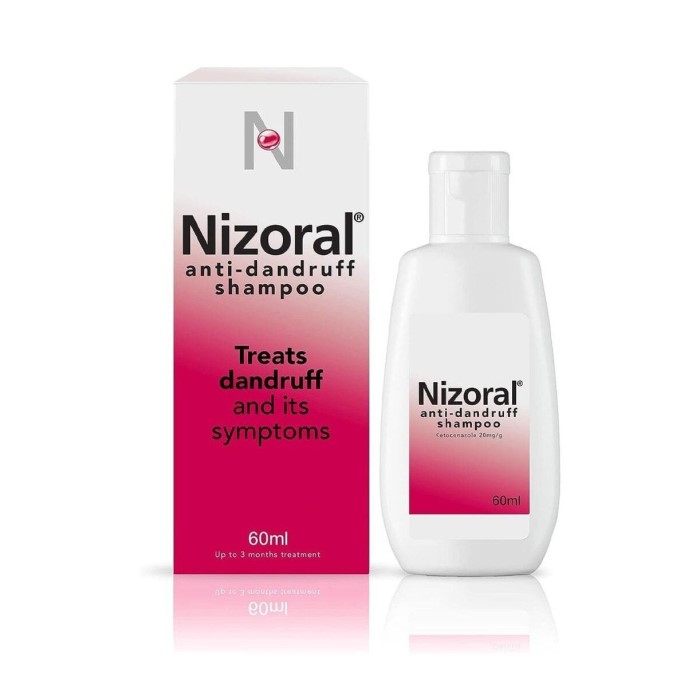
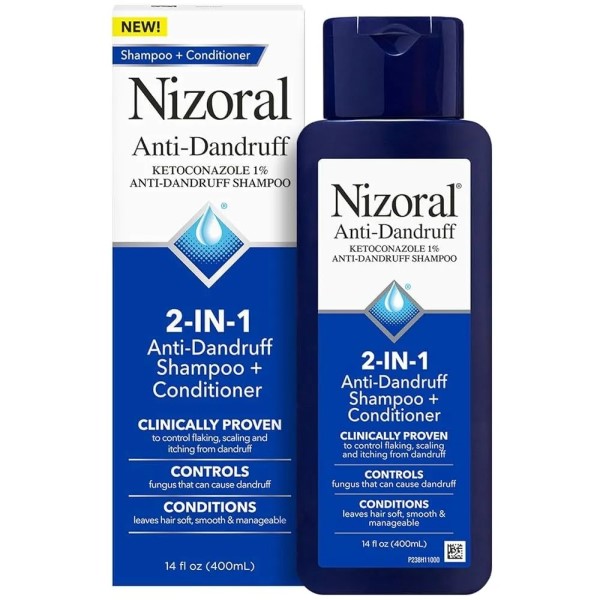
Nizoral is a popular medicated shampoo used for treating various scalp conditions. It is widely recognized for its antifungal and anti-inflammatory properties. Nizoral is often recommended by healthcare professionals for its ability to address specific scalp issues, providing both therapeutic and cosmetic benefits.
Overview of Nizoral as a medicated shampoo
Nizoral contains active ingredients designed to target and treat fungal infections and other scalp problems. It is commonly available over-the-counter and in prescription-strength formulations. Many people use Nizoral to control dandruff and relieve itchy, flaky scalps. Its medicated formula helps cleanse the scalp while alleviating irritation and redness.
This shampoo is often recommended for its broad-spectrum antifungal activity. It can effectively treat conditions like seborrheic dermatitis and other fungal-related scalp disorders. For users with sensitive scalps, Nizoral provides a clinical solution that can help improve scalp health without causing excessive dryness.
Key ingredients in Nizoral and their functionality
The main ingredient in Nizoral is ketoconazole, a powerful antifungal agent. Ketoconazole works by targeting and disrupting the cell membranes of fungi, effectively preventing their growth. This action addresses the root cause of scalp issues such as dandruff and seborrheic dermatitis.
In addition to ketoconazole, Nizoral also contains conditioning agents that help maintain scalp moisture. These ingredients ensure that the shampoo is not overly harsh on the scalp. Some versions of Nizoral may also contain fragrance and other cosmetic components to improve odor and texture.
Overall, the carefully selected ingredients in Nizoral work together to manage scalp problems while promoting healthier hair conditions. By reducing fungal activity and improving overall scalp health, Nizoral can be a beneficial part of a hair care routine.
Common Uses of Nizoral
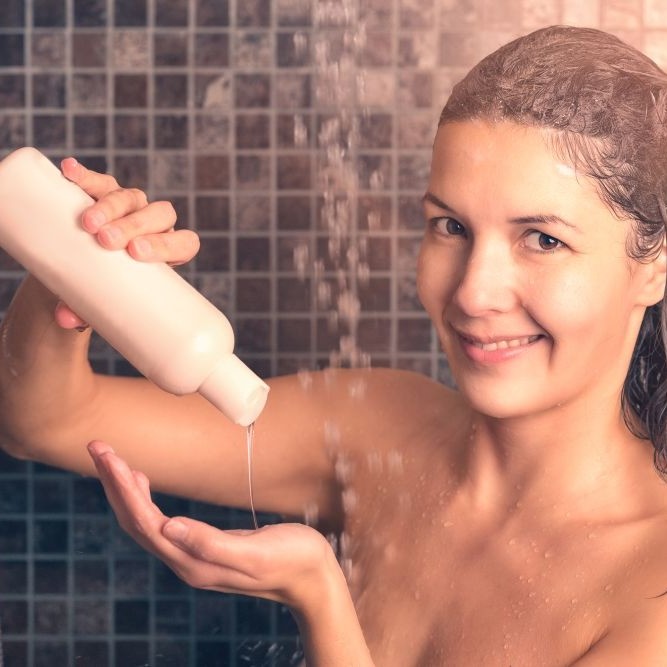
Does nizoral cause hair loss? Nizoral is widely used to manage various scalp conditions. Its active ingredient, ketoconazole, makes it effective for treating fungal-related problems. Below are two common applications of Nizoral.
Treating dandruff and seborrheic dermatitis
Nizoral is often utilized to control dandruff symptoms. Its antifungal properties reduce the growth of microbes causing flakiness. Regular use can alleviate redness, itching, and irritation associated with dandruff.
Additionally, Nizoral targets seborrheic dermatitis, a scalp condition leading to excessive flaking and inflammation. By addressing the fungal activity, the shampoo helps reduce unpleasant symptoms, improving scalp health overall. Users often find relief after consistent application as part of their hair care regimen.
Managing fungal infections of the scalp
Nizoral is effective against various fungal infections. The ketoconazole in Nizoral disrupts fungal cell membranes, stopping their growth and spread. This functionality makes it a popular choice for treating fungal-related scalp disorders.
Conditions like tinea capitis, commonly known as scalp ringworm, can be managed with Nizoral. Its antifungal activity helps eliminate the infection and prevents recurrence over time.
For persistent or severe infections, healthcare providers may recommend prescription-strength formulations of Nizoral. By targeting the root cause of these issues, the shampoo promotes a healthier scalp environment and supports hair vitality.

The Connection Between Nizoral and Hair Loss
Nizoral is widely recognized for its effectiveness in treating scalp issues. However, concerns about its potential link to hair loss are common. Understanding this connection can help users make informed decisions about incorporating Nizoral into their hair care routines.
Can Nizoral cause hair loss? Examining claims
There is limited evidence to suggest that Nizoral directly causes hair loss. Hair shedding, though, may occur in some users during the initial weeks of use. This is often a temporary effect as the scalp adjusts to the treatment.
The primary purpose of Nizoral is to treat fungal-related scalp issues like dandruff and seborrheic dermatitis. It reduces inflammation and fungal growth, both of which can indirectly improve hair health. However, some users report hair thinning or shedding, which might be due to individual sensitivities or specific underlying conditions like androgenetic alopecia.
It is essential to differentiate between inevitable hair shedding and the benefits of treating scalp conditions. Shedding can occur because the scalp is clearing weak or damaged hair to make way for healthier growth. Persistent or excessive shedding should be examined by a dermatologist to identify potential underlying causes.
How ketoconazole impacts the scalp and hair follicles
The active ingredient in Nizoral, ketoconazole, plays a crucial role in its effects on the scalp. Ketoconazole combats fungi and reduces scalp inflammation by disrupting the cell membranes of fungal organisms. This decreases irritation and fosters a healthier environment for hair growth.
Research also suggests that ketoconazole may impact hair loss connected to androgenetic alopecia. The compound is thought to reduce the effects of dihydrotestosterone (DHT), a hormone linked to hair thinning. By minimizing DHT on the scalp, ketoconazole may help slow down hair loss and promote the thickness of existing hair.
Despite its potential benefits, ketoconazole must be used as directed to prevent adverse effects. Overuse can lead to dryness or irritation, which might weaken hair strands and cause breakage. To ensure a safe experience, follow product instructions and monitor for any unusual scalp reactions.
In summary, while Nizoral could cause temporary hair shedding, its benefits for scalp health may help improve hair vitality over time. Always consult a medical professional if concerned about hair loss or adverse effects.
Potential Side Effects of Nizoral
Nizoral is effective for treating scalp conditions, but like all products, it may cause side effects. Being aware of these can help users use it more cautiously and responsibly.
Common side effects reported by users
Some users report mild side effects while using Nizoral. These effects are usually temporary and fade quickly. Common side effects may include:
- Dryness or itchiness of the scalp due to the active ingredients.
- Skin irritation such as redness or a burning sensation after use.
- Altered hair texture, which may cause hair to feel dry or brittle.
- Unusual scalp sensitivity when applied more frequently than recommended.
These issues are generally minor and might happen as the scalp adjusts to the shampoo. Ensuring proper application and avoiding overuse can mitigate these effects. Always follow the label instructions to minimize discomfort.
Rare but serious reactions to Nizoral
In some instances, users might experience more severe side effects. Although uncommon, these may include:
- Severe allergic reactions, including hives, swelling, or difficulty breathing.
- Excessive hair shedding that does not improve over time.
- Skin peeling or blistering on the application site.
- Changes in hair color in rare cases, especially in dyed or chemically treated hair.
If these reactions occur, users must discontinue Nizoral immediately and seek medical advice. Severe side effects can indicate an allergy or another underlying health issue.
While Nizoral is generally safe, monitoring for side effects is important. Mild side effects are common, but they usually improve with time or proper application. For serious reactions, consult a dermatologist immediately. By using Nizoral as directed, users can safely manage their scalp conditions while minimizing unwanted effects.
Benefits of Nizoral for Hair Health
Nizoral offers more than just relief from scalp issues; it can benefit hair health too. By addressing fungal infections and reducing inflammation, Nizoral contributes to a balanced scalp environment. A healthy scalp is essential for optimal hair growth and maintenance. Let’s explore how Nizoral promotes hair health.
Promoting hair growth and reducing thinning
Nizoral’s active ingredient, ketoconazole, may help with hair growth and thinning. Research suggests that ketoconazole can minimize the effects of dihydrotestosterone (DHT). DHT is a hormone often linked to hair follicle miniaturization in conditions like androgenetic alopecia. By lowering DHT levels on the scalp, Nizoral supports healthier and stronger hair growth.
Using Nizoral shampoo as part of your hair care regimen may also help stimulate dormant hair follicles. It works by improving blood circulation to the scalp after reducing inflammation. Proper blood flow carries essential nutrients to hair follicles, promoting new hair growth.
Moreover, the removal of fungal infections and excess sebum can unclog hair follicles. This creates a better surface for hair to grow thick and strong. By actively fighting the root causes of poor hair health, Nizoral provides a foundation for a more vibrant appearance. Overall, consistent use of Nizoral shampoo as directed can notably improve hair vitality.
Balancing scalp health for optimal hair condition
Healthy hair starts with a balanced and clean scalp. Nizoral cleanses the scalp by removing debris, excess oil, and fungi. This reduces itchiness and irritation while creating a hospitable environment for hair growth.
Its anti-inflammatory properties help soothe the scalp, lowering redness and swelling. These benefits prevent further damage to hair follicles caused by untreated inflammation. A less irritated scalp can lead to a reduction in hair thinning over time.
The conditioning agents in Nizoral help lock in moisture, ensuring the scalp does not get overly dry. Moisturized hair and a balanced scalp are crucial for maintaining hair that is less prone to breakage. Additionally, the product’s ability to manage dandruff and seborrheic dermatitis prevents persistent flaking, which can otherwise damage hair roots.
In conclusion, Nizoral is a valuable tool for promoting hair health. It not only treats fungal conditions and irritation but also fosters an environment conducive to strong hair growth. By using Nizoral correctly, you can effectively manage scalp issues while improving overall hair quality and strength.
Tips for Safely Using Nizoral
Using Nizoral effectively ensures you experience its benefits while minimizing risks of side effects. It requires proper application and adherence to recommended guidelines for safe use. Here are some practical tips to help you utilize Nizoral shampoo safely.
Recommended frequency of use
- Start with using Nizoral twice a week. This frequency allows your scalp to adjust.
- For milder conditions, you may use it once a week, as instructed by the label.
- Avoid excessive use, as it can lead to dryness or irritation.
- Always follow directions provided by your healthcare professional or based on product recommendations.
Consistency in Nizoral use is key to seeing results. However, stick to the prescribed frequency for safety and effectiveness.
Precautions to minimize risks of irritation or hair loss
- Patch test the shampoo: Apply a small amount on your skin before using it fully. This helps check any allergic reactions.
- Avoid using other medicated shampoos: Combining products can lead to over-drying or irritation of the scalp.
- Apply the shampoo correctly: Use an adequate amount and gently massage it into your scalp. Avoid rubbing excessively.
- Rinse thoroughly: Make sure no residue is left on your scalp or hair.
- Monitor for side effects: Stop using the shampoo if you notice excessive dryness, redness, or hair shedding.
- Use as directed: Overuse of Nizoral can stress your hair follicles and lead to hair breakage.
- Protect dyed or treated hair: Be cautious, as Nizoral may interact with hair treatments. Consult your stylist for advice.
To maximize safety, pair Nizoral with a conditioner. This maintains moisture and prevents dryness. Drinking enough water also contributes to scalp hydration.
Before starting Nizoral, consult with a dermatologist. They can recommend specific use guidelines tailored to your scalp condition. Taking these precautions ensures a safe and beneficial experience while using Nizoral shampoo.
Alternative Treatments for Hair and Scalp Conditions
If Nizoral doesn’t suit you or you’re exploring other options, several alternatives are available. These treatments target scalp health and may help address issues like dandruff and hair loss.
Other medicated shampoos for similar conditions
- Selsun Blue: Contains selenium sulfide, which reduces dandruff by slowing down the growth of yeast.
- Helps manage conditions like seborrheic dermatitis.
- Use twice a week for best results.
- T/Gel by Neutrogena: Features coal tar that soothes inflammation and slows skin cell overproduction.
- Effective for psoriasis and severe dandruff.
- Provides long-lasting relief from itching and flaking.
- Head & Shoulders Clinical Strength: Includes 1% selenium sulfide to tackle tough dandruff.
- Reduces scalp itch and flakes with regular use.
- Conditions the hair for a softer texture.
- Loprox (Ciclopirox Shampoo): A prescription shampoo designed to treat fungal infections.
- Targets fungi and yeast that cause dandruff.
- Recommended for more severe or resistant cases.
Before using new medicated shampoos, consult a doctor. They can suggest the best product for your condition.
Natural remedies for improving scalp health
- Aloe vera gel: A natural moisturizer that soothes scalp irritation and reduces inflammation.
- Apply fresh aloe vera gel directly to the scalp.
- Leave it on for 20 minutes before rinsing off.
- Tea tree oil: Known for its antifungal and antibacterial properties.
- Mix a few drops of tea tree oil with a carrier oil.
- Massage gently into the scalp and wash after 10 minutes.
- Apple cider vinegar rinse: Balances scalp pH and removes buildup.
- Mix equal parts of water and apple cider vinegar.
- Rinse hair and scalp with the mixture after shampooing.
- Coconut oil: Has hydrating and antimicrobial properties.
- Massage warm coconut oil into the scalp.
- Leave it overnight and wash in the morning.
- Green tea rinse: Contains antioxidants that promote scalp health.
- Brew green tea and cool it down.
- Rinse your scalp with it during your shower.
Simple lifestyle changes, like eating a balanced diet and staying hydrated, also promote scalp health. Avoid harsh chemicals and shampoos that strip natural oils. Regular care and choosing the right products can improve your scalp’s condition and overall hair health.
Conclusion: Nizoral and Hair Loss Revisited
In conclusion, the question does Nizoral cause hair loss has been explored and analyzed throughout this article. Evidence suggests that Nizoral is generally safe for users and should not cause hair loss when used properly. The benefits of the shampoo in treating dandruff and maintaining a healthy scalp often outweigh the concerns that some may have.
If you notice any adverse effects when using Nizoral, consult a healthcare professional for personalized advice. Remember to prioritize scalp health through a well-rounded hair care routine. By doing so, you’ll not only combat dandruff effectively but also promote fuller, healthier hair.