Does Hair Removal Cream Cause Ingrown Hairs? Find Out Now!
Introduction: Hair Removal and Skin Health
The quest for smooth, hair-free skin has led many individuals to explore various hair removal methods. Among these options, hair removal creams have become increasingly popular due to their convenience and effectiveness. However, a common concern surrounding these products is the question: “Does hair removal cream cause ingrown hairs?” Understanding the relationship between hair removal creams and ingrown hairs is essential for making informed decisions about hair removal methods. This article will delve into the effects of hair removal creams, addressing myths, causes of ingrown hairs, and prevention strategies to help you achieve your desired results without undesired side effects.
What Are Ingrown Hairs?
Definition and Characteristics
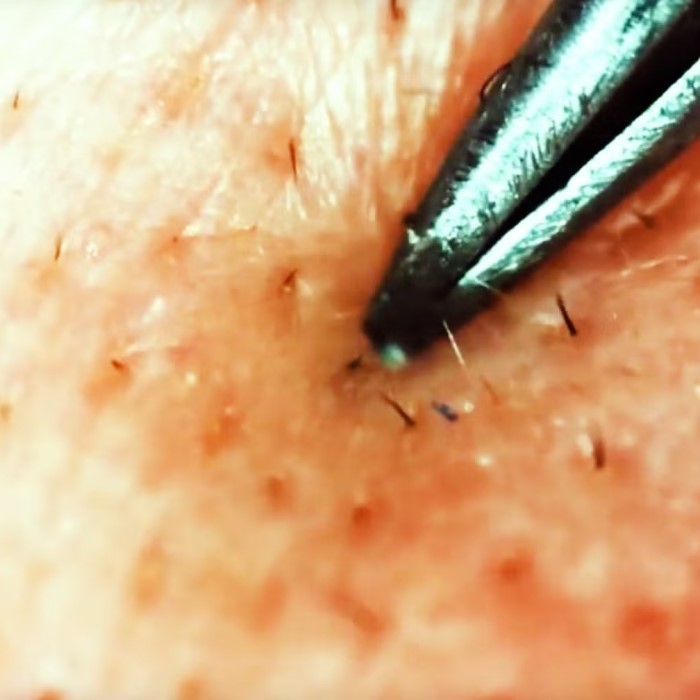
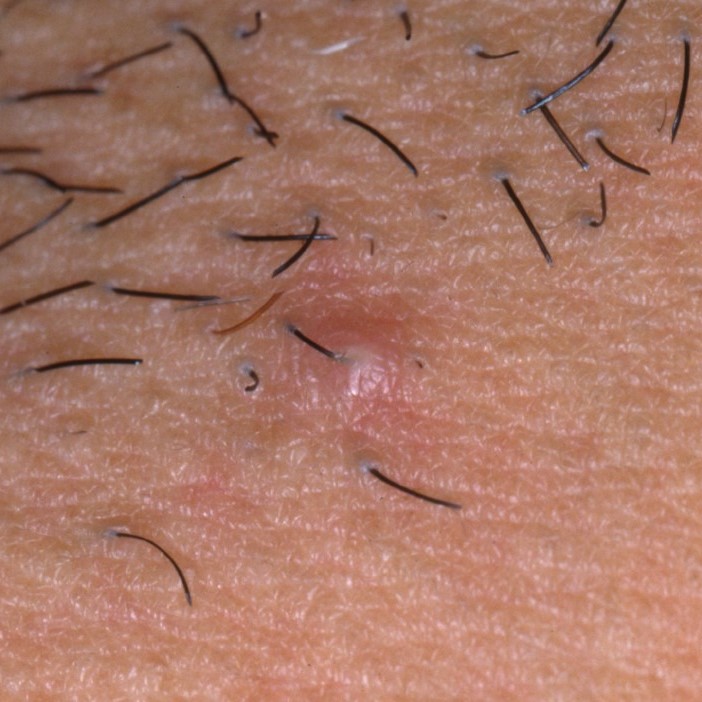
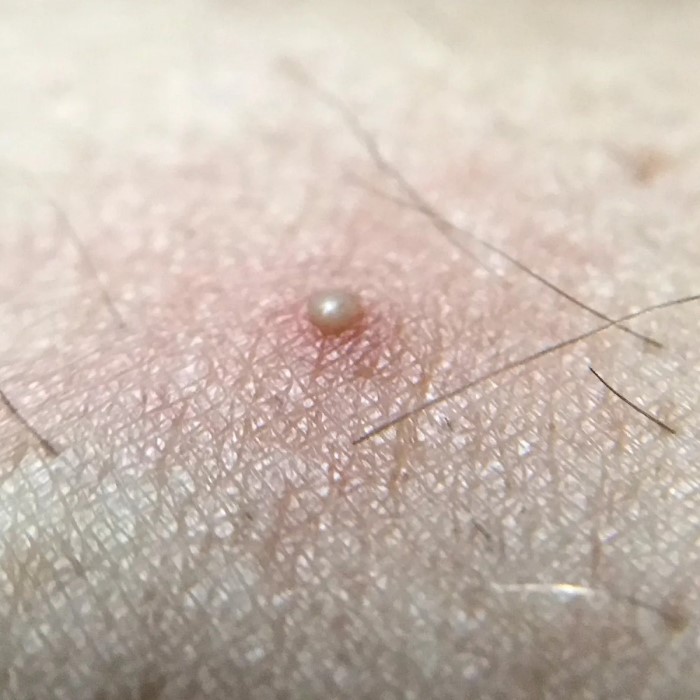
- Understanding Ingrown Hairs: Does hair removal cream cause ingrown hairs? Ingrown hairs occur when a hair grows back into the skin instead of outward, leading to irritation, redness, and sometimes infection. This condition often develops in areas where hair is frequently removed, such as the legs, bikini line, and underarms.
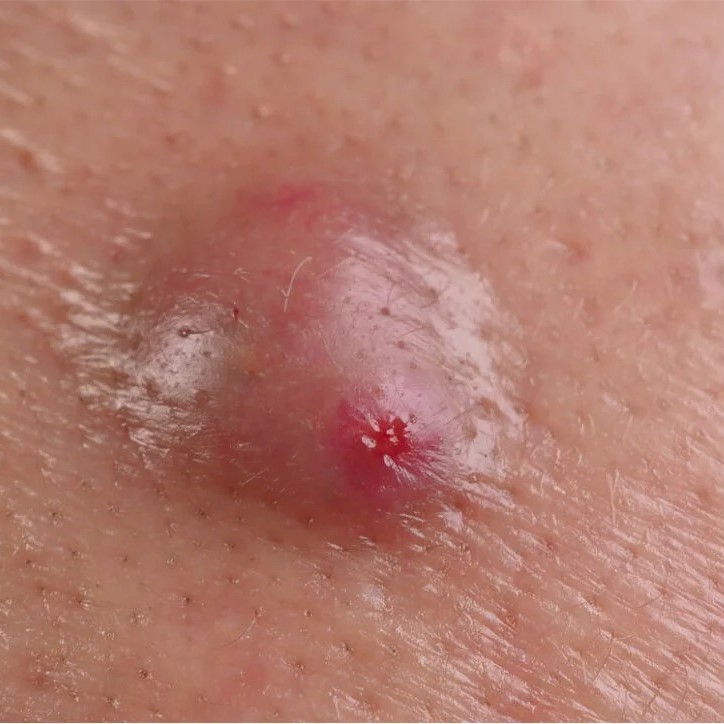
- Symptoms of Ingrown Hairs: Common symptoms include small, raised bump-like spots on the skin, pain, and tenderness. In some cases, ingrown hairs may become infected, leading to further complications that require medical attention.
Common Causes
- Hair Removal Techniques: Various hair removal methods can contribute to the development of ingrown hairs. Shaving, tweezing, and waxing can disturb the natural growth pattern of hair and lead to ingrown hairs if not performed correctly.
- Hair Texture and Growth Pattern: Individuals with curly or coarse hair are more prone to developing ingrown hairs. The natural curvature of the hair can cause it to re-enter the skin, especially if the hair is cut too short.
Understanding Hair Removal Creams
How Hair Removal Creams Function
- Chemical Composition: Hair removal creams, also known as depilatories, contain active ingredients that dissolve the protein structure of hair. Common chemicals include calcium thioglycolate and potassium thioglycolate, which break down hair at the skin’s surface, allowing for easy removal.
- Application Process: Users apply the cream to the desired area and leave it for a specified time before wiping it away. This method differs significantly from shaving and waxing, which physically remove hair.
Benefits of Hair Removal Creams
- Convenience: Hair removal creams deliver a fast and easy alternative for people who want to eliminate unwanted hair. Individuals can quickly apply these creams and achieve smooth skin without the complications associated with traditional shaving or waxing methods. This allows users to save time and avoid the mess often seen in other hair removal techniques.
- Ease of Use: Applying hair removal cream is a simple process that requires very little effort or specific expertise. Users can easily follow the instructions, making it accessible for anyone, regardless of their experience with other hair removal approaches. This straightforward application helps users feel confident and empowered to manage their hair removal routine effectively.
- Pain-Free Experience: Hair removal creams work by breaking down hair at the skin’s surface instead of pulling it out from the root, which means they offer a comfortable experience. This results in significantly less discomfort compared to waxing, where pulling hair from the root can cause pain. Users can enjoy a smoother outcome without enduring the typical agony associated with other hair removal techniques.
Does Hair Removal Cream Cause Ingrown Hairs?
The Direct Connection
- Temporary Skin Reactions: Does hair removal cream cause ingrown hairs? While hair removal creams do not directly cause ingrown hairs, they may lead to temporary skin reactions. Chemical irritation from the cream can inflame hair follicles, potentially contributing to hair growth complications, including ingrown hairs.
- Hair Density Post-Application: After using hair removal cream, the hair may grow back more quickly or unevenly. If the hair grows back too short or at an angle, it may be more likely to curve and become trapped beneath the skin.
Mitigating Risks
Choose the Right Product:
- Select a hair removal cream specifically formulated for sensitive skin.
- Look for products that emphasize sensitivity reduction to ensure greater compatibility with delicate areas of the body.
- Read ingredient labels carefully to avoid harsh chemicals that may irritate sensitive skin.
- Consider opting for hypoallergenic or dermatologically tested options to further decrease the risk of adverse reactions.
Proper Application Techniques:
- Follow the manufacturer’s instructions meticulously to ensure safe and effective use of the product.
- Measure the recommended amount of cream accurately to avoid overapplication.
- Set a timer to ensure you do not leave the cream on longer than the specified duration, as this can lead to skin irritation.
- Conduct a patch test on a small area of skin before full application to check for any immediate reactions.
- After application, rinse the cream off thoroughly to remove any remaining product, which could cause irritation if left on the skin.
Preventing Ingrown Hairs After Using Hair Removal Cream
Best Practices for Application
Conduct a Patch Test:
-
- Before applying any hair removal cream, choose a small area of skin, such as your inner forearm or behind the ear.
- Apply a small amount of the cream to this spot and wait for 24 to 48 hours.
- Observe the area for any signs of redness, itching, or swelling.
- If you notice any adverse reactions, discontinue use to prevent potential allergic responses on larger skin areas.
Exfoliate Regularly:
-
- Incorporate regular exfoliation into your skincare routine to enhance skin health.
- Use physical exfoliants like scrubs or chemical exfoliants containing ingredients like alpha hydroxy acids (AHAs) or beta hydroxy acids (BHAs).
- Focus on areas where you plan to remove hair to clear away dead skin cells that may clog hair follicles.
- Aim to exfoliate at least once or twice a week to maintain smooth skin and reduce the chances of developing ingrown hairs over time.
Moisturize After Use:
-
- After you apply the hair removal cream, immediately follow up with a soothing moisturizer.
- Choose a gentle, hydrating formula that contains aloe vera, shea butter, or other skin-nourishing ingredients.
- Massage the moisturizer into the skin to ensure good absorption and hydration.
- By keeping the skin well-moisturized, you decrease its susceptibility to irritation and help prevent the formation of ingrown hairs, which contributes to overall skin health.
Additional Prevention Strategies
- Avoid Tight Clothing: Wearing loose-fitting clothes after hair removal can prevent friction and irritation. Tight clothing can exacerbate the risk of developing ingrown hairs in sensitive areas.
- Give Hair Time to Grow: Allow hair to grow slightly before using hair removal methods again. This approach ensures that hair has a straight path out of the follicle, reducing the chances of becoming ingrown.
Long-Term Hair Removal Strategies
Consider Laser Hair Removal:
- Many individuals experience the frustration of frequent ingrown hairs.
- Laser hair removal emerges as a promising solution for these individuals.
- This procedure functions by targeting and destroying hair follicles.
- As a result, it leads to long-term reduction of hair growth, significantly minimizing the occurrence of ingrown hairs.
Consult a Dermatologist:
- If you find that ingrown hairs continue to be a problem or result in considerable discomfort, taking action is essential.
- Consulting with a dermatologist can provide valuable guidance tailored to your specific needs.
- Dermatologists have the expertise to recommend effective treatments that address your skin issues.
- They can also suggest preventative strategies to help reduce the likelihood of ingrown hairs in the future, ensuring your skincare regimen is optimized for your skin type.
FAQ Section
Can you get ingrown hairs from hair removal cream?
While hair removal cream does not directly cause ingrown hairs, improper use and skin irritation may lead to clogged hair follicles, which can result in ingrown hairs.
What are the disadvantages of using hair removal cream?
Potential disadvantages include skin irritation, allergic reactions, chemical burns when improperly used, and the possibility of developing ingrown hairs.
What happens if you leave hair removal cream on too long?
Leaving hair removal cream on longer than recommended can cause skin irritation, chemical burns, or excessive dryness, increasing the risk of ingrown hairs.
What causes bumps after using hair removal cream?
Bumps following the use of hair removal cream may result from irritation, allergic reactions, or the development of ingrown hairs. Proper application and post-care can help prevent these issues.
Conclusion: Understanding Risks and Making Informed Choices
In conclusion, the question of “Does hair removal cream cause ingrown hairs?” involves understanding the broader context of hair removal methods and their relationship with skin health. While hair removal creams themselves do not directly cause ingrown hairs, improper use or skin irritation can lead to conditions that promote their occurrence.
To effectively mitigate these risks, individuals should:
- Choose products wisely: Opt for hair removal creams designed for their specific skin type.
- Follow best practices: Employ proper techniques for application and aftercare to minimize irritation.
As you navigate the various methods of hair removal, being informed empowers you to make choices that prioritize both smooth skin and skin health.