Managing Your Hair: Does Pregnancy Cause Hair Loss Over Time?
Introduction: Understanding Hair Changes During Pregnancy
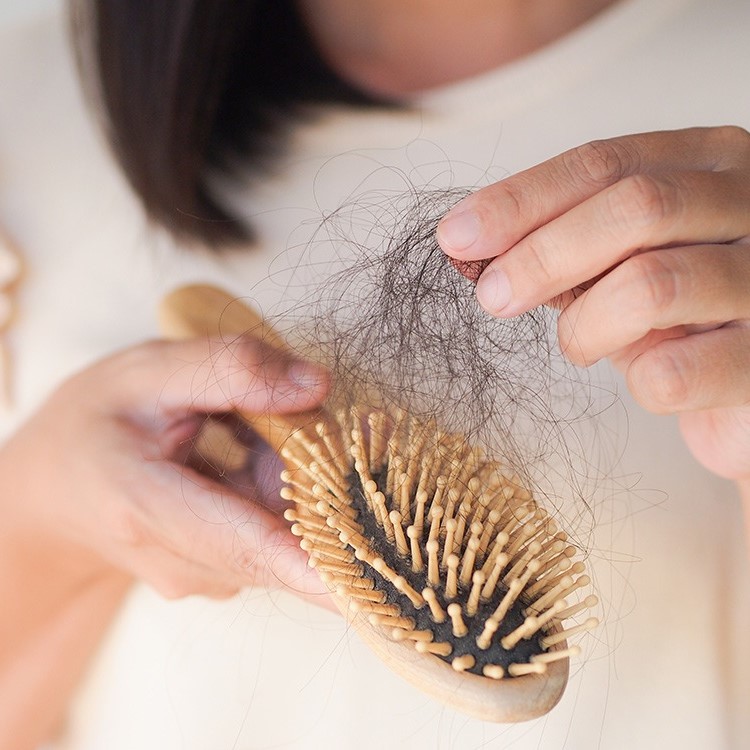
Pregnancy is a transformative time in a woman’s life, bringing about many physical and emotional changes. Among these changes, some women become concerned about whether does pregnancy cause hair loss. While it is common for some women to experience thickening hair during pregnancy, others may face challenges such as hair thinning or shedding. This can create confusion and anxiety for expectant mothers wondering if their hair will change during and after pregnancy.
In this article, we will delve deeper into the complexities of hair health during pregnancy, explore hormonal influences, and provide valuable insights and tips for managing hair care. We will also address commonly asked questions about hair loss and its relation to pregnancy, helping women navigate this aspect of their health during this significant life phase.
The Connection Between Pregnancy and Hormonal Changes
- Hormonal Surges and Hair Growth: Does pregnancy cause hair loss? Pregnancy triggers a significant increase in various hormones, notably estrogen. Higher estrogen levels prolong the anagen (growth) phase of the hair cycle, resulting in thicker and fuller hair for many women. This phase helps women retain more hair, which can lead to luscious locks during pregnancy.
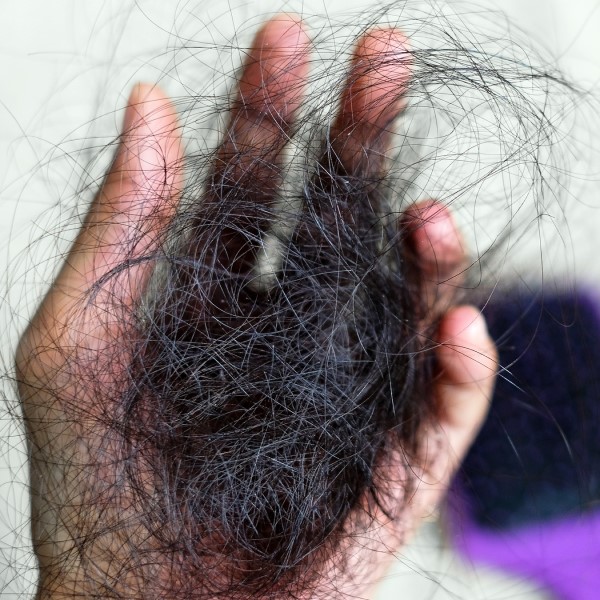
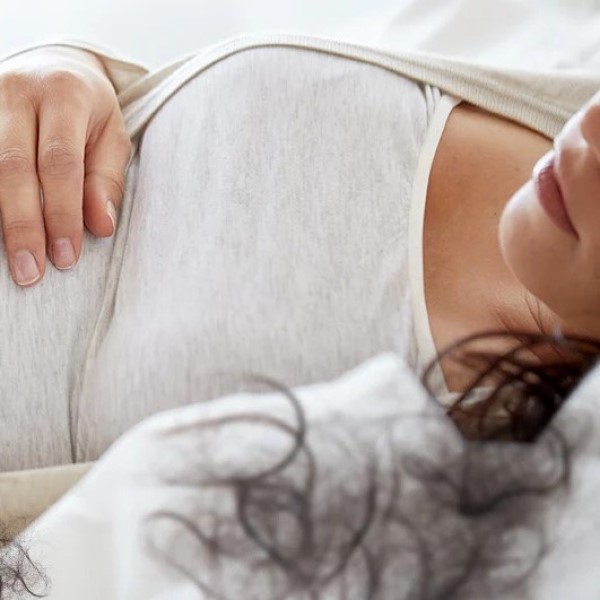
- Changes After Delivery: After childbirth, the hormone levels in a woman’s body will rapidly adjust, particularly as estrogen drops back down to pre-pregnancy levels. This shift often leads to a noticeable hair loss phenomenon known as telogen effluvium, which typically occurs three to six months after giving birth. Many women suddenly find their hair shedding more than usual during this time.
- Interplay of Other Hormones: In addition to estrogen, progesterone and other hormones can also impact hair growth. While most women enjoy the benefits during pregnancy, the aftermath can vary greatly from one individual to another, leading to potential confusion regarding hair health.
Common Misconceptions About Hair Loss During Pregnancy
- Not All Women Experience Hair Loss: Does pregnancy cause hair loss? One common myth is that hair loss is guaranteed for all pregnant women. In reality, experiences vary significantly. Some may enjoy thicker hair throughout their pregnancy, while others may not notice any changes or even fear losing hair. Recognizing this variability helps to temper expectations.
- Temporary Effects: Many women worry that the hair thinning experienced postpartum is permanent. In most cases, the hair will regrow over time; however, it can take several months to return to its typical volume. Understanding that this is a common occurrence can alleviate anxiety about permanent hair loss.
- Genetic Factors: Hair loss can also be influenced by genetics. Women with a family history of pattern baldness or hair thinning may be more prone to the effects of pregnancy-related hormonal changes. Genetic predisposition plays a critical role in determining how an individual’s hair responds throughout pregnancy and postpartum phases.
Managing Hair Health During Pregnancy
Tips for Maintaining Healthy Hair
Nutritional Support
- Importance of a Balanced Diet: A well-rounded and balanced diet is essential for supporting hair health during pregnancy, as it provides the necessary nutrients for both the mother and developing baby.
- Focus on Full-Spectrum Nutrition: Incorporate a wide variety of foods to ensure full-spectrum nutrition. This means including an array of vitamins and minerals known to promote healthy hair growth.
- Key Nutrients for Hair Health: Important vitamins and minerals for pregnant individuals include:
- Vitamin A: Supports healthy gland function and the production of sebum, promoting moisturized hair.
- Vitamin C: Aids in collagen production and helps absorb iron, both of which are vital for healthy hair.
- Vitamin D: Encourages hair follicle growth and may help prevent hair loss.
- Vitamin E: Acts as an antioxidant that can support scalp health and improve blood circulation.
- Iron: Essential for oxygen transport in the blood; its deficiency can lead to hair thinning.
- Zinc: Plays a role in hair tissue growth and repair, and also helps maintain the oil glands around hair follicles.
- Omega-3 Fatty Acids: Found in fatty fish and certain nuts, these nutrients are crucial for scalp health and can help reduce inflammation.
- Beneficial Foods: Include foods rich in these nutrients, such as:
- Leafy Greens: Spinach and kale are excellent sources of vitamins and minerals.
- Nuts and Seeds: Provide healthy fats, zinc, and vitamins important for hair health.
- Fish: Fatty fish like salmon and sardines are rich in omega-3 fatty acids.
- Lean Proteins: Chicken, turkey, and legumes support the body’s protein needs for hair growth.
Hydration
- Importance of Staying Hydrated: Proper hydration is essential for maintaining healthy hair and skin, especially during pregnancy when the body undergoes significant changes.
- Adequate Water Intake: Aim to drink sufficient water throughout the day. The recommended intake varies, but a general guideline is around 8 to 10 cups (2 to 2.5 liters) daily, adjusting for individual needs and activity levels.
- Increased Hydration Needs in Later Pregnancy: In the later stages of pregnancy, the body requires additional hydration to support increased blood volume and amniotic fluid levels, making it crucial to pay attention to water intake.
Gentle Hair Products
- Choosing Mild Hair Care Products: Select shampoos and conditioners that are gentle and specifically formulated for sensitive hair and scalp.
- Avoiding Harsh Ingredients: Look for products that are free from sulfates, parabens, and other harsh chemicals, as these can strip hair of its natural moisture and contribute to damage.
- Opt for Special Formulations: Products designed for color-treated or sensitive hair can be beneficial, as they are often more hydrating and less likely to cause irritation.
- Promoting Moisture Retention: Using conditioners and masks that focus on moisture retention helps keep hair healthy and hydrated, reducing the risk of dryness and breakage.
Avoid Heat and Stress
- Limiting Heat Styling Tools: It’s advisable to reduce the use of heat styling tools, such as blow dryers, curling irons, and straighteners, during pregnancy. Heat can lead to excessive dryness and damage, especially with the hormonal changes that may affect hair.
- Avoiding Harsh Treatments: Stay away from chemical treatments like bleaching, perms, or relaxers, as these can compromise the integrity of hair and lead to additional stress on the hair follicles.
- Importance of Healthy Hair Practices: Emphasizing gentle hair care practices can help maintain the overall health and appearance of hair during this critical time.
Stress Management
- Recognizing Emotional Changes: Pregnancy can bring about a range of emotions, and managing stress is vital for both maternal and fetal health.
- Incorporating Relaxation Techniques: Engage in stress management practices such as:
- Yoga: Gentle yoga can provide physical relief and promote relaxation.
- Meditation: Mindfulness meditation can help calm the mind and alleviate anxiety.
- Gentle Exercises: Low-impact activities like walking or prenatal exercise classes can improve mood and reduce stress levels.
- Impact on Hair Quality: Reducing stress through these techniques can contribute positively to overall health, including improvements in hair quality, thickness, and growth during pregnancy.
Addressing Postpartum Hair Changes
- Understanding Postpartum Hair Loss: Hair loss after childbirth can be shocking, especially for women who enjoyed fuller hair during pregnancy. This shedding is typically temporary and should resolve on its own within a few months as hormone levels stabilize.
- Coping Strategies: To manage postpartum hair loss:
- Use Volume-Boosting Products: Look for shampoos and conditioners formulated to add volume. These products can help give the appearance of thicker hair.
- Style Wisely: Explore hairstyles that work well with thinning hair, such as layered cuts or bob styles that create the illusion of fullness.
- Healthy Scalp Care: Take care of your scalp through gentle massages, which can stimulate blood flow and promote hair growth.
- When to Seek Help: If hair loss continues beyond a year postpartum or worsens significantly, this might indicate an underlying condition. Consulting a healthcare professional or dermatologist specializing in hair health can provide tailored recommendations.
FAQs About Pregnancy and Hair Loss
Is it normal to lose hair during pregnancy?
While many women enjoy thicker hair during pregnancy, it is also common to experience changes. Hair thinning may occur for some but is often temporary. If significant hair loss occurs, it’s best to consult a healthcare provider.
What trimester does hair loss peak in pregnancy?
Typically, noticeable hair loss is more common during the postpartum period (3 to 6 months after giving birth) rather than during pregnancy itself. Some women may experience minor shedding due to hormonal changes, but this usually does not peak until after delivery.
In conclusion, understanding does pregnancy cause hair loss involves recognizing the complex interplay of hormones and individual experiences. While many pregnant women enjoy an impressive mane throughout their term, the postpartum phase can bring unexpected shedding.
Being proactive about hair health through balanced nutrition, gentle care practices, and stress management can significantly enhance overall well-being during this time. If hair loss becomes a concern, rest assured that many women experience similar challenges and that there are effective strategies for coping.
Staying informed and nurturing one’s physical and emotional health is essential to navigating the ups and downs of hair care during pregnancy and beyond. Embracing these changes is part of the journey into motherhood, promoting both confidence and well-being.