Exploring: Can Candida Cause Hair Loss and How to Treat It?
Introduction: Understanding Candida and Hair Loss
The human body hosts various microbes, including fungi like candida, which typically reside harmlessly in the body. However, when conditions allow candida to overgrow, it may lead to various health issues. One common concern among those dealing with this overgrowth is whether can candida cause hair loss. This article seeks to explore the connection between candida and hair loss, detailing the symptoms of candida overgrowth and potential treatment strategies.
Identifying the causes of hair loss is essential for effective management. Understanding how candida can impact hair health is crucial for those experiencing unexplained hair thinning or shedding. With the right insights, individuals can take action towards improved well-being.
What is Candida?
- Definition and Overview: Candida is a genus of yeast that commonly exists in the human body, particularly in the mouth, gut, and on the skin. Under normal conditions, it coexists peacefully with other microorganisms.
- Common Species: The most well-known species is Candida albicans, but there are over 20 species that can inhabit the human body. Candida is generally harmless when kept in check by the immune system and other beneficial bacteria.
- Conditions Favoring Overgrowth: Certain factors can disrupt the balance of microorganisms, including antibiotics, hormonal changes, a weakened immune system, and poor dietary choices. When equilibrium is disturbed, candida can proliferate, leading to infections called candidiasis.
Can Candida Overgrowth Cause Hair Loss?
- Understanding the Connection: Can candida cause hair loss? Research has shown that candida overgrowth can lead to various systemic issues. While direct studies linking candida to hair loss are limited, anecdotal evidence suggests a possible connection. Some individuals report experiencing hair thinning during episodes of candida overgrowth.
- Potential Mechanisms: Several mechanisms might explain why candida could contribute to hair loss:
- Nutritional Deficiencies: Candida overgrowth can interfere with nutrient absorption in the digestive tract. This can lead to deficiencies in essential nutrients that support hair health, ultimately causing hair thinning.
- Immune Response: An active immune response to combat candida can cause inflammation in the body. Chronic inflammation may contribute to hair follicle miniaturization, gradually leading to hair loss.
- Stress and Hormonal Factors: Overgrowth might combine with other factors, such as stress and hormonal imbalances, exacerbating hair loss conditions.

Symptoms of Candida Overgrowth
- Common Signs: Recognizing the symptoms of candida overgrowth is crucial for early intervention. These symptoms can include:
- Digestive issues such as bloating, gas, and diarrhea
- Persistent fatigue
- Frequent yeast infections
- Skin issues like rashes or itchiness
- Mood swings and brain fog
- Symptoms Related to Hair Health: While hair loss may not be a primary symptom, associated issues like nutritional deficiencies, stress, and hormonal imbalances can contribute to changes in hair health. Thus, when one experiences hair thinning in conjunction with the other symptoms, it is essential to assess candida levels.
Diagnosis of Candida Overgrowth
- Consulting a Healthcare Provider: If you suspect candida overgrowth is affecting your hair health, seeking professional guidance is vital. A healthcare provider can perform necessary tests, such as stool tests, to evaluate the levels of candida in the gut.
- Symptom Assessment: Doctors may also assess symptoms through a comprehensive health history to understand any related factors that might contribute to hair loss.
- Testing Options: Additional testing methods may include blood tests and skin tests, especially if an infection is suspected. Understanding individual health circumstances is essential to determine the best approach for treatment.
Treatment Options for Candida Overgrowth
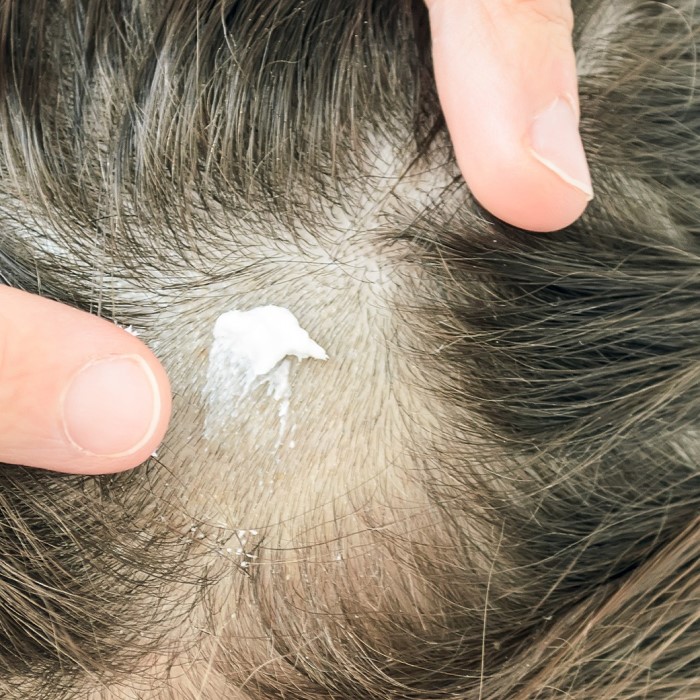
- Dietary Changes: Implementing a diet low in sugars and refined carbohydrates can help reduce candida levels in the body. Foods that are high in sugar can feed candida, triggering increased growth. Emphasizing vegetables, lean proteins, and healthy fats is advisable.
- Antifungal Medications: In some cases, healthcare providers may prescribe antifungal medications to combat candida overgrowth. Common options include fluconazole or nystatin, depending on the severity of the condition.
- Probiotics: Including probiotics can be beneficial in restoring a healthy balance of gut bacteria. Probiotics can assist in inhibiting candida growth and promoting overall gut health.
- Natural Remedies: Some individuals explore natural antifungal treatments such as garlic, coconut oil, and oregano oil. While these may offer benefits, it’s essential to consult a healthcare professional before starting any new supplement regimen.
Managing Hair Health During Treatment
Nutritional Support for Hair Growth
- Importance of Nutrients: Proper nutrition serves as a foundation for healthy hair growth. When treating conditions like candida overgrowth, it’s essential to focus on a balanced intake of vital vitamins and minerals that directly influence hair health.
- Key Nutrients for Hair: Several specific nutrients play significant roles in promoting hair growth and maintaining overall hair health:
- Biotin: This B-vitamin is crucial for keratin production, a key protein that makes up hair. Biotin deficiency can lead to thinning hair and brittleness. Including biotin-rich foods such as eggs, nuts, seeds, and whole grains in your diet can support hair growth effectively.
- Zinc: This mineral plays a critical role in cell division and tissue growth, making it essential for hair follicle health. Zinc helps to regulate hormonal changes that may contribute to hair loss. Sources of zinc include meat, shellfish, legumes, and seeds.
- Iron: An adequate supply of iron is vital for delivering oxygen to hair follicles through the bloodstream. Iron deficiency can lead to anemia, which is often linked to hair loss. To boost iron levels, consume leafy greens, lentils, red meat, and fortified cereals.
- Omega-3 Fatty Acids: These essential fats contribute to scalp health by reducing inflammation and providing nourishment to hair follicles. Omega-3s can be found in fatty fish, flaxseeds, walnuts, and chia seeds. Including these foods in your diet can enhance the overall quality of your hair.
Gentle Hair Care Practices
- Adopting a Gentle Routine: During treatment for conditions such as candida overgrowth, it’s crucial to minimize additional stress on your hair and scalp. Adopting a gentle hair care routine can protect hair integrity and reduce the risk of damage.
- Using Sulfate-Free Shampoos: Choosing sulfate-free shampoos helps maintain the natural oils on the scalp and hair. Sulfates can strip these oils, leading to dryness and potential irritation. Look for shampoos labeled “sulfate-free” and formulated with nourishing ingredients to support healthy hair.
- Avoiding Heat Styling: Limiting the use of heat-styling tools, such as hairdryers, curling irons, and straighteners, can significantly reduce the risk of hair damage. Excessive heat can lead to weakened hair fibers, breakage, and hair loss. Instead, consider air-drying your hair or using heatless styling methods to minimize damage.
- Regular Trims: Keeping hair regularly trimmed can help eliminate split ends, which can travel up the hair shaft and cause further breakage. Scheduling a trim every six to eight weeks can help maintain healthy-looking hair.
Monitoring Hair Changes
- Importance of Keeping Records: Monitoring any changes in hair health during treatment can provide valuable insights into how your body responds to dietary adjustments and interventions. Keeping track of your hair’s condition allows you to identify patterns and make informed decisions regarding your care.
- Observing the Response to Treatment: After implementing dietary changes and antifungal interventions, take note of any improvements or worsening in hair condition. Observe factors such as hair thickness, shedding frequency, and overall appearance. This documentation contributes to understanding the effectiveness of your treatment regimen.
- Adjusting Your Approach: If hair health does not improve or worsens, consider revisiting your approach. Consult with healthcare professionals to explore whether additional interventions, such as supplements or changes in diet, may enhance results.
- Recognizing Hair Growth Patterns: Hair growth can fluctuate over time, especially in response to health changes. Being mindful of these patterns helps set realistic expectations and encourages long-term focus on maintaining hair health.
Maintaining and promoting healthy hair growth during treatment for candida overgrowth requires a multifaceted approach. Ensuring adequate nutritional support, adopting gentle hair care practices, and monitoring changes in hair health can collectively enhance recovery. By focusing on these aspects, individuals can help restore their hair and bolster overall well-being effectively.
FAQs About Candida and Hair Loss
Can candida overgrowth cause hair thinning?
Yes, while direct causation is difficult to determine, candida overgrowth can lead to hair thinning due to nutritional deficiencies and systemic inflammation affecting hair follicles.
What are the symptoms of too much candida?
Common symptoms include digestive issues, fatigue, skin irritations, yeast infections, and cognitive difficulties. Hair loss may accompany these symptoms but is not a primary indicator.
Can a fungal infection cause hair loss?
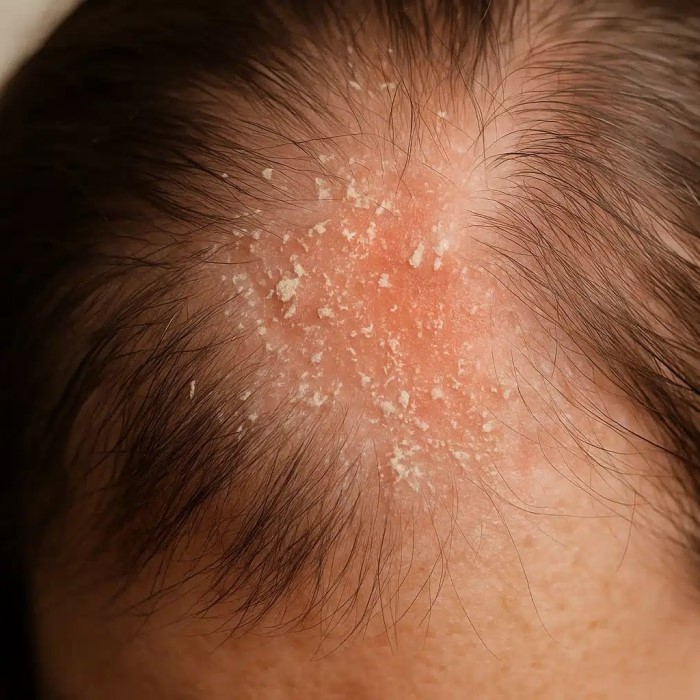
Yes, certain fungal infections, particularly tinea capitis (ringworm of the scalp), can lead to hair loss.
Will hair regrow after a fungal infection?
In most cases, once the infection is treated, hair can regrow. However, recovery may take time, and the extent of hair loss influences the regrowth potential.
Conclusion: Embracing Health and Wellness
In conclusion, the inquiry can candida cause hair loss reflects an important aspect of health that warrants attention. While direct links between candida overgrowth and hair loss remain unclear, there are potential contributing factors worth considering. Addressing nutritional deficiencies, managing symptoms, and maintaining healthy lifestyle choices are vital for overall wellness and hair health.
If you suspect that candida overgrowth is affecting your hair or overall health, reaching out to a healthcare provider is the best first step. Early diagnosis and treatment can guide effective management, allowing you to reclaim hair health while enhancing overall well-being. Embracing proactive health measures is essential in fostering a balanced body and mind.