Can Lupus Cause Hair Loss? Comprehensive Analysis for Patients
Introduction: Understanding Lupus and Its Effects on the Body
Lupus is a complex and chronic autoimmune disease that can significantly affect various systems in the body. One common question among patients suffering from this condition is, can lupus cause hair loss? This article aims to provide a thorough exploration of the connection between lupus and hair loss, detailing symptoms, mechanisms, treatment options, and coping strategies. By equipping patients with knowledge about how lupus may affect their hair, they can better manage their health and seek appropriate support.
What is Lupus?
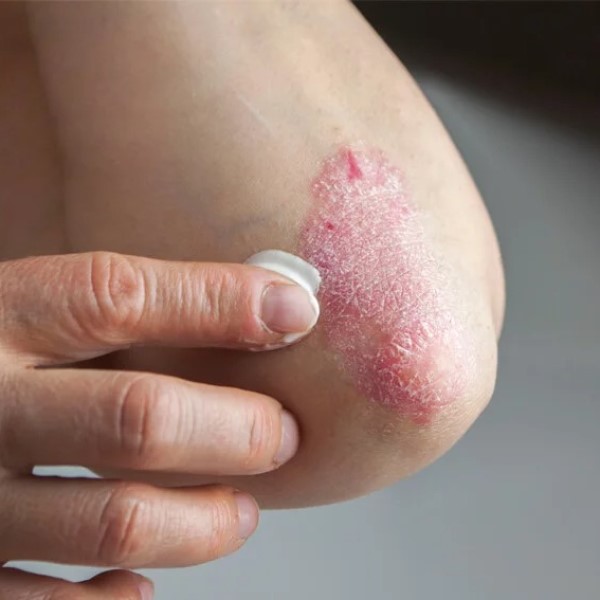
Lupus primarily occurs when the body’s immune system mistakenly attacks its own tissues, resulting in inflammation and damage. The most prevalent type is Systemic Lupus Erythematosus (SLE), which can affect multiple organs such as the skin, joints, kidneys, and heart. In addition to physical symptoms, lupus can have psychological effects on those who live with it, including anxiety and depression. Understanding the wide-ranging symptoms of lupus helps patients identify their condition more accurately and seek timely intervention.
Exploring the Connection: Can Lupus Cause Hair Loss?
1. The Science Behind Lupus and Hair Loss
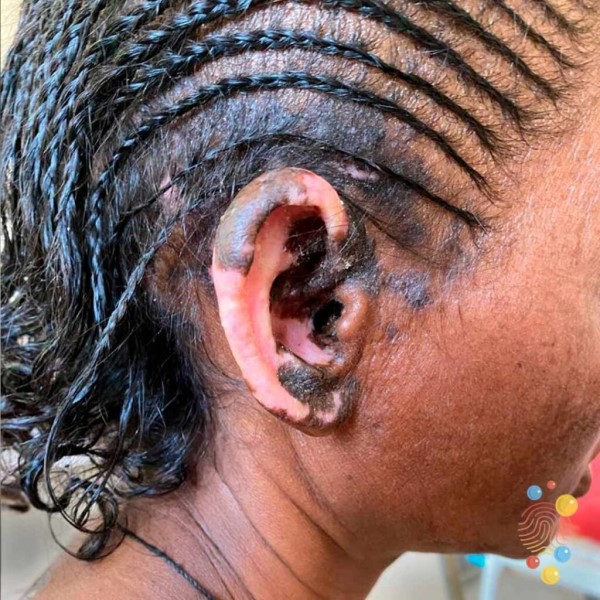
Can lupus cause hair loss? Many patients experience hair loss due to various factors related to lupus. The autoimmune nature of lupus leads to widespread inflammation that can damage hair follicles. Conditions associated with lupus, such as discoid lupus erythematosus, can lead to scarring and hair loss in affected areas.
Mechanisms of Hair Loss in Lupus
- Immune Response: The immune system’s attack on hair follicles can disrupt growth cycles, leading to increased shedding or thinning. This process can manifest as patches of hair loss.
- Inflammation: Inflammation may cause the scalp to become tender, making it more difficult for hair to grow or remain anchored. Over time, this can lead to noticeable thinning.
- Hormonal Changes: The stress of managing lupus can cause hormonal fluctuations, further affecting hair health.
2. Types of Hair Loss Associated with Lupus
Understanding the types of hair loss related to lupus can be beneficial for recognizing symptoms and seeking treatment early:
- Telogen Effluvium: This condition often occurs in response to significant stress, such as the diagnosis of lupus. Hair follicles prematurely enter the resting phase, resulting in increased shedding.
- Alopecia Areata: This autoimmune condition can manifest alongside lupus and causes sudden patches of hair loss. The immune system attacks hair follicles, leading to bald spots.
- Scarring Alopecia: Discoid lupus can result in scarring on the scalp. This type of alopecia may lead to permanent hair loss because the damage to hair follicles can prevent regrowth.
3. Recognizing Symptoms of Lupus-Related Hair Loss
Patients experiencing hair loss related to lupus should be vigilant for symptoms that may indicate changes in hair health:
- Thinning Hair Throughout the Scalp: Noticeable thinning in various areas rather than just localized patches can be an indicator of lupus-related hair loss.
- Patchy Bald Spots: Individual spots where hair is absent can signal conditions such as alopecia areata or scarring from discoid lupus.
- Changes in Hair Texture: A change in texture, such as increasing brittleness or coarseness, may indicate an underlying issue that requires attention.
Managing Lupus: Treatment Options for Hair Loss
1. Medical Treatments for Lupus Symptoms
Consulting with a healthcare provider is essential for those experiencing hair loss related to lupus. Treatment options mainly focus on managing the underlying condition, including:
- Immunosuppressive Medications: Doctors often prescribe medications that suppress the immune system to reduce inflammation. By controlling lupus flare-ups, these medications can improve symptoms and potentially prevent further hair loss.
- Corticosteroids: Corticosteroids are frequently prescribed to manage inflammation and control lupus activity. Reducing inflammation can positively affect hair follicles, potentially alleviating hair loss.
2. Topical Treatments
In addition to systemic treatments, patients may benefit from several topical options for hair loss management:
- Minoxidil: This over-the-counter topical treatment can stimulate hair regrowth. It improves blood circulation to the scalp, providing essential nutrients to hair follicles.
- Prescription Solutions: Dermatologists may prescribe specialized topical treatments designed for hair loss associated with autoimmune disorders, enhancing the effectiveness of overall treatment.
3. Lifestyle and Holistic Approaches
In conjunction with medical treatments, patients can adopt lifestyle changes to enhance hair health:
Balanced Diet
- Importance of Nutrient-Rich Foods: Consuming a balanced diet that includes essential vitamins and minerals is crucial for promoting healthier hair. A well-nourished body supports hair follicle function, helping prevent hair loss or thinning.
- Key Nutrients for Hair Growth:
- Iron: This vital mineral is essential for producing hemoglobin, which carries oxygen to hair follicles. Include iron-rich foods such as spinach, lentils, red meat, and beans in your diet. Consuming vitamin C alongside iron can enhance absorption.
- Zinc: Zinc plays a critical role in hair tissue growth and repair. It also helps keep the oil glands around the hair follicles functioning correctly. Incorporate sources of zinc like pumpkin seeds, chickpeas, nuts, and whole grains into your meals.
- Biotin: Biotin is a B vitamin that supports the production of keratin, a key protein in hair structure. Foods rich in biotin include eggs, almonds, sweet potatoes, and avocados. Considering biotin supplements can be beneficial, especially for individuals experiencing hair loss.
- Omega-3 Fatty Acids: These healthy fats nourish hair follicles and promote overall scalp health. Include sources of omega-3s in your diet, such as fatty fish (like salmon and mackerel), walnuts, flaxseeds, and chia seeds.
- Hydration for Healthy Hair: Staying hydrated is also vital for maintaining hair health. Drinking sufficient water throughout the day helps keep hair follicles nourished and supports overall health.
Stress Management
- Impact of Stress on Health: Stress can significantly exacerbate lupus symptoms and contribute to hair loss. It triggers inflammatory responses in the body, worsening the autoimmune process and potentially leading to increased shedding or thinning hair.
- Incorporating Relaxation Techniques:
- Yoga: Practicing yoga helps combine physical activity with mindfulness. It can improve flexibility, breathing, and mental clarity while reducing overall stress levels. Engaging in yoga sessions regularly can enhance your emotional well-being and foster a sense of calm.
- Mindfulness: Mindfulness techniques, such as mindful breathing or eating, encourage present-moment awareness. By focusing on the here and now, you can alleviate anxiety and cultivate a more relaxed state of mind. Start with short sessions and gradually extend your practice as you become comfortable.
- Meditation: Regular meditation practice can significantly reduce stress and promote relaxation. It helps calm the mind and improves emotional health. Allocate a few minutes daily to meditate, focusing on your breath or using guided meditation apps to assist in your practice.
- Physical Activity: Engaging in regular physical activity also helps manage stress. Exercise releases endorphins, which act as natural stress relievers. Aim for a combination of aerobic exercises and strength training to boost your mood and overall fitness.
- Social Support: Connecting with friends or family can provide emotional support during stressful times. Sharing experiences with others can alleviate feelings of isolation and enhance overall emotional well-being.
Frequently Asked Questions (FAQs)
What does lupus hair loss look like?
Lupus-related hair loss can appear as thinning hair across the scalp, patchy bald spots, or changes in hair texture, including brittleness. Patients may notice an increase in shedding when combing or washing their hair.
What are the 11 symptoms of lupus?
Some common symptoms of lupus include:
- Fatigue
- Joint pain or swelling
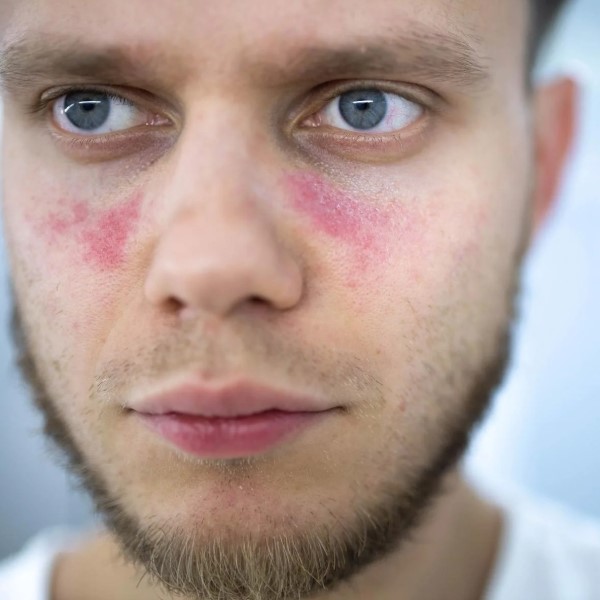
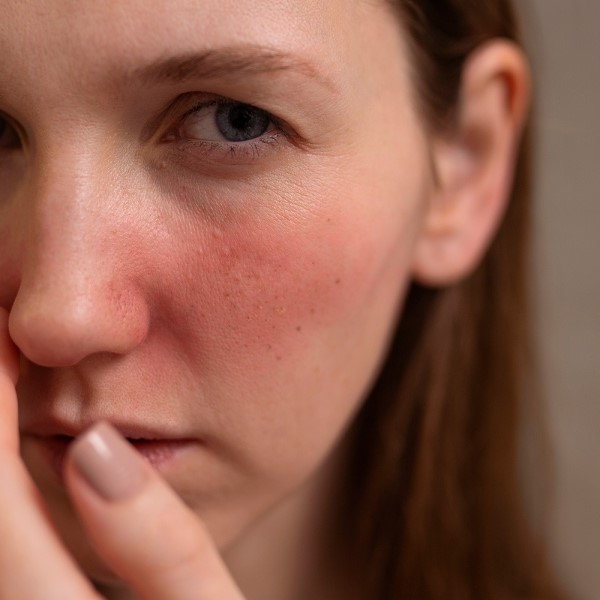
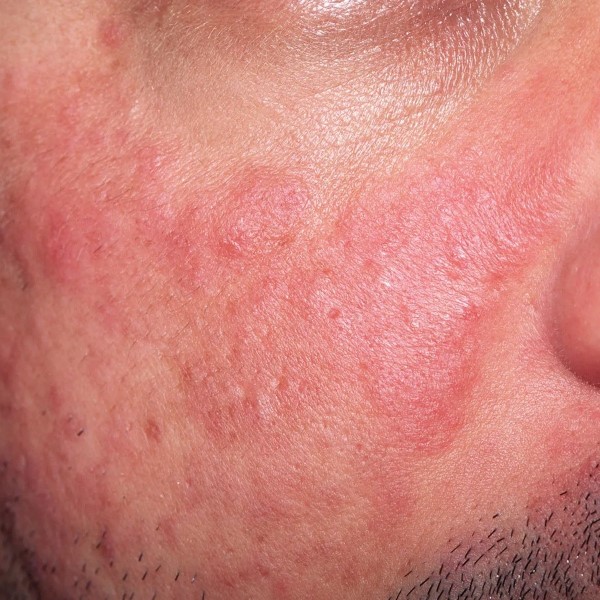
- Rash, especially the characteristic butterfly-shaped rash on the face
- Fever
- Sensitivity to sunlight (photosensitivity)
- Hair loss
- Kidney issues
- Chest pain or difficulty breathing
- Headaches or cognitive difficulties (lupus fog)
- Raynaud’s phenomenon (fingers turning white or blue in response to cold)
- Mouth or nasal ulcers
How long can you have lupus without knowing?
The duration that someone can have lupus without a diagnosis varies widely. Some individuals may experience mild symptoms for years before receiving a formal diagnosis. Early detection is vital for effective management.
How do you treat lupus hair loss?
To treat lupus-related hair loss, consult a healthcare professional for appropriate medications, such as immunosuppressants or topical treatments like minoxidil. Additionally, maintaining a balanced diet and practicing stress management can contribute to overall hair health.
Conclusion: Empowering Patients With Knowledge
In conclusion, understanding can lupus cause hair loss is essential for individuals coping with this chronic autoimmune condition. Recognizing the symptoms early can lead to timely interventions and effective management strategies.
By exploring various treatment options—including medical approaches, topical solutions, and lifestyle adjustments—patients can regain control over their hair health despite living with lupus. Staying informed and consulting healthcare professionals ensures that individuals with lupus can navigate their condition effectively and maintain their quality of life.
If you or someone you know is experiencing lupus-related hair loss, remember that support and treatment options are available. Seeking guidance from medical experts can help you find the best approach to cope with the challenges of lupus while preserving your overall well-being.