Does Whey Protein Cause Hair Loss? Myths vs. Facts Revealed
Introduction: Examining Whey Protein and Hair Loss Concerns
Whey protein has gained immense popularity as a dietary supplement, especially among athletes, bodybuilders, and fitness enthusiasts. Known for its high protein content and quick absorption rate, whey protein supports muscle building and recovery. However, a question often arises in health discussions: does whey protein cause hair loss? Concerns regarding hair health can cause anxiety for those using whey protein, amid a sea of misinformation.
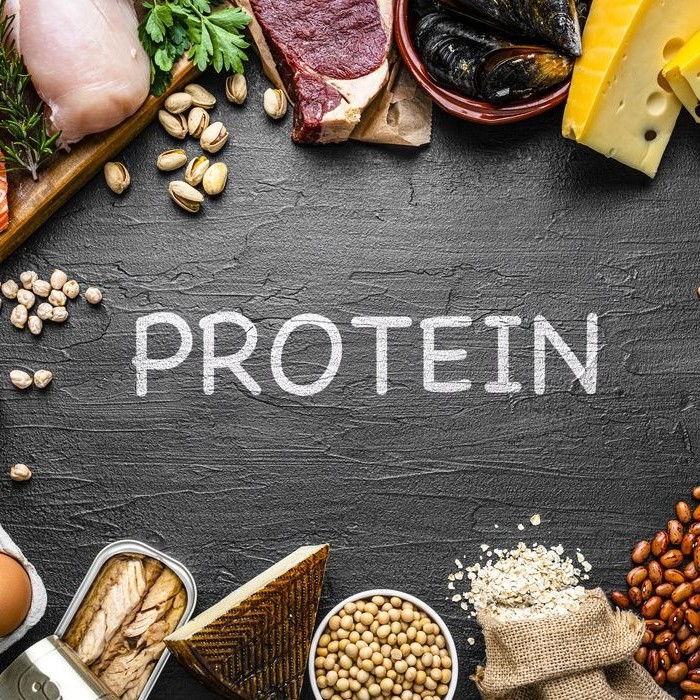
This article aims to clarify whether whey protein consumption is directly linked to hair loss, debunk myths surrounding this topic, and provide a nuanced understanding of hair health. We will explore the science behind hair loss, the nutritional contributions of whey protein, and the importance of maintaining a balanced diet for optimal hair growth.
What is Whey Protein?
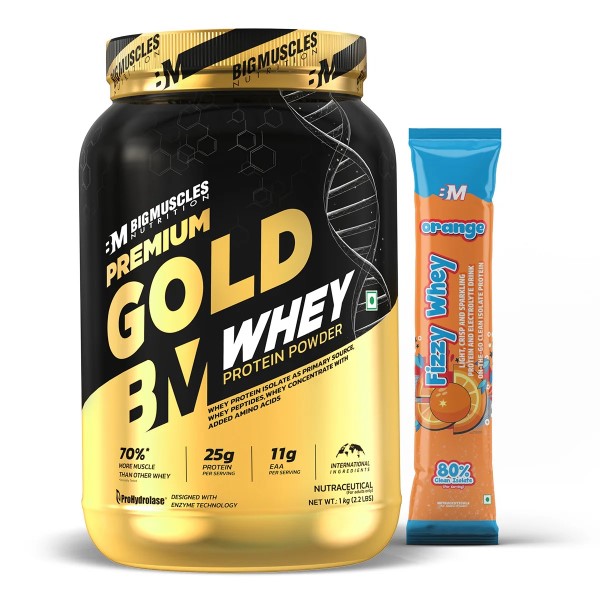
Whey protein is a complete protein derived from milk during the cheese-making process. It contains all nine essential amino acids necessary for human health. Whey is highly bioavailable, meaning it is easily absorbed and utilized by the body. This characteristic makes whey protein an excellent supplement for those looking to build muscle mass, improve recovery after exercise, and maintain a healthy weight.
Types of Whey Protein
- Whey Protein Concentrate (WPC): Contains around 70-80% protein, along with some fats and carbohydrates. It offers a rich flavor and is generally less expensive.
- Whey Protein Isolate (WPI): Undergoes further processing to remove most of the fats and carbohydrates, resulting in a higher protein content (typically 90% or more). This type is ideal for those looking for a low-calorie option.
- Whey Protein Hydrolysate (WPH): Has been pre-digested to allow faster absorption. It’s often used in medical protein supplements and for infants.
Myths Surrounding Whey Protein and Hair Loss
When it comes to health supplements, misinformation often circulates. Here are some common myths about whey protein and hair loss:
Myth 1: Whey Protein Directly Causes Hair Loss
A prevalent belief is that consuming whey protein can lead to hair loss because of its potential hormonal effects. However, scientific studies have not substantiated this claim. Instead, hair loss typically results from various factors, including genetic predisposition, nutritional deficiencies, stress, and medical conditions rather than direct dietary influences.
Myth 2: All High-Protein Diets Lead to Hair Thinning
Another myth suggests that high-protein diets inherently lead to hair thinning. While inadequate protein intake can negatively impact hair health, consuming an appropriate amount of protein supports hair structure and growth. If a body is in need of protein and it is not made available, it may trigger the body to prioritize essential functions over hair growth. Thus, proper dosage matters.
Myth 3: Whey Protein Contains Hormones that Affect Hair
Some assert that whey protein contains hormones that may disrupt hormonal balance, leading to hair loss. While whey protein does contain trace levels of hormones present in dairy products, these amounts are unlikely to impact hair health significantly. The body also regulates hormone levels effectively; thus, the contribution of whey protein to hormonal changes is minimal.
The Science of Hair Loss: Causes and Contributing Factors
Understanding hair loss requires an exploration of the complexities involved. Here are some primary causes of hair loss that are more impactful than dietary protein:
Genetic Predisposition
Genetics plays a major role in determining hair health. Androgenetic alopecia, commonly known as male or female pattern baldness, is a hereditary condition. In this case, individuals inherit a genetic predisposition that influences hair growth cycles, leading to gradual thinning. Individuals with a family history of hair loss may experience this condition independently of nutritional intake, including protein consumption.
Hormonal Changes
Hormones can significantly impact hair health. Hormonal imbalances resulting from puberty, pregnancy, menopause, or medical conditions can lead to hair thinning or loss. For instance, elevated levels of dihydrotestosterone (DHT) can shrink hair follicles, leading to baldness, especially in individuals genetically predisposed to the condition.
Nutritional Deficiencies
A lack of essential vitamins and minerals can contribute to hair loss. The following nutrients are critical for maintaining healthy hair:
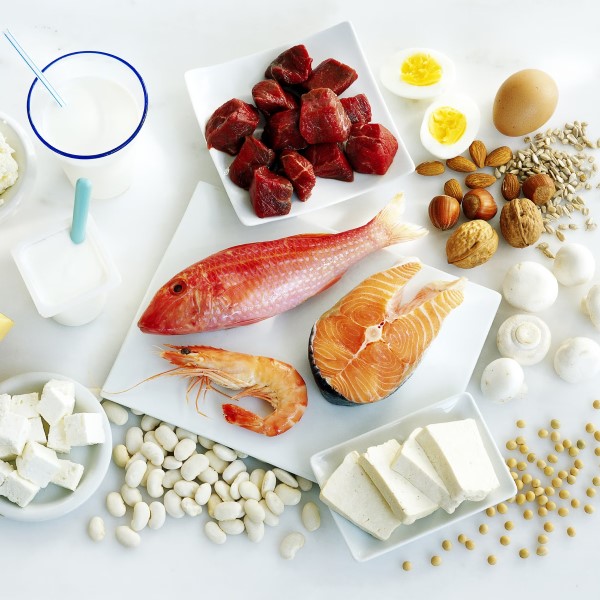
- Iron: Essential for delivering oxygen to hair follicles. A deficiency in iron can lead to hair thinning and shedding. Good sources of iron include red meat, beans, spinach, and lentils.
- Zinc: Plays a role in cell reproduction and tissue growth. Insufficient zinc levels can disrupt the hair growth cycle, leading to hair shedding. Foods rich in zinc include nuts, seeds, and dairy products.
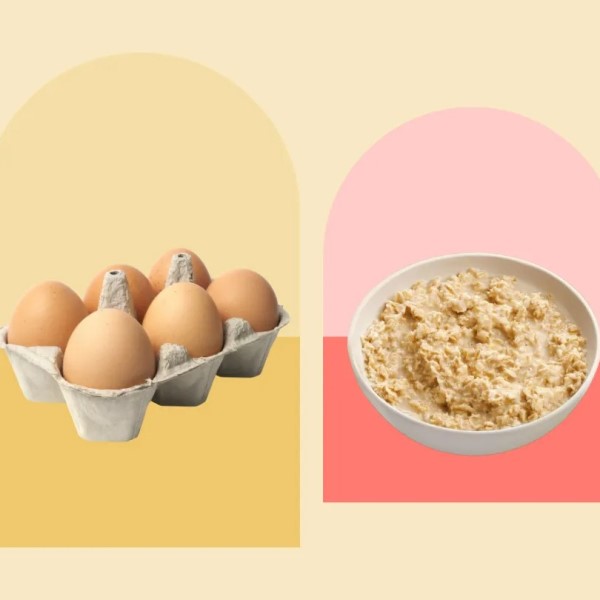
- Vitamins: B vitamins, particularly biotin, are essential for healthy hair. Biotin deficiency may lead to hair loss or thinning. Foods such as eggs, bananas, and whole grains can help maintain adequate biotin levels.
Stress and Lifestyle Factors
High levels of stress can negatively impact hair health and contribute to a temporary condition called telogen effluvium. This occurs when stress causes hair follicles to prematurely enter the resting phase, leading to increased hair shedding. Lifestyle factors such as inadequate sleep, physical inactivity, and exposure to environmental toxins can also exacerbate hair loss.
The Role of Whey Protein in Hair Health
Whey protein can play a supportive role in maintaining healthy hair due to its nutritional profile. Here are some benefits of including whey protein in a balanced diet:
1. Protein Supports Hair Structure
Hair is primarily composed of a protein called keratin. Consuming adequate protein, such as whey, can provide the body with the necessary building blocks for strong hair strands. A lack of sufficient protein may contribute to weak or thinning hair.
2. Amino Acids Contribution
Whey protein is rich in essential amino acids, particularly cysteine and methionine. Cysteine, specifically, is crucial for the formation of keratin. This means that whey protein can aid in the production and maintenance of healthy hair.
3. Supporting Overall Nutrition
Incorporating whey protein into a balanced diet can help individuals ensure they meet their daily protein needs. A well-rounded diet that includes whole foods rich in vitamins and minerals, alongside protein supplements, supports overall health, including hair health.
4. Weight Management and Reduced Stress
Whey protein can assist individuals in achieving their fitness and weight management goals. A lean body composition may reduce stress levels associated with body image issues, leading to improved mental well-being. Reduced stress can indirectly benefit hair health by mitigating stress-related hair loss.
Addressing the Question: Does Whey Protein Cause Hair Loss?
The question, does whey protein cause hair loss, does not have a definitive yes or no answer. Instead, it relies heavily on individual contexts and multiple factors. Here’s a summary of important points regarding whey protein and hair loss:
- No Direct Link: Current scientific research does not establish a direct link between whey protein consumption and hair loss. Thus, individuals can consume whey protein without significant concern regarding hair health if they maintain a balanced diet and lifestyle.
- Balanced Diet is Key: Achieving overall hair health requires a comprehensive approach, ensuring adequate nutrition, adequate protein intake, and addressing stress management and hormonal balance.
- Consulting Professionals: If individuals notice unusual hair loss, it is best to consult with healthcare professionals such as dermatologists or nutritionists. They can help determine the underlying causes and recommend appropriate interventions or adjustments to diet and lifestyle.
Key Takeaways for Maintaining Healthy Hair
To maintain healthy hair while utilizing whey protein, consider the following guidelines:
1. Consume Whey Protein Mindfully
Ensure that whey protein is a part of a well-rounded diet that also includes plenty of fruits, vegetables, whole grains, and other sources of protein. Balance is essential for holistic health.
2. Stay Informed about Nutrition
Stay educated on the nutrients essential for hair health. Consuming foods rich in iron, zinc, and biotin will help strengthen and support hair growth.
3. Manage Stress and Lifestyle Choices
Engage in regular physical activity and practice stress reduction techniques. Whether through yoga, meditation, or hobbies, managing stress effectively can promote overall well-being.
4. Monitor Hair Health
Regularly assess your hair’s condition. If any sudden changes arise, seek advice from a healthcare professional to rule out underlying issues and explore potential solutions.
Frequently Asked Questions (FAQs)
Is whey protein causing hair fall?
No, scientific evidence does not support the idea that whey protein causes hair fall. Hair loss typically results from a combination of genetic predisposition, nutritional deficiencies, hormonal changes, and lifestyle factors rather than solely dietary choices.
Conclusion: Separating Myths from Facts
Does whey protein cause hair loss? In conclusion, the topic of whether whey protein causes hair loss is often surrounded by misconceptions. By understanding the facts, individuals can make informed choices regarding their health and nutrition.
Whey protein can be a valuable tool for those seeking to improve their fitness and support muscle recovery. When consumed as part of a balanced diet, whey protein contributes positively to overall health and can help maintain healthy hair.
Ultimately, the focus should remain on achieving a well-rounded nutritional intake, managing stress effectively, and prioritizing overall well-being. If you are concerned about hair loss, consult a healthcare professional for guidance tailored to your specific situation.