Does Conditioner Cause Hair Loss? Your Questions Answered
Introduction: The Impact of Conditioner on Hair Health
Many people wonder, does conditioner cause hair loss? This question has sparked debates in beauty and hair care communities for years. While hair loss can stem from numerous factors, including genetics, diet, and health conditions, concerns often arise regarding the products we use on our hair. Conditioners, in particular, can either contribute to or alleviate hair issues based on their formulation and intended use.
In this detailed article, we will delve into the relationship between conditioner and hair health, addressing common myths, understanding the ingredients in conditioners, and highlighting best practices for hair care. Through this comprehensive exploration, you’ll gain clarity on whether conditioner can indeed impact hair loss, and how to make informed decisions about your hair care routine.
Understanding Hair Loss: Causes and Contributors
Before we examine the role of conditioner in hair loss, it is essential to understand the primary causes of hair loss. Hair loss can occur due to a combination of various factors, including:
1. Genetic Factors
Genetics play a key role in determining hair health and thickness. Conditions like androgenetic alopecia, commonly known as male or female pattern baldness, result from inherited traits. Individuals with a family history of hair loss may be more susceptible, regardless of their use of hair products.
2. Hormonal Changes
Hormones can have a significant influence on hair growth. Fluctuations during puberty, pregnancy, menopause, or health conditions like polycystic ovary syndrome (PCOS) may lead to hair thinning. Understanding hormonal health is crucial when addressing hair loss issues.
3. Nutritional Deficiencies
A well-balanced diet is vital for maintaining strong, healthy hair. Deficiencies in essential vitamins and minerals, such as iron, vitamin D, biotin, and zinc, can result in hair thinning. Individuals should prioritize a nutrient-rich diet to support hair health.
4. Stress and Lifestyle Factors
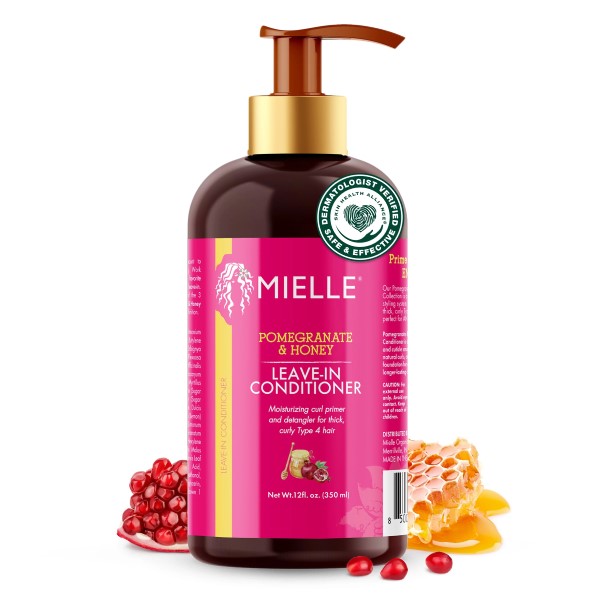
High levels of stress can contribute to temporary hair loss conditions such as telogen effluvium. Lifestyle habits, including poor sleep patterns and lack of physical activity, may also play a role in hair health.
5. Product Use
The products we use on our hair can impact its health. This leads us to explore conditioners and their ingredients. Understanding how conditioners are formulated will clarify their effects on hair loss.
The Role of Conditioners in Hair Care
Conditioners are essential in most hair care routines, serving to moisturize and detangle hair effectively. However, concerns about certain ingredients might lead to questions about their role in hair health.
1. What Do Conditioners Do?
Conditioners work by coating the hair strands, adding moisture, and reducing friction. They help mitigate damage from styling tools, environmental factors, and chemical treatments. Some of the primary benefits of conditioners include:
- Improved Manageability: Conditioners help detangle hair, preventing breakage and making hair easier to style.
- Reduced Frizz: They can smooth the hair cuticle, minimizing frizz and creating a sleeker appearance.
- Enhanced Shine: Properly conditioned hair often appears shinier and healthier, making it visually appealing.
2. Common Ingredients in Conditioners
Conditioners contain various ingredients aimed at nourishing hair. Here are some key components:
- Emollients: Ingredients like silicones, oils, and fatty alcohols coat hair to provide softness and shine.
- Humectants: Substances like glycerin attract moisture to the hair, helping keep it hydrated.
- Proteins: Hydrolyzed proteins can strengthen hair by filling in gaps in the hair structure.
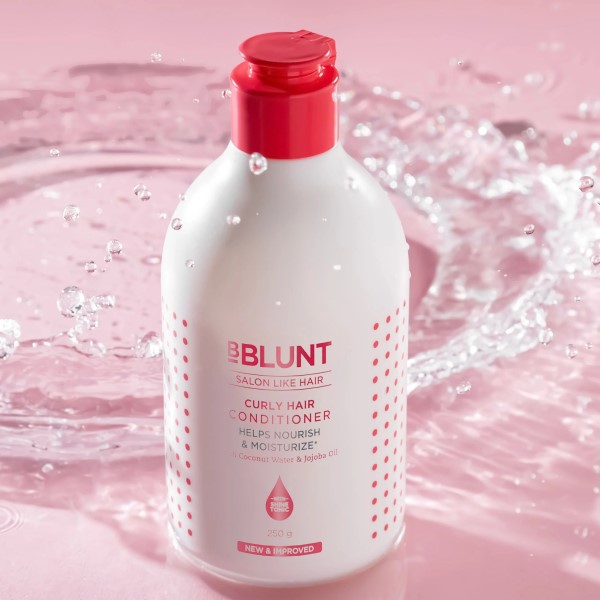
While helpful, not all ingredients may suit everyone. Individuals may react differently to certain components, potentially leading to hair issues.
 Addressing the Question: Does Conditioner Cause Hair Loss?
Does conditioner cause hair loss? The concern surrounding conditioners often relates to ingredient sensitivity or misuse. Here’s what you should keep in mind:
1. Conditioners Do Not Directly Cause Hair Loss
Research does not support the idea that conditioners directly cause hair loss. Hair loss typically results from nutritional deficiencies, genetics, and hormonal imbalances rather than the regular use of conditioners. If hair loss occurs, it is essential to consider multiple factors before attributing it to product use.
2. Reactions to Ingredients
Some individuals may experience reactions to specific ingredients in conditioners. Allergies or sensitivity to certain chemicals can lead to scalp irritation, which may, in turn, cause hair loss due to scratching or inflammation. It is crucial to read labels and opt for products that suit your hair and scalp needs.
3. Proper Use is Key
Using conditioner appropriately is vital for achieving the best results. Here are some tips for proper application:
- Apply to the Ends: Focus conditioner on the mid-lengths and ends of your hair, where moisture is most needed, rather than on the scalp. This approach prevents buildup at the roots.
- Use the Right Amount: Using too much conditioner can weigh hair down, leading to greasy or flat hair. Start with a small amount and add more if necessary.
- Rinse Thoroughly: Ensure to rinse out conditioner completely. Residue can cause buildup on the scalp, affecting hair health.
4. Choose the Right Conditioners
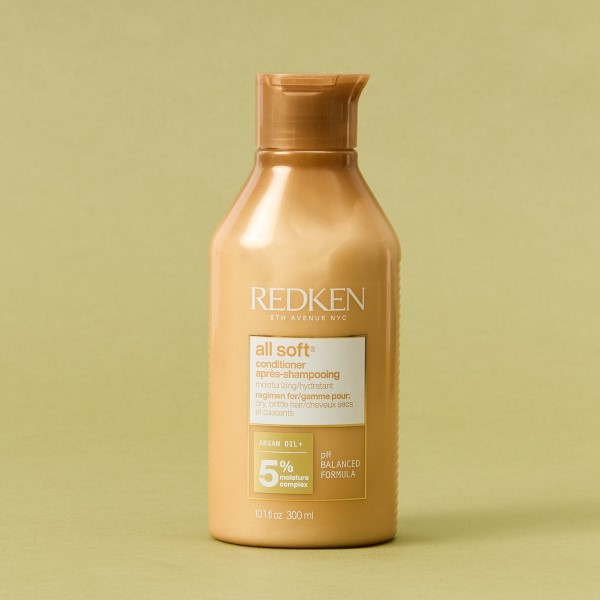
Selecting the correct conditioners can make a significant difference. Look for products tailored to your hair type (e.g., dry, oily, colored, or natural). It might also be beneficial to choose sulfate-free and paraben-free options if your scalp is sensitive.
Best Practices for Hair Care
To maintain healthy hair, it is essential to develop a comprehensive hair care routine. Here are some best practices to consider:
1. Maintain a Balanced Diet
Eating a well-balanced diet rich in vitamins and minerals can support hair health. Consider the following nutrients:
Proteins
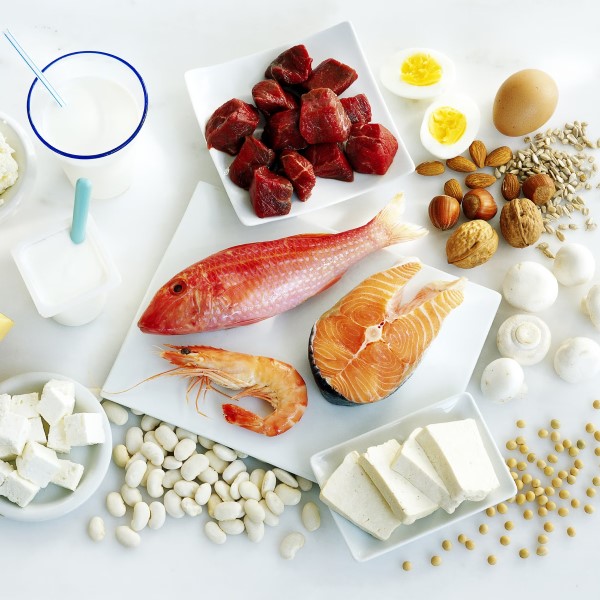
- Importance of Adequate Protein Intake: To support healthy hair growth, ensure you consume adequate protein from a variety of sources. Protein serves as the building block of hair strands, as hair consists primarily of a protein called keratin.
- Select Lean Meat Options: Including lean meats such as chicken, turkey, and fish in your diet helps provide high-quality protein. These meats are low in fat and deliver essential amino acids that aid in the formation of keratin and other vital tissues in the body.
- Incorporate Fish for Omega-3 Fatty Acids: Fish, particularly fatty varieties like salmon and mackerel, offers not only protein but also omega-3 fatty acids. These healthy fats nourish hair follicles, promoting shine and overall hair health.
- Eggs as a Nutrient Powerhouse: Eggs are rich in protein and essential nutrients such as biotin and vitamins B12 and D. Eating eggs regularly can improve hair strength and contribute to a healthy growth cycle.
- Explore Plant-Based Protein Sources: If you follow a plant-based diet, include legumes such as lentils, chickpeas, and beans. These foods are excellent sources of protein and also provide additional vitamins and minerals that support hair health.
- Don’t Forget Dairy Products: Incorporate dairy products like yogurt and milk, which are rich in protein and essential nutrients. Dairy can help maintain calcium levels necessary for hair growth.
Iron and Zinc
- Incorporate Iron-Rich Foods: Iron is crucial for transporting oxygen to hair follicles, which is vital for healthy hair growth. To prevent hair loss, include iron-rich foods in your diet, such as spinach, legumes, red meat, and fortified cereals.
- Consume Leafy Greens: Foods like spinach, kale, and Swiss chard are not only rich in iron but also packed with antioxidants. These nutrients protect hair follicles from oxidative stress, promoting healthier hair growth.
- Enjoy Nuts and Seeds: Nuts, particularly almonds and cashews, along with seeds like pumpkin and sunflower seeds, are excellent sources of both iron and zinc. Incorporating these into your diet can help fulfill your daily mineral requirements.
- Choose Quality Protein Sources: Red meat is an excellent source of heme iron, which is more readily absorbed by the body than non-heme iron found in plant sources. Including moderate amounts of red meat in your diet can be beneficial for maintaining hair health.
- Be Mindful of Weight and Portion Sizes: While iron is essential, it’s important to consume it in moderation. Balance your iron intake with other nutrients to promote overall wellness.
Vitamins A and C
- Significance of Vitamins A and C for Hair Growth: Vitamins A and C are crucial for maintaining healthy hair follicles and scalp. These vitamins assist in producing sebum, the natural oil that moisturizes the scalp, and they also support collagen production, which is essential for hair structure.
- Include Colorful Fruits and Vegetables: Aim to fill your plate with various fruits and vegetables, especially those rich in vitamins A and C. For instance, oranges, strawberries, and bell peppers contain high levels of vitamin C, while carrots, sweet potatoes, and dark leafy greens provide ample vitamin A.
- Focus on Antioxidant-Rich Foods: Many fruits and vegetables are rich in antioxidants, which help combat oxidative stress in the body. Antioxidants protect hair follicles and promote a healthier growth environment.
- Prepare Delicious Smoothies and Salads: A great way to ensure you get sufficient vitamins A and C is by preparing smoothies and salads that combine these nutrient-rich foods. For example, blending spinach, carrots, and citrus fruits into a smoothie can be a tasty and effective way to increase your intake.
- Snack on Fruits: Instead of reaching for chips or unhealthy snacks, choose fruits like apples and berries. They are not only delicious but also contribute necessary vitamins for healthy hair.
2. Regular Scalp Care
Healthy hair begins with a healthy scalp. Regular exfoliation or massaging can improve blood circulation, helping to provide hair follicles with necessary nutrients.
3. Avoid Excessive Heat Styling
Overuse of heat styling tools can lead to hair damage. If essential, use heat protectants and limit the use of tools like flat irons and curling wands.
4. Manage Stress Effectively
Incorporating stress management techniques can improve mental and emotional well-being. Consider activities like yoga, meditation, or engaging in hobbies to alleviate stress.
Frequently Asked Questions (FAQs)
Does conditioner cause hair thinning?
Conditioner does not directly cause hair thinning. Instead, improper use or reactions to specific ingredients in conditioners may contribute to hair issues in some individuals.
Are conditioners good for hair loss?
Conditioners can be beneficial for maintaining hair health, detangling, and reducing breakage. Choosing the right conditioner and using it properly can support healthy hair.
How do you use conditioner without losing hair?
To use conditioner effectively and minimize hair loss, apply it to the mid-lengths and ends of your hair, use the right amount, and rinse thoroughly. Avoid applying conditioner directly to the scalp if you have oily hair.
Conclusion: Making Informed Choices for Hair Health
In conclusion, the question does conditioner cause hair loss is one that deserves careful consideration. While conditioners are essential for maintaining healthy hair and providing moisture, they do not directly lead to hair loss.
Hair loss typically stems from a combination of factors, including genetics, nutrition, and lifestyle choices, rather than the use of hair products alone. To achieve the best results, individuals should select suitable products for their hair type, apply them correctly, and prioritize overall health through diet and stress management.
Remember, maintaining healthy hair involves a comprehensive and informed approach. If you experience significant hair loss or have concerns about your hair’s health, consult a healthcare professional or a hair care expert to develop a personalized plan. By understanding the facts about conditioners and hair health, you can make educated choices that support your hair’s vitality for the long term.