Unlock the Truth: Is Zinc Oxide Good for Skin Health?
Introduction
In the realm of skincare, zinc oxide consistently draws attention for its numerous benefits. You may have heard of it being a common ingredient in sunscreens, diaper rash creams, and even acne treatments. But what exactly makes zinc oxide stand out? Is zinc oxide good for skin health? In this article, we will uncover the truth about zinc oxide, exploring its benefits and uses for different skin types. Understanding the properties of this mineral can help you make informed choices in your skincare routine.
What is Zinc Oxide?
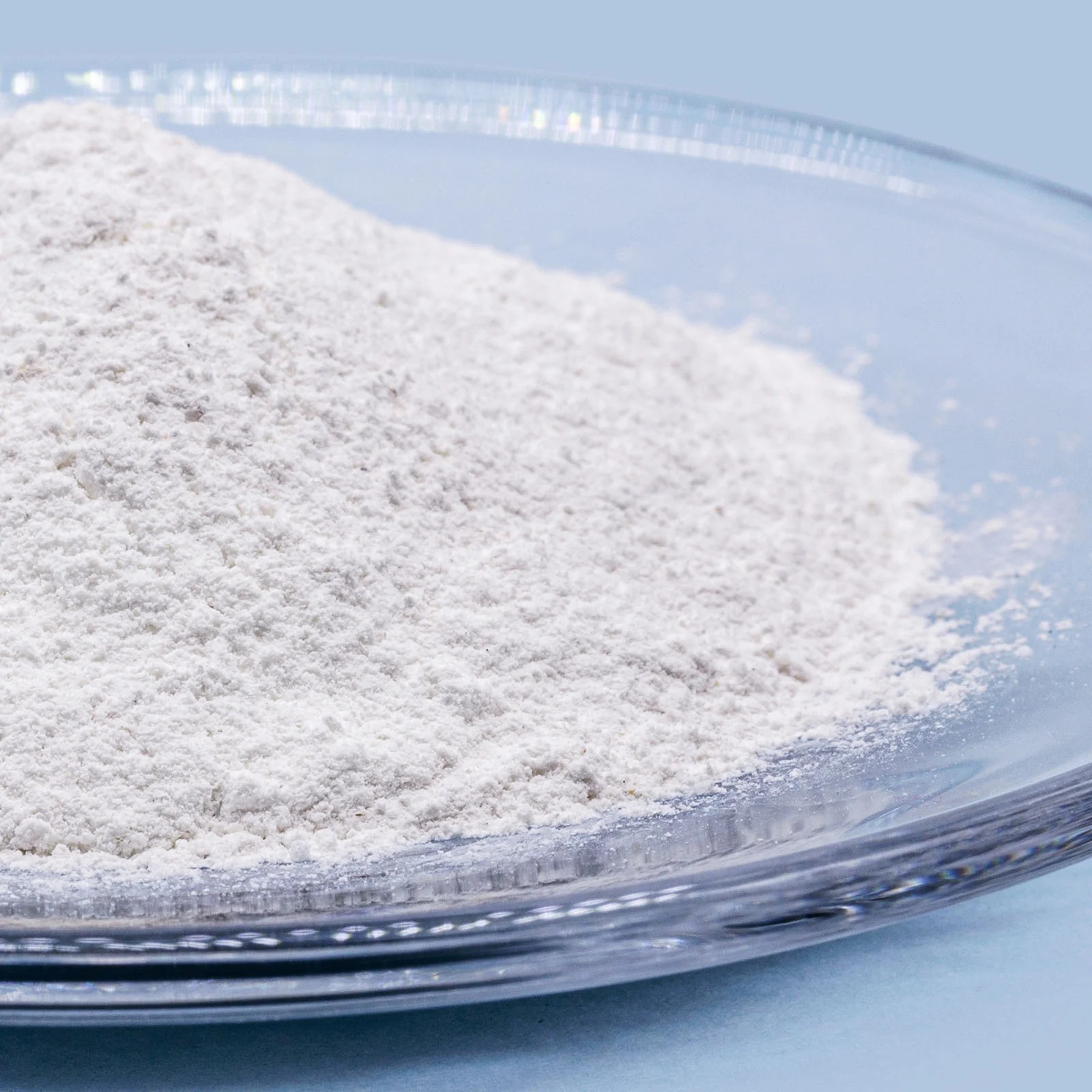
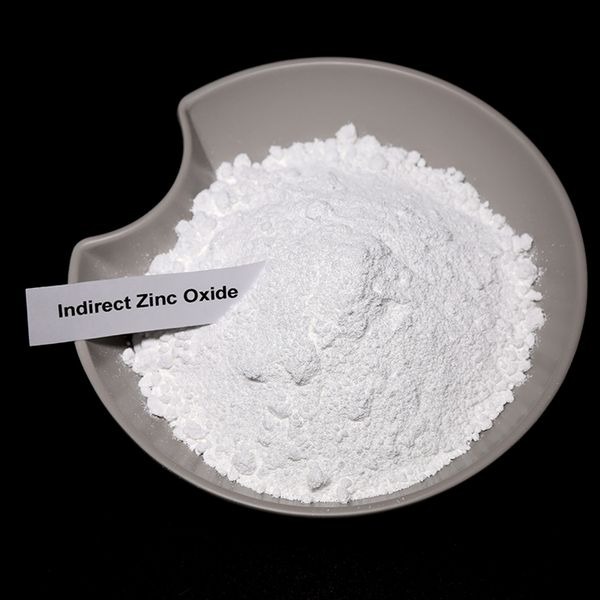
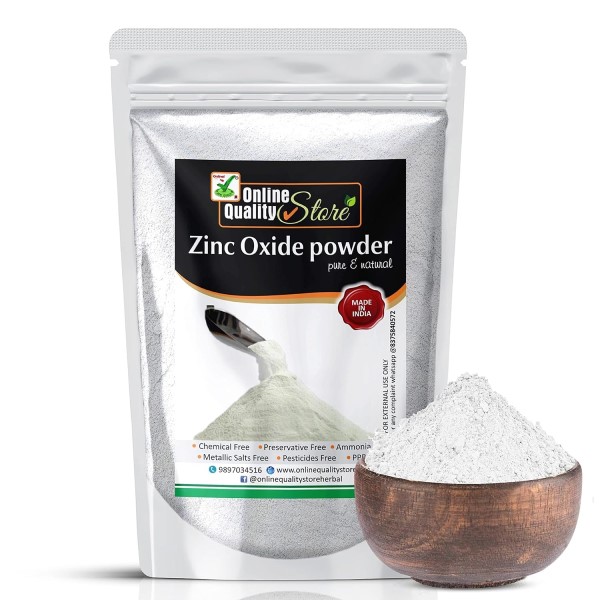
Zinc oxide is a natural mineral derived from zinc. It is widely used in skincare products. Known for its skin-friendly properties, it is often found in sunscreens and healing creams. Zinc oxide forms a protective barrier on the skin’s surface. This helps shield the skin from harmful elements like UV rays and pollutants. It is a white powder that is safe and non-toxic for topical use.
As an inorganic compound, zinc oxide does not dissolve in water. This makes it effective for creating waterproof products, including sunscreens. Historically, it has been used for centuries in various therapeutic applications. Its ability to promote skin health has made it a valuable ingredient in modern skincare.
Zinc oxide is also recognized as a broad-spectrum sunblock. It protects against both UVA and UVB rays. Unlike chemical sunscreens, it does not penetrate the skin deeply. This makes it an excellent choice for those with sensitive skin. The unique reflective properties of zinc oxide also aid in reducing skin damage caused by sun exposure and environmental stressors.
How Zinc Oxide Works on Skin
Zinc oxide helps protect and heal the skin in many ways. It works by creating a physical barrier on the skin’s surface. This barrier shields the skin from harmful UV rays and external pollutants. Unlike chemical sunscreens, zinc oxide stays on the surface without absorbing into the skin.
The reflective properties of zinc oxide are key to its effectiveness. It reflects and scatters UV rays away from the skin. This minimizes sun damage and prevents premature aging caused by sun exposure. Zinc oxide’s role as a broad-spectrum sunblock ensures protection against both UVA and UVB rays.
Zinc oxide also has soothing properties. It reduces redness, irritation, and inflammation. These qualities make it ideal for sensitive and inflamed skin. It is often used in products designed to calm conditions like eczema and diaper rash.
In skincare, zinc oxide supports the skin’s repair process. Its mild antibacterial properties help keep skin clean and healthy. It can even promote healing in minor cuts and wounds, preventing infections. Additionally, zinc oxide can control excess oil and bacteria, which helps manage acne.
By staying on the skin’s surface, zinc oxide prevents deeper tissue damage. This makes it a safer choice for ongoing skin protection. Its waterproof nature adds to its durability, especially in sunscreens. These combined actions explain why zinc oxide is highly valued in skincare today.
Key Skin Benefits
Is zinc oxide good for skin? Zinc oxide offers remarkable advantages for maintaining healthy, radiant skin. This versatile ingredient helps protect, heal, and soothe the skin while addressing various skin concerns.
Protection Against Harmful UV Rays
Zinc oxide acts as a powerful physical sunscreen. It protects your skin from harmful UVA and UVB rays. By forming a layer on the skin’s surface, it blocks and reflects UV radiation. This reduces sunburn, skin damage, and the risk of premature aging. Unlike chemical sunscreens, it remains on the surface without absorbing into the skin.
Soothing Irritated Skin and Reducing Inflammation
Zinc oxide has calming properties that soothe irritated skin. It helps minimize redness, swelling, and discomfort. It is effective for conditions like eczema, rashes, and dermatitis. Its anti-inflammatory action makes it ideal for sensitive or reactive skin. Using products containing zinc oxide can help your skin look and feel healthier.
Supporting Wound Healing
Zinc oxide aids the healing process of minor cuts and wounds. It protects against bacteria, preventing infections. It also keeps the area clean, allowing the skin to repair itself faster. Its gentle antibacterial properties make it a safe choice for healing creams. It’s a reliable ingredient for promoting skin recovery and overall health.
Helping Manage Acne and Reducing Breakouts
Zinc oxide is excellent for managing acne and oily skin. It controls excess oil, which can clog pores and lead to breakouts. Its antibacterial properties fight acne-causing bacteria on the skin. Zinc oxide reduces inflammation associated with pimples and redness. Incorporating it into your skincare routine keeps your skin clear and balanced.
Skincare Products
Zinc oxide is a widely-used ingredient in skincare items. Its protective and soothing qualities make it valuable. Many skincare products incorporate zinc oxide to address various skin needs. From sun protection to acne control, it plays an essential role in maintaining healthy skin.
Commonly Used Products Containing Zinc Oxide
- Sunscreens: Zinc oxide is a key component in physical sunscreens. It reflects harmful UVA and UVB rays, providing broad-spectrum protection. Unlike chemical sunscreens, it stays on the skin’s surface, making it ideal for sensitive skin.
- Diaper Creams: Zinc oxide soothes diaper rash by reducing redness and inflammation. It creates a protective barrier to prevent further irritation.
- Healing Creams: Products designed for minor cuts and wounds often include zinc oxide. It keeps the area clean and promotes faster healing.
- Anti-Acne Solutions: Zinc oxide controls excess oil and targets acne-causing bacteria. These products help clear breakouts and keep skin balanced.
- Eczema and Dermatitis Treatments: Zinc oxide is used in creams to calm irritated, inflamed skin. Its anti-inflammatory effect makes it suitable for sensitive skin conditions.
Choosing the Right Zinc Oxide Product for Your Skin Type
Selecting the right product ensures you get the most benefit from zinc oxide. Consider the following tips:
- Sensitive Skin: Opt for sunscreen or creams labeled “gentle” or “suitable for sensitive skin.” Physical sunscreens with zinc oxide work best as they don’t absorb into the skin.
- Acne-Prone Skin: Choose zinc oxide-based treatments that control oil and fight bacteria. Look for products with calming and antibacterial properties.
- Dry Skin: If you have dry skin, use healing creams with zinc oxide. They create a barrier to lock in moisture.
- Normal Skin: Broad-spectrum sunscreens with zinc oxide are a great everyday choice. They protect against UV damage and maintain skin health.
- Infant Skin: Select diaper creams with zinc oxide for a gentle solution to irritation or rash. Ensure the product explicitly mentions safe use for babies.
Understanding zinc oxide’s benefits and matching them to your skin type makes your skincare routine more effective.
Is Zinc Oxide Suitable for All Skin Types?
Is zinc oxide good for skin? Zinc oxide is a versatile ingredient that caters to various skin types. Its properties make it beneficial for sensitive, oily, dry, and normal skin.
- Sensitive Skin: Zinc oxide is a gentle option for easily irritated or reactive skin. It does not penetrate deeply, which lowers the chance of irritation. It also reduces redness and calms inflammation, making it ideal for delicate skin.
- Oily and Acne-Prone Skin: Zinc oxide helps control excess oil production. Its antibacterial qualities prevent acne-causing bacteria from growing. It also calms inflammation, reducing redness around pimples and breakouts.
- Dry Skin: Zinc oxide creates a protective barrier that locks in moisture. This barrier helps prevent water loss from the skin’s surface, keeping it hydrated and nourished.
- Normal Skin: For normal skin, zinc oxide works as a preventive measure. It protects against UV rays, environmental pollution, and minor irritants while maintaining overall balance.
- Sensitive Baby Skin: Zinc oxide is widely used in diaper creams for infant skin. It protects from rashes, soothing redness and irritation. It is safe for babies when used as recommended.
While zinc oxide offers broad benefits, it may not be perfect for everyone. Some individuals may experience dryness or a white residue from zinc oxide products. To avoid dryness, combine zinc oxide products with moisturizers. Always patch test on a small area before using a new zinc oxide product. This ensures your skin reacts positively.
In conclusion, zinc oxide is suitable for most skin types. Its gentle yet effective properties make it a reliable choice for various skincare needs. However, understanding your skin’s unique requirements helps in choosing the right product.
Possible Side Effects
Zinc oxide is generally safe and well-tolerated by most skin types. However, some individuals may experience side effects. It’s important to be aware of these potential issues when using products containing zinc oxide:
- Dryness or Tightness: Continuous usage might lead to dry or tight skin sensations. This can be managed by using a moisturizer.
- White Residue: Zinc oxide often leaves a white cast on the skin. This might not suit darker skin tones.
- Allergic Reactions: Rarely, some users develop redness, itching, or rashes due to an allergic reaction.
- Clogged Pores (Occasionally): Thick formulations may block pores and result in breakouts for some individuals.
How to Minimize Side Effects
- Patch Test First: Always test a small amount on your wrist or behind your ear. Monitor for reactions.
- Choose the Right Product: Look for non-comedogenic (non-pore-clogging) and hypoallergenic formulations.
- Pair with Moisturizer: Use a hydrating lotion to prevent dryness after applying zinc oxide products.
- Use Correct Amount: Apply an adequate but not excessive amount to avoid clogging pores.
While zinc oxide is good for skin, it’s crucial to use it carefully. By understanding its potential effects and taking precautions, you can safely include this ingredient in your skincare routine. If you notice any severe reactions, discontinue use and consult a dermatologist.
Tips for Using Zinc Oxide in Your Skincare Routine
Is zinc oxide good for skin? Incorporating zinc oxide into your skincare routine can benefit your skin. Follow these tips for best results:
- Choose Suitable Products:
- Select products tailored to your skin type (sensitive, oily, dry, or combination).
- For acne-prone skin, opt for non-comedogenic zinc oxide products to prevent clogged pores.
- Apply the Right Amount:
- Use a pea-sized amount for creams or lotions; apply evenly across your skin.
- For sunscreens, follow the product’s guidelines. Usually, a nickel-sized amount is sufficient for the face.
- Use as the Last Step in Your Skincare Routine:
- Apply zinc oxide products after moisturizer but before makeup.
- For sunscreens, apply 15–20 minutes before stepping outside.
- Reapply Sunscreen Regularly:
- Reapply every two hours or after swimming/sweating for consistent UV protection.
- Combine with Moisturizers:
- If zinc oxide products dry your skin, use them alongside a hydrating moisturizer.
- Patch Test Before Use:
- Apply a small amount to a discreet area to test skin reaction.
- Monitor for irritation or an allergic reaction before full application.
- Clean Your Skin Before Applying:
- Wash your face to remove dirt and oil before applying any zinc oxide product.
- Avoid Overuse:
- Use only the recommended amount. Excessive application may cause a white cast or clog pores.
By following these tips, you can effectively use zinc oxide to maintain healthier, better-protected skin.
The Environmental Impact
Zinc oxide is not only popular in skincare but also has environmental implications. Understanding these effects helps use it responsibly.
Positive Environmental Attributes of Zinc Oxide
- Biodegradable: Zinc oxide is a mineral that breaks down naturally in the environment.
- Non-Toxic: It is safe for aquatic life in small quantities, unlike harmful chemicals.
- Sustainable Source: As a natural mineral, zinc oxide can be sustainably mined.
Concerns Regarding Zinc Oxide in Nature
- Marine Pollution: Overuse in sunscreens may harm coral reefs and marine ecosystems.
- Particle Size Influence: Nano-sized particles can pose higher risks to aquatic organisms compared to larger particles.
- Mining Impact: Zinc extraction could disturb ecosystems if not managed properly.
Tips to Minimize Environmental Impact
- Choose Reef-Safe Sunscreens: Support products labeled as eco-friendly or reef-safe.
- Moderate Use: Avoid excess application that may wash into water systems.
- Support Sustainable Brands: Select skincare companies that practice responsible sourcing.
Caring for your skin doesn’t mean neglecting the environment. Thoughtful use of zinc oxide benefits both skin health and nature.
Conclusion: Why Zinc Oxide is a Skincare Essential
After exploring the many benefits and uses of zinc oxide, the answer to the question, “Is zinc oxide good for skin?” is a resounding yes. It offers multiple advantages, from sun protection to wound healing and more. By understanding how to incorporate zinc oxide into your skincare routine effectively, you can enjoy healthier, more radiant skin. Whether you opt for specialized treatments or general sun protection, zinc oxide is a worthy addition to any skincare regimen. Embrace its benefits and enhance your skin health today!
Zinc oxide is versatile and works for almost types. Whether your skin is oily, dry, sensitive, or normal, zinc oxide can provide effective protection and care. It is found in various essential skincare products, from sunscreens to diaper creams. Choosing the right product ensures maximum benefits tailored to your specific needs.
While generally safe, it’s still vital to use zinc oxide products cautiously. Patch testing can help prevent unwanted reactions. Pairing it with a moisturizer prevents dryness, keeping skin hydrated. For sunscreen, regular reapplication ensures consistent and reliable sun protection.
Beyond personal care, zinc oxide has impacts on the environment. It is biodegradable and less toxic compared to some chemicals in skincare. However, being mindful of overuse can help lessen its environmental effects. By choosing reef-safe and sustainably made products, you can care for your skin while protecting nature.
In summary, zinc oxide is a skincare essential because of its protective, healing, and soothing properties. It benefits various skin types and addresses common skin concerns. By incorporating it wisely, you can enjoy healthier skin and a reduced environmental footprint.