Fashion Tips: What Colors Look Good on Pale Skin in 2026
Introduction: The Importance of Choosing the Right Colors
Finding the right colors that look good on pale skin can make a significant impact on your overall appearance. The right palette can enhance your natural features, making you look vibrant and healthy. Conversely, the wrong colors may wash you out and diminish your overall look. This guide will help you explore what colors look good on pale skin in 2026, offering style tips to help you express your unique fashion sense.
How Skin Undertones Impact Color Choices
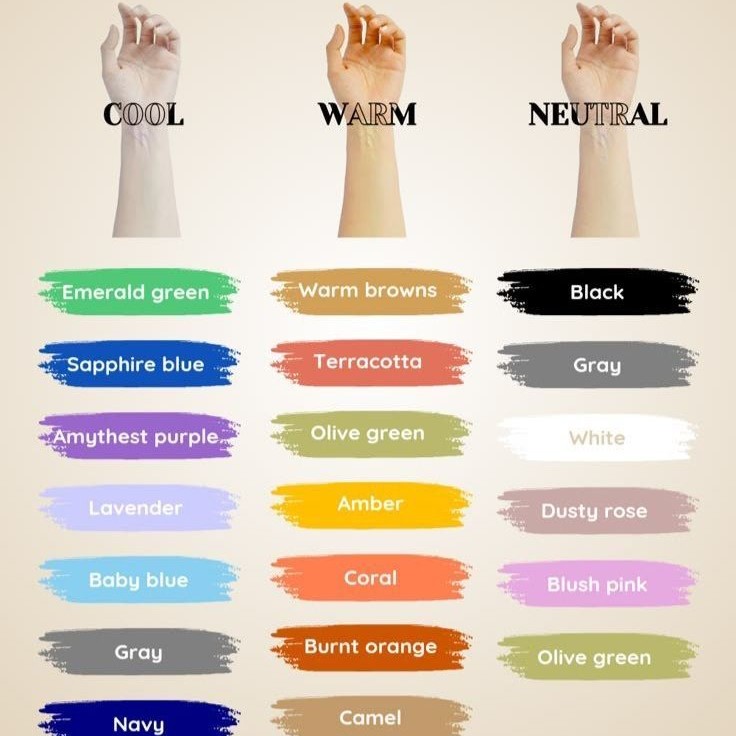
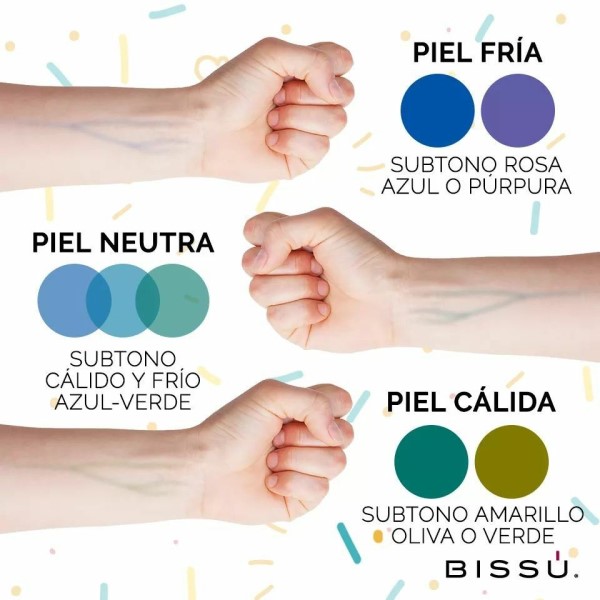
What colors look good on pale skin? Understanding skin undertones is vital when selecting colors for pale skin. Undertones are the subtle colors beneath your skin’s surface. They can be categorized as cool, warm, or neutral.
- Cool undertones: Skin with hints of pink, red, or blue. Cool undertones pair well with jewel tones, like emerald, sapphire, and ruby.
- Warm undertones: Skin with golden, yellow, or peachy hues. Warm undertones look great in earthy colors, such as rust, olive, and mustard.
- Neutral undertones: A mix of both cool and warm tones. Neutral undertones work with a wide range of colors, from soft pastels to bold hues.
To determine your undertone, check your veins in natural light. Bluish veins often indicate cool undertones, while greener veins suggest warm undertones. If you can’t decide, you may have neutral undertones.
Choosing colors that match your undertones enhances your natural beauty. For pale skin, these complementing shades can brighten your look and boost confidence. Avoid colors that clash with your undertone; they may make your skin look dull or washed out.
Best Neutral Colors for Pale Skin
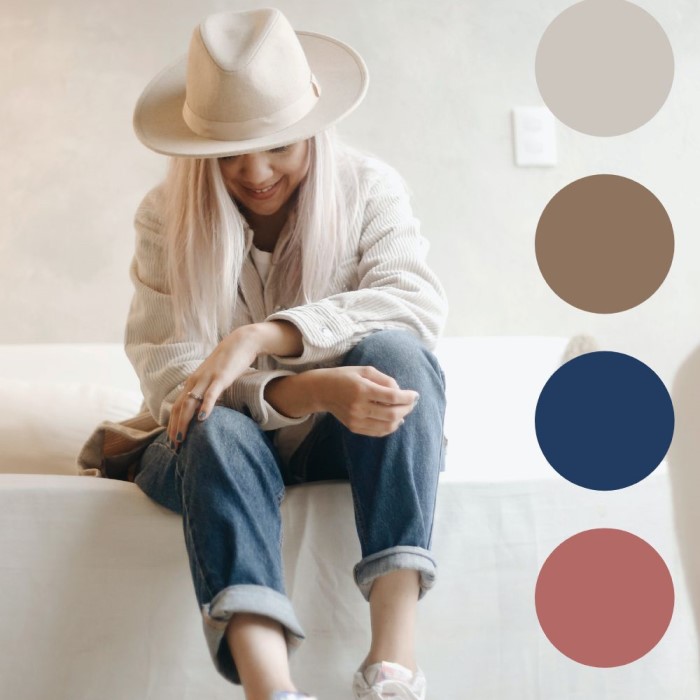
What colors look good on pale skin? Neutral colors are versatile and look great with pale skin. Choosing the right neutral shades is essential to bringing out your natural glow while avoiding a washed-out look. Here are some of the best neutral tones to complement pale skin:
- Soft beige: Light beige shades add warmth to pale skin without overpowering it.
- Cool greys: Cool-toned greys enhance pale skin and work well with cool undertones.
- Ivory and off-white: These shades are better than stark white, offering a soft and elegant appearance.
- Taupe: Taupe is neutral and balances both warm and cool undertones perfectly.
- Blush nude: Light pinkish nudes offer a subtle, flattering contrast to pale complexion.
It’s important to consider your undertones when wearing neutrals. Cool undertones pair best with shades like dove grey or icy taupe. For warm undertones, earthy neutrals like warm beige or soft caramel work beautifully. Neutral undertones can experiment with a mix of both categories.
When styling with neutral colors, add texture or patterns to avoid looking too plain. Try pairing a soft beige blouse with a taupe scarf or a cool grey coat with ivory accents. By selecting the right neutral palettes, you can create a chic, understated look that enhances your natural beauty. Always aim for balance, and let neutral shades complement your pale skin tone effortlessly.
Vibrant Colors That Complement Pale Skin
Vibrant colors can add a lively touch to pale skin. Choosing the right hues is essential. Bright shades bring out natural tones and create a striking appearance. Here are some great vibrant colors to consider:
- Emerald green: A rich and deep green that enhances the complexion beautifully. It works well for cool undertones.
- Ruby red: This bold red adds warmth and creates a stunning contrast with pale skin.
- Royal blue: A velvety blue shade that shines, especially for those with cool undertones.
- Bright coral: A mix of pink and orange that complements warm undertones perfectly.
- Fuchsia: This playful, bold pink adds energy and looks great on neutral undertones.
- Teal: A balanced mix of blue and green, flattering for all undertones.
When choosing vibrant colors, consider your undertones. Cool undertones pair well with jewel tones like emerald and sapphire. Warm undertones look great in shades like coral or peachy pinks. Neutral undertones can experiment with a mix of both.
To style vibrant colors, balance them with neutral or softer shades. For example, pair a royal blue dress with nude heels. Combine a bright coral top with white trousers for an easy, fresh look. Accessories in gold or silver can also enhance your outfit when paired correctly.
Avoid going overboard with too many bright colors. Stick to one vibrant piece and keep the rest of the look subtle. That way, the outfit stands out but doesn’t overwhelm. Experiment with these colors to find what makes your pale skin glow effortlessly.
Choosing Pastel Shades for Pale Skin
Pastel shades can beautifully complement pale skin, adding softness and elegance. These light hues create a delicate balance, enhancing your natural glow without overwhelming your complexion. However, not all pastel tones suit every pale skin type. Selecting the right pastels relies heavily on understanding your skin undertones.
Cool Undertones
- Identifying Cool Undertones
If your skin exhibits pink, red, or blue undertones, you fall into the category of having cool undertones. This characteristic can be easily identified by observing the appearance of your veins; if they appear blue or purple, you likely belong to this group. - Choosing Icy Pastels for Balance
For those with cool undertones, opting for icy pastels is an excellent choice. Colors such as light lavender, mint green, baby blue, and soft pink harmonize beautifully with your skin tone. These shades enhance your natural complexion while providing a fresh, airy look. - Subtle Sophistication
The selection of icy pastels adds a touch of subtle sophistication to your overall appearance. These softer hues can brighten up your wardrobe without overwhelming your natural features. Integrating these colors into your outfits can create an elegant and refined style.
Warm Undertones
- Recognizing Warm Undertones
If your skin has golden, peachy, or yellow undertones, you possess warm undertones. A quick way to identify this is to look at the veins on your wrists; if they appear greenish, these warm tones are likely present. - Embracing Creamy Pastels
For those with warm undertones, creamy pastels work exceptionally well. Shades like apricot, pale peach, soft coral, and light yellow complement the warmth of your skin. These hues not only enhance your natural glow but also contribute to a radiant and cheerful appearance. - Creating a Radiant Finish
Wearing creamy pastels creates a harmonious balance and imparts a radiant finish to your overall look. These colors amplify the warmth in your complexion, making you appear more lively and vibrant. Incorporating these shades into your wardrobe brings out your skin’s best features.
Neutral Undertones
- Understanding Neutral Undertones
Those with neutral undertones have a mix of both cool and warm tones in their skin. This means that you can wear a wider variety of colors without them clashing with your natural complexion. Identifying this can be done by checking if your veins appear to be a blend of both blue and green. - Experimenting with Various Pastel Tones
If you have neutral undertones, you have the liberty to experiment with an array of pastel tones. Shades like lavender, soft lilac, pastel green, and muted peach provide wonderful options for enhancing your wardrobe. This versatility allows for creativity in styling. - A Balanced Wardrobe
By incorporating pastel colors that work well with your neutral undertones, you create a well-rounded and balanced wardrobe. These shades can be mixed and matched easily, ensuring that your outfits remain fresh and engaging. Trying out different tones offers endless possibilities for personal expression in your fashion choices.
While wearing pastels, avoid going too pale, as it may wash out your complexion. Choose pastel shades with slightly warmer or cooler accents based on your undertones. Pair pastels with white for a clean, refreshing look or soft greys for a subtle contrast.
Incorporate pastels into your wardrobe through accessories or clothing pieces. A pastel blazer, scarf, or shoes can immediately elevate your outfit. Pastel hues also work well for special occasions, adding charm and a dainty touch.
Layering pastels with different textures can add depth to your outfit. For example, a pastel pink sweater paired with a lace white top creates an elegant, layered look. Use pastel shades wisely, and youll enhance your pale skin beautifully. This will add a soft, fresh vibe to your overall style.
Colors to Avoid for Pale Skin
Choosing the right colors can brighten your pale skin. Similarly, certain colors may not work well and should be avoided as they can make your complexion appear dull or washed out. Knowing which shades to steer clear of ensures a more flattering look.
1. Very Pale or Washed-Out Colors
Avoid shades that closely match your skin tone. Colors like stark white, beige, or light grey can blend in too much with pale skin, creating a monotonous appearance. If you love these colors, choose variations like ivory or taupe that provide subtle contrast.
2. Neon or Overly Bright Colors
Neon colors can clash with pale skin, making it appear even lighter. Bright, fluorescent shades like neon green, yellow, or orange can overpower your natural tone.
3. Yellow and Gold Tones
For those with cool undertones, avoid yellow or gold tones. These hues can highlight any redness in your skin and create an imbalance. On the other hand, if you have warm undertones, lean toward muted or softer variations.
4. Pastels Without Contrast
Certain very light pastels, especially those without contrasting textures, can wash out pale skin. Faint lavender or powder yellow tones may cause your complexion to look less vibrant. Choose pastels with depth or richer hues instead.
5. Olive or Muddy Shades
Olive or dull browns may overpower pale skin and make it appear less lively. These colors often do not provide the contrast pale complexions need and can result in an unflattering effect.
To sum up, be mindful of colors that don’t complement your natural undertones or wash out your complexion. Balance is key—opt for shades that highlight your features rather than overshadow them.
Seasonal Color Trends for Pale Skin Tone
Seasonal color trends can inspire unique styles for pale skin. Each season brings fresh palettes.
Spring
Spring colors are light and cheerful. Soft pastels like peach, mint, and lavender brighten pale skin. Pair these hues with neutral accents for a balanced look. Warm undertones shine in buttery yellow or coral tones that enhance radiance.
Summer
Summer is perfect for vibrant and cool tones. Jewel shades like emerald, sapphire, and fuchsia work beautifully. Cool undertones pair well with icy blues and bright reds. Light neutrals such as ivory or dove grey complete summer outfits.
Autumn
Autumn colors are warm and earthy. Pale skin glows with rusty oranges, mustard yellow, and toffee shades. Warm undertones benefit from deep hues like burgundy or forest green. Pairing these colors with soft beige adds elegance.
Winter
Winter calls for bold and dramatic colors. Pale skin looks stunning in ruby red, navy blue, and deep plum. Cool undertones pair well with silver accents or icy pastels. Neutral undertones can mix bold tones with soft greys for a chic look.
Seasonal trends allow experimentation with tones that suit your skin. Choose shades that complement undertones and enhance your natural beauty.
Fashion Tips for Wearing Colors with Pale Skin
Styling colors to suit pale skin requires a blend of thoughtful selection and careful coordination. Here are some fashion tips to enhance your look:
1. Balance Brights with Neutrals
- Pair vibrant colors with neutral tones for a cohesive outfit.
- For example, try a bold emerald skirt with a soft beige top or neutral blazer.
2. Embrace Accessories for Contrast
- Use accessories like scarves, belts, or jewelry to balance overpowering colors.
- A pastel scarf can soften the intensity of a royal blue dress.
3. Textures Make a Difference
- Combine different fabrics to add depth to your outfit.
- Pair a silky coral blouse with a textured skirt for a dynamic look.
4. Choose Flattering Patterns
- Wear patterns with shades that match your undertones.
- Floral designs or geometric patterns can enhance your complexion.
5. Avoid Wearing Just One Hue
- Avoid monotone outfits that match your skin tone too closely.
- Break up similar shades with pops of color or darker contrasts.
6. Use Layers Creatively
- Add a chic jacket or scarf to create a polished, balanced ensemble.
- A camel coat works wonderfully over an ivory blouse or pastel sweater.
7. Experiment with Different Shades
- Do not shy away from trying various shades of your favorite colors.
- A softer peach may suit you better than a bright orange, depending on your undertone.
Dressing for pale skin is about accentuating features with the right colors and styles. Remember to wear what makes you feel confident. A little creativity goes a long way in making your look standout while complementing your pale skin.
Conclusion: Finding Your Perfect Color Palette
In summary, knowing what colors look good on pale skin can significantly enhance your wardrobe choices and overall appearance. Understanding your undertones allows you to select hues that complement your complexion beautifully.
As you explore different styles and make choices for 2026, keep these tips in mind to create outfits that make you feel confident and radiant. Remember, fashion is an expression of your personality, so embrace colors and styles that resonate with you. Happy styling as you embark on a vibrant journey of self-expression through your wardrobe!