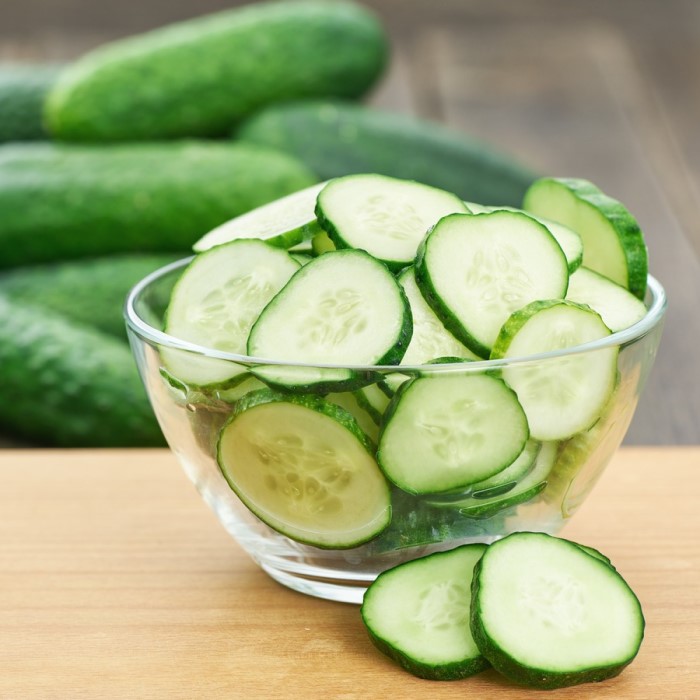
Is Cucumber Skin Good for You? Discover Its Nutritional Benefits
Introduction: Is Cucumber Skin Good for You?
If you’ve ever dined on salads or sandwiches, you might have experienced the question: is cucumber skin good for you? This seemingly simple query reveals layers of nutritional insight. Cucumbers are often celebrated for their refreshing taste and high water content, but what about the skin? Many people debate whether to peel cucumbers or not, often discarding the skin. However, research suggests that cucumber skin offers significant health benefits that many overlook.
This article delves into the nutritional profile of cucumber skin, its health benefits, and practical ways to include it in your diet. By understanding the advantages of cucumber skin, you can make informed dietary choices that enhance your overall well-being.
Nutritional Profile
Cucumber skin is packed with nutrients essential for overall health and wellbeing. Retaining the skin of cucumbers while consuming them can offer various health advantages stemming from its impressive nutritional composition. Below are the major nutrients found in cucumber skin.
Vitamins and Minerals Found in Cucumber Skin
Cucumber skin contains key vitamins and minerals that support various bodily functions:
- Vitamin K: Crucial for blood clotting and bone health.
- Vitamin C: Boosts the immune system and promotes healthy skin.
- Potassium: Helps regulate blood pressure and maintain heart health.
- Magnesium: Supports muscle function and energy production.
- Trace Minerals: Elements like manganese contribute to metabolic processes.
Eating cucumber skin can enhance your daily intake of these vitamins and minerals. Choosing unpeeled cucumbers ensures you don’t miss out on these natural nutrients.
Antioxidants
Cucumber skin is rich in antioxidants, which combat oxidative stress and protect cells:
Beta-Carotene
- Promotes Eye Health: Beta-carotene is a powerful antioxidant that the body converts into vitamin A. This vitamin is essential for maintaining good vision and preventing night blindness. It plays a vital role in the health of the retina and helps in the functioning of photoreceptor cells in the eyes.
- Protects Against Free Radicals: As an antioxidant, beta-carotene helps neutralize free radicals—unstable molecules that can cause oxidative stress and damage cells. By protecting the body from oxidative damage, beta-carotene contributes to overall health and may reduce the risk of various diseases.

Lutein and Zeaxanthin
- Essential for Maintaining Vision: Lutein and zeaxanthin are carotenoids found in high concentrations in the retina. They help in filtering harmful high-energy blue light and protecting the eyes from damage. This filtration process is crucial for maintaining optimal visual function.
- Reducing the Risk of Eye Diseases: Studies have shown that diets rich in lutein and zeaxanthin can lower the risk of age-related macular degeneration (AMD) and cataracts. These conditions are leading causes of vision loss as people age. By incorporating these nutrients into the diet, individuals may help safeguard their eyesight as they grow older.
Flavonoids
- Help Combat Inflammation: Flavonoids are a group of phytonutrients that exhibit anti-inflammatory properties. They can help reduce inflammation in the body, which is crucial for managing chronic diseases and promoting overall health. Chronic inflammation is linked to various health issues, including heart disease and diabetes.
- Boost Cardiovascular Health: Research indicates that flavonoids may lower blood pressure, improve blood flow, and reduce the risk of heart disease. By promoting healthy blood vessel function and reducing cholesterol levels, these compounds contribute to better cardiovascular health and overall heart function.
Polyphenols
- Aid in Preventing Chronic Diseases: Polyphenols are antioxidants that have been linked to a reduced risk of chronic diseases. They help combat oxidative stress and inflammation, two major contributors to many health conditions. Including polyphenol-rich foods in the diet can support long-term health.
- Including Cancers: Some studies suggest that polyphenols may help lower the risk of certain types of cancers. They can inhibit the growth of cancer cells, induce apoptosis (programmed cell death), and prevent the spread of tumors. This potential protective effect against cancers makes polyphenols an essential component of a healthy diet.
Antioxidants in cucumber skin play a crucial role in promoting long-term health by reducing damage caused by harmful molecules. Regular inclusion of cucumber skin in your diet ensures you benefit from these essential compounds.
Incorporating cucumber skin in your meals provides an increase in nutrient density without the need for supplements, making it both cost-effective and beneficial for a healthy lifestyle.
Health Benefits
Cucumber skin offers numerous health benefits, making it a fantastic addition to your diet. Packed with essential nutrients, cucumber skin can improve hydration, support skin health, aid digestion, and help with weight management.
Promotes Hydration and Supports Skin Health
Cucumber skin holds water content, promoting hydration for your body. Staying hydrated improves overall health and skin appearance. The skin also contains Vitamin C, which supports collagen production and rejuvenates the skin. Antioxidants like beta-carotene in the skin protect against harmful free radicals and reduce inflammation. Including cucumber skin in your diet can enhance your hydration levels and deliver nutrients for glowing, healthy skin.

Improves Digestion Through Dietary Fiber
Cucumber skin is rich in dietary fiber, a vital component for digestive health. Fiber adds bulk to stool, ensuring smooth bowel movements and preventing constipation. It also feeds beneficial gut bacteria, enhancing digestive function. Consuming cucumber skin regularly can improve gut health and reduce digestive issues naturally.
Aids in Weight Management
Cucumber skin is low in calories and high in fiber, making it ideal for weight management. Fiber helps you feel fuller for longer, reducing hunger cravings and preventing overeating. The water content in cucumber skin also supports hydration, boosts energy levels, and promotes metabolism. Adding cucumber skin to meals can aid weight loss and help maintain a healthy lifestyle.
Comparison Between Peeled and Unpeeled Cucumbers
Choosing between peeled and unpeeled cucumbers depends on your nutritional and flavor preferences. Let’s explore the differences.
Nutrient Differences
Unpeeled cucumbers retain their natural skin, which contains most of the nutrients. The skin is rich in vitamins and minerals like Vitamin K, Vitamin C, potassium, and magnesium. Additionally, the antioxidants in the skin, such as beta-carotene and polyphenols, are beneficial for reducing oxidative stress and promoting long-term health.
In contrast, peeling cucumbers significantly reduces their nutrient content. Removing the skin strips away dietary fiber, which is essential for digestion. Also, antioxidants and other essential compounds are lost, making peeled cucumbers less nutrient-dense than their unpeeled counterparts.
For maximum health benefits, it is better to consume cucumbers with the skin intact. However, ensure they are well-washed to minimize pesticide exposure.
Effect on Flavor and Texture
The skin of cucumbers provides a slightly bitter taste and a firm texture. Many people enjoy this mild bitterness, as it adds depth to salads and dishes. Additionally, the crunchy texture of the skin enhances the eating experience, making it more satisfying.
On the other hand, peeled cucumbers offer a milder flavor and a smoother texture. This is preferred by those who dislike the bitterness or struggle with chewing tougher textures. Peeled cucumbers are ideal for smoothies, soups, or recipes requiring a softer consistency.
Ultimately, whether to peel cucumbers depends on personal taste and dietary goals. Opt for unpeeled cucumbers if you prioritize nutrition, or peel them for a gentler flavor and texture.
Best Ways to Include Cucumber Skin in Your Diet
Is cucumber skin good for you? Eating cucumber skin is a healthy and simple way to boost your nutrition. By keeping the skin intact, you get more vitamins, minerals, and fiber. You can include cucumber skin in your meals in creative and delicious ways. Try incorporating it into recipes or following tips for preparation to enjoy its benefits fully.
Recipes That Incorporate Cucumber Skin
- Salads: Add cucumber slices with skin to your salads for extra crunch and nutrients.
- Pair with leafy greens, tomatoes, and your favorite salad dressing.
- Smoothies: Blend cucumbers, skin included, with fruits like lemon or berries for a refreshing drink.
- This adds vitamins and extra fiber to your smoothie.
- Cucumber Chips: Slice cucumbers with skin thinly, season, and bake for a healthy snack.
- Use olive oil, salt, and pepper for flavor.
- Pickles: Make homemade pickles by pickling unpeeled cucumber slices in vinegar and spices.
- Unpeeled cucumbers retain a firmer texture for pickles.
- Wrap Fillings: Use sliced cucumbers with skin in wraps or sandwiches for added crunch.
- Combine with protein sources like chicken or hummus.
- Stir-Fries: Add skin-on cucumber chunks to your vegetable stir-fries.
- The skin retains crispness even when cooked.
- Garnishes: Use ribboned or thin strips of skin to decorate dishes.
- This adds a visual appeal and more nutrients.
Tips for Preparing Cucumbers with Skin
- Wash Thoroughly: Always wash cucumbers thoroughly under running water to remove dirt and chemicals.
- Use a vegetable brush for better cleaning if needed.
- Choose Organic: Opt for organic cucumbers to reduce pesticide exposure.
- Organic ones are safer if eaten with skin.
- Scrub the Skin: Scrub the cucumber skin if not organic to remove waxy coatings or residues.
- Look for food-grade waxing on conventional cucumbers.
- Slice Thinly: Cut cucumbers with their skin into thin slices for easier chewing.
- Thin slices also blend better in salads and recipes.
- Trim the Ends: Always cut off the ends of cucumbers before using them.
- The ends may contain concentrated bitterness.
- Store Properly: Keep cucumbers in the refrigerator to maintain freshness and prevent wilting.
- Place them in a sealed bag to keep them crisp.
Including cucumber skin in your meals not only enhances the flavor and texture but also provides significant health benefits. Keep these tips and recipes in mind to enjoy cucumbers the healthy way!
Potential Risks and Considerations
Is cucumber skin good for you? Cucumber skin provides great nutrients but may pose potential risks. Addressing these risks ensures safe consumption. Knowing how to handle and consume cucumber skin wisely is essential for health.
Managing Pesticides and Chemicals
Cucumber skin may retain pesticides and chemicals used in farming. These residues can be harmful if ingested. To minimize risk:
- Wash Thoroughly: Rinse cucumbers under clean water before eating.
- Use Vegetable Brush: Scrub the skin to remove wax or dirt.
- Choose Organic: Organic cucumbers have fewer pesticides and are safer to eat unpeeled.
- Peel if Necessary: Remove the skin if unsure about chemical contamination.
Proper cleaning or using organic cucumbers ensures a safer experience when eating skin.
Who Should Avoid Eating Cucumber Skin
Though cucumber skin is healthy for many, it might not suit everyone. Certain groups should limit or avoid it:
- Sensitive Digestion: People with digestive issues might find the skin too fibrous.
- Allergic Reactions: Some individuals might have allergies to skin.
- Young Children: Tough skin may be hard for kids to chew and digest.
- Weakened Immunity: Vulnerable groups might face risks from pesticide residues.
For those concerned, peeling cucumbers might be a better choice. Consulting a doctor can also help determine suitability.
Recognizing and managing the risks associated with cucumber ensures safe and enjoyable consumption. Choose wisely based on your dietary needs and health condition.
Environmental Benefits
Retaining cucumber skin provides significant environmental advantages. It supports food waste reduction and sustainable practices.
Reducing Food Waste by Retaining Skin
Eating cucumbers with skin reduces food waste effectively. Often, peeling cucumbers discards nutrient-rich skin unnecessarily. By consuming cucumbers unpeeled, you utilize their full nutritional value and reduce waste.
Cucumber peels often end up in landfills, contributing to environmental issues. These peels release methane during decomposition, a harmful greenhouse gas. Avoiding the removal of cucumber skin prevents this waste and minimizes environmental impact.
Additionally, using unpeeled cucumbers in recipes eliminates the need for discarded peels. This approach ensures fewer organic scraps and promotes efficient food usage. It aligns with modern efforts to manage food waste responsibly.
Sustainability Advantages
Eating cucumber skin encourages sustainable eating habits. Keeping the skin retains a more natural form of the vegetable. It avoids energy-consuming processing steps like peeling, which require resources and labor.
Farming practices benefit from reduced peeling as well. Minimizing skin removal improves the efficiency of cucumber utilization, supporting eco-friendly agricultural efforts.
Choosing unpeeled cucumbers also boosts awareness about sustainable consumption. Opting for organic cucumbers further supports environmentally conscious practices. Organic farming uses fewer chemicals, benefiting ecosystems and reducing harmful residues.
By retaining cucumber skin, you help improve sustainability while enjoying health benefits. This simple choice positively impacts the planet in meaningful ways.
Conclusion
The question, is cucumber skin good for you? can be answered with an emphatic yes. Cucumber skin is packed with antioxidants, vitamins, and fiber, all of which contribute positively to your health. From promoting hydration and skin health to supporting weight management, the benefits are numerous.
Incorporating cucumber skin into your diet is simple and can enhance your meals in various ways. Remember to wash cucumbers thoroughly or choose organic varieties to ensure safety. Embrace this nutritious part of the cucumber in your daily diet and enjoy the many health benefits it offers. So the next time you slice a cucumber, think twice before peeling. Your health may benefit from enjoying this overlooked skin!