Is Niacinamide Good for Dry Skin? Key Reasons for 2026 Use
Contents
hide
Introduction to Niacinamide and Its Effects on Skin
As we continue to explore skincare in 2026, many people are looking for solutions to common skin issues. One ingredient that has gained significant attention is niacinamide. A form of vitamin B3, niacinamide has been widely praised for its numerous skin benefits. But is niacinamide good for dry skin? This article investigates its advantages for individuals with dry skin. Moreover, we will explain why you should consider incorporating niacinamide into your skincare routine this year.
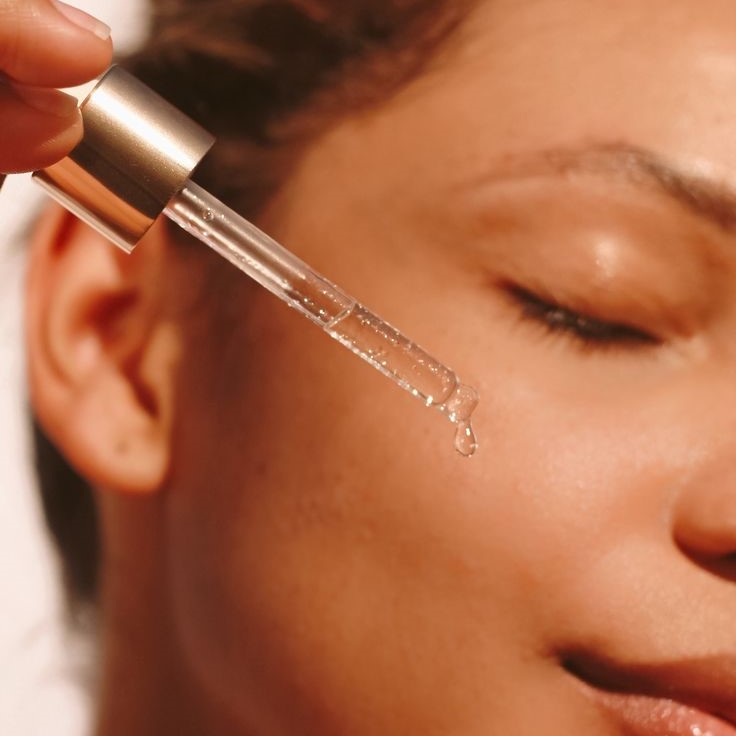
Understanding dry skin is crucial when discussing skincare ingredients. Dry skin can lead to flaking, irritation, and discomfort. Therefore, finding effective solutions is essential for maintaining healthy skin. Niacinamide can be an exceptional addition to dry skin treatment plans. As we explore its benefits, you will discover why it is a go-to choice for many skincare enthusiasts in 2026.
What is Niacinamide?
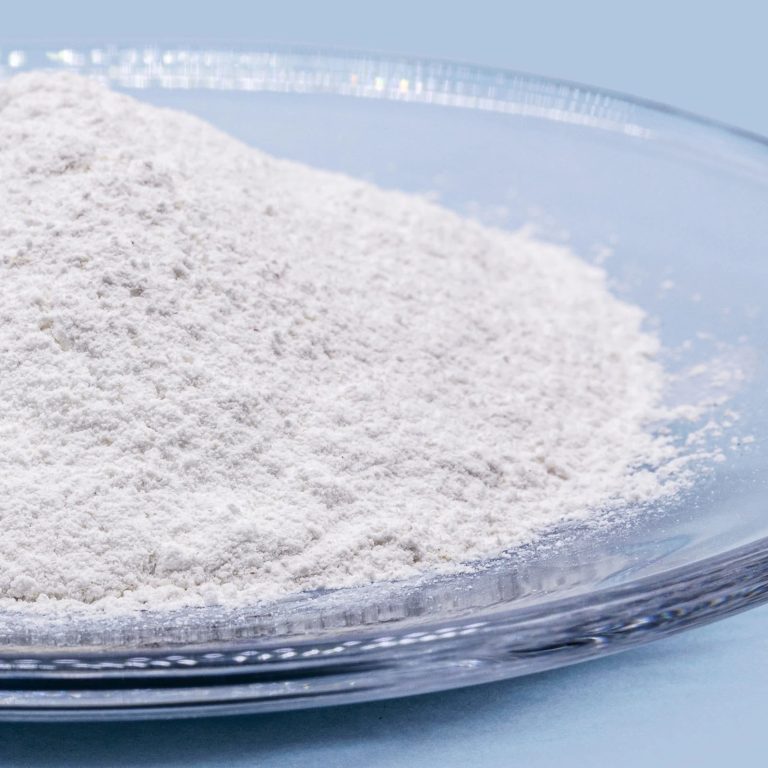
Niacinamide, also called nicotinamide, is a form of vitamin B3. It is a water-soluble vitamin essential for the body’s functions. Niacinamide is commonly used in skincare products due to its multiple benefits for the skin. It is a non-irritating ingredient suitable for various skin types, including dry skin.
Niacinamide supports the skin by improving its barrier function. It helps strengthen the outer layer of the skin, protecting it against environmental stressors. This makes it a valuable ingredient for people dealing with dry, flaky, or sensitive skin.
This vitamin B3 derivative also plays a crucial role in regulating sebum production. It helps maintain the skin’s natural moisture balance, preventing excessive dryness or oiliness. Additionally, niacinamide has anti-inflammatory properties, making it beneficial for reducing redness and irritation.
Niacinamide is known for its brightening effects on the skin. It can fade dark spots and even out skin tone, offering a more radiant complexion. Furthermore, it boosts the skin’s ability to repair itself by enhancing cellular energy production.
In summary, niacinamide is a versatile ingredient that promotes healthier, more resilient skin. Its ability to hydrate, protect, and soothe makes it particularly good for dry skin.
How Niacinamide Benefits Dry Skin
Niacinamide offers numerous benefits for dry skin, making it a popular choice in skincare routines.
1. Enhances Skin Barrier Function
Niacinamide strengthens the skin’s natural barrier. A robust barrier helps retain moisture and shields the skin from environmental damage. This prevents further dehydration and promotes healthier skin.
2. Improves Hydration
Niacinamide helps the skin retain water by improving its moisture-binding capabilities. It boosts natural ceramide production, which plays a key role in maintaining hydration levels.
3. Reduces Redness and Irritation
Dry skin often comes with redness and sensitivity. Niacinamide’s anti-inflammatory properties soothe irritation and calm the skin.
4. Prevents Moisture Loss
Niacinamide minimizes transepidermal water loss (TEWL), the loss of water through the skin. This helps maintain soft, supple skin even in harsh environments.
5. Supports Skin Repair
Dry skin can lead to cracks and damage. Niacinamide aids in repair by enhancing cellular energy, allowing the skin to heal faster.
6. Brightens and Evens Skin Tone
Dry skin may appear dull and uneven. Niacinamide brightens the complexion, fades dark spots, and improves overall skin tone, giving a healthy glow.
Using niacinamide regularly can significantly enhance the condition of dry skin. Its ability to hydrate and protect makes it a standout ingredient for those dealing with dryness.
Role of Niacinamide in Moisture Retention
Niacinamide plays a vital role in retaining skin moisture. It enhances the skin’s ability to lock in hydration.
Strengthens Skin Barrier
Niacinamide strengthens the skin’s lipid barrier. A strong barrier reduces water loss and improves hydration.
Boosts Ceramide Production
Ceramides are essential for skin moisture. Niacinamide helps boost ceramide levels for better water retention.
Prevents Dehydration
Dry environments can strip moisture from the skin. Niacinamide prevents dehydration by maintaining moisture balance.
Reduces Transepidermal Water Loss
Niacinamide minimizes water escape through the skin. This ensures hydration remains within the skin layers.
Enhances Skin Texture
Adequate moisture improves skin texture. Niacinamide smoothens rough, dry patches for a softer appearance.
Using niacinamide regularly can help your skin stay hydrated and healthy. Its moisture-retaining power makes it ideal for dry skin.
Comparing Niacinamide with Other Skin Care Ingredients for Dry Skin
When choosing skin care products for dry skin, it’s important to compare ingredients. Niacinamide stands out for its versatility, but how does it measure up against other ingredients? Below, we compare it with some popular options for dry skin care.
Hyaluronic Acid
- Hydration: Hyaluronic acid hydrates by attracting moisture to the skin. Niacinamide enhances moisture retention by improving the skin’s barrier.
- Additional Benefits: While hyaluronic acid mainly focuses on hydration, niacinamide also helps with reducing redness, irritation, and improving skin tone.
- Best Use: Combine these two for maximum hydration and overall skin improvement.
Ceramides
- Function: Ceramides are lipids that directly restore the skin barrier. Niacinamide boosts ceramide production within the skin.
- Compatibility: Niacinamide works well to amplify the benefits of ceramide-rich products.
- Best Use: Together, they provide a powerful solution for very dry and damaged skin.
Glycerin
- Hydration: Glycerin draws water to the skin, providing immediate and deep hydration. Niacinamide, on the other hand, helps maintain hydration, preventing moisture loss.
- Other Benefits: Glycerin mainly focuses on hydration. Niacinamide offers added benefits, like brightening and calming.
- Best Use: Use both for a long-lasting and soothing hydration boost.
Squalane
- Moisturizing Properties: Squalane mimics the skin’s natural oils, providing deep and rich moisture. Niacinamide contributes to hydration by improving the skin’s water-retaining capacity.
- Suitable for: Squalane works well for very dry skin, while niacinamide provides additional anti-inflammatory and skin-brightening effects.
- Best Use: Pair niacinamide with squalane for comprehensive hydration and skin repair.
Vitamin C
- Brightening Effects: Both help in brightening skin tone, but niacinamide works better for sensitive and dry skin.
- Skin Sensitivity: Vitamin C can sometimes cause irritation, while niacinamide is gentle and soothing.
- Best Use: Use them at different times of the day for a balanced skin care routine.
The Verdict
Niacinamide is highly versatile for dry skin. Its ability to hydrate, repair, and protect sets it apart. While other ingredients focus on specific benefits, niacinamide offers multiple advantages. It’s an excellent choice for those seeking brighter, calmer, and more moisturized skin. Still, combining niacinamide with other ingredients like hyaluronic acid and ceramides can deliver even better results.
How to Incorporate Niacinamide into Your Skin Care Routine
Niacinamide fits easily into most skincare routines. Start with choosing the right niacinamide product.
Select Optimal Niacinamide Concentration
- Look for products with 2-10% niacinamide.
- Low concentrations suit sensitive skin; higher work well for targeted concerns.
Begin Slowly
- Apply niacinamide once daily in the morning or evening.
- Gradually increase to twice daily if needed.
Layer Properly
- Cleanse and tone your skin before using niacinamide.
- Apply niacinamide serums before heavier creams or oils.
Combine with Complementary Ingredients
- Pair niacinamide with hyaluronic acid for better hydration.
- Use alongside ceramides for extra barrier support.
Use Sunscreen
- Niacinamide enhances skin repair but doesn’t protect against UV damage.
- Always follow with sunscreen during the day.
Watch for Compatibility
- Avoid layering niacinamide with acidic products like vitamin C initially.
- Use them at different times to minimize irritation.
Adjust Your Routine As Needed
- Monitor your skin’s reaction to niacinamide.
- Reduce use if irritation or redness occurs.
Incorporating niacinamide effectively can improve hydration, texture, and overall skin health. Follow these steps for optimal results. Use “is niacinamide good for dry skin” as your guide for product selection.

Potential Side Effects of Niacinamide on Dry Skin
Niacinamide is generally well-tolerated, but it may cause minor side effects in some users. These can vary depending on individual skin sensitivity.
1. Mild Redness or Flushing
Some people may experience temporary redness when they first use niacinamide. This occurs when the skin adjusts to the product and usually fades with continued use.
2. Irritation or Itching
Niacinamide can occasionally cause skin irritation or itching, especially in sensitive skin types. Use a lower concentration, such as 2-5%, to minimize these effects.
3. Breakouts
Some users report breakouts after starting niacinamide. This may happen due to skin purging or reaction to other product ingredients.
4. Allergic Reactions
Rarely, niacinamide might cause an allergic reaction. Symptoms include hives, swelling, or severe irritation. Discontinue use and consult a dermatologist if this occurs.
How to Avoid Side Effects
- Patch Test First: Apply a small amount to a small skin area and observe for 24 hours.
- Start with Low Concentration: Choose products with niacinamide concentrations between 2-5% initially.
- Avoid Overusing: Excessive use can irritate your skin; stick to recommended amounts.
- Monitor Other Products: Niacinamide might interact with certain acids like vitamin C in active forms. Use them at alternate times.
Though rare, these side effects remind us to introduce skincare ingredients slowly. Ensure you monitor your skin’s response when using niacinamide. Always consult a dermatologist if severe or persistent reactions arise.
Tips for Choosing the Right Niacinamide Products for Dry Skin
Selecting the right niacinamide product can enhance your skincare routine for dry skin. Here are some essential tips to help you make the best choice:
1. Check the Niacinamide Concentration
- Choose products with a concentration between 2% and 10% of niacinamide.
- Lower percentages, like 2-5%, are great for sensitive or extremely dry skin.
- Higher percentages, such as 10%, work well for targeted concerns like fine lines or dark spots.
2. Look for Moisturizing Ingredients
- Opt for niacinamide products with added humectants like glycerin or hyaluronic acid.
- Consider formulations containing ceramides to enhance your skin’s barrier function.
3. Select Hydrating Formulas
- Serums, gels, and creams work well for dry skin due to their moisturizing properties.
- Avoid alcohol-based or harsh formulations that may dry out your skin further.
4. Choose Gentle Products
- Pick niacinamide products designed for sensitive skin, tested for irritation or allergies.
- Avoid products with unnecessary fragrances or harsh additives that could irritate dry skin.
5. Consider the Brand’s Reputation
- Opt for trustworthy skincare brands known for dermatologically-approved products.
- Check for reviews and recommendations to ensure the product works for dry skin.
6. Test Before Use
- Always perform a patch test before applying it to the entire face.
- Apply a small amount to see if any irritation or redness develops within 24 hours.
7. Pair Niacinamide with Complementary Products
- Combine with ceramide-rich moisturizers or hydrating serums containing hyaluronic acid for added benefits.
- Avoid pairing niacinamide with highly acidic products initially to avoid reactions.
8. Look for UV Protection Complement
- Niacinamide supports skin repair but doesn’t provide sunscreen protection.
- Use niacinamide with SPF-containing products during the day.
Following these tips ensures you enjoy hydration and repair benefits from niacinamide. Choose products designed to tackle dryness effectively for healthier skin.
Frequently Asked Questions About Niacinamide and Dry Skin
What is niacinamide, and how does it help dry skin?
Niacinamide is a form of vitamin B3. It improves the skin barrier, retains moisture, and reduces irritation. These properties make it highly beneficial for managing dry, sensitive skin.
Can niacinamide worsen dry skin?
Niacinamide is generally well-tolerated and safe. However, overuse or high concentrations might cause irritation. People with sensitive skin should start with products containing 2-5% niacinamide.
How often should I use niacinamide for dry skin?
Begin by applying niacinamide once daily. Gradually increase to twice daily if well-tolerated. Always monitor your skin’s response and adjust as needed.
Can I use niacinamide with other skincare ingredients?
Yes, niacinamide is versatile and works well with ingredients like hyaluronic acid and ceramides. Be cautious when combining it with highly acidic products like vitamin C. Use them at different times to avoid potential irritation.
Does niacinamide work for extremely dry skin?
Absolutely! Niacinamide is effective for all levels of dryness. Pair it with moisturizing products containing glycerin, ceramides, or hyaluronic acid for better results.
Are there any side effects?
Niacinamide is safe for most people. Minor side effects might include redness or itching. Perform a patch test before applying widely to avoid reactions. Discontinue use if severe irritation occurs.
How long does it take to see results from using niacinamide?
Visible results may take 4-8 weeks. Results, such as improved hydration and brighter skin tone, need consistent use.
Is niacinamide suitable for sensitive or allergy-prone skin?
Yes, niacinamide is gentle and soothing, making it ideal for sensitive or allergy-prone skin. Opt for low-concentration products initially.
Can I use niacinamide during all seasons?
Yes, niacinamide is effective year-round. It protects against environmental stressors like cold or heat. Use sunscreen in hot weather since it doesn’t provide sun protection.
Can I use niacinamide if I have acne-prone and dry skin together?
Yes, niacinamide works for all skin types. It reduces redness, regulates oil, and soothes irritation. This makes it suitable for managing both dryness and breakouts.
Is it safe to use niacinamide during pregnancy?
Niacinamide is generally considered safe for use during pregnancy. However, consult your healthcare professional before adding it to your routine.
Can niacinamide replace my moisturizer?
No, niacinamide boosts hydration but doesn’t serve as a complete moisturizer. Use it alongside a hydrating moisturizer for optimal effects.
Niacinamide is a versatile skincare ingredient with multiple benefits for dry skin. Use it properly and complement it with other hydrating products for the best results.
Conclusion: Is Niacinamide Good for Dry Skin?
Is niacinamide good for dry skin? In conclusion, yes, niacinamide is indeed good for dry skin. Its ability to enhance hydration, improve barrier function, and soothe irritation makes it a top choice for those struggling with dry skin issues. With numerous benefits and minimal side effects, it’s no wonder that niacinamide is gaining popularity in 2026 skincare routines.
Incorporating niacinamide into your daily regimen could positively impact your skin’s health and appearance. Whether you are new to skincare or a long-time enthusiast, consider adding this powerful ingredient to your routine and experience its advantages for yourself. By doing so, you can achieve healthier, more radiant skin even in dry conditions.