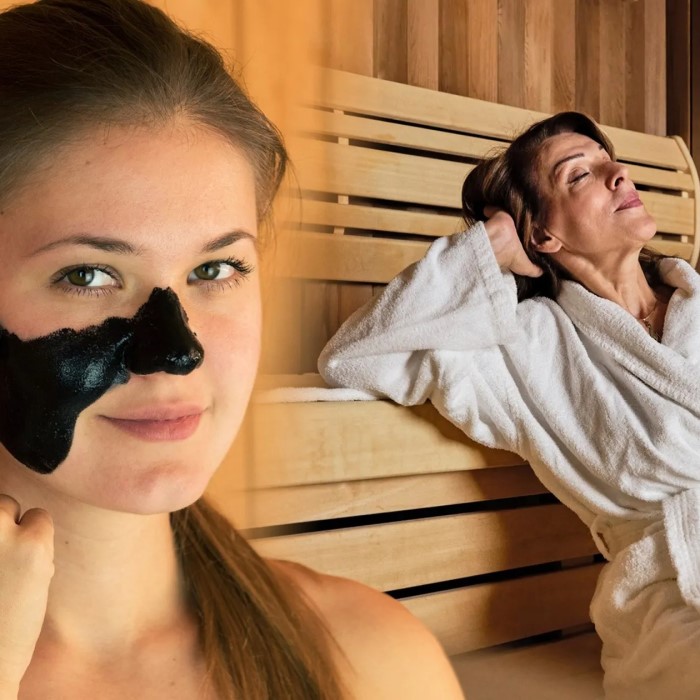
Unlocking Benefits: Is Sauna Good for Skin Health and Beauty?
Introduction: Is Sauna Good for Skin?
Saunas have gained immense popularity over the years as not just a luxury but also a crucial wellness practice. Many people often ask, is sauna good for skin health and beauty? This inquiry opens a door to understanding how heat therapy, in the form of sauna use, can contribute significantly to skin improvement. The answer is yes! Regular use of saunas can enhance the appearance and health of your skin in several beneficial ways. With the body exposed to heat, a range of detoxifying processes occur that can lead to a clearer, more radiant complexion. In this comprehensive article, we will explore the many benefits of saunas for skin health, backed by scientific insights and practical tips.

The Science Behind Sauna and Skin Health
How Saunas Work
Is sauna good for skin? A sauna provides an environment where the air is heated to high temperatures. Traditional saunas can reach about 150-195°F (65-90°C), while infrared saunas may operate at lower temperatures but penetrate the skin more effectively. Irrespective of the type, the central aim is to induce sweating.
What Happens to Your Skin in a Sauna
Sweating
- Natural Response to Heat: When your body is exposed to elevated temperatures, it initiates a natural cooling mechanism through sweating. This response is designed to help regulate body temperature and prevent overheating.
- Cleansing Effects: The process of sweating helps to remove impurities from your skin. As your body sweats, it releases dirt, excess oils, and dead skin cells trapped in your pores. This cleansing action can help prevent clogged pores, which often lead to acne and other skin issues.
- Promoting a Clean Complexion: By reducing the buildup of impurities, sweating contributes to a clearer complexion. Regular sauna sessions can lead to noticeable improvements in skin texture and a reduction in blemishes, leaving your face looking fresher and healthier.
Increased Blood Flow
- Stimulation of Circulation: The heat from a sauna or hot environment causes your blood vessels to dilate, resulting in improved blood flow throughout the body. This increased circulation ensures that blood travels more freely to various tissues and organs, including the skin.
- Enhanced Nutrient Delivery: As blood circulation improves, more oxygen and essential nutrients are delivered to skin cells. Oxygen is crucial for cellular metabolism and keeps skin cells healthy and vibrant. Nutrients, such as vitamins and minerals, help repair damaged skin and promote the growth of new, healthy cells.
- Overall Skin Health and Vitality: By facilitating better blood flow, sweating and increased circulation help to nourish skin cells, promoting a youthful and radiant appearance. Improved circulation can also help in healing wounds, blemishes, and other skin conditions more effectively.

Collagen Production
- Stimulating Collagen Synthesis: Exposure to heat plays a significant role in stimulating the body’s natural collagen production. Collagen is a vital protein that gives skin structure, resilience, and strength.
- Importance of Collagen for Skin Elasticity: As we age, collagen production naturally declines, leading to loss of skin elasticity and firmness. Heat exposure can help counteract this decline by promoting the synthesis of new collagen fibers.
- Reduction of Fine Lines and Wrinkles: With increased collagen production, skin appears firmer, plumper, and more youthful. This can lead to a noticeable reduction in the appearance of fine lines and wrinkles. By maintaining optimal levels of collagen, you contribute significantly to your skin’s overall health and aging process.
Benefits of Sauna for Skin Health
1. Detoxification
Is sauna good for skin? One of the most talked-about benefits of sauna use is detoxification. Sweating in a sauna aids in flushing out toxins that can contribute to various skin issues, such as acne, eczema, and dullness. The sauna environment encourages the body to release impurities that accumulate over time.
2. Improved Complexion
A significant number of sauna enthusiasts experience improved skin complexion. The increased blood circulation during sauna sessions nourishes skin cells while helping to eliminate waste products. This effect can lead to a naturally radiant and healthier complexion.
3. Reduced Inflammation
Saunas possess anti-inflammatory properties that can be beneficial for those with skin conditions like psoriasis or dermatitis. The heat can soothe irritated skin, reduce redness and promote healing. Regular sauna sessions can help keep inflammation at bay, contributing to clearer and healthier skin.
4. Reduced Signs of Aging
Regular sauna use can combat the signs of aging. The heat enhances collagen production, leading to improved skin elasticity and texture. With fewer fine lines and rejuvenated skin, your overall appearance may be greatly enhanced.
5. Enhanced Hydration
Although sweating causes temporary fluid loss, sauna sessions can lead to improved hydration levels in the skin over time. As you sweat, the skin’s natural oil barrier can be replenished post-session through moisturizing treatments, keeping your skin supple and hydrated.

Tips for Maximizing Sauna Benefits for Skin
1. Stay Hydrated
Hydration is crucial before, during, and after sauna use. Drinking sufficient water prevents dehydration that can occur due to excessive sweating. Proper hydration ensures that your skin remains flexible and avoids adverse side effects like dryness or irritation.
2. Cleanse Before Your Session
Using a gentle cleanser before stepping into the sauna helps remove makeup, dirt, and oils from your skin. This cleansing step maximizes the detoxification benefits, allowing sweat to expel impurities more effectively.
3. Moisturize After
Applying a nourishing moisturizer after your sauna session is vital. The skin may be more receptive to products at this time, making it easier to lock in hydration. Look for botanicals, hyaluronic acid, and vitamins that will rejuvenate your skin effectively.
4. Practice Moderation
If you’re new to saunas, start with shorter sessions of about 10-15 minutes. Gradually increase the duration as your body adapts. Most experts recommend a total sauna session of about 20-30 minutes, depending on your comfort level.
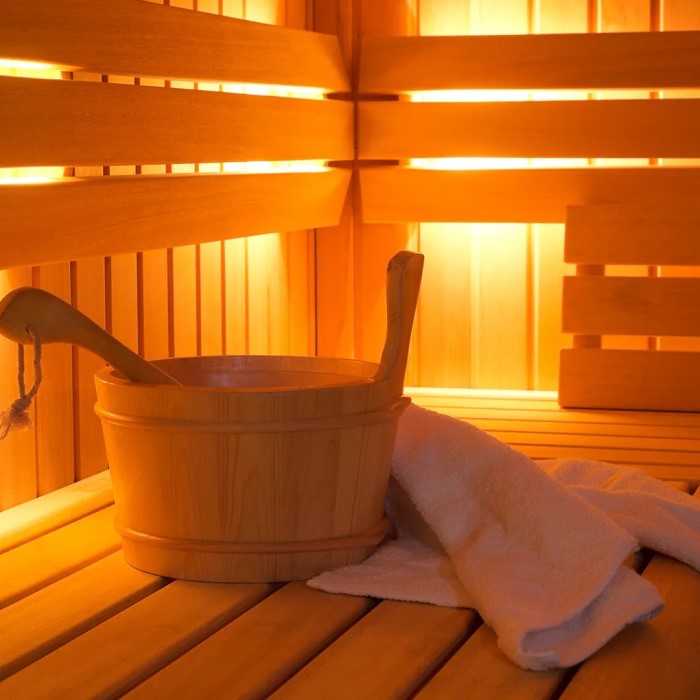
5. Incorporate Essential Oils
Enhancing the Sauna Experience:
Adding essential oils to the sauna not only elevates the sensory experience but also infuses the air with delightful and therapeutic scents. The aromatic qualities of essential oils can create a calming and soothing atmosphere that enhances relaxation during your sauna session.
Relaxation Benefits:
Oils like lavender are renowned for their calming and stress-relieving properties. The soothing aroma of lavender can help reduce anxiety, promote a sense of tranquility, and improve overall mental well-being. This added relaxation can enhance your sauna experience, allowing you to unwind more fully.
Skin Health Properties:
Certain essential oils, such as tea tree oil, have powerful antimicrobial and anti-inflammatory properties. Tea tree oil is often used for its ability to combat acne, soothe irritation, and promote clearer skin. In the humid environment of a sauna, these properties become more effective as the oils can penetrate the skin more readily.
Promoting Moisturization:
When diffused in a sauna, essential oils can also promote healthier skin by supporting proper moisture balance. Many essential oils, like jojoba or argan oil, help retain moisture in the skin, reducing dryness and enhancing hydration levels.
Aromatherapy Benefits:
The inhalation of essential oils during your sauna session is a form of aromatherapy that can have additional benefits for both mind and body. Research suggests that certain essential oils may improve mood, enhance focus, and provide emotional support, making your sauna experience not just a physical cleanse but also a mental rejuvenation.
Usage Guidelines:
When incorporating essential oils, it’s essential to dilute them properly if necessary. Always check the recommended usage for each oil and use a few drops added to a bowl of water or a diffuser designed for sauna use. Some oils can be potent and should be used sparingly to avoid overwhelming scents that may lead to discomfort.
Creating Personalized Blends:
You can experiment with different essential oil combinations to create a personalized blend that suits your preferences and specific needs. For instance, blending eucalyptus oil for respiratory support with peppermint oil for energy can provide a refreshing experience while relaxing in the sauna.
Common Myths About Sauna Use
1. All Toxins Are Eliminated Through Sweating
While sweating helps eliminate some toxins, it’s crucial to note that the liver and kidneys primarily detoxify the body. Saunas facilitate a cleansing process, but they are not the sole detoxification method.
2. You Should Use a Sauna Every Day for Results
While frequent sauna use can be beneficial, it’s not necessary to attend a sauna daily to see results. A consistent routine of two to three times per week is often sufficient to enjoy its skin health benefits.
Frequently Asked Questions
Do Saunas Make Your Skin Better?
Yes, saunas can make your skin better by promoting detoxification, improving blood circulation, and reducing inflammation. Regular sauna sessions can lead to clearer, hydrated, and more youthful-looking skin.
How Often Should You Sauna for Skin?
For optimal results, using the sauna two to three times a week is generally recommended. This allows your skin to reap the benefits without overwhelming your body. Always listen to your body and adjust the frequency based on your comfort level.
Conclusion: Unlocking the Benefits of Sauna for Skin Health
In conclusion, the question is sauna good for skin? is answered with a clear affirmative. The numerous benefits associated with sauna use—from detoxification to improved complexion—make saunas a valuable tool in the pursuit of healthier skin.
By incorporating regular sauna sessions into your self-care routine, you’ll notice significant improvements in your skin’s appearance and overall health. Remember to stay hydrated, cleanse your skin beforehand, and moisturize after each session for maximum benefits.
Embrace the warm, soothing environment of the sauna and transform your skincare regimen. With consistent practice, saunas offer profound benefits that enhance not only your skin but also your overall well-being. So, step into the heat and enjoy the luxurious advantages that come with each refreshing session!