Is Shea Butter Good for Skin? Discover Its Healing Properties
Introduction to Shea Butter and Its Skin Benefits
When it comes to skincare, many people are constantly in search of products that offer genuine benefits. One ingredient that frequently pops up in discussions is shea butter. So, is shea butter good for skin? The answer is a resounding yes! Shea butter is derived from the nuts of the shea tree, primarily found in Africa. It has been used for centuries for its remarkable healing properties and versatility. This article will delve into what makes shea butter a must-have in your skincare arsenal.
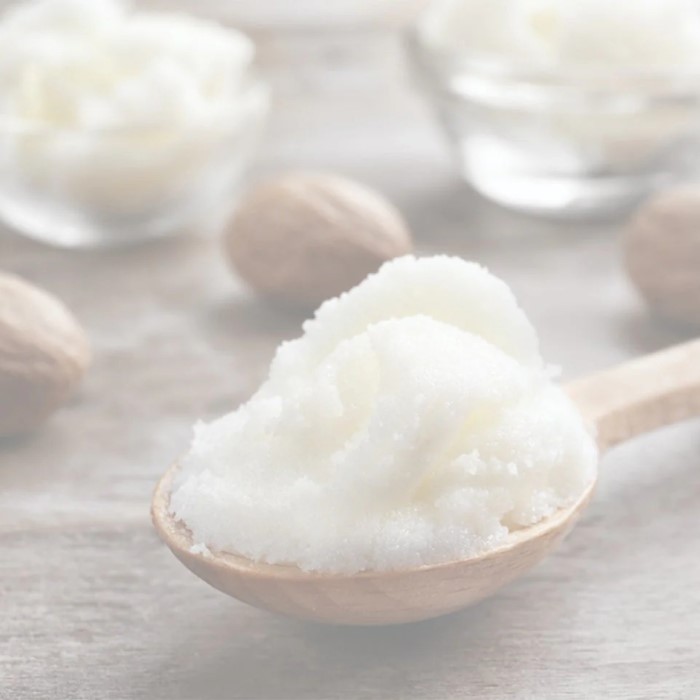
Known for its rich texture and high-fat content, shea butter is packed with vitamins and antioxidants that benefit the skin. From moisturizing dry skin to soothing irritated patches, the advantages are plenty. Let’s explore these benefits in detail, providing insights that will help you understand if shea butter is right for you.
What Is Shea Butter Made From?
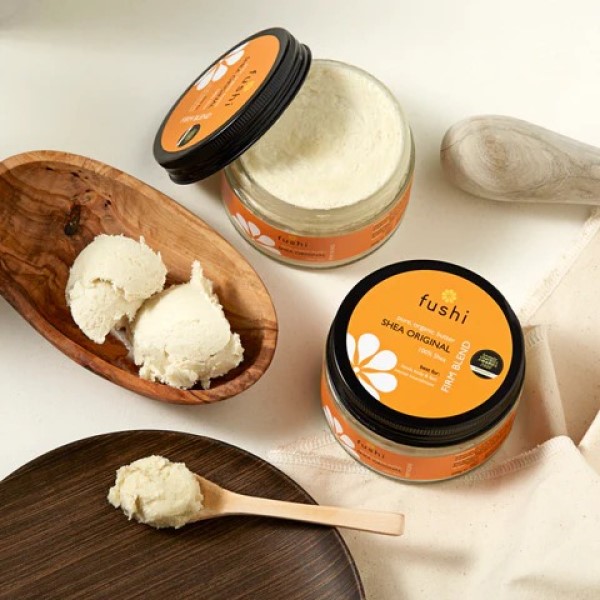
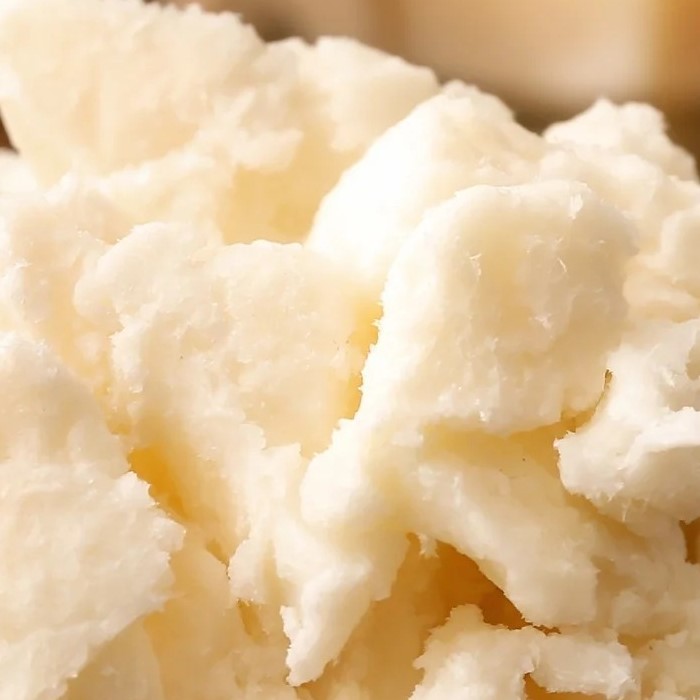
To truly appreciate the magic of shea butter, we should first understand its composition. Shea butter is made from the fat extracted from the nuts of the shea tree (Vitellaria paradoxa). Typically, the shea nuts undergo a roasting process, followed by grinding, after which hot water is added. This process helps to separate the fat from the solids. Once the mixture cools, the fat solidifies, resulting in soft, creamy shea butter.
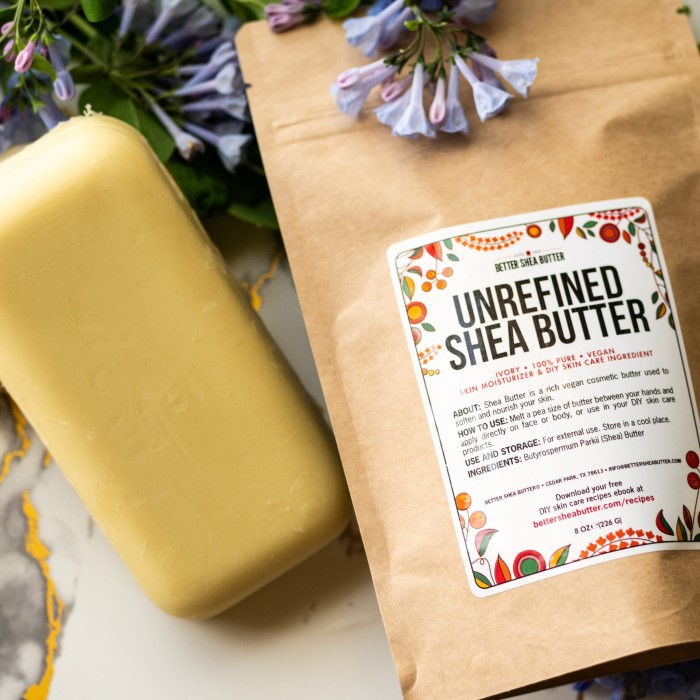
Often, shea butter is categorized into two types: refined and unrefined. Unrefined shea butter retains its natural nutrients, fragrance, and color. On the other hand, refined shea butter undergoes processing to remove impurities, making it lighter in color and scent. However, some benefits may be lost during this refining process. For skincare purposes, unrefined shea butter is usually the superior option.
Moisturizing Properties of Shea Butter
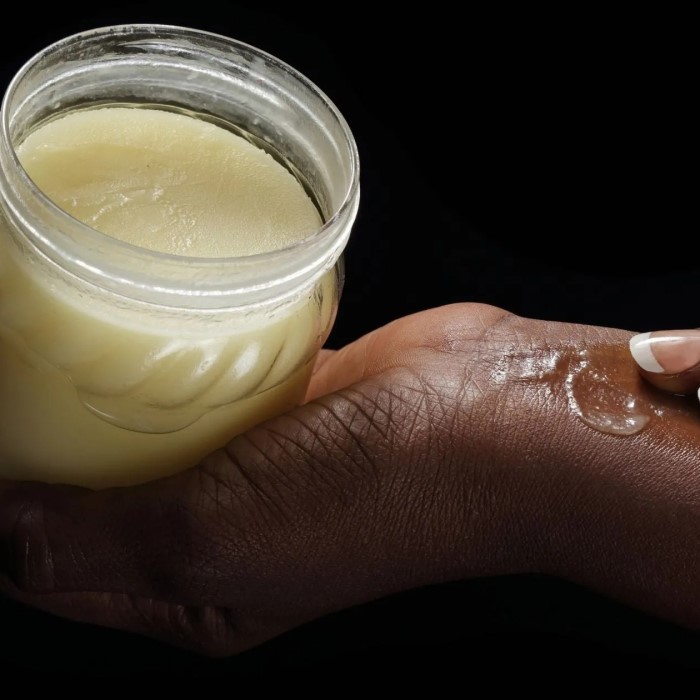
A primary reason many ask “is shea butter good for skin?” is its exceptional moisturizing properties. Packed with fatty acids, shea butter is an excellent emollient—it hydrates the skin while creating a barrier that locks in moisture. This feature makes it particularly effective for individuals with dry or sensitive skin conditions.
When applied, shea butter penetrates deep into the skin, providing intense hydration. Its composition is similar to the natural oils produced by human skin. This makes it suitable for most skin types, including oily skin, despite its richness. Many users find that a small amount goes a long way, allowing for effective hydration without overwhelming their skin.
Healing and Soothing Skin Conditions
In addition to moisturizing, shea butter possesses healing properties that can benefit various skin conditions. For instance, it is known to soothe conditions such as eczema, psoriasis, and dermatitis. Its anti-inflammatory qualities help to reduce redness and irritation, restoring comfort to troubled skin.
Moreover, shea butter is enriched with vitamins A, E, and F, which are known for their role in skin healing. Vitamin A promotes cell regeneration, while vitamin E nourishes and protects the skin from free radicals. By incorporating shea butter into your skincare regime, you may better manage chronic skin issues and promote an overall healthier appearance.
Can I Rub Shea Butter on My Face?
Many people wonder, “Can I rub shea butter on my face?” The answer is yes, provided you select high-quality, unrefined shea butter. This natural product can be gently massaged onto the facial skin, where it provides hydration and nourishment.
That said, those with oily or acne-prone skin should exercise caution. While shea butter is generally non-comedogenic (meaning it doesn’t clog pores), it’s crucial to monitor your skin’s response. Always perform a patch test before applying any new skincare product to your face to check for potential allergic reactions.
Comparing Shea Butter and Coconut Oil
When exploring natural moisturizers, the comparison between shea butter and coconut oil surfaces frequently. Both ingredients offer hydration, but they also have distinct properties that cater to different needs.
Which is better, coconut oil or shea butter? It ultimately depends on your skin type and specific requirements. Shea butter is thicker and more nutrient-dense, making it ideal for deep moisturization and healing. Conversely, coconut oil is lighter and contains antibacterial properties, making it suitable for those who prefer a lighter texture.
For dry skin, shea butter is often the preferred choice, while coconut oil might work better for those aiming for a lightweight moisturizer. Experimenting with both can help you determine which one suits your skin best.
The Best Ways to Incorporate Shea Butter into Your Skincare Routine
Now that you understand is shea butter good for skin, consider integrating it into your daily routine. Here are a few effective methods:
As a Daily Moisturizer
- Application After Showering: To maximize hydration, apply a small amount of shea butter to your skin immediately after showering. This is when your skin is most receptive to moisturizers as it is still damp. The shea butter helps lock in moisture, preventing dryness.
- Focus on Dry Areas: Pay special attention to particularly dry areas of the body, such as elbows and knees. These areas often require extra nourishment due to thicker skin and a propensity for dryness. Gently massage the shea butter into the skin until fully absorbed for optimal results.
- Daily Routine Integration: Incorporating shea butter into your daily skincare routine can provide long-lasting moisture and help maintain skin softness throughout the day. Regular use can lead to smoother, more supple skin over time.
Face Mask
- Creating a Nourishing Blend: Combine shea butter with other natural ingredients, such as honey or essential oils, to create a rich, nourishing face mask. Honey has moisturizing properties, while essential oils can target specific skin concerns.
- Application Method: After mixing the ingredients, apply the mask evenly across your clean face, avoiding the eyes. This ensures that your skin receives all the beneficial nutrients from both shea butter and additional ingredients.
- Duration for Effectiveness: Leave the mask on for 15-20 minutes to allow the ingredients to penetrate the skin deeply. During this time, your skin can absorb the moisture and nutrients, leaving it revitalized. Rinse off with warm water and pat dry for a refreshed feeling.
Lips Treatment
- Natural Lip Balm: Shea butter serves as an excellent lip balm due to its emollient properties. Its rich, creamy texture provides immediate hydration, making it ideal for combating dryness and chapping.
- Direct Application: Simply apply shea butter directly to your lips throughout the day, especially in harsh weather conditions. This can help protect your lips from the elements and provide a protective barrier against moisture loss.
- Long-lasting Hydration: Regular use can lead to softer and more resilient lips, reducing the need for frequent reapplication of lip products. Shea butter not only hydrates but also helps heal and soothe irritated or chapped lips.
Healing Balm
- Soothing Minor Injuries: Shea butter can be applied to minor cuts, scrapes, or sunburned skin due to its natural soothing and healing properties. Its anti-inflammatory effects can help reduce redness and promote healing.
- Application Method: Gently rub a small amount of shea butter onto the affected area. The thick, moisturizing balm creates a protective barrier while delivering hydration to the injured skin.
- Aftercare Benefits: Using shea butter on healing skin helps to improve texture and prevent scarring. Regular application can lead to healthier skin recovery and reduced discomfort.
Baby Care
- Gentle Formula for Infants: Shea butter is a natural and gentle moisturizer, making it safe for use on babies. Its hypoallergenic properties ensure that it is less likely to irritate sensitive skin, making it suitable for everyday use.
- Soothing Diaper Rash: Apply shea butter to soothe and protect against diaper rash. The moisturizing properties help keep the skin soft and hydrated, reducing irritation and promoting healing.
- Treating Other Dry Patches: Shea butter can also be used to address other dry patches on your baby’s delicate skin, such as chapped cheeks or rough spots on elbows and knees. Regular application can contribute to smoother skin and comfort for your little one.
Conclusion: The Wonder of Shea Butter for Skin Health
In conclusion, the question is shea butter good for skin is best answered affirmatively due to its many features and applications. Rich in nutrients, shea butter provides deep hydration while soothing various skin conditions. Its versatility makes it an essential addition to any skincare regimen.
By incorporating this incredible natural product into your daily routine, you can enhance the health and appearance of your skin significantly. Whether you use it as a moisturizer, a healing balm, or in combination with other ingredients, shea butter can work wonders. Don’t hesitate to explore its capabilities; your skin will thank you for it!