Is Sweat Good for Your Skin? Insights on Detoxification and Glow
Introduction: Is Sweat Good for Your Skin?
Many people often wonder, is sweat good for your skin? The answer hinges on an understanding of how sweat functions and the potential benefits it can bring to your overall skin health. Sweating is a natural bodily process that serves several important functions, including regulating body temperature and expelling toxins. In recent years, it has gained attention for its role in promoting clear, glowing skin. Exploring the relationship between sweat and skin health reveals fascinating insights into detoxification, moisture balance, and skin vitality. This article delves into the various benefits of sweating, how it can enhance your complexion, and other essential aspects of skin care.
Understanding Sweat and Its Functions
The Basics of Sweating
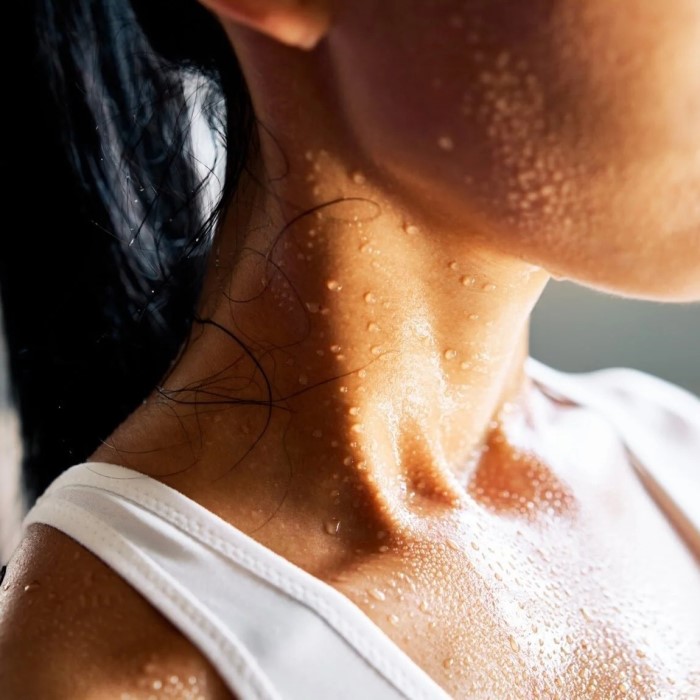
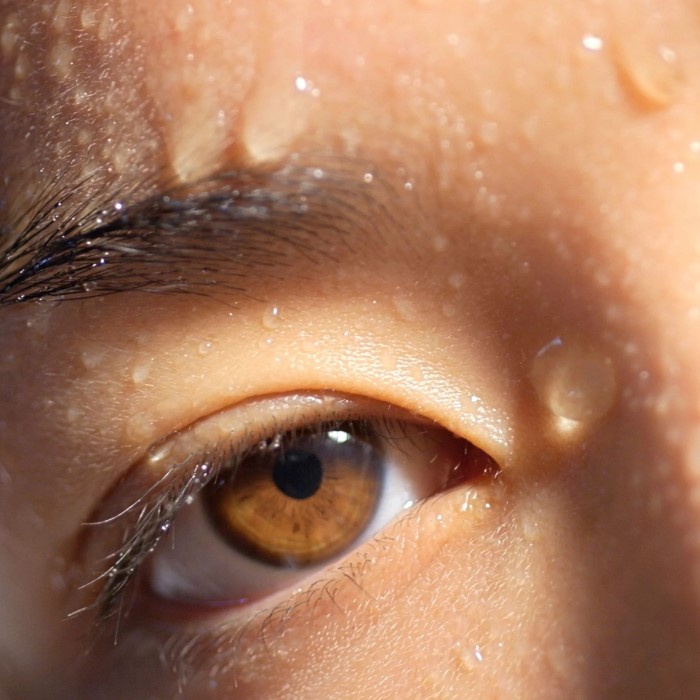
Sweating, or perspiration, is a biological process that occurs when the body needs to cool itself down. When your internal temperature rises—due to exercise, high temperatures, or stress—your sweat glands release moisture through the skin’s surface. As sweat evaporates, it cools the body down. Interestingly, sweat is composed of more than just water; it contains electrolytes, urea, and various other compounds.
- Types of Sweat: There are two main types of sweat glands—eccrine and apocrine. Eccrine glands are found throughout the body and are responsible for regulating temperature. Apocrine glands, on the other hand, are found in specific areas, like the armpits and groin, and are more involved in emotional sweating.
Natural Detoxification
Sweating helps the body eliminate toxins and impurities. While the liver and kidneys primarily handle detoxification, sweating assists by expelling substances through the skin. Sweat can contain heavy metals, alcohol, and various chemicals that the body needs to eliminate.
- Cleansing Effect: The act of sweating can help clear pores by flushing out dirt, excess oil, and dead skin cells. This cleansing process can reduce the likelihood of acne and blemishes, leading to healthier skin overall.

The Benefits of Sweating for Skin Health
1. Promoting a Healthy Glow
One of the most desirable benefits of sweating is its ability to promote a healthy glow. Increased blood circulation occurs during sweating, which brings a fresh supply of oxygen and nutrients to skin cells.
- Enhanced Blood Flow: The boost in circulation can lead to a more radiant complexion. This increase in blood flow helps to improve overall skin tone and vitality, resulting in a natural glow.
2. Balancing Skin Oil Production
For those with oily skin, sweating can help balance oil levels. When your body sweats, it can help regulate the amount of oil produced by your skin’s sebaceous glands.
Understanding Clogged Pores:
Clogged pores occur when excess oils, dead skin cells, and impurities accumulate in the hair follicles of the skin. This buildup can lead to various skin issues, particularly acne breakouts, blackheads, and whiteheads. Keeping pores clear is essential for maintaining a healthy complexion.
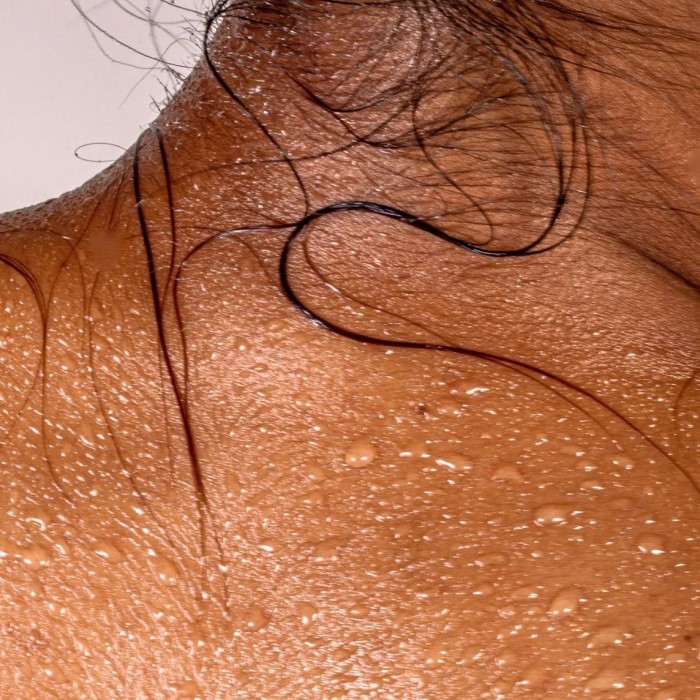
How Sweating Helps:
Regular sweating is an effective way to promote skin health by aiding in the natural cleansing process. As you sweat, your body expels toxins, excess oils, and debris through the skin’s surface. This physical process helps to prevent the buildup that can clog pores.
Enhanced Detoxification:
During sweating, not only are toxins expelled, but the moisture produced can also help to loosen dirt and oils trapped in pores. The increased circulation that accompanies sweating delivers more oxygen and nutrients to the skin cells, further assisting in the detoxification process.
Blemish Prevention:
By reducing the likelihood of clogged pores, regular sweating can significantly lower the chances of developing blemishes. When the skin is free from excessive buildup, it becomes less prone to acne and other skin irritations, contributing to a smoother and clearer complexion.
Complementing Skincare Routines:
While sweating is beneficial, it should be paired with a good skincare routine for optimal results. Regular cleansing after sweating is crucial to remove any remaining sweat, dirt, and oils from the skin’s surface. This practice minimizes the risk of post-sweat breakouts.
Consistency is Key:
The benefits of sweating for pore reduction are most pronounced with regular exercise or activities that induce perspiration. Making sweat-inducing activities a part of your routine can contribute to long-term skin health.
Impact on Skin Texture:
Over time, the regular practice of sweating can lead to improved skin texture. By keeping pores clear and minimizing breakouts, your skin can appear firmer and more even, enhancing its overall appearance.
Potential Emotional Benefits:
Engaging in activities that promote sweating, such as exercising, can also have positive mental and emotional effects. Reduced stress and improved mood may indirectly contribute to healthier skin, as stress is often a trigger for acne and other skin issues.
3. Moisture Retention
While sweating can lead to temporary moisture loss, it also stimulates oil production. The sebum produced by your skin helps to retain moisture and keep your skin hydrated.
- Natural Hydration: Some researchers suggest that moderate sweating can help maintain moisture levels in the skin, offsetting the drying effects of heat exposure.

How to Maximize the Benefits of Sweating for Your Skin
1. Stay Hydrated
Is sweat good for your skin? One crucial aspect of enjoying the benefits of sweating is adequate hydration. Sweating leads to fluid loss, so replenishing your body with water is vital.
- Pre and Post-sweat Hydration: Before engaging in physical activity, ensure you’re well-hydrated. After sweating, drink water or electrolyte beverages to restore lost fluids and minerals, supporting overall skin health.
2. Cleanse Your Skin
After sweating, it’s essential to cleanse your skin properly. While sweating helps expel impurities, they can remain on the skin if not washed away.
- Use Gentle Cleansers: Opt for gentle, hydrating cleansers that can remove sweat, oil, and dirt without stripping your skin of its natural moisture.
3. Moisturize
Following a good cleanse, applying a moisturizer is key. Even though sweating can help maintain moisture levels, it’s important to support your skin with additional hydration.
Importance of Natural Ingredients:
When selecting a moisturizer, opting for products that contain natural ingredients is essential for maintaining healthy skin. Natural ingredients tend to be gentler and less likely to cause irritation compared to synthetic chemicals. They often provide additional benefits that can enhance skin health and appearance.
Benefits of Shea Butter:
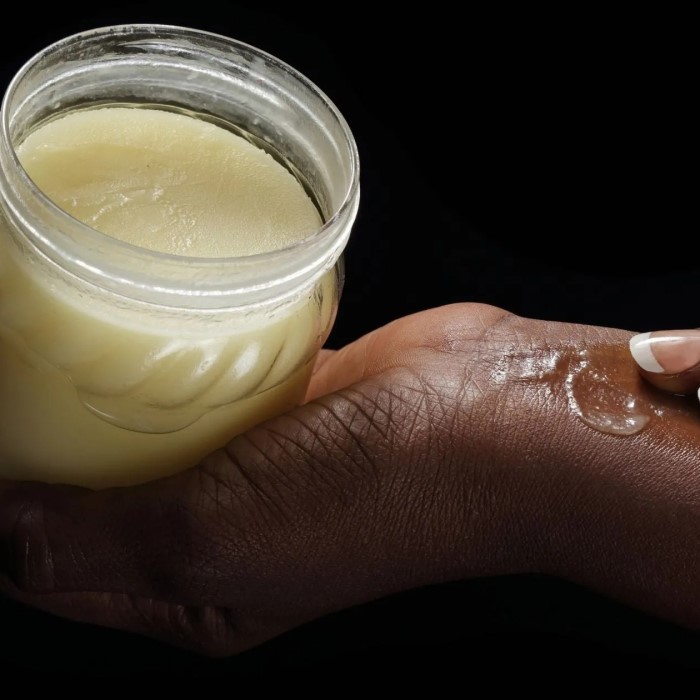
Deep Hydration: Shea butter is known for its rich fatty acid content, which provides deep hydration and helps lock in moisture. This makes it especially beneficial for dry or dehydrated skin.
Anti-Inflammatory Properties: The anti-inflammatory effects of shea butter can soothe irritated skin, reducing redness and discomfort. It is especially effective for conditions like eczema and dermatitis.
Vitamins and Antioxidants: Shea butter is rich in vitamins A and E, which nourish the skin and protect it from environmental damage. These vitamins also support skin regeneration and elasticity.
Benefits of Hyaluronic Acid:
Superior Hydration: Hyaluronic acid is renowned for its ability to hold up to 1,000 times its weight in water. This powerful hydrating property helps maintain skin moisture levels and plumpness.
Improved Skin Texture: By attracting and retaining moisture, hyaluronic acid helps improve skin texture and elasticity, leading to a smoother and more youthful appearance.
Lightweight Formula: Unlike heavier creams, hyaluronic acid-based moisturizers are often lightweight and non-greasy, making them suitable for all skin types, including oily and combination skin.
Holistic Approach to Skincare: Incorporating moisturizers with natural ingredients is part of a holistic approach to skincare. Not only do these products nourish and hydrate the skin, but they also minimize the risk of adverse reactions often associated with synthetic additives.
Personal Preferences and Needs:
Is sweat good for your skin? When choosing a moisturizer, consider your skin type and specific concerns. For example, individuals with dry skin may benefit more from shea butter, while those looking for lightweight hydration may prefer products with hyaluronic acid.
Reading Labels:
Always check product labels to ensure that the moisturizers contain high concentrations of natural ingredients. Look for brands that prioritize quality and transparency in their formulations, as this can greatly influence the effectiveness of the product.
FAQs About Sweating and Skin Health
Does Sweating Improve Your Skin?
Yes, sweating can improve your skin. The benefits include detoxification, increased blood flow, and better oil regulation. Regular sweating through exercise or sauna use can promote a healthy, glowing complexion. However, it’s essential to follow a proper skincare routine to maximize these benefits.
Is It Good to Leave Sweat on Your Face?
While sweat can have benefits, it’s not advisable to leave it on your face for an extended period. Sweat can contain bacteria and other impurities that may clog pores and lead to breakouts. It’s best to cleanse your skin after sweating to prevent these issues and maintain healthy skin.
Conclusion: Embrace Sweating for Healthier Skin
In summary, the question is sweat good for your skin? has a positive answer. Sweating offers multiple skin benefits, from promoting a healthy glow to helping maintain a balanced complexion. By incorporating sweat-inducing activities, such as exercise and sauna sessions, into your routine, you can take advantage of these benefits.
Don’t forget the importance of aftercare. Hydrate, cleanse, and moisturize your skin to ensure you reap all the rewards sweat can offer. Ultimately, embracing the natural process of sweating can lead to healthier skin and improved overall well-being. So, next time you break a sweat, know that you’re doing wonders for your skin!