Skincare Secrets: Is Rice Water Good for Your Skin? Find Out!
Introduction: The Rising Popularity of Rice Water in Skincare
In recent years, rice water has resurfaced as a remarkable ingredient in skincare routines around the globe. You might wonder, is rice water good for your skin? The answer may surprise you! Traditionally hailed for its numerous benefits, rice water is not only favored in kitchens but has also earned its place in the world of beauty. This article will explore the compelling reasons you should consider incorporating rice water into your skincare regimen, examining its benefits, effective applications, and suggestions for use.
What is Rice Water?
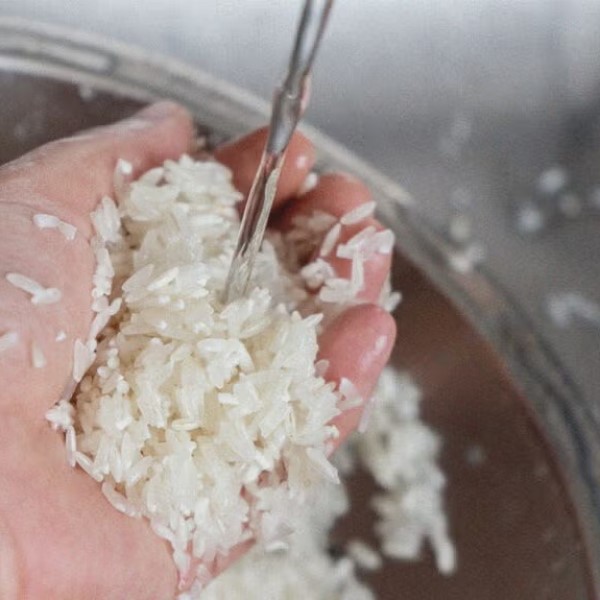
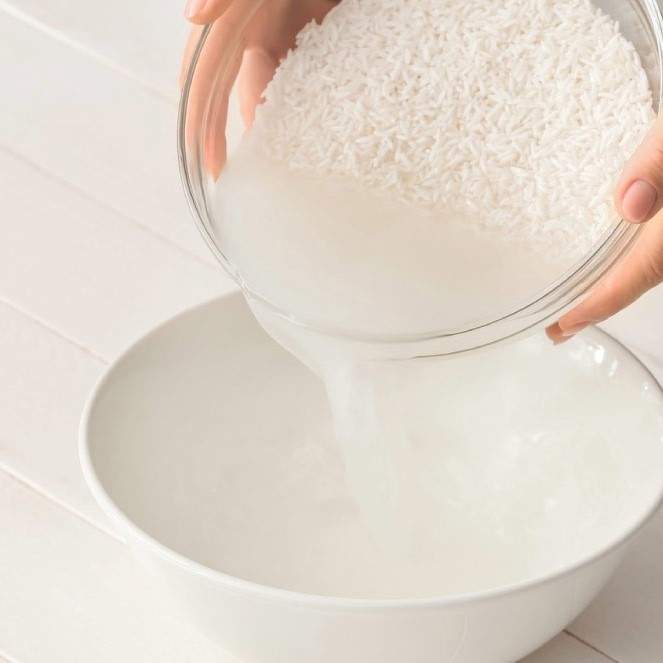
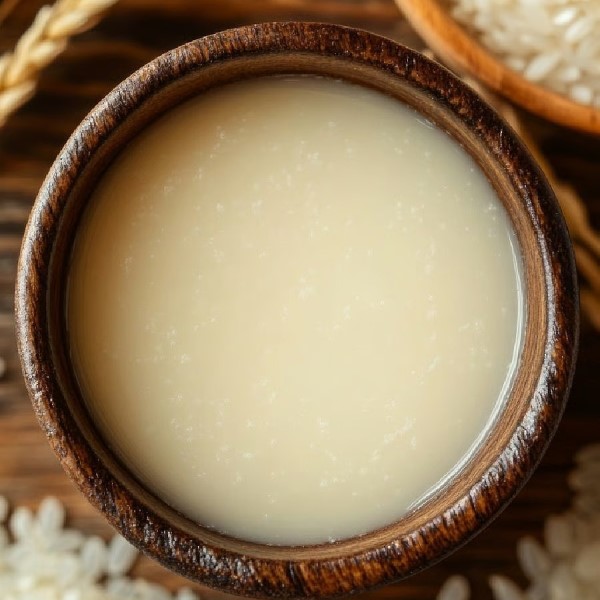
Rice water is the starchy liquid left after washing or boiling rice. It contains the nutrients that seep out of the grains during rinsing or cooking. This natural byproduct has been used for centuries, especially in Asian cultures, for skin and hair care.
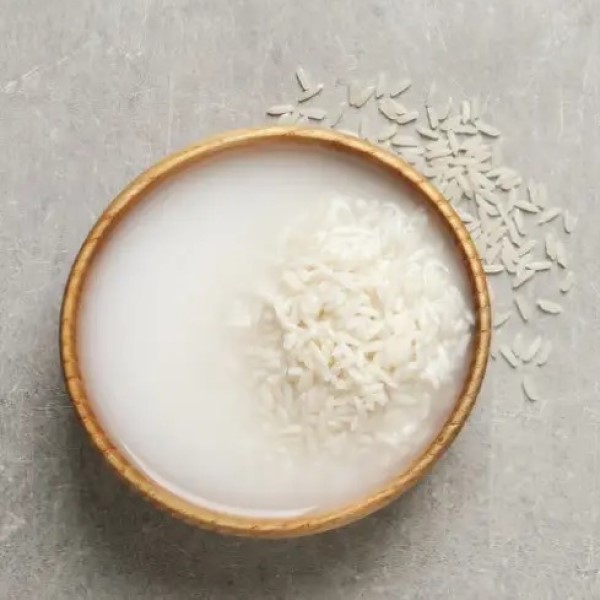
There are primarily two ways to prepare rice water: soaking and boiling. When rice is soaked in clean water, the remaining liquid is called soaked rice water. Boiled rice water is thicker, obtained by collecting the water left after cooking rice.
Rice water is rich in vitamins, minerals, and antioxidants. These include amino acids, vitamin E, B vitamins, and inositol, which contribute to its effectiveness as a skincare ingredient. Its soothing qualities make it suitable for various skin types, including sensitive ones.
Adding rice water to your skincare routine can provide natural nourishment and hydration. It is a simple and affordable remedy with multiple benefits for the skin.
Nutritional Components of Rice Water
Rice water is packed with essential nutrients that are beneficial for the skin. These nutrients enhance its natural properties, making it an effective and affordable skincare solution. Here’s a closer look at its key components:
- Vitamins:
- Rice water contains vitamin E, a powerful antioxidant that protects the skin from damage caused by free radicals.
- It also has B vitamins, which help in skin regeneration and enhance skin texture.
- Amino Acids:
- Amino acids present in rice water help repair and maintain healthy skin cells.
- These components contribute to the skin’s elasticity and overall smooth appearance.
- Minerals:
- Minerals such as potassium and magnesium in rice water help maintain the skin’s hydration levels.
- They support the skin’s natural moisture barrier.
- Antioxidants:
- Rice water is rich in antioxidants that combat oxidative stress and slow skin aging.
- These antioxidants help in reducing inflammation and protecting against environmental damage.
- Inositol:
- Inositol is a carbohydrate found in rice water that improves skin elasticity.
- It boosts cell growth, reducing the appearance of fine lines and wrinkles.
Combined, these nutritional components make rice water a versatile skincare ingredient. It nourishes, hydrates, and protects the skin, improving its overall health and appearance. Adding rice water to your beauty routine can help you achieve glowing, rejuvenated skin.
Benefits of Using Rice Water for Skin
Rice water has been used as a natural skin remedy for centuries. Its rich nutritional content provides multiple advantages, making it a valuable addition to your skincare routine.
Hydration and Moisture Enhancement
Rice water helps retain moisture in the skin, keeping it soft and supple. Its amino acids and minerals work to restore the skin’s natural hydration balance. Regular use can make dry and flaky skin feel smooth and plump. By strengthening the skin’s moisture barrier, rice water prevents water loss and improves overall skin texture.
Brightening and Evening Skin Tone
Rice water is known to brighten dull skin and improve complexion. It contains antioxidants that fight pigmentation and dark spots. Consistent application enhances skin clarity, leading to a more even and radiant tone. It is an excellent defense against sun damage and environmental pollutants.
Reducing Acne and Pimples
Rice water helps reduce acne and pimples due to its anti-inflammatory properties. It controls oil production and clears excess sebum from the skin. Its natural astringent properties minimize pores and prevent bacterial buildup. These qualities make it effective for individuals struggling with acne-prone skin.
Soothing Irritated Skin
Rice water is a calming agent for irritated or sensitive skin. It alleviates redness, itchiness, and inflammation. Its soothing properties are ideal for those with eczema, sunburn, or other skin irritations. Applying rice water provides immediate relief and helps reduce further discomfort.
Including rice water in your routine can transform the appearance and health of your skin. It is a gentle, natural solution suitable for different skin types. Whether you seek hydration, brightness, or acne relief, rice water offers a spectrum of benefits.
How to Prepare Rice Water at Home
Rice water is easy to make using simple methods. You can prepare it by soaking, boiling, or fermenting rice. Each process extracts the nutrients from the rice, producing a beneficial liquid for your skin.
1: Soaking
- Place 1/2 cup of uncooked rice into a bowl.
- Add 1 to 2 cups of clean water. Stir briefly.
- Leave it to soak for 30 minutes.
- Strain the liquid into a clean container. This is your soaked rice water.
2: Boiling
- Combine 1/2 cup of uncooked rice with 2 cups of water in a pot.
- Bring the mixture to a boil. Let it simmer for 10–15 minutes.
- Strain the remaining water into a container. This thicker liquid is boiled rice water.
3: Fermenting
- Prepare soaked or boiled rice water as directed above.
- Leave it at room temperature for 24–48 hours. This allows fermentation.
- Refrigerate the fermented rice water after the process completes.
Make sure to store rice water in the fridge. Use it within five days to maintain freshness and effectiveness.
Preparing rice water naturally preserves its nutrients. Choose the method based on your preferences and use it regularly for skincare benefits.
Different Ways to Use Rice Water on Skin
Rice water is incredibly versatile for skin care. It can be used in various ways to nourish and rejuvenate your skin. Let’s explore two popular methods of using rice water to achieve a glowing and healthy complexion.
Rice Water as a Toner
Rice water can easily replace your regular toner to refresh and hydrate your skin. Here’s how you can use it as a natural toner:
- Clean your face: Wash your face with a gentle cleanser and pat dry.
- Apply rice water: Soak a cotton ball or pad with rice water.
- Tone your skin: Gently dab the cotton ball on your face. Focus on areas like your T-zone.
- Let it absorb: Allow the rice water to dry naturally on your skin.
Using rice water as a toner helps tighten pores and maintains the skin’s moisture balance. Its antioxidants combat free radicals and add a natural glow to your complexion. Apply it twice daily for the best results.
How to Make a DIY Rice Water Face Mask
Is rice water good for your skin? You can create a homemade rice water face mask for deep hydration and skin repair. Follow these steps to make and apply the mask at home:
Prepare Rice Water
- Select the Rice: Choose either white or brown rice as your base for the rice water. Both varieties have beneficial properties, but they may offer slightly different benefits.
- Soak or Boil the Rice:
- Soaking Method: Place 1 cup of rice in a bowl and cover it with about 2-3 cups of clean water. Allow the rice to soak for at least 30 minutes to an hour. This method extracts nutrients effectively from the rice.
- Boiling Method: Alternatively, you can bring 4 cups of water to a boil, add 1 cup of rice, and cook it until tender. Once the rice is cooked, strain the mixture to separate the rice from the water.
- Cool the Rice Water: After preparing your rice water using either method, ensure that it cools to room temperature. Using warm or hot rice water can irritate the skin, so this step is essential for safety.
Mix with Natural Ingredients
- Choose Your Ingredients: Select natural additives that complement the rice water and cater to your skin’s needs. Popular options include:
- Honey: Known for its antibacterial properties and ability to hydrate.
- Yogurt: Contains lactic acid, which helps exfoliate and soften the skin.
- Aloe Vera Gel: Renowned for its soothing and moisturizing benefits.
- Measure the Ingredients: For optimal results, use equal parts of rice water and the chosen natural ingredient. A typical ratio is 1:1, meaning if you have 2 tablespoons of rice water, mix it with 2 tablespoons of honey, yogurt, or aloe vera gel.
- Combine Thoroughly: In a small bowl, mix the rice water and natural ingredient(s) until well blended. Ensure that the consistency is smooth and uniform, making it easy to apply.
Apply the Mask
- Preparation: Before application, clean your face with a gentle cleanser to remove any dirt, makeup, or impurities. Pat your face dry with a clean towel.
- Application Tools: Use either your fingers or a clean makeup brush to apply the mask. Using a brush can provide a more even application, while your fingers may allow for better feel and warmth.
- Spread Evenly: Start applying the mixture from the center of your face and work outward. Make sure to cover all areas, including your forehead, cheeks, nose, and chin, while avoiding the eyes and mouth.
Let It Set
- Timing the Mask: Allow the mask to sit on your face for 15 to 20 minutes. This duration gives your skin ample time to absorb the nutrients and benefits from the mask.
- Relax: Use this time to relax. Consider lying down or sitting comfortably while waiting for the mask to take effect. You can even listen to soothing music or meditate.
Rinse Off
- Start Rinsing: After the mask has set, use lukewarm water to gently rinse your face. Lukewarm water helps open up the pores for thorough cleansing without causing discomfort.
- Gentle Pat Dry: After rinsing off the mask, pat your face dry with a soft, clean towel. Avoid scrubbing or rubbing your skin harshly, as this can cause irritation.
- Follow-Up Care: After drying your face, consider applying a light moisturizer or serum to lock in the hydration and benefits from the mask. This step helps maintain smooth and nourished skin.
This DIY rice water mask brightens and rejuvenates the skin. It’s excellent for reducing dullness, improving skin texture, and soothing irritation. You can use this mask twice a week for noticeable results.
Incorporating rice water into your skincare routine, as a toner or mask, is simple and effective. Its natural properties ensure healthy, glowing skin, making it a must-try for all skin types.

Precautions and Potential Side Effects
Although rice water is beneficial for skin, precautions must be considered to avoid side effects. Its usage varies with skin types and personal sensitivities.
Skin Sensitivities
Some individuals might experience allergies or irritation. Before applying rice water, perform a patch test. Apply a small amount of rice water on your wrist and wait 24 hours. If redness or itchiness occurs, avoid using rice water. Sensitive skin may react differently to natural ingredients, including rice water.
Overuse Risks
Using rice water excessively can harm your skin barrier. Over-application may lead to dryness or imbalance. Limit usage to 2–3 times a week for safe and effective results. Balance is crucial to avoid stripping natural skin oils.
Fermented Rice Water Issues
Fermenting rice water can intensify its properties but demands careful handling. Improper fermentation risks bacterial contamination. Store fermented rice water in a refrigerator and use it within 3–5 days. Avoid expired rice water to prevent skin irritation.
Compatibility with Other Products
Rice water may not work well with certain skincare products. Mixing with active ingredients like retinol or acids could cause reactions. Avoid combining rice water with harsh chemicals to prevent irritation. Stick to gentle, natural formulations for best results.
Avoiding Eye Area Contact
Rice water may cause discomfort if it enters the eyes. When applying, avoid direct contact with the eye area. Use careful movements and wash immediately if contact occurs.
By following these precautions, you can enjoy rice water safely and effectively. Always consider your skin’s unique needs and adjust usage accordingly.
Frequently Asked Questions About Rice Water for Skin
1. Is rice water good for your skin?
Yes, rice water is great for your skin. It hydrates, brightens, and soothes. Its natural nutrients, like vitamins and antioxidants, support skin health. It’s even suitable for sensitive skin.
2. How often should I use rice water on my skin?
Use rice water 2-3 times a week. Overuse might lead to dryness or irritate the skin. It’s essential to find the right balance for your skin type.
3. Can I store rice water? How long does it last?
Yes, you can store rice water in the refrigerator for up to 5 days. Make sure it’s in an airtight container to prevent contamination.
4. Can rice water help with acne?
Rice water has anti-inflammatory and astringent properties. It reduces acne by controlling oil and shrinking pores.
5. Can rice water lighten dark spots or acne scars?
Rice water contains antioxidants that help reduce dark spots and improve skin tone over time. Regular use may lead to visible results.
6. Can I use fermented rice water on my skin?
Yes, fermented rice water enhances skin benefits by boosting its nutrients. Ensure safe storage and discard if it smells unpleasant.
7. Can rice water cause skin irritation?
Rice water is generally safe, but conduct a patch test before use. Everyone’s skin reacts differently.
8. Do I need to rinse my face after using rice water?
You can leave rice water on your skin to absorb fully, or rinse it off if preferred.
9. Can rice water be used for all skin types?
Yes, rice water suits oily, dry, sensitive, and combination skin types. Adjust usage as needed.
10. How long does it take to see results with rice water?
Results vary, but you may notice skin improvements within a few weeks of regular use.
11. Can I use rice water with other skincare products?
Yes, but avoid combining it with harsh ingredients like retinol or strong acids. Choose gentle options.
These FAQs address common queries to help you use rice water safely and effectively for skincare!
Conclusion: Is Rice Water Good for Your Skin?
So, is rice water good for your skin? The numerous benefits certainly suggest it is a powerful addition to any skincare regimen. From enhancing hydration and reducing inflammation to brightening skin tone and soothing sensitive skin, rice water offers a versatile and effective solution for various skin concerns.
By incorporating rice water into your beauty routine, you can unlock its potential for achieving healthier, more radiant skin. Consider using rice water in cleaners, toners, or DIY masks to experience its advantages firsthand. With its rich history and continuously growing popularity in beauty practices, rice water proves to be a timeless skincare secret worthy of attention. Discover the magic of rice water today and elevate your skincare game!