Is Dermaplaning Good for Your Skin? Discover Skincare Secrets!
Understanding Dermaplaning: An Introduction
Dermaplaning has gained popularity as a skincare trend in recent years. But what exactly is it, and is dermaplaning good for your skin? In essence, dermaplaning is a cosmetic procedure that involves gently shaving the surface of the skin, removing dead skin cells and peach fuzz. This process not only refines the skin texture but also enhances the effectiveness of skincare products. Many individuals search for the long-term benefits and the potential drawbacks of this treatment. This article delves into these aspects, ensuring that you are well-informed before making any skincare decisions.
What is Dermaplaning?
Dermaplaning is a non-invasive skin treatment. It aims to improve skin texture and health. By using a special tool, it removes dead skin cells and fine facial hair, also called peach fuzz. This process can leave your skin smoother and brighter. Many people ask, “Is dermaplaning good for your skin?” The answer depends on individual skin needs and proper procedure execution.
The Procedure Explained
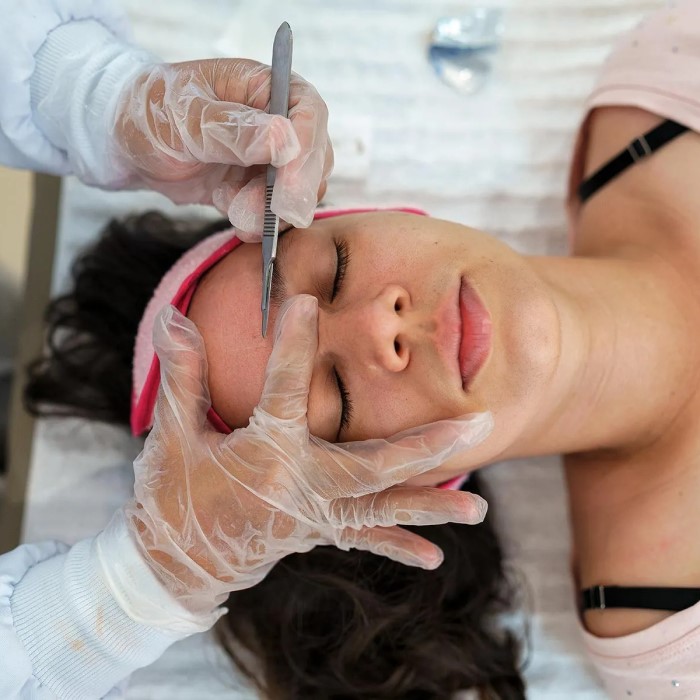
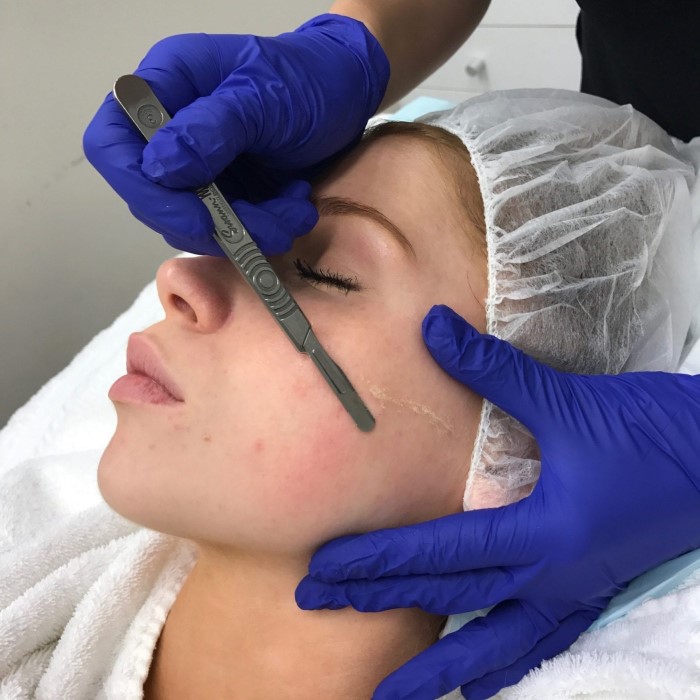
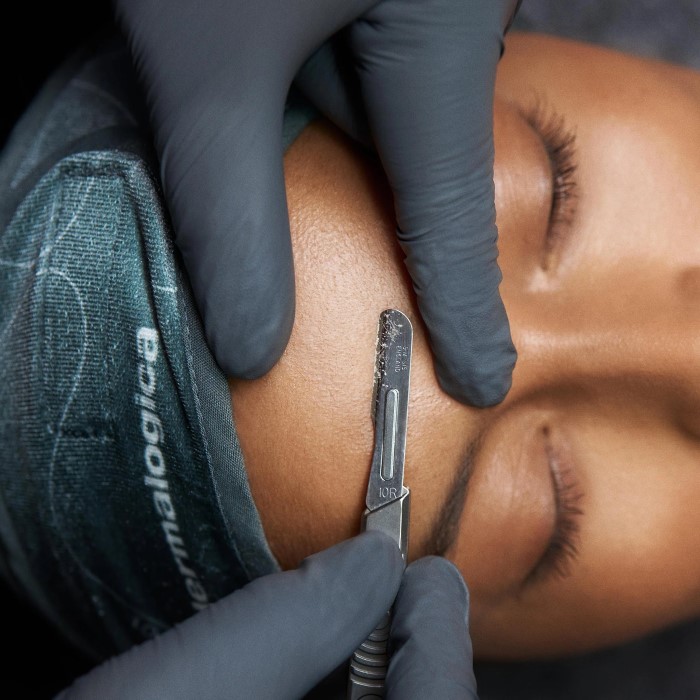
Dermaplaning is a simple and quick process. A trained professional uses a sterile surgical scalpel. The blade is held at a 45-degree angle. They gently scrape off dead skin cells and peach fuzz from the face. This process usually takes about 20 to 30 minutes. No chemicals are involved, making it suitable for sensitive skin types.
After the session, professionals often apply soothing products. These help nourish and hydrate the skin. Many patients notice an immediate glow and smoother skin surface. Dermaplaning is a painless procedure when performed correctly.
Tools Used in Dermaplaning
The primary tool for dermaplaning is a surgical scalpel. This blade is sharp to ensure precise skin exfoliation. It’s specially designed for maximum safety.
Professionals may also use gloves, antiseptic solutions, and moisturizers during the process. These ensure cleanliness and skin hydration. Everything used in the procedure is sanitized to reduce risks. The effectiveness of dermaplaning depends on using these proper tools and techniques.
Benefits of Dermaplaning for Skin Health
Dermaplaning offers multiple benefits for skin health. It is a safe and effective treatment that can revitalize your skin. Below are the main advantages of dermaplaning and why it is popular.
Removing Dead Skin Cells
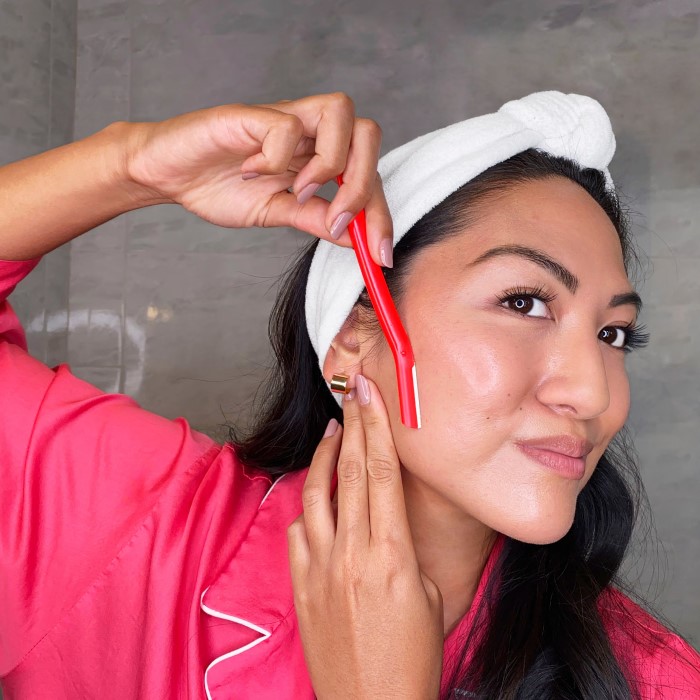
Dermaplaning effectively removes layers of dead skin cells. These cells can dull your complexion, making skin appear lifeless. By eliminating them, your skin looks brighter and feels smoother. Removing dead cells also promotes healthier skin turnover. This keeps your skin refreshed and rejuvenated. Regular sessions can help prevent clogged pores, minimizing blackheads and breakouts.
Promoting Collagen Production
Dermaplaning may stimulate collagen production. Collagen is a vital protein that keeps the skin firm and youthful. Its production decreases with age, leading to wrinkles and fine lines. By encouraging skin renewal, dermaplaning can improve elasticity and firmness. With better collagen levels, your skin may appear more toned and radiant over time. This can slow down the visible signs of aging.
Smoother Makeup Application
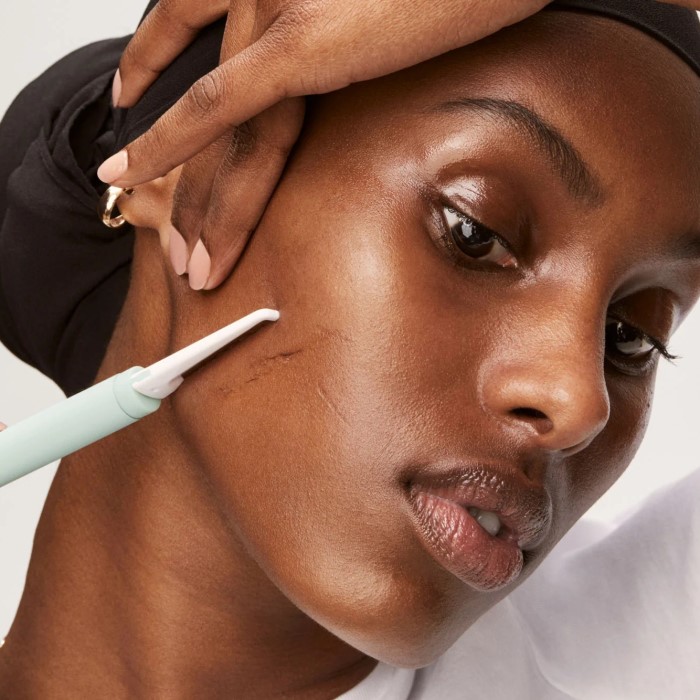
One noticeable benefit of dermaplaning is smoother makeup application. By removing peach fuzz and dead skin, your face becomes a perfect canvas. Makeup products sit evenly on the skin, creating a flawless look. You may also use less makeup as your skin becomes naturally smoother. In addition, skincare products absorb better, enhancing their effectiveness. This improves hydration and nourishment for a glowing complexion.
Dermaplaning has numerous skin health benefits, from exfoliation to better product absorption. If you’re wondering, “Is dermaplaning good for your skin?” the answer is likely yes, as long as it is suitable for your skin type and performed by a professional.
Common Myths About Dermaplaning
Dermaplaning is a popular yet misunderstood skin treatment. Many myths surround its effects and safety. Below, we address these misconceptions to clarify doubts and provide accurate information.
Does It Cause Excessive Hair Growth?
A common myth is that dermaplaning leads to excessive or thicker hair growth. The truth is, dermaplaning does not alter the structure of your hair follicles. Removing peach fuzz does not make the hair grow back thicker or darker. Hair regrows at its natural pace and texture.
This myth likely stems from confusion about facial hair growth. The procedure removes only soft vellus hair, not terminal hair. People may perceive darker regrowth due to the sharp blunt cut of the shaved hair. However, the regrowth is natural and looks the same as before.
Safety Concerns Debunked
Another myth is that dermaplaning is unsafe or leads to skin damage. In reality, when done by a trained professional, it is safe and beneficial. Professionals use sanitized tools and follow strict hygiene protocols, ensuring risks are minimal.
Concerns about cuts or irritation are also misplaced when dermaplaning is performed correctly. Skin sensitivity may increase temporarily, but this reaction is mild. Your skin is exfoliated gently, avoiding any long-term harm. Moisturizers and aftercare products help soothe the skin and speed recovery.
Dermaplaning is suitable for most skin types, including sensitive skin. However, individuals with active acne or inflammation should avoid it. Seeking advice from a professional ensures the procedure is tailored to your needs.
Understanding these myths can help you decide if dermaplaning is right for you. With proper execution, this treatment offers both safety and skin health benefits.
Who Can Benefit from Dermaplaning?
Dermaplaning is a versatile skin treatment suitable for many people. It targets specific skin concerns and types, making it an excellent choice for improving skin health.
Skin Types Suitable for Dermaplaning
Dermaplaning works well for most skin types. People with normal, dry, or combination skin benefit greatly. It effectively removes dead skin and peach fuzz, giving the skin a smooth texture.
Sensitive skin types can also enjoy dermaplaning. The procedure involves no chemicals, reducing the risk of irritation. However, professional guidance is necessary to ensure a safe and proper process.
Oily or acne-prone skin can see improvements through dermaplaning. Removing dirt and oil buildup helps reduce clogged pores. Note that people with active acne should avoid dermaplaning to prevent worsening inflammation.
Conditions That Can Improve with Dermaplaning
Dermaplaning benefits those looking to address dull or uneven skin. The removal of dead skin cells revitalizes the complexion, making it appear brighter and smoother.
It is a great option for individuals with fine facial hair, often referred to as peach fuzz. Eliminating this hair helps makeup sit better and skin products absorb effectively. This leads to a radiant and more flawless appearance.
Those battling blackheads and clogged pores may find relief with dermaplaning. Improved skin turnover prevents pore blockages and reduces the chance of acne or blemishes.
People with aging skin may also benefit. Dermaplaning promotes collagen production, improving skin firmness and elasticity. This reduces the appearance of fine lines and wrinkles while slowing down visible aging.
Consulting a professional ensures the procedure is suitable for your skin type and concerns. Dermaplaning can enhance overall skin health and appearance when performed correctly.
How Often Should You Dermaplane?
Dermaplaning can enhance your skin’s appearance and health. However, knowing how often to undergo this treatment is key. The frequency depends on several factors including skin type, goals, and professional advice. Maintaining the right schedule ensures optimal results while minimizing risks.
Recommended Frequency
Most professionals suggest dermaplaning every 4 to 6 weeks. This timeline matches the natural skin regeneration cycle. It gives your skin time to recover and rejuvenate between sessions. Regular treatments maintain smoothness, brightness, and healthy cell turnover.
Some individuals may only need dermaplaning once every two months. This schedule is suitable if you have sensitive skin. Those with more severe skin concerns, like dullness or clogged pores, may benefit from monthly sessions. Always consult a professional to determine the ideal frequency for your unique needs.
Factors to Consider
- Skin Type: Sensitive skin may need more recovery time. Frequent treatments might cause irritation.
- Skin Concerns: If you aim to address dullness or pigmentation, more regular sessions may be necessary.
- Expert Advice: A professional assessment can guide you to the best schedule.
- Results: Monitor your skin’s response after each session. Adjust frequency based on how your skin reacts.
- Budget: Frequent treatments can become costly, so consider financial factors when setting a schedule.
Skipping treatments or overdoing them can affect results. Stick to a consistent schedule for the best outcomes. Regular dermaplaning helps keep your skin healthy, smooth, and radiant over time.
Comparing Dermaplaning to Other Skin Treatments
Exploring various skin treatments can help you find the best option for your needs. Among these, microdermabrasion, chemical peels, and dermaplaning are popular choices. Here’s how dermaplaning compares to these treatments.
Microdermabrasion vs Dermaplaning
Both microdermabrasion and dermaplaning are exfoliating treatments. However, they differ in techniques and outcomes:
- Method: Microdermabrasion uses a machine to exfoliate and vacuum dead skin cells. Dermaplaning, however, uses a scalpel to manually scrape away dead skin and peach fuzz.
- Depth: Dermaplaning targets very fine layers of dead skin, while microdermabrasion can exfoliate deeper layers.
- Suitability: Dermaplaning is better for sensitive skin since it avoids suction or harsh abrasives. Microdermabrasion may be less suitable for sensitive or thin skin types.
- Benefits: Dermaplaning removes fine hair (peach fuzz) for smoother skin and better makeup application. Microdermabrasion improves skin texture and reduces the appearance of scars and large pores.
Choose dermaplaning for gentler exfoliation and faster recovery. Opt for microdermabrasion if you aim to target more significant skin concerns.
Chemical Peels vs Dermaplaning
Chemical peels and dermaplaning are both exfoliation treatments but differ in approach and intensity:
- Method: Chemical peels use acids to exfoliate and remove dead skin cells. Dermaplaning involves a physical scraping technique.
- Skin Type: Dermaplaning is suitable for almost all skin types, including dry and sensitive skin. Chemical peels are often not recommended for sensitive skin due to potential irritation.
- Intensity: Chemical peels penetrate deeper into the skin compared to dermaplaning. They are effective for addressing hyperpigmentation, acne scars, and fine lines.
- Recovery Time: Dermaplaning has little to no recovery time. Chemical peels may require a longer recovery period due to redness and peeling.
- Results: While dermaplaning provides immediate smoothness and a glowing appearance, chemical peels tend to provide more lasting improvements for discoloration and wrinkles.
Choose dermaplaning for a quick boost to skin smoothness or before a special occasion. Use chemical peels for deep exfoliation and tackling specific issues like acne scars or pigmentation.
By understanding these treatments, you can better decide which one aligns with your skin type and targets your concerns. Always consult a professional for guidance.
Potential Risks and Precautions
Dermaplaning is safe when done correctly, but it does come with some risks. Being informed helps minimize these risks and ensures effective results without complications. Proper precautions and care are essential for the best outcome.
Side Effects to Be Aware Of
While dermaplaning is generally safe, a few side effects may occur:
- Skin Sensitivity: After the procedure, your skin may feel more sensitive to the sun. This sensitivity can cause temporary redness or a mild burning sensation.
- Irritation: Some individuals may experience slight irritation or temporary dryness. This is often mild and disappears as the skin recovers.
- Minor Cuts: If not done properly, dermaplaning could cause small nicks or cuts on the skin. These heal quickly with proper care.
- Breakouts: The procedure may trigger acne breakouts, especially if the skin isn’t properly cleansed pre-treatment.
- Infection: Rarely, infections can occur if tools aren’t sanitized. This emphasizes the importance of professional care.
Pre- and Post-Treatment Care
Precautions before and after dermaplaning are vital to minimize risks and maximize benefits:
Before the Treatment:
- Clean Skin Thoroughly: Start with a clean face to avoid introducing bacteria during the procedure.
- Avoid Sun Exposure: Protect your skin from sunburn one week before the treatment.
- Discontinue Exfoliation Products: Stop using harsh exfoliants and scrubs a few days prior to your session.
- Consult a Professional: Share any skin conditions or allergies before the scheduling the treatment.
After the Treatment:
- Apply Sunscreen: Protect your skin with a good SPF to minimize sensitivity to UV rays.
- Hydrate Skin: Use a gentle, hydrating moisturizer to keep skin nourished.
- Avoid Harsh Products: Stay away from retinoids, exfoliants, or acids for at least 48 hours post-treatment.
- Limit Sun Exposure: Avoid extended exposure and consider wearing a wide-brimmed hat when outdoors.
- Do Not Scrub or Touch Your Skin: Allow your treated skin to heal without additional stress.
Proper pre- and post-treatment care ensures your skin stays healthy and benefits fully from dermaplaning. Always consult a certified professional for guidance and treatment to minimize mistakes or risks. Frequent sessions might not be necessary, and your skin will thank you in the long term.
Final Thoughts on Dermaplaning
In summary, many people wonder, “Is dermaplaning good for your skin?” After exploring its numerous benefits, potential pitfalls, and the process involved, it can be asserted that dermaplaning can be a fantastic addition to your skincare routine for many. By shedding dead skin and promoting a smoother appearance, it presents visible results quickly.
However, it’s imperative to approach this treatment with caution and ensure professional expertise. Consult your dermatologist or licensed esthetician before proceeding. By doing so, you can make an informed decision that aligns with your skin needs. Whether you’re looking for a boost or ongoing care, knowing the ins and outs of dermaplaning will empower you in your skincare journey.
In conclusion, if you seek rejuvenation or enhanced makeup application, dermaplaning may just be the key to achieving your desired glow. Remember to prioritize skincare safety and listen to your skin’s needs throughout the process.