Is Grapeseed Oil Good for Your Skin? Benefits You Should Know
Contents
hide
Understanding Grapeseed Oil: A Skincare Staple
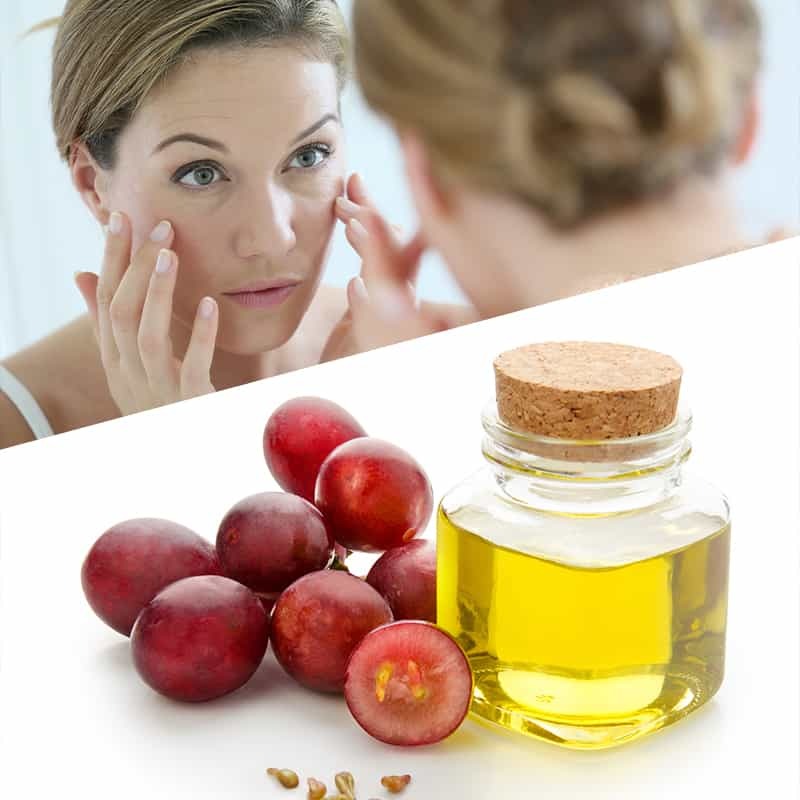
Grapeseed oil has gained traction in the beauty industry as a beneficial carrier oil in many skincare products. But the question remains: is grapeseed oil good for your skin? This article dives deep into the benefits of grapeseed oil, its properties, and how it can improve your skincare routine. As we explore the answer, we’ll uncover why this oil is a go-to choice for many skincare enthusiasts.

Grapeseed oil is extracted from the seeds of grapes, primarily those used in winemaking. The oil is light in texture, making it suitable for various skin types, including oily and sensitive skin. Its composition is rich in antioxidants, vitamins, and essential fatty acids, which contribute to its popularity in skincare.
What is Grapeseed Oil?
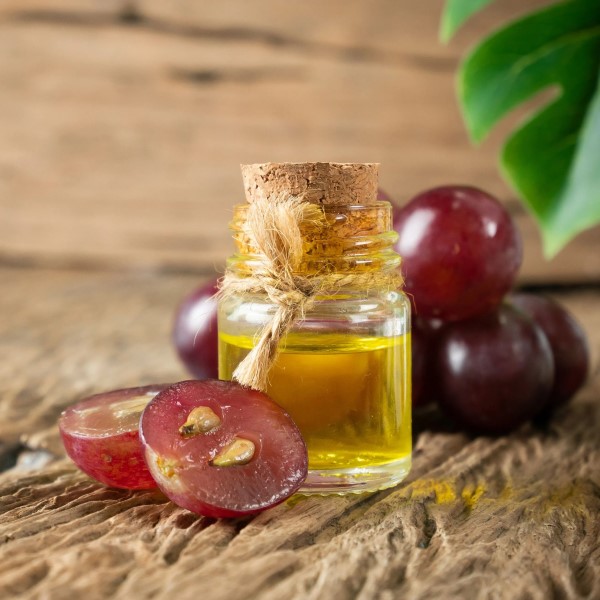
Grapeseed oil is made from grape seeds, a byproduct of winemaking. It is a lightweight oil with a smooth texture, ideal for skincare. The oil is extracted using cold pressing or solvent methods to retain its nutrients.
Grapeseed oil is rich in vitamin E, omega fatty acids, and antioxidants. These nutrients make it highly beneficial for the skin.
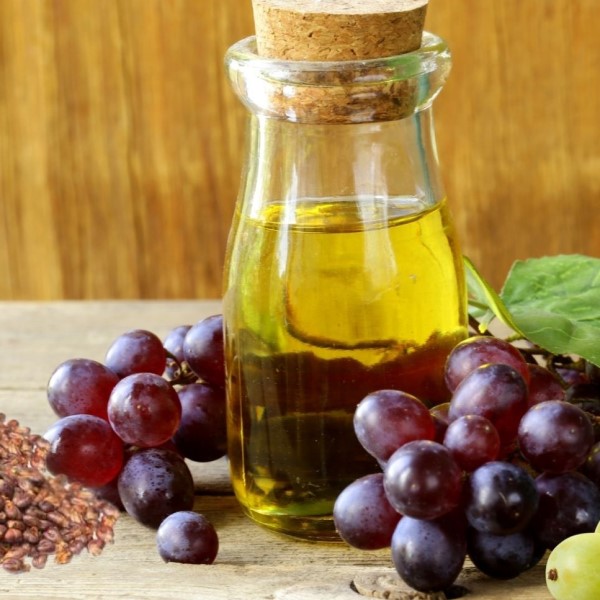
This oil has a pale yellow to green color and no strong scent. It absorbs quickly, leaving the skin soft and hydrated without a greasy feeling.
Grapeseed oil is popular in skincare due to its nourishing properties. It suits different skin types, including oily and sensitive skin. It is often used in moisturizers, serums, and other beauty products.
Nutritional Composition of Grapeseed Oil
Is grapeseed oil good for your skin? Grapeseed oil is packed with nutrients that are beneficial for skin health. It contains an abundance of vitamins, minerals, and fatty acids that nourish and protect the skin.
Key Components of Grapeseed Oil
- Vitamin E: Grapeseed oil is a rich source of vitamin E. This antioxidant helps protect the skin from damage caused by free radicals. It also promotes skin repair and reduces inflammation.
- Omega Fatty Acids: The oil contains omega-6 and omega-3 fatty acids. Omega-6 fatty acids enhance skin elasticity and hydration. Omega-3 fatty acids improve skin barrier function and reduce redness.
- Polyphenols: Grapeseed oil has polyphenols that act as powerful antioxidants. They protect the skin from UV damage and keep it youthful.
- Linoleic Acid: This essential fatty acid is known for its moisturizing and anti-inflammatory properties. It helps maintain healthy skin and prevent clogged pores.
- Resveratrol: Found in grape seeds, resveratrol is a potent antioxidant. It has anti-aging effects and reduces skin damage caused by environmental factors.
- Other Minerals: Grapeseed oil contains trace amounts of minerals like potassium and magnesium. These minerals support overall skin health.
Why Nutritional Composition Matters
The nutrients in grapeseed oil work together to improve skin texture and radiance. They provide moisture, fight signs of aging, and reduce inflammation. These qualities make grapeseed oil highly effective for all skin types.
Including grapeseed oil in your skincare routine can maximize the benefits from its wealth of nutrients.
Key Benefits of Grapeseed Oil for Different Skin Types
Is grapeseed oil good for your skin? Grapeseed oil is versatile and beneficial for various skin types. Its lightweight nature absorbs easily, making it suitable for all. Below are the key benefits of grapeseed oil for different skin types:
Oily and Acne-Prone Skin
- Grapeseed oil is non-comedogenic, so it won’t clog pores.
- The linoleic acid in the oil helps balance natural sebum production.
- Its anti-inflammatory properties soothe redness and irritation from acne.
- Polyphenols in grapeseed oil reduce acne-causing bacteria.
Dry and Sensitive Skin
- Grapeseed oil provides deep hydration without a greasy residue.
- Its omega fatty acids reinforce the skin barrier, preventing moisture loss.
- Vitamin E in the oil soothes dryness and irritation in sensitive skin.

Mature or Aging Skin
- The resveratrol in grapeseed oil combats fine lines and wrinkles.
- Antioxidants, like polyphenols, fight damage from UV rays and free radicals.
- It promotes skin elasticity and firmness for a youthful appearance.
Combination Skin
- Grapeseed oil hydrates dry areas while balancing oil in the T-zone.
- It ensures no pore blockage or buildup, keeping the skin clear.
Incorporating grapeseed oil can improve overall skin texture and radiance. Its ability to cater to all skin types sets it apart as a must-have skincare ingredient.
How Grapeseed Oil Helps with Acne-Prone Skin
Grapeseed oil is excellent for managing acne-prone skin. Its lightweight and non-comedogenic nature ensures it won’t clog your pores. This quality makes it ideal for those prone to breakouts.
Balances Sebum Production
Linoleic acid in grapeseed oil helps balance the skin’s natural sebum levels. Balanced sebum reduces the risk of excess oil, which can contribute to acne.
Reduces Inflammation
The oil contains anti-inflammatory properties, soothing redness and irritation from active acne. It calms sensitive skin effectively.
Fights Acne-Causing Bacteria
Polyphenols in grapeseed oil combat acne-causing bacteria. They protect the skin while keeping it healthy and clear.
Promotes Skin Healing
Rich in vitamin E, grapeseed oil helps repair skin damaged by acne. It speeds up the healing process and reduces the appearance of scars.
Prevents Pore Blockage
Grapeseed oil ensures pores stay clean and unblocked. Cleaner pores lower the chances of blackheads and pimples forming.
Using grapeseed oil as part of your routine minimizes acne issues. The oil’s calming, balancing, and antibacterial qualities make it perfect for acne-prone skin.
Anti-Aging Properties of Grapeseed Oil
Grapeseed oil is a powerful ingredient in fighting signs of aging. Its rich nutrients work together to promote youthful and radiant skin. Here’s how grapeseed oil provides anti-aging benefits:
Rich in Antioxidants
Grapeseed oil contains antioxidants like vitamin E and polyphenols. These antioxidants combat free radicals that accelerate aging. By neutralizing free radicals, the oil helps protect skin from damage and maintains a youthful appearance.
Enhances Skin’s Elasticity
Omega-6 fatty acids in grapeseed oil boost skin elasticity. Elasticity helps reduce sagging and keeps the skin firm and smooth. Regular use of the oil can leave your skin looking more toned and vibrant.
Supports Collagen Production
Resveratrol in grapeseed oil stimulates collagen production. Collagen is essential for maintaining skin strength and elasticity. Increased collagen helps diminish fine lines and wrinkles over time.
Protects Against Sun Damage
Polyphenols and vitamin E in grapeseed oil shield the skin from harmful UV rays. The oil reduces the effects of sun damage, such as wrinkles, age spots, and uneven skin tone. It helps restore and maintain a youthful complexion.
Hydrates for a Plump Look
The moisturizing properties of grapeseed oil reduce dryness and prevent water loss. Well-hydrated skin appears fuller and healthier. This plump effect smooths out fine lines and enhances the skin’s overall texture.
Fights Inflammation
The anti-inflammatory properties of grapeseed oil calm irritation and redness. Reduced inflammation helps the skin recover from environmental stressors faster.
Using grapeseed oil regularly can slow down visible aging signs. Its nutrients improve skin texture, reduce fine lines, and restore firmness. Embrace grapeseed oil for a more youthful, radiant glow.
Hydration and Moisturizing Benefits
Grapeseed oil is an excellent choice for hydrating and moisturizing the skin. Its lightweight texture makes it suitable for all skin types, delivering deep hydration without a greasy feel.
Replenishes Moisture in Skin
Grapeseed oil is rich in fatty acids like linoleic acid. These nourish and hydrate dry, flaky skin effectively. It penetrates deeply, preventing moisture loss and keeping skin soft and smooth.
Creates a Protective Barrier
The oil forms a protective layer on the skin. This barrier locks in hydration, protecting against environmental dryness and damage. It helps keep skin supple and healthy.
Improves Skin Texture
Hydration from grapeseed oil makes the skin appear plump and smooth. Its nutrients enhance the skin’s overall texture and radiance. You’ll notice fewer dull patches with regular use.
Soothes Irritation
Sensitive skin benefits greatly from grapeseed oil. Its omega fatty acids and anti-inflammatory properties calm redness and irritation. This makes it ideal for soothing skin after exposure to harsh weather.
Prevents Water Loss
Linoleic acid helps prevent dehydration by sealing water within the skin layers. This feature strengthens the skin’s barrier and maintains lasting hydration.
Lightweight and Non-Greasy Formula
Grapeseed oil absorbs easily, leaving no oily residue. Its lightweight nature feels comfortable on the skin, making it a great choice for everyday hydration.
Using grapeseed oil ensures your skin stays hydrated, nourished, and calm throughout the day. Regular application can improve skin hydration levels and protect your skin from dryness.
How to Use Grapeseed Oil in Your Skincare Routine
Grapeseed oil is versatile and easy to incorporate into your daily skincare routine. Its lightweight texture absorbs quickly, making it suitable for various uses. Here are some effective ways to use grapeseed oil:
As a Moisturizer
- Apply a few drops of grapeseed oil to clean skin.
- Massage it gently until fully absorbed.
- Use it morning or night to lock in hydration.
As a Makeup Remover
- Dab a small amount of grapeseed oil on a cotton pad.
- Wipe off makeup gently, including waterproof makeup.
- Follow with a cleanser for a fresh finish.
Add to Your Moisturizer
- Mix a few drops of grapeseed oil into your regular moisturizer.
- Blend it well and apply to the skin for extra hydration.
- This works particularly well for dry skin types.
As a Face Serum
- Use grapeseed oil as a serum before applying moisturizer.
- Massage 3-4 drops on the face and neck.
- Let it absorb fully to improve skin texture.
For Massage Therapy
- Use grapeseed oil as a massage oil for the face or body.
- Warm it slightly and massage for relaxation and improved blood circulation.
Spot Treatment for Acne or Irritation
- Dab a small amount of grapeseed oil directly on acne spots.
- Its antibacterial properties reduce redness and inflammation.
- Apply daily for better results.
Mix in DIY Skincare Products
- Combine grapeseed oil with other ingredients for DIY face masks or scrubs.
- Use it as a base oil for natural beauty remedies.
Key Tips for Usage:
- Always perform a patch test before using grapeseed oil, especially if you have sensitive skin.
- Store the oil in a cool, dark place to maintain its freshness.
- Use a reasonable amount to avoid greasiness or overhydration.
Incorporating grapeseed oil into your routine adds nourishment, hydration, and protection. By using it consistently, you can enjoy radiant, healthy-looking skin.
Precautions and Potential Side Effects of Grapeseed Oil
While grapeseed oil offers many skin benefits, some precautions are necessary to ensure safe use. Understanding potential side effects is crucial for getting the most out of this natural skincare product.
Perform a Patch Test
- Test the oil on a small skin area before regular use.
- Wait 24 hours to check for irritation or allergic reactions.
- Discontinue use if redness, itching, or rash occurs.
Avoid Overapplication
- Using too much oil may lead to a greasy feel.
- Overuse can block pores in rare cases, despite being non-comedogenic.
- Start with a few drops and adjust as needed.
Beware of Allergies
- Individuals allergic to grapes should avoid grapeseed oil.
- Read product labels carefully to ensure purity.
- Consult a dermatologist if unsure about potential allergic reactions.
Use High-Quality Products
- Choose cold-pressed or organic oils for maximum skin benefits.
- Low-quality oils may contain additives that irritate the skin.
- Check for certifications to ensure product reliability.
Avoid Contact with Eyes
- Grapeseed oil should not be used near or in the eyes.
- Rinse thoroughly if accidental contact occurs.
- Seek medical help if irritation persists.
Store Properly
- Keep the oil in a cool, dark place to maintain freshness.
- Exposure to heat or sunlight degrades the nutritional properties.
- Proper storage ensures safety and extends shelf life.
Monitor Specific Skin Conditions
- Consult a dermatologist if you have severe acne, eczema, or other skin issues.
- Grapeseed oil may not address all skin conditions.
- Professional advice ensures proper usage for your skin type.
Grapeseed oil suits most skin types but requires mindful use. Following these precautions minimizes risks and enhances its benefits for healthy, glowing skin.
Conclusion: Is Grapeseed Oil Good for Your Skin?
To conclude, the answer to the question, “is grapeseed oil good for your skin?” is a resounding yes. Grapeseed oil offers numerous benefits, including hydration, antioxidant protection, and balancing properties for various skin types. Whether you’re struggling with dryness, sensitivity, or concern over aging, grapeseed oil can enhance your skincare routine.
Incorporating this oil into your daily regimen not only promotes healthier skin but also empowers you to explore natural skincare solutions. Remember to perform patch tests, use high-quality products, and consult professionals if needed. With these practices, you can fully enjoy the incredible benefits of grapeseed oil for your skin!