
The Truth: Is Chicken Skin Good for You or Not? Find Out Here
Introduction: Understanding Chicken Skin
The question, “is chicken skin good for you?” often arises in discussions about diet and health. While chicken skin has long been criticized for its high-fat content, recent debates have sparked interest in its potential benefits. Some individuals enjoy the delicious, crispy texture of chicken skin, while health enthusiasts may warn against its consumption. This article aims to explore the truth behind chicken skin, analyzing both its nutritional value and health implications to help you make informed choices.
Overview of Chicken Skin
What is Chicken Skin?
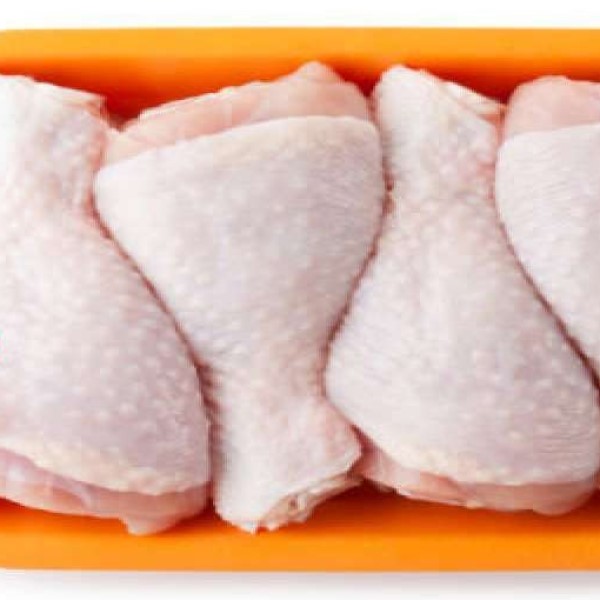
Chicken skin refers to the outer layer of a chicken’s body that covers the muscle and fat. It is the skin that holds the meat together and provides protection to the underlying tissues. Chicken skin is often left on the meat while cooking to enhance moisture and flavor. It holds a significant amount of fat, which contributes to its rich taste.
Chicken skin can be consumed in different forms—crispy when roasted or fried, or soft when boiled or steamed. People often savor the texture and flavor chicken skin adds to various dishes. When cooked, chicken skin becomes palatable and is considered a delicacy in various cuisines worldwide.
Nutritional Composition of Chicken Skin
Chicken skin is rich in fats, mainly unsaturated fats, which are considered heart-healthy. These fats help provide long-lasting energy and contribute to the absorption of fat-soluble vitamins. Chicken skin also contains a small amount of protein.
In addition, it contains a variety of nutrients, including:
- Omega-6 fatty acids: These can support brain function and promote cell growth.
- Vitamin E: This antioxidant helps protect the skin and cells from damage.
- Collagen: Found in the connective tissue of the skin, it may support joint health and skin elasticity.
However, chicken skin is also calorie-dense and contains cholesterol. A serving of chicken skin can contribute significantly to your daily calorie intake. Understanding its nutritional profile is key to balancing its consumption in a healthy diet.
With its savory taste and texture, chicken skin can be a delightful addition to meals. However, moderation is essential to maintain a balanced diet while enjoying its flavor.

Health Benefits of Eating Chicken Skin
Eating chicken skin can be a flavorful and beneficial addition to your meals. While it’s important to consume it in moderation, chicken skin offers certain health benefits. Below, we explore the advantages of eating chicken skin and how it may support a balanced diet.
Source of Healthy Fats
Chicken skin contains unsaturated fats, which are beneficial for overall health. These healthy fats can:
- Support heart health: Unsaturated fats help maintain cholesterol balance and reduce the risk of heart disease.
- Provide lasting energy: These fats sustain energy levels throughout the day.
- Improve nutrient absorption: They aid in the absorption of fat-soluble vitamins like A, D, E, and K.
- Contain omega-6 fatty acids: Omega-6 plays a role in brain function and cellular health.
Including chicken skin in your diet may be especially helpful for those following a ketogenic or low-carb plan. Its rich fat content aligns with diets that emphasize healthy fats over carbs.
Provides Essential Vitamins and Minerals
Chicken skin is not just about fat; it carries essential nutrients like:
- Vitamin E: This powerful antioxidant protects cells and enhances skin health.
- Collagen: Collagen supports joint health and improves skin elasticity.
These nutrients contribute to overall well-being and may be particularly valuable for maintaining healthy skin and joints. Additionally, the natural fats found in chicken skin enhance the nutrients’ bioavailability, helping your body to absorb them more efficiently.
In conclusion, chicken skin offers unique nutritional perks such as healthy fats and vital nutrients. However, maintaining balance in your diet is crucial to ensure you reap the benefits without overindulging.

Potential Risks in Consuming Chicken Skin
Is chicken skin good for you? Enjoying chicken skin can be appealing due to its taste and texture. However, there are potential risks you should consider when consuming it.
High Calorie Content
Chicken skin is calorie-dense because of its high fat content. This means even a small portion can add significant calories to your meal. For example, a serving of roasted chicken skin can contain over 100 calories, primarily from fat. Overeating chicken skin regularly may lead to weight gain, especially if you don’t balance it with physical activity.
To control calorie intake, measure portions carefully when eating chicken skin. Pair it with low-calorie, nutrient-rich foods like vegetables to create a balanced meal. Always be mindful of how often you include it in your diet.
Cholesterol and Heart Health Concerns
Chicken skin contains cholesterol, which might impact heart health when consumed in excess. Higher cholesterol levels can increase the risk of heart disease and stroke. Although the fats in chicken skin are primarily unsaturated, they still contribute to your overall fat consumption.
Individuals with existing heart conditions or high cholesterol should limit or avoid chicken skin. To maintain heart health, focus on lean protein sources and foods low in saturated fats. Choose cooking methods like baking or grilling to reduce additional fat intake.
In summary, moderate consumption of chicken skin is key to reducing risks. By being aware of its calorie content and cholesterol levels, you can make informed dietary choices while enjoying its flavor responsibly.
Chicken Skin in Different Diets
Is chicken skin good for you? Chicken skin can be a versatile food choice in various diets. It provides a rich source of healthy fats and nutrients, making it adaptable to specific dietary needs. Let’s explore its compatibility with keto and low-carb diets, as well as its impact on weight loss efforts.
Keto and Low-Carb Diet Compatibility
Chicken skin is well-suited for ketogenic and low-carb diets. These diets rely on high fat and low carbohydrate intake, which makes chicken skin an excellent option.
- High Fat Content: Chicken skin contains unsaturated fats that support sustained energy and nutrient absorption.
- Low Carbohydrates: It naturally aligns with the low-carb requirements of these diets, aiding in achieving dietary goals.
- Flavor Enhancement: Chicken skin adds taste and texture to meals without the need for carb-heavy ingredients.
For individuals on keto or low-carb diets, chicken skin can be used as a flavorful topping or snack, helping them stay satiated while meeting their nutritional needs.
Impact on Weight Loss Efforts
While chicken skin fits into some diets, its high calorie content can affect weight loss goals. Moderation is key to balancing calories and nutrition when consuming chicken skin.
- Calorie Control: Chicken skin is calorie-dense, so portion control is essential to avoid overeating.
- Pairing with Vegetables: Combine chicken skin with nutrient-dense, low-calorie foods to create balanced meals.
- Active Lifestyle: Incorporate physical activity to offset the calorie intake from chicken skin.
Although chicken skin contains healthy fats, excessive consumption may hinder weight loss efforts. Mindful eating and balancing meals can help avoid setbacks.
In conclusion, chicken skin can be a beneficial addition to keto and low-carb diets. However, those focused on weight loss must regulate portions and incorporate healthy habits to enjoy it responsibly.

How to Prepare Chicken Skin in a Healthier Way
Preparing chicken skin in healthy ways can help you enjoy its flavor while staying mindful of nutrition. Below, we explore techniques to cook chicken skin and how to pair it with balanced meals for a healthier diet.
Cooking Techniques for Healthier Options
Using healthy cooking methods reduces excess fat and calories in chicken skin. Here are some effective techniques:
- Bake or Roast: Place chicken skin in the oven and cook until crispy. Avoid using excess oil.
- Air Fry: Air frying achieves crispiness without added fat, making it a healthier alternative to deep frying.
- Grill: Grilling allows fat to drip off while enhancing the smoky flavor.
- Pan-Fry with Minimal Oil: Use a small amount of healthy oil, such as olive oil, for frying.
Avoid cooking methods like deep frying, which drastically increase calorie and fat content. Simple techniques like baking or grilling retain flavor without compromising health.
Pairing Chicken Skin with Balanced Meals
Combine chicken skin with nutrient-rich ingredients to create balanced, healthy dishes. Here are pairing tips:
- Add Vegetables: Pair chicken skin with steamed or roasted vegetables for a nutrient-packed meal.
- Include Whole Grains: Serve with quinoa, brown rice, or whole wheat bread for added fiber and energy.
- Use Healthy Sauces: Opt for yogurt-based dressings or guacamole instead of heavy, creamy sauces.
- Focus on Portion Control: Limit chicken skin to small amounts and balance it with lean protein like grilled chicken breast.
By combining chicken skin with healthier ingredients, you can enjoy its savory taste in guilt-free meals. Balancing each plate with vegetables, grains, and protein ensures a nourishing approach to eating chicken skin responsibly.
Cooking chicken skin with lighter techniques and combining it wisely can transform this treat into a healthier option. Focus on moderation and smart pairings to maintain a balanced diet.
Comparing Chicken Skin to Other Meat Skins
Chicken skin is popular for its flavor and texture, but how does it compare to other meat skins? Understanding the differences helps in making informed choices based on taste, nutrition, and health factors.
Pork Skin vs. Chicken Skin
Pork skin and chicken skin both add unique flavors and textures to dishes. Here’s a quick comparison:
- Fat Content: Pork skin is higher in saturated fats compared to chicken skin, which contains more unsaturated fats. Unsaturated fats support heart health, while saturated fats are less ideal.
- Calorie Intake: Both pork skin and chicken skin are calorie-dense, but pork skin generally has more calories per serving.
- Preparation Styles: Pork skin is commonly deep-fried to make snacks like pork rinds. Chicken skin can be baked, roasted, or grilled with minimal added fat.
- Nutritional Benefits: Chicken skin provides omega-6 fatty acids, vitamin E, and collagen. Pork skin offers collagen but fewer vitamins overall.
- Texture and Taste: Pork skin is crispier when fried, while chicken skin is juicier when cooked.
Both skins add variety to cuisines, but chicken skin may be healthier due to its unsaturated fats and nutrients.
Fish Skin vs. Chicken Skin
Fish skin provides a different set of health benefits and cooking uses when compared to chicken skin:
- Fat Type: Fish skin is rich in omega-3 fatty acids, which support heart and brain health. Chicken skin mainly contains omega-6 fatty acids.
- Calorie Content: Fish skin has fewer calories per serving than chicken skin.
- Nutritional Benefits: Fish skin offers high levels of protein, omega-3s, and minerals like selenium. Chicken skin contributes vitamin E, collagen, and unsaturated fats.
- Cooking Methods: Fish skin is often grilled or pan-seared for crispiness, while chicken skin can be cooked in various ways.
- Environmental Impact: Eating fish skin is often considered more sustainable, depending on the fish species.
Both fish and chicken skins offer distinct advantages. Fish skin may be more suitable for those looking for fewer calories and additional omega-3s.
Chicken skin stands out for its flavor and nutritional perks, but other meat skins can complement diverse dietary needs. Consider personal health goals and taste preferences when choosing between them.
Frequently Asked Questions About Chicken Skin
How Much Chicken Skin is Safe to Eat?
Eating chicken skin is safe when consumed in moderation. Portion size is key to healthy eating. A single serving of chicken skin often contains over 100 calories, mostly from fat. Overeating can lead to excess calorie and cholesterol intake, which might impact health.
Balancing chicken skin with nutrient-rich foods is important. Pair it with vegetables or lean proteins for balance. People with heart conditions or high cholesterol should eat chicken skin sparingly. Excessive consumption can raise cholesterol levels and increase the risk of heart disease.
General health guidelines recommend consuming no more than one small serving per meal. Moderation ensures you can enjoy chicken skin without compromising overall health.
Is Chicken Skin Better Than Boneless Chicken?
Chicken skin and boneless chicken offer unique advantages nutritionally and flavor-wise. Chicken skin is rich in unsaturated fats, omega-6 fatty acids, collagen, and vitamin E. These nutrients support energy, joint health, and skin elasticity. However, chicken skin is calorie-dense and contains cholesterol.
Boneless chicken, on the other hand, is higher in lean protein and lower in calories and fat. It is a better choice for weight management and heart health. Boneless chicken supports muscle growth and offers cleaner nutrition overall.
Choosing between chicken skin and boneless chicken depends on dietary goals. For a flavorful addition, chicken skin fits well in keto diets. For healthier protein sources, boneless chicken is ideal. Combining both in moderation can offer balanced meals that support nutritional needs.
Conclusion: Balancing Flavor with Health
In conclusion, whether chicken skin is good for you largely depends on how you incorporate it into your diet. While it provides flavor and some nutritional benefits, moderation is essential in balancing the high-fat content it brings.
By understanding its nutritional profile, focusing on healthier cooking methods, and being mindful of portion sizes, you can enjoy chicken skin as a delicious addition to your culinary repertoire. Ultimately, making informed choices allows you to savor the taste while mindful of your health. Embrace the flavor of chicken skin, and let it bring excitement to your meals while keeping your health goals in check!