Are Tears Good for Your Skin? Myths, Facts, and Insights for 2025
Introduction
In recent years, the skincare world has seen a surge in interest surrounding natural remedies and holistic approaches. One of the more curious topics that has surfaced is the question: are tears good for your skin? Many people have wondered if the act of crying can actually benefit skin health. With so much information available, it’s essential to separate myths from facts. This article will provide an informative look at the composition of tears, their potential benefits for the skin, and how emotions play a role in overall skin health.

What Are Tears Made Of?
Tears are more than just drops of water. They play a critical role in eye health, keeping the surface of the eyes moist and clear. Tears also help protect our eyes from irritants, infections, and injuries. Let’s explore the types of tears and their unique compositions.
Types of Tears: Emotional, Reflex, and Basal
There are three main types of tears: emotional, reflex, and basal. Each serves a distinct purpose:
- Emotional Tears: These tears are linked to strong emotions, such as sadness or joy. They are released during intense feelings and contain stress hormones and natural painkillers. Emotional tears are thought to help calm the body.
- Reflex Tears: These tears protect the eyes when exposed to irritants like smoke or onion fumes. They appear suddenly to wash away irritants and keep the eyes safe.
- Basal Tears: These are always present and keep the eyes lubricated. Basal tears form a protective coat over the eye surface to prevent dryness and reduce friction.
Composition of Tears and Their Functions
Tears are made of water, oils, mucus, enzymes, and salts, each serving specific functions:
- Water: Hydrates the eyes and prevents dryness. It ensures comfort and clarity of vision.
- Oils: Prevent tears from evaporating too quickly. They form a thin protective layer.
- Mucus: Helps tears spread evenly across the eyes. It ensures complete coverage of the surface.
- Enzymes: Fight bacteria and protect against infections. Lysozymes are particularly effective.
- Salts: Stabilize tears and maintain the right pH balance. However, excessive salts can cause irritation when in contact with skin.
In summary, tears are complex fluids with essential roles in maintaining eye health. The different types of tears and their compositions highlight their importance for both eye and skin health. This complexity also determines how tears interact with our skin.
How Tears Impact Skin Health
Tears not only affect our eyes but can also have an impact on our skin. This dual effect arises from their moisture-enhancing properties and potential to cause irritation, depending on individual circumstances. Let’s delve deeper into how they influence skin health below.
Moisturizing Effects of Tears
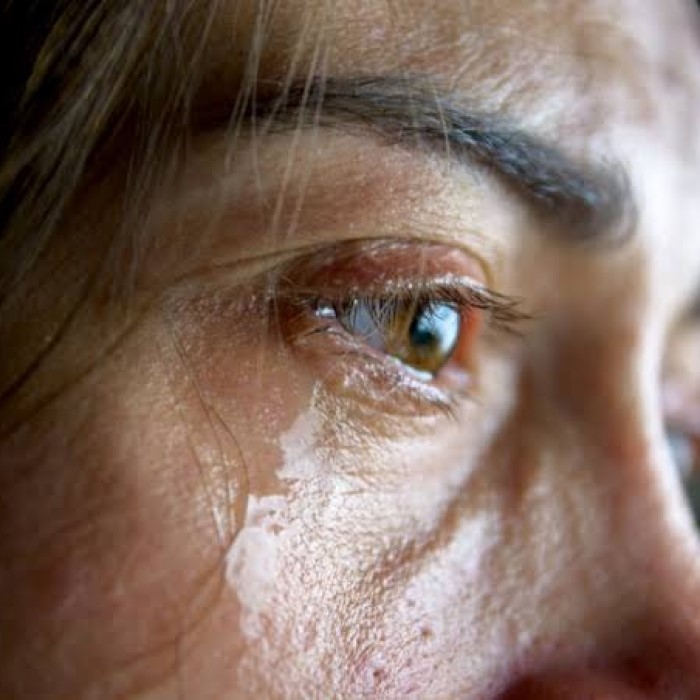
Tears contain water, which makes them naturally hydrating for the skin. When tears roll down the face, their moisture can temporarily leave skin feeling soft. The water in tears provides hydration that may benefit dry skin. This effect, however, is usually short-lived and depends on the skin’s ability to retain moisture.
Additionally, basal tears help maintain the skin barrier near the eyes. They moisturize and protect the delicate skin surrounding the eyes. This is especially beneficial in combating dryness in sensitive areas around the eyelids. However, frequent crying without proper skin care may disrupt this balance.
Possible Irritating Effects on Skin
Tears also contain salts and enzymes that may irritate sensitive skin. While salts stabilize the tear composition, too much exposure can upset the skin’s pH balance. Prolonged tear contact can make skin feel dry or leave a tight sensation.
Enzymes, though beneficial for fighting bacteria, can sometimes cause redness or irritation on damaged skin. For people with conditions like eczema or rosacea, tears might exacerbate inflammation. Frequent crying might lead to visible irritation, especially around the eyes and cheeks.
In summary, tears can both hydrate and irritate skin depending on their composition and frequent contact. Maintaining proper skin care after crying can help balance their effects.
The Benefits of Crying for Skin
Crying may feel emotional, but it can have surprising effects on your skin. The benefits of shedding tears extend beyond emotional relief. Let’s explore how crying might positively impact skin health.
Potential Detoxifying Properties
Crying can help eliminate toxins. Emotional tears contain stress hormones and toxins removed from the body. Releasing these toxins through tears might reduce inflammation, benefiting the skin indirectly.
Toxic buildup in the body can sometimes show on the skin as breakouts or irritation. Crying may reduce stress-related hormones, like cortisol, that negatively affect skin health. Lower cortisol levels might lead to clearer, healthier skin.
By flushing out impurities, tears may also improve skin’s overall texture and brightness. However, this detoxifying effect is subtle and should complement proper skin care.
Stress Relief and Skin Health Connection
Stress often causes skin issues like acne or redness. Crying helps release emotional tension, reducing stress. When stress decreases, skin problems caused by it may improve naturally.
Reduced stress also benefits blood flow to the skin. Better circulation supports skin regeneration and healing. Crying, in this way, indirectly contributes to skin’s vitality and resilience.
Ultimately, while crying won’t replace skin care routines, its stress-relief benefits can promote a healthier complexion. Enjoying emotional release through crying might help your skin glow!
Can Tears Cause Skin Irritation?
Tears, while essential for eye health, can sometimes irritate the skin. Their unique composition, including salts and enzymes, may cause discomfort or redness depending on individual skin types. Understanding these effects allows you to better protect your skin from potential irritation.
Why Salts in Tears Might Irritate Skin
Tears contain salts that stabilize their composition and maintain pH balance. When tears repeatedly contact the skin, these salts can upset the skin’s natural pH. This disruption might lead to dryness, tightness, or irritation. Prolonged exposure, especially without cleansing, increases the likelihood of these issues.
Sensitive skin is more prone to irritation caused by tear salts. Areas around the eyes and cheeks, where tears often flow, may exhibit redness or flakiness after crying. Individuals already dealing with dryness or inflammation may feel these effects more strongly.
Factors That Increase Skin Sensitivity to Tears
Several factors can heighten skin sensitivity to tears:
- Existing Skin Conditions: Disorders like eczema or rosacea make skin vulnerable. Tears may worsen inflammation or redness.
- Frequent Crying: Excessive tear exposure increases skin’s contact with salts, often leading to irritation.
- Skin Type: Dry or delicate skin reacts more intensely to tear components.
- Environmental Factors: Changes in weather or humidity can intensify tear-related irritation.
- Prolonged Residue: Allowing dried tears to remain on the skin may amplify uncomfortable sensations.
By addressing these factors, you can reduce the risk of tear-induced irritation. Proper cleansing and hydration go a long way in preventing discomfort caused by tears.
Myths and Facts About Tears and Skin
Tears interact with our skin in surprising ways. They can benefit the skin or irritate it, depending on various factors. Unfortunately, myths about the effects of tears on skin health can lead to confusion. Let’s examine some popular beliefs to separate myths from scientific facts.
Do Tears Really Help Heal Skin?
Some people believe tears have skin-healing properties. This misconception stems from their natural components, like water and enzymes. While basal tears keep the skin around the eyes hydrated, they don’t inherently heal skin wounds. Emotional tears may contain stress-reducing hormones that calm the body. However, this internal relief doesn’t directly repair damaged skin.
The salts and enzymes in tears are essential for eye health but may irritate broken or sensitive skin. Tears don’t have medicinal qualities that can heal cuts, acne, or other skin issues. Proper wound care, not crying, is necessary for actual skin recovery. Tears may hydrate momentarily, but their overall impact on healing is limited.
Misconceptions About Crying and Beauty
Crying is often seen as an emotional release, but some believe it improves appearance. This myth arises due to temporary effects, such as flushed cheeks or brighter eyes after crying. These changes are largely superficial and short-lived. Contrary to the myth, crying doesn’t make skin clearer or healthier in the long run.
People may also think crying acts as a “detox” for the skin. Emotional tears can remove stress hormones, possibly benefiting skin indirectly. Yet, this process is subtle and insufficient to deal with true skin concerns like acne or dullness. Only consistent skincare routines ensure lasting beauty.
Sometimes cultural perceptions promote myths, associating crying with purity or refreshed looks. Scientific evidence, however, does not support these claims. Tears can affect the skin’s state temporarily, but they are not a substitute for hydration, exfoliation, or skincare treatments.
In conclusion, while tears serve essential roles for eye health, their benefits for skin are often misunderstood. By understanding their limited impact, you can make informed decisions for enhancing your skin health through proper care.
Tips for Protecting Skin When Crying
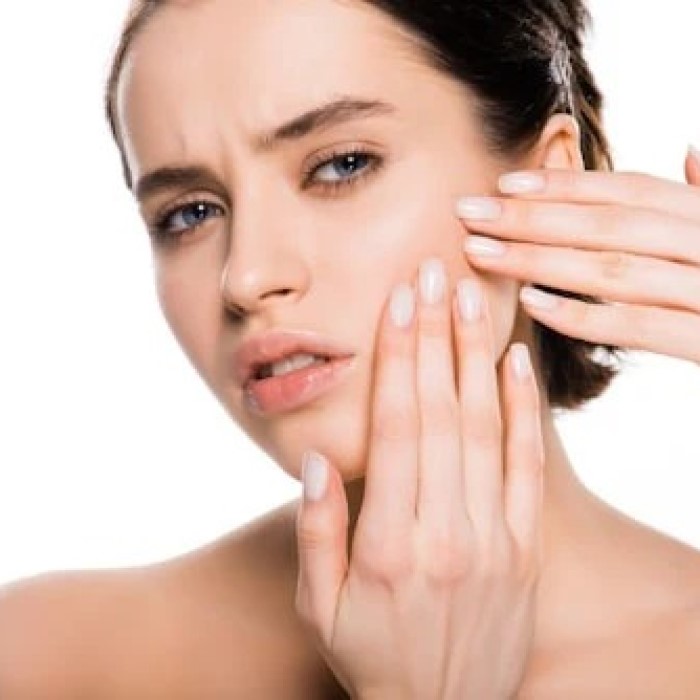
Are tears good for your skin? Crying can impact skin health through moisture changes and irritation. Taking care of skin after crying is essential to maintain balance. Here are practical ways to protect your skin.
Keeping Skin Hydrated
Hydration is key when tears come in contact with skin. Here’s how to keep skin moisturized:
- Apply a Gentle Moisturizer: Use it immediately after crying to replenish lost hydration. Choose products suited for sensitive skin.
- Drink Water: Stay hydrated internally to maintain moisture levels in your skin.
- Use Hydrating Eye Cream: This can soothe and nourish the delicate skin around your eyes.
- Avoid Harsh Towels: Pat skin gently with a soft cloth to prevent irritation after crying.
These steps help counteract dryness caused by tear salts and enzymes. Hydration ensures your skin stays soft and healthy.
Post-Crying Skin Care Routine
A proper routine refines the skin’s condition after tears touch its surface. Follow these steps:
- Cleanse Your Skin: Wash your face with mild, non-irritating cleansers. Remove tear residue effectively.
- Apply Soothing Products: Use calming serums or creams with ingredients like aloe vera or chamomile.
- Avoid Rubbing Skin: Rubbing increases irritation. Instead, lightly touch sensitive areas with clean fingers.
- Check for Redness: If skin appears red or itchy, use cold compresses to reduce inflammation.
- Use Broad-Spectrum Sunscreen: Protect skin from further damage, especially after cleansing.
These practices minimize tear-related irritation and support your skin’s recovery. Maintain this routine for consistent care after emotional moments.
Protecting your skin while crying ensures its overall health. Regular skin care plays a big role in managing sensitivity and irritation.
When to Worry About Tear-Related Skin Issues
Tear-induced skin problems are often mild, but they can sometimes require extra attention. Understanding when to take action is vital. Tears can lead to dryness, irritation, or worse, depending on skin sensitivity. Below, we detail signs to watch for and when expert advice may be needed.
Signs of Overly Sensitive or Damaged Skin
- Persistent Redness: If skin stays red after crying, it could indicate sensitivity to tear salts.
- Chronic Dryness: Tight, flaky skin might suggest prolonged exposure to tear components without proper hydration.
- Burning or Stinging Sensation: Tears might irritate damaged or broken skin areas, causing discomfort.
- Swelling or Puffiness: Regular crying could amplify puffiness around the eyes or cheeks, signaling aggravated skin.
- Visible Rashes or Breakouts: Tears might worsen pre-existing conditions, like eczema or acne, resulting in spreading irritation.
These signs show the skin might be reacting negatively to tears. If symptoms persist or worsen, skin care adjustments are necessary.
Consulting a Dermatologist for Persistent Problems
If tear-related skin issues continue despite daily care, consult a dermatologist. Dermatologists can:
- Diagnose Skin Sensitivities: They’ll analyze if your skin reacts unusually to tear salts and enzymes.
- Treat Skin Conditions: Experts can manage affected areas, addressing underlying concerns like inflammation.
- Recommend Products: Specific moisturizers or cleansers can be suggested for your skin type.
- Develop Customized Routines: Personalized regimens reduce sensitivity and irritation effectively.
Prolonged skin concerns may stem from tears or unrelated issues. A dermatologist ensures proper treatment and helps restore skin health.
Taking proactive steps can prevent tears from affecting your skin severely. Recognize symptoms early and seek help when needed.
Conclusion: Are Tears Good for Your Skin?
Are tears good for your skin? Although tears provide temporary hydration and possess a few antibacterial properties, they are not a cure-all solution for skin health. The emotional aspect of crying may contribute to better skin health by reducing stress, but one should not view tears as a reliable skincare method.
Instead, focus on a balanced skincare routine that prioritizes hydration, protection, and healthy emotional expression. As we look towards 2025, understanding the interplay between emotion and skin health will help individuals make informed choices for their skincare journeys. So, embrace your emotions, allow yourself to cry when necessary, but always prioritize proper skincare practices for keeping your skin healthy and vibrant.