Can Energy Drinks Cause Hair Loss? Uncover the Truth in 2025
Introduction: The Growing Popularity of Energy Drinks
Energy drinks have surged in popularity in recent years, especially among young adults and athletes. Packed with caffeine, sugar, and other stimulants, these beverages promise quick boosts of energy and enhanced performance. However, a rising concern in the health and wellness community revolves around the potential side effects of energy drinks, particularly the question: can energy drinks cause hair loss? This article aims to delve into the underlying factors, shed light on the scientific evidence, and provide clear answers to this pressing question.
Understanding Hair Loss
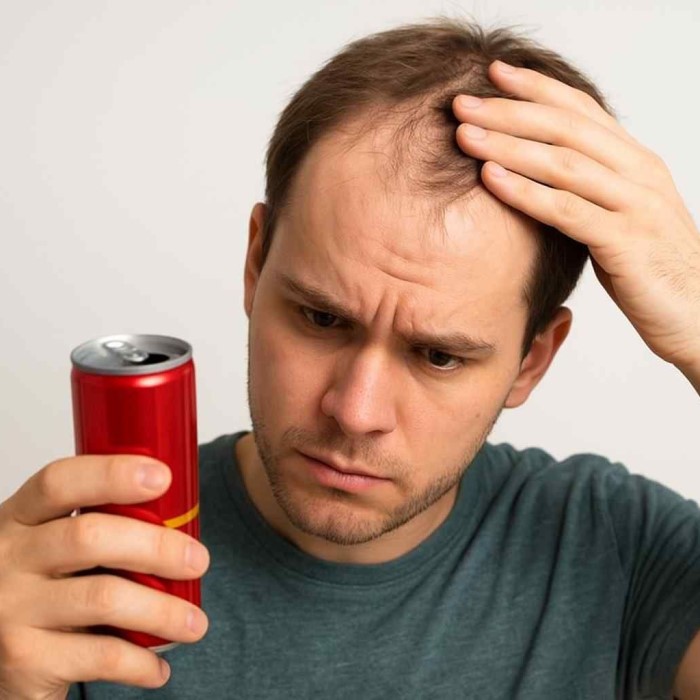
Before we explore the relationship between energy drinks and hair loss, it’s essential to understand what hair loss entails. Hair loss, or alopecia, can result from a variety of factors including genetics, hormonal changes, nutrient deficiencies, stress, and environmental influences. While many people experience some degree of hair thinning as they age, certain habits and consumption patterns can exacerbate this condition.
What Ingredients in Energy Drinks Could Be Contributing Factors?
Can energy drinks cause hair loss? Energy drinks contain various ingredients that may influence hair health. Here, we will examine some of the most common components and their potential effects.
1. Caffeine
- Role of Caffeine: Caffeine is a central nervous system stimulant that can temporarily increase alertness and energy levels. However, excessive consumption has been linked to various health issues.
- Impact on Hair: High caffeine intake can lead to increased anxiety and stress levels. Elevated stress can contribute to hair loss, particularly in those predisposed to conditions like telogen effluvium.
- Moderation is Key: While moderate caffeine consumption is generally considered safe for most individuals, excessive intake may lead to adverse effects on hair health.
2. Sugar
- High Sugar Content: Many energy drinks are loaded with sugars, which can lead to chronic health issues such as obesity and diabetes. These conditions often have downstream effects on hair health.
- Hormonal Imbalance: Sugar can cause insulin spikes, leading to hormonal imbalances that may contribute to hair loss.
- Inflammation: High sugar diets may promote inflammation, which can also negatively affect hair follicles.
3. B Vitamins
- B Vitamin Role: Energy drinks often contain B vitamins, which play a role in energy metabolism and overall health. However, studies show that excessively high levels of certain B vitamins can sometimes lead to negative effects.
- Balance Matters: It’s essential to consume B vitamins within recommended limits to support hair health without risking toxicity.
4. Herbal Extracts and Stimulants
- Common Additives: Many energy drinks include herbal ingredients such as guarana, ginseng, or taurine. The effects of these compounds can vary widely.
- Potential Effects: Some herbal extracts may promote hair growth, while others can lead to side effects impacting hair health.
Scientific Evidence on Energy Drinks and Hair Loss
When addressing whether energy drinks can cause hair loss, scientific evidence remains limited. While anecdotal reports and some studies suggest a possible link, definitive conclusions are challenging to establish. Here’s an overview of what we know so far:
Recent Studies
Limited Research
- Insufficient Comprehensive Studies:
- The body of research exploring the direct correlation between energy drink consumption and hair loss is limited.
- Few studies have focused specifically on the potential hair loss effects resulting from regular energy drink intake.
- Lack of Longitudinal Studies:
- Most existing studies are cross-sectional, providing only snapshots of data rather than tracking changes over time.
- Longitudinal studies are needed to observe how ongoing energy drink consumption may impact hair health in real-time.
- Need for Diverse Populations:
- Research often lacks diversity in study participants, focusing mainly on homogeneous groups.
- Larger, more varied populations are essential to assess the wide-ranging effects of energy drinks on different demographics.
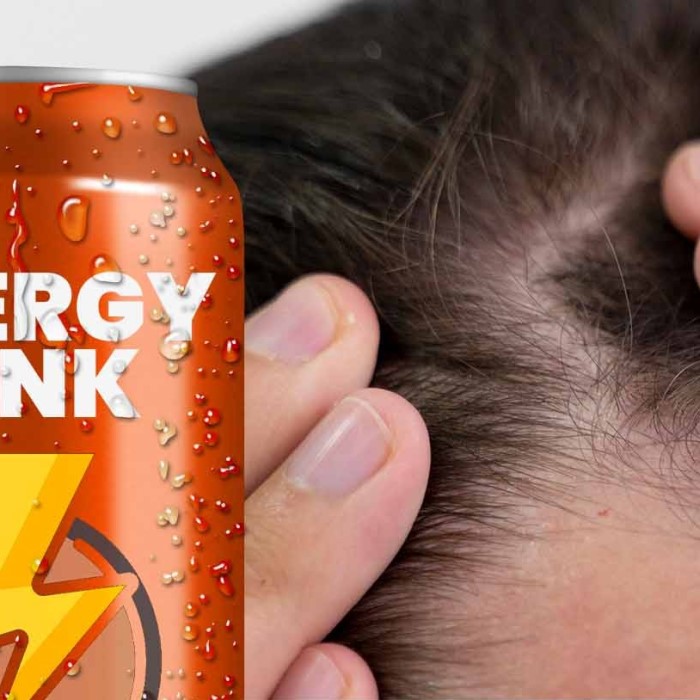
Dihydrotestosterone (DHT)
- Connection to Hair Loss:
- Dihydrotestosterone (DHT) is an androgen hormone linked to hair loss conditions, like androgenetic alopecia.
- Elevated DHT levels can lead to the shrinking of hair follicles, resulting in thinner hair and eventual hair loss.
- Influencing Ingredients:
- Some studies suggest that specific ingredients found in energy drinks, such as caffeine and certain herbal extracts, may influence DHT levels.
- This potential influence raises concerns about the long-term consequences of regular consumption on hair health.
- Need for Further Research:
- Despite preliminary findings, more comprehensive research is necessary to fully understand the relationship between energy drinks and DHT levels.
- Investigating the specific effects of different energy drink ingredients, as well as their synergistic effects, will provide clearer insights.
- Understanding the Full Impact:
- Further studies should focus on the duration of energy drink use and its cumulative effects on DHT levels and hair health.
- Identifying how individual factors, such as genetics and diet, interact with energy drink consumption can help clarify the full impact.
Individual Variability
Genetic Factors
- Individual Variability: Not everyone who consumes energy beverages will experience hair loss, indicating a degree of variability in individual responses.
- Role of Genetic Predisposition: Genetic predisposition is a key factor influencing the likelihood of hair loss.
- Some individuals may inherit genes that make them more susceptible to hair thinning and pattern baldness.
- Family history of hair loss can significantly increase the risk of similar issues in subsequent generations.
- Specific Genetic Markers: Certain genetic markers have been associated with androgenetic alopecia, the most common form of hair loss.
- Those with these markers may have a heightened sensitivity to hormones like dihydrotestosterone (DHT), which can lead to hair loss.
Lifestyle and Diet
- Nutritional Impact: Diet plays a crucial role in overall health and hair growth.
- A balanced diet rich in vitamins and minerals is essential for maintaining healthy hair.
- Deficiencies in key nutrients such as iron, zinc, and vitamins A and D can contribute to hair thinning.
- Stress Levels: Stress is a significant factor that can negatively impact hair health.
- Chronic stress can trigger conditions like telogen effluvium, where hair prematurely enters the shedding phase.
- It can also exacerbate existing genetic vulnerabilities to hair loss.
- Overall Health: General health status is critical in influencing hair loss outcomes.
- Conditions such as hormonal imbalances, thyroid disorders, and autoimmune diseases can lead to hair loss and should be addressed.
- Pre-existing Genetic Vulnerabilities: Individuals with a family history of hair thinning may face greater risks when lifestyle factors are not managed.
- Lifestyle choices compounded by genetic factors can lead to a higher likelihood of experiencing hair loss.
- Being proactive about diet, stress management, and overall health is important for those at risk.
Managing Energy Drink Consumption
For those concerned about hair loss, managing energy drink consumption can be crucial. Here are some strategies to consider:
1. Limit Intake
- Moderation: Limiting energy drink consumption can help minimize potential risks. Stick to recommended daily caffeine limits, typically around 400 mg for most adults.
2. Read Labels
- Nutritional Awareness: Always read labels for hidden sugars, caffeine content, and other potentially harmful ingredients. Choose energy drinks with lower sugar and natural ingredients if necessary.
3. Maintain Overall Health
- Balanced Diet: Consuming a balanced diet enriched with vitamins and minerals can promote hair health. Focus on foods rich in B vitamins, iron, and protein.
4. Stay Hydrated
- Hydration Importance: Drink plenty of water throughout the day, especially if consuming dehydration-promoting stimulants like caffeine.
5. Regular Health Check-Ups
- Consult Professionals: Regular check-ups with healthcare providers can help monitor any changes in health that may affect hair growth.
FAQs about Energy Drinks and Hair Loss
Will my hair grow back if I stop drinking energy drinks?
Stopping or reducing energy drink consumption could lead to improvements in overall health, which might positively impact hair health over time. However, genetic factors and the underlying causes of hair loss will dictate whether hair regrowth occurs. Consulting a healthcare professional can provide personalized advice based on individual circumstances.
What drinks are linked to hair loss?
In addition to energy drinks, beverages high in sugar, caffeine, or certain artificial additives may have negative effects on hair health. Regular consumption of soft drinks, especially those loaded with sugar, might correlate with hair thinning in some individuals. Drinking water, herbal teas, and other nutrient-rich fluids can promote better overall hair health.

Conclusion: Unveiling the Truth About Energy Drinks and Hair Loss
In conclusion, the query of can energy drinks cause hair loss is multifaceted and continues to be examined in the context of various health influences. While some ingredients in energy drinks may pose risks, the impact is not universal and depends on individual factors such as genetics, lifestyle, and overall health.
Being informed about what you consume is vital. Moderation in energy drink consumption, alongside leading a healthy lifestyle, could help mitigate potential hair loss challenges. As always, if you are concerned about hair health or noticeable changes, consult with a healthcare professional for tailored guidance and support. Taking proactive steps towards overall health will help ensure that you not only feel energized but also maintain healthy hair.