Does Dying Your Hair Cause Hair Loss? Impacts on Hair Health
Introduction: Understanding Hair Dyeing and Its Effects
The question does dying your hair cause hair loss is a common concern for many individuals who enjoy changing their hair color. Hair dyeing is a popular practice for self-expression and style, but there are concerns regarding its impact on hair health. In this article, we will explore the potential effects of hair dyeing on hair loss, examine the science behind hair treatments, and provide tips for maintaining healthy hair.
Coloring one’s hair can enhance appearance and boost confidence, but it is important to understand how the chemicals within hair dyes affect hair structure. Factors such as hair type, dyeing frequency, and the specific products used can significantly influence hair health. By gaining insights into these key aspects, individuals can make informed decisions about their hair care and coloring routines.
The Chemistry of Hair Dyes
1. Types of Hair Dyes
Understanding the different types of hair dyes is essential for assessing their potential impacts on hair health:
- Permanent Dyes: These dyes penetrate the hair shaft, allowing for long-lasting color results. They typically contain ammonia and peroxide, which can substantially alter the hair structure, potentially making it more susceptible to damage.
- Semi-Permanent Dyes: These products provide a temporary color solution, lasting for several weeks. They do not contain ammonia but may still include mild formulations that can cause gradual wear and tear on the hair.
- Temporary Dyes: These dyes coat the hair’s surface and wash out after a few shampoos. They are generally the least harmful but may not provide the desired color longevity.
2. Chemical Reactions and Hair Structure
The chemicals in hair dyes can greatly impact the structure of hair. Here’s how:
- Effects of Ammonia and Peroxide:
- Ammonia: This ingredient opens the hair cuticle, facilitating color absorption but also making hair more prone to breakage and dryness.
- Peroxide: This component lightens hair by breaking down its natural pigments, which can weaken hair over time.
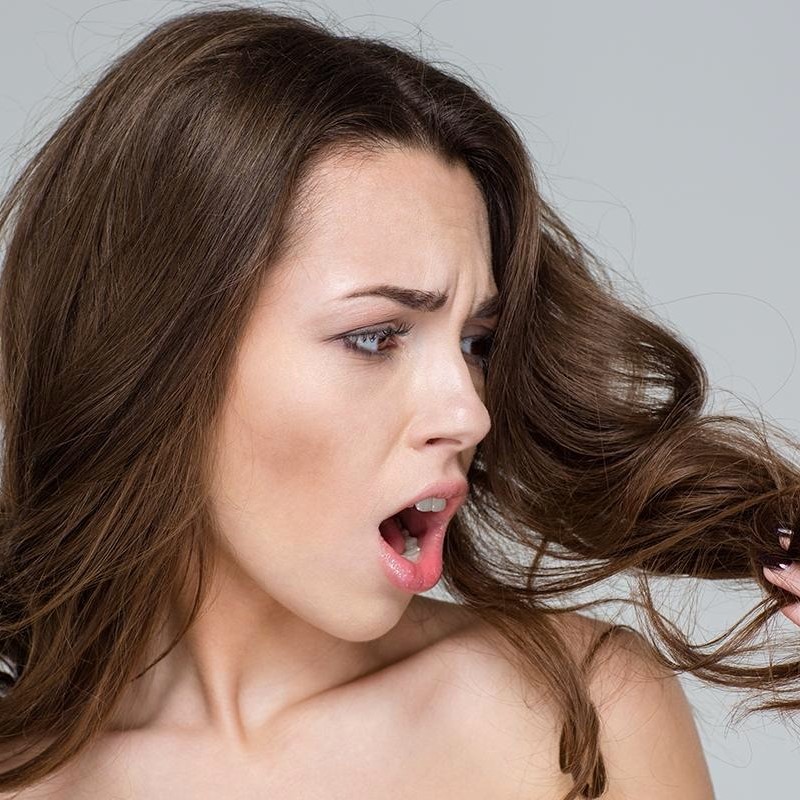
- Hair Damage Potential: Regular exposure to these aggressive chemicals can compromise the hair’s health, leading to increased breakage, split ends, and overall thinning.
3. Color Treatments and Hair Integrity
While hair dye ingredients may provide aesthetic benefits, their long-term use can compromise hair integrity. Common issues associated with frequent dyeing include:
- Frailty: Over time, hair may become brittle and fragile due to the chemical treatments, making it more susceptible to breakage.
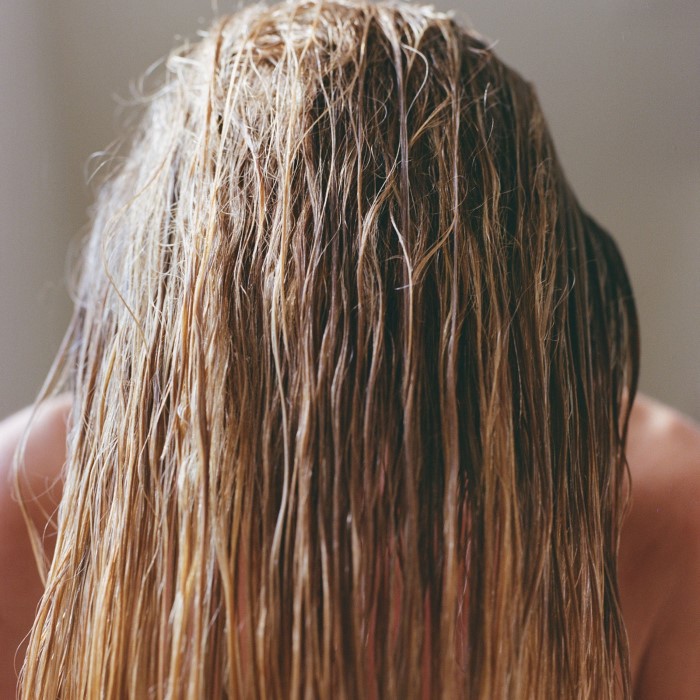
- Moisture Loss: Chemical processes often strip essential moisture from the hair, resulting in dryness and a lack of shine.
Understanding the chemistry behind hair dyes allows individuals to make informed choices about coloring their hair while being mindful of potential risks.
Factors Contributing to Hair Loss from Dying
1. Chemical Damage
Oxidative Stress
- Definition of Oxidative Stress: Does dying your hair cause hair loss? Oxidative stress occurs when there’s an imbalance between free radicals and antioxidants in the body. This imbalance can lead to cellular damage.
- Sources of Free Radicals: Hair dyes often contain harsh chemicals and compounds, such as ammonia and peroxide, which can contribute to the generation of free radicals during the dyeing process.
- Impact on Hair Follicles:
- Frequent exposure to these chemicals can lead to oxidative stress in hair follicles, which diminishes their ability to produce healthy hair.
- Prolonged oxidative stress can weaken the structural integrity of hair strands over time, making them more prone to breakage and damage.
- Symptoms of Oxidative Stress: Individuals may notice signs of oxidative stress in their hair, such as increased dryness, brittleness, and split ends.
- Potential Long-Term Consequences:
- Chronic oxidative damage to hair follicles can lead to hair thinning or stopping hair production altogether.
- Over time, this may result in noticeable hair loss or lower hair density.
Cumulative Damage
- Understanding Cumulative Damage: Cumulative damage results from repeated exposure to damaging agents. When it comes to hair dyeing, this refers to the ongoing effects of multiple dye treatments over time.
- Chemical Burn:
- Definition: The term “chemical burn” refers to irritation or injury caused by exposure to harsh chemicals in hair dyes.
- This can manifest as redness, inflammation, itching, and sensitivity in the scalp.
- Effects of Repeated Dyeing:
- Continuous use of hair dyes can exacerbate scalp irritation. The protective layer of the scalp may become compromised, leading to heightened sensitivity.
- As the scalp becomes irritated, it can disrupt normal hair growth cycles, possibly leading to increased shedding or hair loss.
- Signs of Chemical Burn: Look for symptoms such as:
- Redness or rash on the scalp.
- Tenderness or pain when touching the scalp.
- Flaking or peeling of skin in the affected areas.
- Long-Term Hair Health Risks:
- If not addressed, chemical burn can lead to chronic inflammation. This ongoing irritation may further weaken hair follicles, exacerbating hair loss over time.
- It is crucial for individuals who frequently dye their hair to pay attention to their scalp health and seek professional advice if they experience any negative reactions.
2. Overprocessing The Hair
- Excessive Treatments: Regular dyeing, especially with permanent or high-heat treatments, can heighten the risk of overprocessing. This may weaken the hair and lead to excessive shedding.
- Combined Treatments: Utilizing multiple chemical treatments (like straightening and dyeing) in a short time increases vulnerability to hair damage.
3. Allergic Reactions and Sensitivity
- Sensitivity to Ingredients: Some individuals may experience allergic reactions to certain hair dye ingredients. These reactions can cause scalp inflammation and indirectly lead to hair loss.
- Patch Testing: Conducting patch tests before dyeing is critical for identifying potential allergic reactions and avoiding serious issues.
Maintaining Healthy Hair While Dying
Does dying your hair cause hair loss? To reduce the risks of hair loss related to dyeing, consider implementing a comprehensive hair care routine tailored to address both hair health and coloring concerns.
1. Limit Chemical Treatments
- Frequency of Dyeing: Space out dyeing sessions to minimize the cumulative effects of harsh chemicals on your hair. Limiting dye usage to every 6-8 weeks can help maintain hair integrity.
- Consider Professional Application: Having hair dyed by a professional ensures that proper techniques are used to decrease damage and protect hair health.
2. Use Gentle Hair Products
- Sulfate-Free Shampoos: Opt for shampoos that are free from sulfates since these can strip hair of vital moisture.
- Conditioning Treatments: Incorporate deep conditioning treatments regularly to restore moisture and repair damage post-dye. Look for products that contain natural oils and proteins.
3. Protective Hair Care Techniques
- Heat Protection: If you’re using heat styling tools, always apply a heat protectant spray to shield hair from potential damage.
- Leave-In Conditioners: Using leave-in conditioners can help provide ongoing moisture and nourishment, especially after coloring treatments.
FAQs About Hair Dyeing and Hair Loss
1. Does dying your hair cause hair loss?
Dyeing hair itself does not directly cause hair loss, but the chemicals involved can lead to hair damage and thinning if not managed properly.
2. Will removing facial hair help with acne?
Removing facial hair can reduce the risk of acne by eliminating trapped oils and dirt against the skin, but it is essential to maintain a proper skincare routine.
3. Does shaving reduce acne?
Shaving can assist in removing dead skin cells and excess oil, which may reduce clogged pores, but improper shaving techniques can also cause skin irritation and lead to breakouts.
4. Can my hair cause pimples on my face?
Hair can contribute to pimples, as it can trap oils and dirt against the skin. This accumulation can clog pores, leading to breakouts.
Hormonal Influences on Hair Loss
1. Understanding Hormonal Impact
- Androgens: Hormonal imbalances can influence hair growth and hair loss. Fluctuations in androgen levels can stimulate sebaceous glands, increasing oil production and potentially leading to hair loss.
2. Managing Hormonal Fluctuations
- Balanced Diet: A diet rich in fruits, vegetables, lean proteins, and healthy fats can help maintain hormonal balance, positively impacting skin and hair health.
- Regular Exercise: Engaging in regular physical activity helps regulate hormone levels, thereby supporting healthier skin and hair.
Conclusion: Understanding the Impacts on Hair Health
In conclusion, the question does dying your hair cause hair loss? requires a nuanced understanding of the chemistry involved, hair structure, and proper care techniques. While the process of dyeing hair can lead to beautiful transformations, it is vital to recognize and address potential risks associated with chemical usage.
By adopting safe hair dyeing practices, utilizing gentle hair care products, and maintaining a balanced diet, individuals can promote healthy hair while minimizing the risk of hair loss. Ultimately, informed choices about hair treatments and diligent care will support both the appearance and longevity of your hair.
If concerns about hair loss persist, seeking the advice of a healthcare professional or dermatologist is encouraged. They can provide insights tailored to your individual needs and help develop effective management strategies for maintaining hair health. Embrace your beauty while prioritizing the health of your hair!