Is Witch Hazel Good for Your Skin? Trends and Popular Uses
Introduction: What is Witch Hazel?
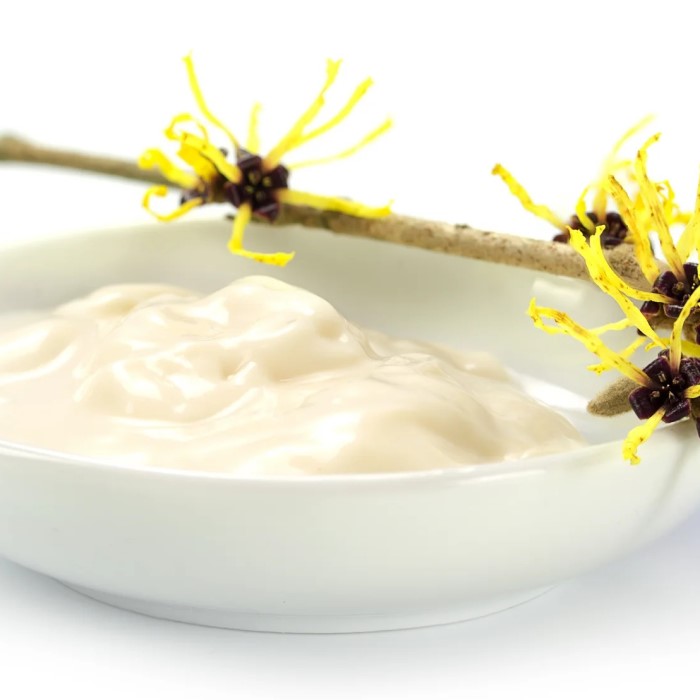
Witch hazel is a natural extract derived from the bark and leaves of the Hamamelis virginiana plant, a shrub native to North America. For centuries, it has been utilized for its soothing and healing properties. Today, witch hazel has gained significant popularity in the beauty and skincare industry, leading many to ask, is witch hazel good for your skin? In this article, we will delve into the benefits, popular uses, and trending applications of witch hazel, shedding light on its role in skincare routines.
The Benefits of Witch Hazel for Skin
Is witch hazel good for your skin? Understanding whether witch hazel is good for your skin requires examining its numerous benefits.
Antimicrobial Properties
One of the standout features of witch hazel is its antimicrobial properties. This herbal extract is known to combat bacteria and fungi, making it a perfect addition to a skincare routine. By inhibiting bacterial growth, witch hazel helps reduce the risk of skin infections, particularly in acne-prone individuals.
Anti-Inflammatory Effects
Witch hazel is rich in tannins, providing anti-inflammatory effects that are beneficial for individuals with sensitive skin or conditions like eczema and psoriasis. It can help reduce irritation, redness, and swelling, fostering an overall calmer and healthier skin appearance.
Oil Control
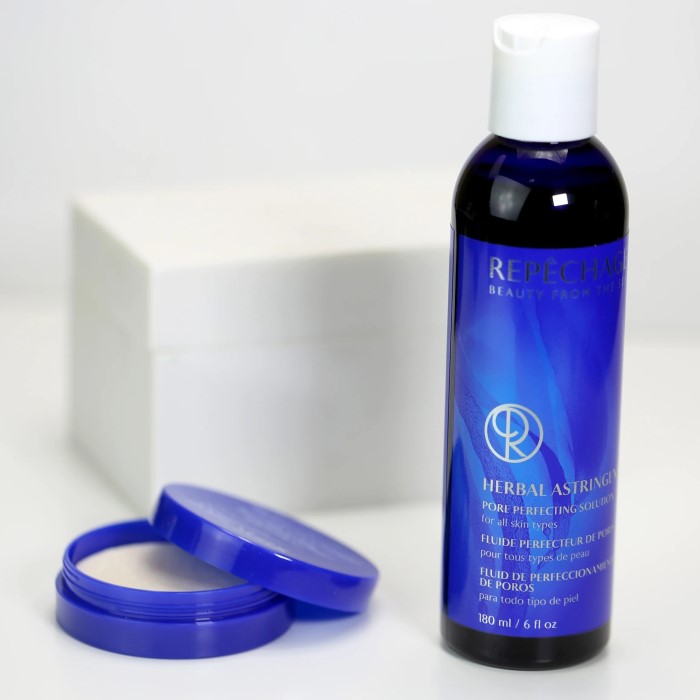
People with oily skin types often struggle with excess sebum production. Witch hazel acts as an astringent, tightening and toning the skin effectively. It helps absorb oil and shine without overly drying out the skin, making it a suitable choice for individuals looking to balance their complexion and minimize large pores.
Skin Hydration
While some may assume that astringents like witch hazel can dry the skin, it can actually help maintain hydration when used correctly. Enhanced formulations are available that combine witch hazel with hydrating agents, which can boost moisture retention while still providing the purifying benefits of the extract.
Popular Uses of Witch Hazel in Skincare
Is witch hazel good for your skin? Now that we’ve established that witch hazel can be beneficial for your skin, let’s explore some popular uses that align with current trends.
Toner
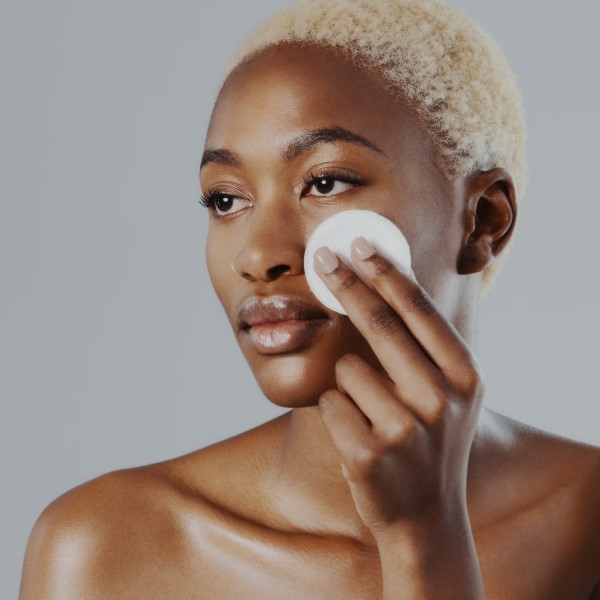
Many people incorporate witch hazel into their daily skincare routine as a toner. Toners help remove any remaining impurities after cleansing, prep the skin for serums and moisturizers, and enhance the overall texture. Witch hazel can effectively tighten pores and refresh the skin, making it a popular choice among skincare enthusiasts.
Treatment for Acne
Incorporating witch hazel as a spot treatment for acne can yield significant results. Due to its anti-inflammatory and antimicrobial properties, using it directly on blemishes can reduce redness and promote faster healing. Regular application can help prevent future breakouts, making it a go-to for those dealing with acne-prone skin.
Aftershave Relief
Witch hazel is an excellent aftershave remedy for both men and women. This natural product soothes the skin by reducing irritation and redness that shaving often causes. By minimizing inflammation and acting as a gentle astringent, it promotes smoother skin post-shave, reducing the risk of razor bumps or ingrown hairs.
Sunburn Relief
Another popular use of witch hazel is its application for sunburn relief. Its cooling properties can soothe irritated skin and reduce redness associated with sunburns. By applying witch hazel after sun exposure, you may help relieve discomfort while promoting healing.
FAQs About Witch Hazel and Skin
As users become more curious about witch hazel, several common questions arise. Here, we address some of the most frequently asked questions.
Can I Use Witch Hazel on My Face Daily?
Absolutely! Many individuals incorporate witch hazel into their daily skincare routines. However, it’s essential to monitor your skin’s reaction. If irritation occurs, consider reducing usage to every other day or consulting a dermatologist.
Do Dermatologists Recommend Witch Hazel?
Many dermatologists recommend witch hazel due to its natural properties that can benefit various skin types. However, it is wise to consult a healthcare provider to ensure you choose the right formulation, especially if you have sensitive skin or existing skin conditions.
What Are the Side Effects of Witch Hazel on Skin?
Generally, witch hazel is considered safe for topical use. However, some people may experience allergic reactions, dryness, or irritation. If any adverse effects occur, discontinue use and consult a dermatologist. It’s crucial to patch-test the product on a small area to gauge your skin’s response.
Is Witch Hazel Safe for Pregnancy?
Witch hazel is generally considered safe for topical use during pregnancy. Many healthcare professionals regard it as a go-to natural remedy for soothing skin irritations and supporting healthy skin. Nevertheless, it’s crucial to discuss all skincare products with your healthcare provider to ensure they align with your specific needs.

Trends Surrounding Witch Hazel in 2025
Witch hazel’s popularity continues to rise, driven by changing consumer preferences toward natural and organic ingredients. In 2025, the trend emphasizes products free from harsh chemicals, aligning with a natural approach to skincare.
Eco-Friendly Packaging
Alongside the rise in natural skincare, many brands are adopting eco-friendly packaging. Consumers are becoming more conscious of their environmental impact. As a result, many manufacturers are transitioning to recyclable or biodegradable materials, reflecting the modern consumer’s commitment to sustainability and eco-conscious choices.
DIY Skincare
Rising Interest in Natural Remedies:
The global trend toward natural remedies has been steadily increasing in recent years. Many consumers are becoming more interested in the ingredients they apply to their skin and are seeking alternatives to commercial products that may contain synthetic chemicals. This shift has sparked a resurgence in the popularity of DIY skincare.
Witch Hazel as a Key Ingredient:
Among the various natural ingredients available, witch hazel has emerged as a favorite in home skincare formulations. Its known benefits—such as anti-inflammatory and antimicrobial properties—make it an excellent choice for those looking to enhance the effectiveness of their homemade products. People are increasingly experimenting with witch hazel in various formulations, including facial masks, scrubs, and toners.
Homemade Formulations:
DIY skincare offers the flexibility to create a wide range of products tailored to specific skin concerns. For instance, individuals may blend witch hazel with other natural ingredients like honey, aloe vera, or essential oils to develop nourishing face masks. Additionally, they might combine witch hazel with sugar or ground oats to craft exfoliating scrubs that effectively remove dead skin cells.
Alignment with Personalized Skincare Trends:
This DIY movement is closely aligned with the broader trend of personalized skincare. Many consumers want products that cater specifically to their skin type, concerns, and preferences. By making their skincare products at home, users have complete control over what goes into each formulation, allowing them to create customized solutions that address their unique needs.
Sustainability and Conscious Consumption:
The DIY skincare trend also promotes sustainable practices. By utilizing natural ingredients, consumers can reduce their reliance on commercial products that often come with excessive packaging and harmful additives. Creating their own skincare products encourages more conscious consumption, as users can choose local, organic, and ethically sourced ingredients, minimizing their environmental impact.
Cost-Effectiveness:
Another advantage of DIY skincare is cost-effectiveness. By investing in a few key ingredients—like witch hazel, carrier oils, and essential oils—individuals can produce multiple skincare products for a fraction of the price of store-bought options. This affordability appeals to many users, particularly those looking to maintain an effective skincare routine within a budget.
Empowerment and Creativity:
Finally, creating DIY skincare products empowers users and encourages creativity. Many enjoy the process of experimenting with different ingredient combinations and learning how to formulate products that work for them. This creative outlet not only fosters a sense of accomplishment but often leads to discovering new skincare formulations that individuals may not have otherwise considered.
Holistic Approaches to Skincare
The trend toward holistic skincare practices is also influencing the popularity of witch hazel. Many consumers are seeking out multifaceted solutions that incorporate both mental and physical wellness. Witch hazel’s soothing properties facilitate relaxation while addressing skin concerns, making it an appealing choice for a complete skincare ritual.
Conclusion: Embrace Witch Hazel for Healthy Skin
Is witch hazel good for your skin? In conclusion, witch hazel is, indeed, beneficial for your skin. Its antimicrobial, anti-inflammatory, oil-controlling, and hydrating properties make it a remarkable addition to anyone’s skincare routine. Whether you utilize it as a toner, acne treatment, aftershave relief, or soothing remedy for sunburn, witch hazel proves its versatility across various applications.
As the trend toward natural skincare products continues to gain momentum, embracing witch hazel can enhance your skin health effectively. However, always remember to monitor your skin’s response and consult with a dermatologist when necessary. By integrating witch hazel wisely and with care, you can unlock the full potential of your skincare routine, ensuring healthier-looking skin for years to come! With recent trends steering toward natural, holistic, and eco-friendly options, witch hazel remains a timeless choice for those looking to elevate their skincare game.