Is Lemon Good for Your Skin? Expert Tips for Glowing Complexion!
Introduction: Is Lemon Good for Your Skin?
Lemon has long been celebrated as a versatile fruit, particularly in culinary circles. However, its appeal extends far beyond the kitchen; this citrus fruit also boasts a plethora of skincare benefits. With high concentrations of vitamin C, antioxidants, and natural acids, lemon has garnered attention from beauty enthusiasts and dermatologists alike. So, is lemon good for your skin? The answer is a resounding yes—when used properly. This article delves into the benefits of lemon for the skin, optimal usage tips, and potential precautions to consider to ensure you achieve the best results in your skincare routine.

The Nutritional Profile of Lemon
Is lemon good for your skin? Lemon (Citrus limon) is more than just a tart flavor enhancer; it’s a nutritional powerhouse. Key components include:
Vitamin C:
- Collagen Production: Vitamin C is vital for the synthesis of collagen, a protein that provides structural support to the skin. By facilitating collagen formation, vitamin C enhances skin elasticity, which is essential for a youthful appearance. As collagen levels increase, the skin becomes firmer and more resilient to external stressors.
- Wrinkle Prevention: The boosting of collagen production through vitamin C can significantly reduce the formation of wrinkles and fine lines. With consistent use, the skin appears smoother and the aging process may be slowed down, as vitamin C helps to maintain its suppleness and firmness over time.
- Antioxidant Properties: Beyond its role in collagen production, vitamin C is also a powerful antioxidant. It neutralizes free radicals—unstable molecules generated by UV radiation, pollution, and other environmental factors. By combating oxidative stress, vitamin C helps to protect skin cells from damage, thereby maintaining overall skin health and vitality.
Citric Acid:
- Natural Exfoliant: Citric acid, a type of alpha hydroxy acid (AHA) found in citrus fruits, acts as an effective natural exfoliant. It aids in loosening the bonds between dead skin cells on the surface of the skin, allowing for easier removal. This process reveals a smoother and brighter under layer of skin.
- Complexion Brightening: The exfoliating action of citric acid is beneficial for brightening the complexion. By regularly removing dead skin cells and promoting cell turnover, it can help diminish the appearance of dark spots and uneven skin tone, resulting in a more radiant and uniform glow.
- Fine Line Reduction: The consistent application of citric acid can help reduce the visibility of fine lines and wrinkles. This is achieved by encouraging new skin cell growth and improving skin texture, leading to a youthful and rejuvenated appearance.
Flavonoids:
- Antioxidant Protection: Flavonoids are a diverse group of plant compounds known for their strong antioxidant abilities. They help to neutralize free radicals and protect the skin from oxidative stress, which can contribute to signs of aging such as wrinkles, sagging, and uneven tone. This protective action promotes healthier, more resilient skin.
- Promotion of Overall Skin Health: By reducing oxidative damage, flavonoids contribute to overall skin health. They support the skin’s natural barrier function, which helps to retain moisture and protect against environmental aggressors. This leads to improved hydration and a more balanced skin tone.
- Anti-inflammatory Benefits: In addition to their antioxidant effects, flavonoids exhibit anti-inflammatory properties that can help calm irritated or inflamed skin. By addressing inflammation, flavonoids can promote a more even complexion and alleviate conditions such as redness, puffiness, or sensitivity.

Benefits of Lemon for Skin Care
Is lemon good for your skin? The multitude of benefits lemon offers encompasses a range of skin concerns. Some key advantages include:
- Acne Prevention: Lemon’s antibacterial properties work wonders against acne-causing bacteria. Applying a diluted lemon juice solution may help unclog pores and reduce breakouts.
- Brightening Effects: Regularly using lemon can lead to a brighter, more radiant complexion. It helps fade dark spots and discoloration due to its natural bleaching properties.
- Oil Control: For those with oily skin, lemon acts as a natural astringent. By reducing excess oil production, it helps minimize shine and the likelihood of acne.
- Exfoliation: The citric acid present in lemon serves as a natural exfoliant, removing dead skin cells and revealing a fresher layer of skin underneath.
- Hydration and Nutrient Boost: Using lemon masks or incorporating lemons into your drinking water effectively hydrates your skin and provides nutrients that contribute to overall skin health.
Given these benefits, many individuals wonder, does lemon make your skin clear? The answer tends to be yes, particularly for those prone to acne or uneven skin tone, provided it’s used carefully and responsibly.
How to Use Lemon in Your Skincare Routine
Incorporating lemon into your skincare routine can be both simple and effective. Here are some methods to utilize lemon safely:
Lemon Juice Toner
- Ingredients: Mix fresh lemon juice with distilled water in a 1:1 ratio.
- Application Method: Use a cotton pad to apply the mixture gently onto your skin.
- Recommended Use: Apply this toner immediately after cleansing your face.
- Benefits: This toner helps refresh your skin, tightening the pores and giving your complexion a revitalized appearance.
Lemon Face Mask
- Ingredients: Combine lemon juice with either honey or yogurt to form a soothing face mask.
- Properties of Ingredients:
- Honey: Known for its antibacterial properties, honey works well with lemon to enhance the mask’s effectiveness.
- Yogurt: Adds hydration and provides a calming effect on the skin.
- Application: Spread the mask evenly over your face and leave it on for 10-15 minutes.
- Removal: Rinse the mask off with lukewarm water for a refreshed and nourished skin feel.
Lemon Scrub
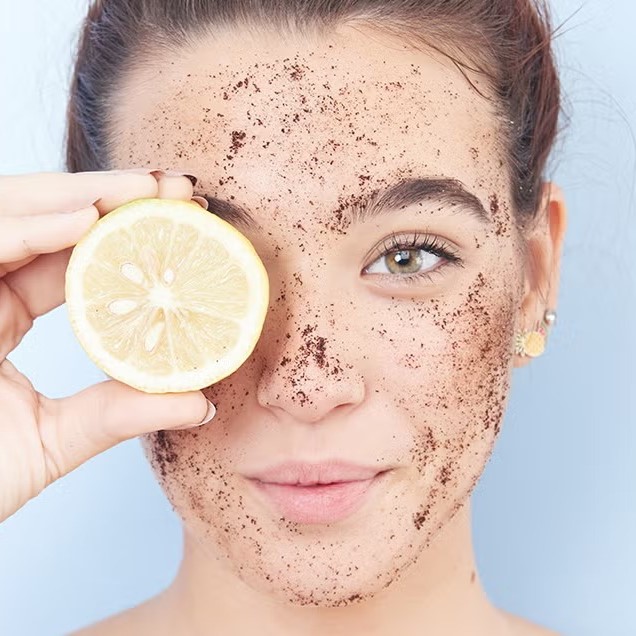
- Ingredients: Mix granulated sugar with lemon juice to create a natural exfoliant.
- Exfoliating Method: Gently massage the scrub onto your skin in circular motions.
- Purpose: This scrub helps to remove dead skin cells, promoting a clearer and brighter complexion.
- Rinsing: After scrubbing, rinse your face thoroughly with water to eliminate any residual sugar and lemon.

Lemon in Drinks
- Morning Routine: Start your day by drinking warm lemon water each morning.
- Detoxification: This practice aids in detoxifying your body, helping to flush out toxins.
- Hydration Benefits: Warm lemon water improves hydration levels, which is crucial for overall skin health.
- Overall Impact: Regular consumption can lead to healthier and more radiant skin by nourishing it from the inside out.
Potential Risks and Precautions
Despite its numerous benefits, lemon isn’t suitable for everyone. It’s important to understand the risks involved in using lemon on the skin:
Skin Sensitivity:
-
- Potential for Irritation: Individuals with sensitive or dry skin may find that applying lemon juice can cause irritation, redness, or discomfort.
- Importance of Patch Testing: Prior to using lemon juice on the entire face or larger areas of the skin, it is crucial to conduct a patch test. This involves applying a small amount of diluted lemon juice to a discrete area (such as the inside of the wrist or behind the ear) and monitoring for any adverse reactions over 24 hours to ensure safety.
Photosensitivity:
-
- Increased Sun Sensitivity: Lemon juice contains compounds that can make the skin more sensitive to sunlight. This means that your skin may react more adversely to UV rays after application.
- Precautions Against Sun Exposure: To protect the skin and avoid potential side effects such as sunburn or discoloration, it is advisable to stay out of direct sunlight after applying lemon juice. Consider applying it in the evening or when you will not be exposed to sunlight for an extended period.
Dilution is Key:
-
- Avoiding Undiluted Application: Applying undiluted lemon juice directly to the skin can lead to significant irritation and should be avoided. The acidity of lemon juice can strip natural oils and disrupt the skin barrier when used in its concentrated form.
- Safe Mixing Options: To effectively use lemon juice without causing harm, always dilute it with soothing agents such as water, honey, or yogurt. These diluents not only reduce the acidity but may also provide additional moisturizing and soothing properties to help minimize irritation and enhance overall skin health.

Alternative Uses of Lemon for Skin
Beyond topical application, lemon can also be beneficial when consumed. Drinking lemon water not only hydrates you but also provides antioxidant support for your skin. The nutrients found in lemon can help maintain skin elasticity, promote collagen production, and improve skin texture.
Frequently Asked Questions
Can we apply lemon directly on the face?
While some individuals do apply diluted lemon juice directly to their face, it’s important to mix it with other ingredients, such as honey or yogurt. This can help minimize irritation. Always perform a patch test first to avoid adverse reactions.
Does lemon make your skin clear?
Yes, lemon can help clear the skin, especially for those combating acne and dullness. Its antibacterial properties reduce breakouts, while its natural acids can brighten the complexion, promoting a clearer appearance overall.
Conclusion
In conclusion, is lemon good for your skin? Absolutely! With its rich nutritional profile and myriad benefits, lemon can be an excellent addition to your skincare routine. However, using it correctly is vital to mitigate any potential risks. By following the tips outlined in this article, such as dilution, patch testing, and proper sun protection, you can harness the power of lemon for healthier, glowing skin. Whether you choose to use it topically or enjoy it in your beverage, lemon can be a fantastic ally on your skincare journey.
Start integrating lemon into your regimen responsibly today, and watch as your skin transforms with its natural goodness!