Is Baby Oil Good for Skin? Exploring Its Hydrating Effects
Introduction: Understanding Baby Oil for Skin
In the diverse realm of skincare, products abound that promise hydration, nourishment, and protection. Among these, baby oil often emerges as a popular choice, especially for parents tending to their little ones’ delicate skin. However, its benefits extend beyond infancy, leading many adults to wonder, is baby oil good for skin? This article aims to explore baby oil, focusing on its hydrating effects, its various applications, and answering common questions that many consumers have regarding this versatile product. We will also delve into insights from skincare experts to shed light on the effective use of baby oil.
What Is Baby Oil?
Composition of Baby Oil
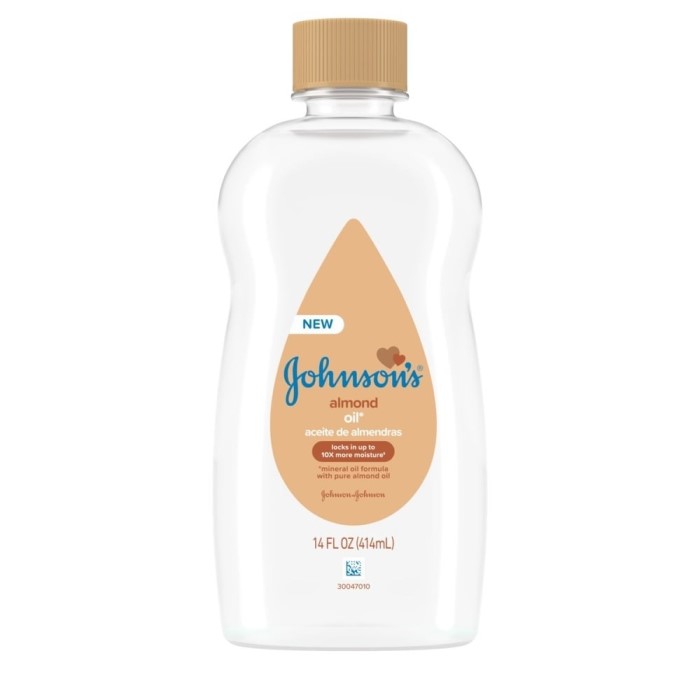
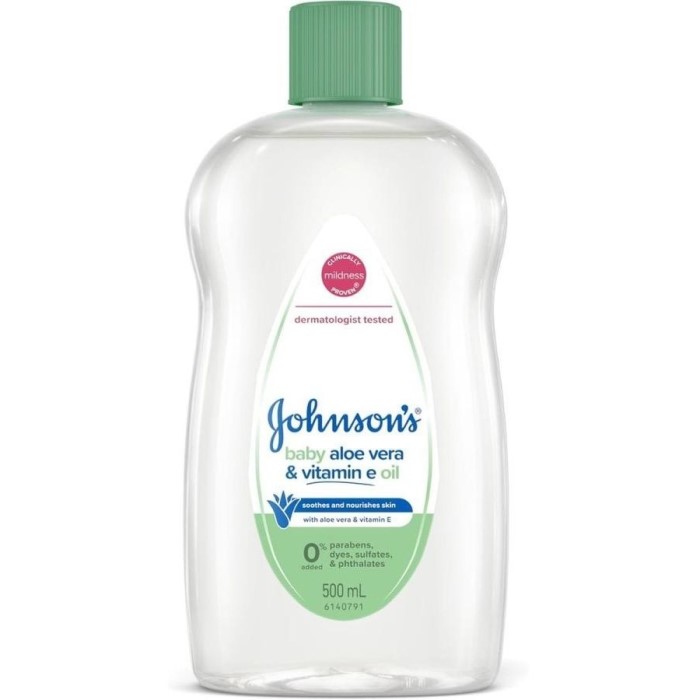
Baby oil is primarily composed of mineral oil, a clear and odorless oil derived from petroleum. This substance acts as an emollient, effectively sealing moisture into the skin. Sometimes, baby oil is combined with fragrances or vitamin E, enhancing its appeal and potential skin benefits. Importantly, unlike oils derived from plants, baby oil lacks essential fatty acids that many natural oils provide.
History of Baby Oil
Baby oil was originally created for infants to keep their skin soft, smooth, and hydrated. It has been a staple in many nurseries and healthcare settings for decades. However, as adults increasingly recognize its moisturizing properties, baby oil has found a place in a variety of skincare routines for individuals looking for effective hydration solutions.
The Hydrating Effects of Baby Oil
Deep Moisturization
Is baby oil good for skin? One of the most significant benefits of baby oil is its ability to deeply moisturize the skin. When applied, it forms a protective barrier that locks in moisture and prevents water loss. This is especially crucial for individuals with dry or dehydrated skin, as baby oil helps maintain optimal hydration levels, leaving the skin feeling smooth and supple.
Suitable for Sensitive Skin
Many people report that baby oil is gentle on sensitive skin, making it an excellent option for those prone to irritations or allergies. Unlike many commercial lotions that may contain harsh chemicals or fragrances, baby oil is less likely to cause redness or discomfort. Its simplistic formulation is ideal for individuals who are cautious about product ingredients.
How to Use Baby Oil Effectively
As a Moisturizer
To reap the moisturizing benefits of baby oil, consider applying it after bathing. The skin is most receptive to hydration when it is slightly damp. Here’s how to do it effectively:
Shower or Bathe
- Choose Your Method: Decide whether to take a shower or a bath, based on your preferences and available time.
- Temperature Matters: Use warm water, as hot water can strip your skin of its natural oils, leading to dryness.
- Duration: Keep your bathing time reasonable; excessive time in water can result in the opposite effect on skin hydration.
- Pat Dry: After your shower or bath, gently pat your skin dry with a soft towel instead of rubbing, which can irritate the skin.
- Leave it Slightly Damp: Ensure that your skin retains some moisture by leaving it slightly damp before applying any products.
Apply Baby Oil
- Measure the Amount: Pour a small amount of baby oil into the palm of your hands. A dime-sized amount is usually sufficient, but you can adjust based on your skin’s needs.
- Warm It Up: Rub your hands together to warm the oil slightly. This helps the oil spread more easily and absorb better into your skin.
- Application Technique: Begin applying the oil to your skin using gentle, circular motions. This not only helps in even distribution but also promotes relaxation.
- Focus Areas: Pay special attention to areas that are more prone to dryness, such as:
- Elbows: Due to their thicker skin, elbows often require more hydration.
- Knees: These joints can also become dry and cracked, needing extra care.
- Heels: The skin on your feet, especially around the heels, can become very dry, so make sure to include them in your moisturizing routine.
Allow Absorption
- Let the Oil Sit: Once you’ve applied the baby oil, allow it to sit on your skin for a few minutes. This gives your skin ample time to absorb the oil and its moisturizing properties.
- Post-Shower Routine: Consider integrating this oil application into your regular post-shower routine. Doing so can help you maintain hydration throughout the day.
- Daily Use: You may choose to apply baby oil daily or a few times a week, depending on how dry your skin feels and your personal skincare needs.
- Follow Up: After the oil has absorbed, you can continue with other skincare products if desired, such as lotions or creams, to lock in the moisture.
Massaging and Relaxation
Another effective use of baby oil is for massage. Its smooth texture allows for easy movement over the skin, providing relaxation while also hydrating. Whether it’s a self-massage or one for a partner, baby oil can enhance the experience by combining relaxation therapy with skin benefits:
- Warm the Oil: Pour a small amount of baby oil into your hands and rub them together to warm it slightly.
- Begin Massaging: Apply the oil to the skin and start massaging in gentle strokes. Its slippery texture provides a smooth glide, making the massage both enjoyable and beneficial for the skin.

Frequently Asked Questions About Baby Oil
Is it good to put baby oil on your skin every day?
Is baby oil good for skin? Using baby oil daily can be beneficial, especially for individuals with dry skin. However, moderation is key. Some people may find that using it every other day works better for their skin type. It is essential to observe how your skin reacts. If you experience greasiness or feel that your skin is not absorbing the oil well, you might consider reducing the frequency of application.
What are the disadvantages of baby oil?
Despite its many advantages, baby oil does have some disadvantages:
- Clogged Pores: Because baby oil is an occlusive agent, it can potentially clog pores, which may not be ideal for those with oily or acne-prone skin. This can lead to breakouts in susceptible individuals.
- Lack of Nutrients: Unlike plant-based oils that provide essential fatty acids and vitamins, baby oil lacks these nourishing properties. Therefore, it may not hydrate the skin as effectively as some other natural oils.
Do dermatologists recommend baby oil?
Many dermatologists recognize the benefits of baby oil, particularly for those with specific skin needs. Experts suggest that baby oil can be helpful for people with dry or sensitive skin due to its moisturizing capabilities. However, for individuals with oily or acne-prone skin, dermatologists often recommend lighter, non-comedogenic oils or products that contain beneficial ingredients.
Benefits of Baby Oil in Skincare
Cost-Effective Option
One of the key advantages of baby oil is its affordability. Compared to many high-end moisturizers that can range from 40toover100, baby oil offers a budget-friendly alternative without sacrificing quality. This accessibility makes it an attractive option for those looking to maintain their skincare routine without financial stress.
Multi-Purpose Use
Baby oil’s versatility makes it a valuable addition to any skincare regimen. Some of its uses include:
- Makeup Remover: Baby oil effectively breaks down makeup, allowing for easy removal without the need for harsh chemicals.
- Preventative Care: It can be used as a protectant against harsh weather conditions, helping to prevent chapping and dryness.
- Smoother Shaving Experience: Using baby oil as an alternative to shaving cream can result in a closer, smoother shave while moisturizing the skin simultaneously.
Exploring Alternatives to Baby Oil
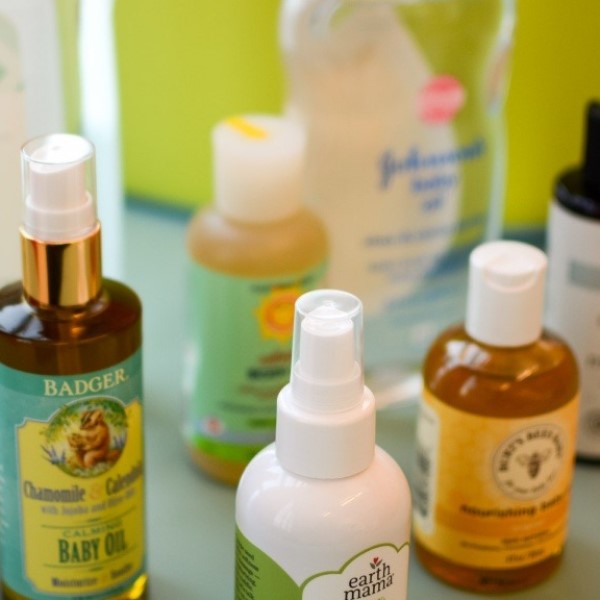
While baby oil is effective, some may prefer alternatives based on their skin type or personal preferences. Natural oils, such as coconut oil, olive oil, or argan oil, often provide additional nutrients that can benefit the skin:
- Coconut Oil: Known for its antibacterial properties and rich in fatty acids, it helps nourish and hydrate the skin.
- Argan Oil: High in vitamin E and essential fatty acids, argan oil is prized for its ability to promote skin elasticity and moisture.
- Jojoba Oil: This oil closely resembles the skin’s natural sebum, making it an excellent moisturizer that can balance oily skin.
Conclusion: Is Baby Oil Good for Skin?
In conclusion, is baby oil good for skin? The answer is a resounding yes for many individuals, particularly those with dry or sensitive skin. Its hydrating effects, coupled with its gentle formulation, make it a preferred choice for effective skin moisturizing. While there are some considerations regarding its use, the benefits far outweigh the drawbacks for those who recognize and appreciate its properties.
Baby oil proves to be a versatile and cost-effective product that can enhance your skincare routine in various ways. Whether used for personal hydration, calming massages, or effective makeup removal, baby oil continues to remain a staple in many households. By incorporating baby oil thoughtfully into your routine, you can enjoy its myriad benefits while maintaining healthy and nourished skin. Embrace the power of baby oil today, and see how it can transform your skincare experience!