
Exploring: Is Salmon Skin Good for You? Nutrition Myths Debunked
Introduction
Salmon is widely celebrated for its numerous health benefits, making it a staple in many diets. However, when it comes to is salmon skin good for you? This question generates mixed opinions. Some individuals avoid the skin due to health concerns, while others swear by its benefits and flavor.

Throughout this article, we will explore the nutritional profile of salmon skin, discuss its potential health benefits, and debunk common myths surrounding its consumption. By the end, you’ll have a clearer understanding of whether adding salmon to your meals is a wise choice.
Nutritional Profile
To adequately answer the question of whether salmon skin is good for you, it is important to first understand its nutritional components. Salmon skin is not only delicious but also packed with essential nutrients.
1. Omega-3 Fatty Acids
One of the primary reasons salmon is recommended in diets is its high content of omega-3 fatty acids. These healthy fats are found in both the flesh and skin and play a crucial role in promoting heart health. Omega-3s are known to reduce inflammation, lower blood pressure, and may help to lower the risk of heart disease.

2. High in Protein
Salmon skin contains a significant amount of protein, which is essential for muscle building and repair. Protein also supports immune health and hormone regulation. Including salmon in your diet can, therefore, help meet your daily protein requirements in a tasty way.
3. Vitamins and Minerals
Salmon skin is loaded with various vitamins and minerals, including vitamin D and B vitamins, such as niacin and B12. These nutrients are essential for maintaining healthy skin, promoting energy levels, and supporting overall cellular function. Additionally, minerals like selenium present in salmon are vital for antioxidant activity and immune function.
Health Benefits
After examining the nutritional profile, let’s look at the potential health benefits of consuming salmon.
1. Supports Skin Health
Many people wonder if is salmon skin good for you in terms of skin health. The answer is yes! Salmon is rich in collagen, which is known for its ability to promote skin elasticity and hydration. Regular consumption of collagen-rich foods can potentially lead to healthier, more youthful skin by reducing the appearance of wrinkles.
2. Enhances Brain Health
Due to its high omega-3 content, eating salmon can also benefit brain function. Omega-3 fatty acids are known to support cognitive health by improving memory and reducing the risk of neurodegenerative diseases. Furthermore, they also help with mood regulation, which can contribute to overall mental well-being.
3. Aids in Weight Management
Including salmon skin in a balanced diet can potentially aid in weight management. The protein and healthy fat content help promote satiety, leading to a feeling of fullness. This can reduce the likelihood of overeating and support weight loss goals when paired with a healthy diet.
Addressing Common Myths
Despite the numerous benefits, some myths persist regarding the consumption of salmon. Let’s debunk a few common misconceptions.
Myth 1: Salmon Skin Is Unhealthy Due to Fat Content
Many people believe that the fat content in salmon makes it unhealthy. However, the fats in salmon skin are primarily healthy omega-3 fatty acids. These fats are essential for your health and should be included in your diet. When consumed in moderation, healthy fats can enhance overall wellness rather than detract from it.
Myth 2: Salmon Skin Contains Excessive Mercury
Concerns about mercury levels often arise when discussing seafood. While it’s true that some fish can be high in mercury, salmon—especially farmed salmon—is generally considered safe to consume. The levels of mercury in salmon are low compared to larger fish like swordfish or shark. It’s always wise to source your salmon from reputable suppliers to ensure safety.
Myth 3: Salmon Skin Is Only for Flavor
While salmon skin does add a crispy, delicious element to dishes, it is also nutritionally beneficial. The nutrients found in salmon contribute to overall health, making it more than just a flavor enhancer. This perspective can help encourage people to include it in their meals more often.
How to Prepare Salmon Skin
To achieve maximum flavor and health benefits, preparing salmon correctly is essential. Here are some tips for enjoying salmon skin in your meals:
1. Proper Cooking Techniques
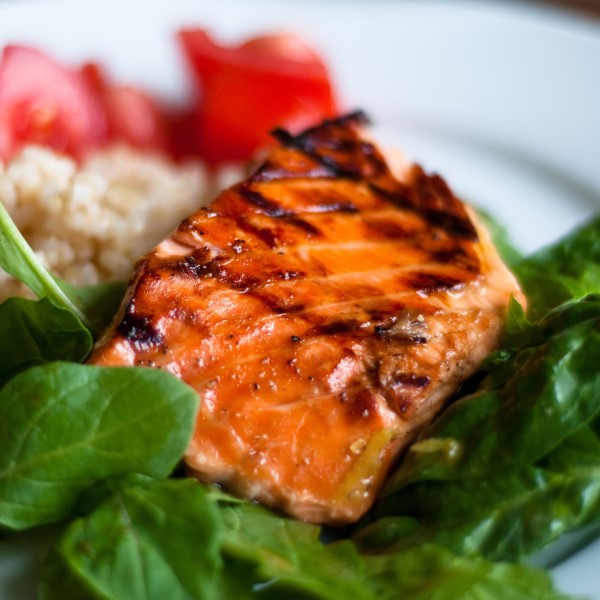
Salmon skin can be enjoyed in various forms. When pan-searing, ensure the skin is dry to achieve maximum crispiness. You can also bake or grill salmon with the skin on, allowing the skin to become crunchy and flavorful.
2. Incorporate into Meals
You can add salmon skin to salads for an extra crunch or slice it thin and serve it alongside sushi. Some people enjoy it fried as a snack or as a flavorful topping on various dishes.
3. Experiment with Seasonings
Enhancing the taste of salmon can transform your culinary experience, making it even more enjoyable and flavorful. Here are several ways to experiment with seasonings to elevate its taste:
1. Marinating with Lemon Juice
Marinating salmon skin in lemon juice adds a bright, zesty flavor. The acidity of lemon juice helps to tenderize the skin while infusing it with a refreshing tartness. Simply squeeze fresh lemon juice over the skin or create a marinade that includes lemon zest for an extra punch of flavor. Allow it to sit for at least 30 minutes before cooking for optimal absorption.
2. Adding Fresh Herbs
Incorporating fresh herbs can significantly enhance the taste of salmon. Herbs such as dill, parsley, cilantro, and thyme complement the fish’s natural flavor beautifully. You can create a herb-infused marinade by mixing chopped herbs with olive oil, lemon juice, and seasoning. This mixture can then be applied to the salmon before cooking, allowing the aromatic properties of herbs to meld with the fish.

3. Experimenting with Spices
Spices can add depth and warmth to salmon skin. For instance, paprika contributes a smoky flavor, while cumin adds earthiness. Experimenting with various spices allows you to customize the taste to your preference. Create a spice blend by mixing your favorite spices, such as garlic powder, chili powder, or black pepper, and rub it onto the skin before cooking to create a flavorful crust.
4. Utilizing Marinades
Creating a marinade is a versatile way to enhance salmon. Combine ingredients like soy sauce, honey, garlic, and ginger for an Asian-inspired flavor profile. Alternatively, a balsamic vinegar marinade with olive oil and Italian herbs can provide a Mediterranean touch. Allow the salmon to soak in the marinade for a period, typically 30 minutes to an hour, to fully absorb the flavors.
5. Incorporating Sweet Elements
Pairing sweet elements with salmon skin can also elevate its overall taste. Consider using ingredients like honey, maple syrup, or brown sugar in your marinades. The sweetness balances the savory flavor of the fish and creates a delightful taste contrast. A honey mustard glaze, for example, can enhance the flavor while giving the salmon a beautiful caramelization during cooking.
6. Experimenting with Global Flavors
Don’t hesitate to get creative by incorporating global flavors into your salmon seasoning. For example, use a North African spice blend like za’atar or harissa for a spicy kick. Alternatively, you could try Indian-inspired seasonings like garam masala or curry powder. This approach not only adds an exciting twist to the dish but also introduces you to new culinary experiences.
7. Adjusting Seasoning to Cooking Methods
Different cooking methods can also influence how you season salmon. When grilling, keep spices light to avoid burning; a simple sprinkle of salt and pepper might suffice to enhance the natural flavors. Conversely, when baking, don’t hesitate to apply more elaborate seasonings or crumb coatings for an exciting textural contrast. Adjust your seasonings based on whether you are frying, baking, or grilling to achieve the best results.
FAQ: Common Questions
Should You Eat the Skin on Salmon?
Yes, eating the skin on salmon can be beneficial due to its high nutrient content, including omega-3 fatty acids, vitamins, and minerals. Additionally, the skin adds texture and flavor to the dish.
What Is the Healthiest Part of the Salmon?
The skin and flesh of salmon are both healthy, but the skin is particularly known for its rich fat content, primarily omega-3s. The flesh is high in protein and also contains these healthy fats, making both parts nutritious.
Is Salmon Skin High in Mercury?
No, salmon skin typically contains low levels of mercury compared to many other fish. Farmed salmon is considered one of the safest options. However, it’s important for consumers to be aware of sourcing practices.
Is Salmon Skin Rich in Collagen?
Yes, salmon skin is rich in collagen, which is essential for skin health and can contribute to improved elasticity and hydration. Incorporating salmon into your diet may support overall skin betterment.
Conclusion
To answer the question is salmon skin good for you, the evidence suggests that it offers numerous health benefits, including hydration, nutrients essential for skin health, and omega-3 fatty acids that promote cognitive wellness. While some myths may discourage its consumption, the nutritional advantages far outweigh the concerns.
Incorporating salmon skin into your meals can enhance your diet while providing essential nutrients. With proper preparation and creativity, salmon skin can be a delicious and healthful addition to your culinary repertoire. So, the next time you enjoy salmon, consider keeping the skin on; your body may thank you for it!