The Truth: Is Sunflower Oil Good for Your Skin in 2025?
Understanding Sunflower Oil: What Is It?
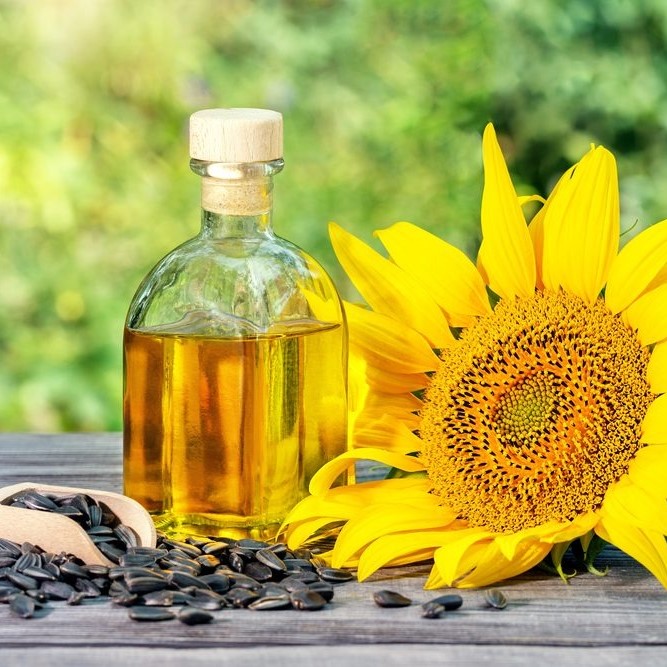
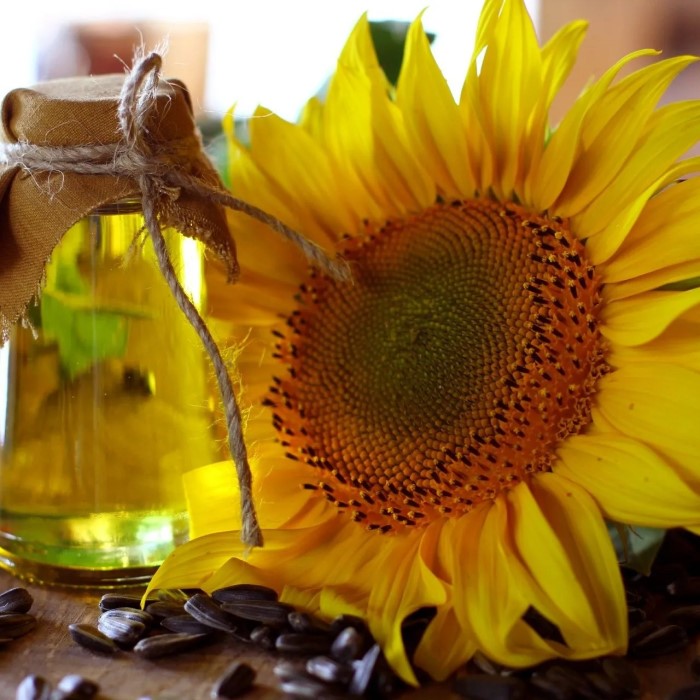
Sunflower oil is derived from the seeds of the sunflower plant, a tall, bright flower that is easily recognizable. This oil has gained tremendous popularity in cooking and skincare due to its beneficial properties. It is rich in vitamins, minerals, and fatty acids, which makes it an intriguing option for skincare enthusiasts. As more individuals explore natural products for their skin, many are asking, “Is sunflower oil good for your skin?” This article aims to provide a comprehensive understanding of sunflower oil and its application in skincare.
Nutritional Composition of Sunflower Oil
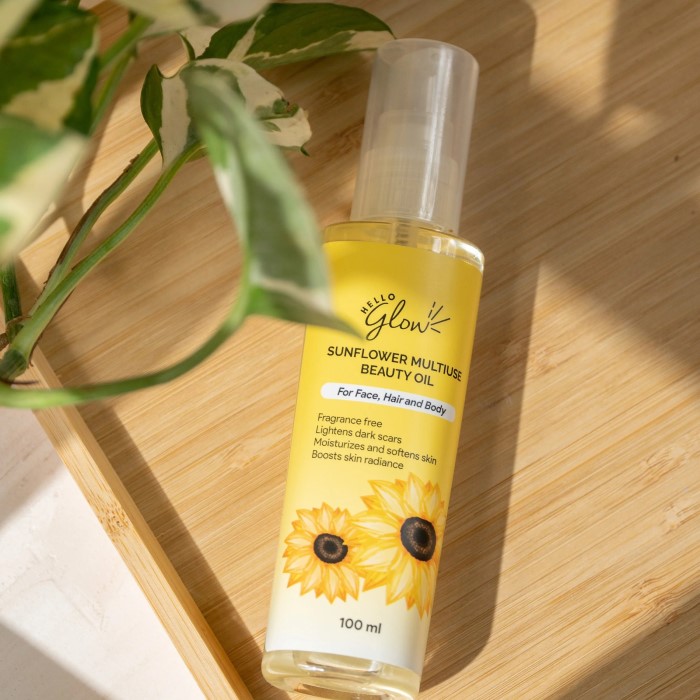
To appreciate the benefits of sunflower oil, it’s essential to understand its nutritional content. Here’s a closer look:
High in Vitamin E
Sunflower oil is known for its high vitamin E content. Vitamin E is a powerful antioxidant that protects the skin from oxidative damage caused by free radicals. It also fosters skin healing and regeneration, reducing the appearance of scars and fine lines.
Rich in Fatty Acids
Sunflower oil contains essential fatty acids, particularly linoleic acid, an omega-6 fatty acid. Linoleic acid is important for maintaining the skin’s barrier function, which keeps moisture in and prevents environmental aggressors from causing irritation.
Presence of Phytosterols
Phytosterols are plant-based compounds found in sunflower oil that contribute to its anti-inflammatory properties. They help soothe irritated skin and enhance the moisture levels, making sunflower oil a great option for dry and sensitive skin types.
Benefits of Sunflower Oil for Your Skin
Is sunflower oil good for your skin? The application of sunflower oil in skincare provides numerous advantages. Here are some of the most notable benefits:
Deep Moisturization
Sunflower oil serves as an excellent moisturizer. It can penetrate deep into the skin, helping to nourish it without feeling greasy. When applied to the skin, it forms a barrier that locks in moisture, making it an ideal choice for those with dry skin. Regular use can lead to improved hydration levels, resulting in a softer and smoother complexion.
Reduces Inflammation and Redness
Individuals with sensitive skin often deal with conditions like redness and irritation. Sunflower oil’s anti-inflammatory properties make it effective in calming the skin and reducing inflammation. People who suffer from eczema or psoriasis may find relief through its application, as it can help soothe flare-ups and promote healing.
Non-comedogenic Formula
One of the critical considerations when choosing skincare oils is whether they will clog pores. Fortunately, sunflower oil is non-comedogenic, meaning it does not block pores. This property makes it suitable for people with oily or acne-prone skin who want to incorporate oil into their routine without the risk of breakouts.
Enhances Skin Barrier Function
The linoleic acid in sunflower oil aids in maintaining the skin’s natural barrier. A strong skin barrier is essential for preventing moisture loss and protecting the skin from external factors such as pollution, UV rays, and harsh weather conditions. When your skin barrier is healthy, it functions more effectively, preventing irritants from penetrating the skin.
Promotes Wound Healing
- Nutrient-Rich Composition: Sunflower oil is packed with essential vitamins and fatty acids that are crucial for skin health. These nutrients play a significant role in the process of wound healing.
- Accelerated Healing: Studies suggest that when sunflower oil is applied topically, it can significantly speed up the healing process for minor injuries. This includes small cuts, scrapes, and abrasions, making it an effective natural remedy.
- Role in First-Aid: Due to its wound-promoting properties, sunflower oil serves as an excellent addition to first-aid routines. By incorporating it into your care practices, you can facilitate quicker recovery from small injuries.
- Skin Barrier Support: The fatty acids in sunflower oil help in maintaining the skin’s barrier function. A healthy barrier can prevent infections in minor wounds and support the repair process.
- Moisturizing Properties: This oil also acts as a moisturizer, preventing dryness and irritation at the wound site. Keeping the area hydrated is essential for optimal healing, as it promotes tissue regeneration.
- Natural Choice: As a natural option, sunflower oil is free from harsh chemicals, making it a safe alternative for many people, including those with sensitive skin. This makes it a preferred choice for individuals looking to enhance their healing process naturally.
How to Use Sunflower Oil in Your Skincare Routine
Is sunflower oil good for your skin? Incorporating sunflower oil into your skincare routine is easy and versatile. Here are several methods:
As a Standalone Moisturizer
After cleansing your face, you can apply sunflower oil directly to your skin. Use a few drops, warming the oil between your palms before gently massaging it into your face and neck. This method can provide significant hydration and a radiant glow.
Mixing with Other Products
For added benefits, consider mixing sunflower oil with your favorite moisturizer or cream. This combination can enhance the moisturizing effect, offering deeper hydration and nourishment.
As a Makeup Remover
Sunflower oil can also be used as a natural makeup remover. Apply a small amount to a cotton pad and gently wipe your makeup away. It effectively dissolves products while ensuring that the skin remains moisturized and does not feel stripped.
In DIY Skincare Recipes
For those who enjoy creating homemade skincare products, sunflower oil can be an excellent ingredient. Consider making a nourishing body scrub by combining it with sugar or salt, providing exfoliation while keeping the skin hydrated.
Addressing Common Concerns About Sunflower Oil
Is sunflower oil good for your skin? As with any skincare product, potential users often have questions about sunflower oil. Here are some frequently asked questions:
Is it Okay to Put Sunflower Oil on Your Face?
Yes, it is generally okay to put sunflower oil on your face. Its non-comedogenic properties make it safe for most skin types. However, it’s wise to do a patch test first, especially if you have sensitive skin, to ensure no adverse reactions occur.
What Are the Disadvantages of Sunflower Oil for Skin?
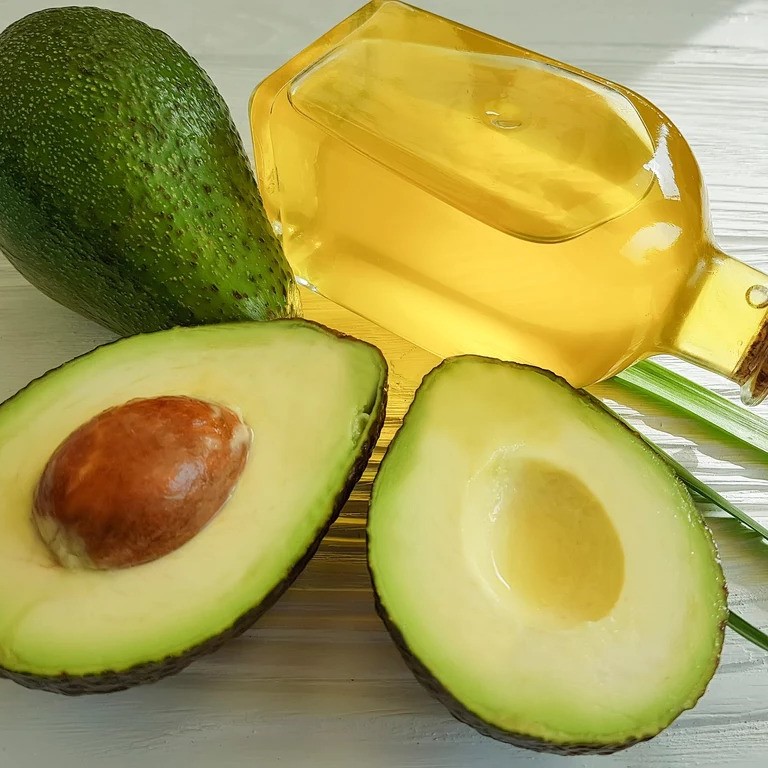
While sunflower oil has many benefits, some individuals may experience allergic reactions or irritation. Additionally, it may not provide sufficient moisture for people with extremely dry skin compared to heavier oils like jojoba or avocado oil. Finally, be careful not to use oxidized oil, as it can become rancid and lose its beneficial properties.
Which Oil Is Best for the Skin?
The “best” oil for your skin often varies based on skin type and specific needs. Besides sunflower oil, options like argan oil, jojoba oil, and rosehip oil cater to different requirements. Each oil offers unique benefits; thus, your ideal choice may depend on your personal skincare goals.
Is Sunflower Oil Good for Mature Skin?
Yes, sunflower oil can be beneficial for mature skin. Its rich vitamin E content helps combat signs of aging by providing antioxidants while the fatty acids nourish and hydrate, promoting elasticity and a youthful appearance.
Comparing Sunflower Oil to Other Oils
To fully appreciate the advantages of sunflower oil, it’s helpful to compare it with other popular oils:
Sunflower Oil vs. Coconut Oil
Coconut oil is a favorite for many due to its moisturizing properties, but it is comedogenic and may clog pores for some people. In contrast, sunflower oil is non-comedogenic and suitable for most skin types. Thus, sunflower oil may be a better choice for individuals concerned about breakouts.
Sunflower Oil vs. Olive Oil
Olive oil is another commonly used oil in skincare. Both oils are rich in antioxidants and beneficial fatty acids. However, sunflower oil typically has a lighter consistency, making it easier for delicate skin to absorb it without feeling greasy.
Sunflower Oil vs. Jojoba Oil
Jojoba oil is renowned for closely resembling the skin’s natural sebum, making it suitable for all skin types. However, sunflower oil contains higher levels of linoleic acid, which can be particularly beneficial for those with dry or dehydrated skin.
Conclusion: Is Sunflower Oil Good for Your Skin?
Is sunflower oil good for your skin? In conclusion, sunflower oil is indeed a fantastic option for skin care. Its impressive array of benefits, from deep moisturization to wound healing and reducing inflammation, makes it a versatile addition to any skincare routine.
As we move through 2025, the focus on natural products underscores the relevance of sunflower oil in skincare. Its effectiveness for various skin types, combined with its ease of use, encourages individuals to integrate this oil into their routines confidently.
If you haven’t already embraced sunflower oil in your skincare practices, now is the ideal time to try it. Explore its potential and discover how it can enhance your skin’s health and appearance. With its vast benefits and reliable performance, sunflower oil may become your go-to skincare ingredient.