Is Saltwater Good for Your Skin? Discover the Skincare Benefits
Introduction to Saltwater and Skin Health
Many people flock to the beach for summer vacations, not only for the sun and surf but also for the healing powers attributed to saltwater. A common question arises: Is saltwater good for your skin? This inquiry is vital for those who are cautious about their skin health and are always looking for natural remedies. In this article, we’ll explore the various benefits of saltwater for skin health, the science behind it, and how it can be used effectively in skincare routines.

Origins of Saltwater in Skincare
Saltwater is created when sea salt dissolves in water. Ocean water is rich in minerals and natural elements that contribute to its therapeutic qualities. Many cultures have historically used saltwater for medicinal purposes, from soothing skin conditions to enhancing overall skin health. Given its popularity, it’s essential to understand the specific advantages it offers and how it can fit into modern skincare routines.
As we delve into the benefits, its effects on different skin types will be addressed. Additionally, the article will discuss potential drawbacks, ensuring a balanced view of saltwater’s role in skincare.
Benefits of Saltwater for Your Skin
1. Natural Exfoliation
Is saltwater good for your skin? One of the most significant benefits of saltwater is its ability to exfoliate. The salt granules can act as a natural scrub, gently removing dead skin cells. This process reveals a smoother and brighter complexion underneath.
- How it Works: When applied to the skin, saltwater’s granules help slough off dead skin cells. This can promote cell turnover, making your skin look fresher and more vibrant.
- DIY Exfoliation: You can easily create a saltwater scrub by mixing sea salt with oil. Massage this mixture onto damp skin, focusing on areas that require extra attention. Rinse thoroughly afterward for a refreshing feel.
2. Antiseptic Properties
Saltwater is known for its natural antiseptic properties. It can help to cleanse the skin and prevent infections. This quality is beneficial for those with acne-prone or irritated skin.
- Effectiveness Against Bacteria: The high salinity in saltwater creates an inhospitable environment for bacteria, reducing the chances of breakouts. Using saltwater as a rinse can help keep your skin clear.
- How to Use: A saltwater facial rinse can be made by dissolving salt in water and using it to wash your face after cleansing. However, ensure that the salt is well-dissolved to avoid granules scratching your skin.

3. Enhancing Skin Hydration
Contrary to popular belief, certain amounts of saltwater can work to enhance hydration levels in the skin. While excess salt can be drying, balanced levels can stimulate the skin’s natural hydration mechanisms.
- Mineral Balance: Saltwater contains minerals like magnesium, calcium, and potassium, which are essential for maintaining skin hydration.
- After-Swim Care: After swimming in the ocean, it’s advisable to rinse off with fresh water to remove excess salt but remember that your skin may retain some benefits, prompting a natural glow.
4. Promoting Healing of Skin Conditions
Individuals suffering from skin issues like eczema, psoriasis, and dermatitis often find relief in saltwater. The combination of the natural minerals and buoyancy of saltwater can aid healing.
- Soothing Inflammation: Saltwater may reduce inflammation and help in the healing process of afflicted areas. The minerals can contribute to improved skin texture and tone over time.
- Ocean Therapy: Many dermatologists recommend ocean therapy for those with chronic skin conditions, underscoring the therapeutic benefits of saline solutions.
5. Improving Circulation
Soaking in saltwater can also enhance blood circulation to the skin due to the warmth of the water, which can help promote healing and healthy skin cell renewal.
Blood Flow Increase
- Definition of Blood Circulation: Improved blood circulation refers to the enhanced movement of blood throughout the body, facilitating the delivery of essential oxygen and nutrients to various tissues, including the skin.
- Oxygen Delivery: When blood flow increases, more oxygen is supplied to the skin cells. Oxygen is crucial for cellular metabolism and energy production, directly influencing the skin’s health and appearance. Well-oxygenated skin tends to look fresher, plumper, and more youthful.
- Nutrient Absorption: Alongside oxygen, improved circulation allows for more efficient transport of vital nutrients, such as vitamins and minerals, to the skin. These nutrients support cell regeneration, helping to keep the skin healthy and vibrant.
- Promoting a Healthy Glow: Enhanced blood flow contributes to a natural glow. The influx of oxygen-rich blood can result in a rosy complexion, making the skin appear more radiant and lively.
- Combating Signs of Aging: Blood circulation is directly linked to the skin’s ability to repair itself. Increased blood flow aids in collagen production and cellular turnover, which are important in reducing the appearance of fine lines and wrinkles. As a result, healthy circulation can be an essential factor in maintaining youthful skin.
Relaxation and Stress Relief
- Connection Between Stress and Skin Health: Stress has been shown to negatively impact skin health. It can exacerbate conditions like acne, eczema, and psoriasis. Elevated stress levels often lead to inflammation, which can worsen existing skin issues.
- Role of Saltwater in Relaxation: Engaging with saltwater—whether through a beach visit or a saltwater bath—can produce a calming effect. The warm temperature and the buoyancy of water work together to soothe muscles and reduce tension, promoting overall relaxation.
- Impact on Overall Wellness: The relaxation experienced while in saltwater not only eases physical tension but also contributes to mental well-being. A relaxed state can lead to the release of endorphins, which are hormones that improve mood and reduce stress, benefiting both mental health and skin condition.
- Stress Reduction Strategies: Incorporating regular saltwater experiences into your routine, such as swimming in the ocean or taking saltwater baths, can serve as a form of self-care. This practice can help alleviate accumulated stress and promote relaxation.
- Holistic Benefits: By reducing stress, saltwater experiences can enhance overall wellness. Mental well-being is closely linked to physical health; therefore, managing stress through enjoyable activities like relaxing in saltwater can lead to healthier skin and improved quality of life. Engaging in such activities consistently can create a positive feedback loop, benefiting both emotional and skin health.
How to Safely Use Saltwater on Your Skin
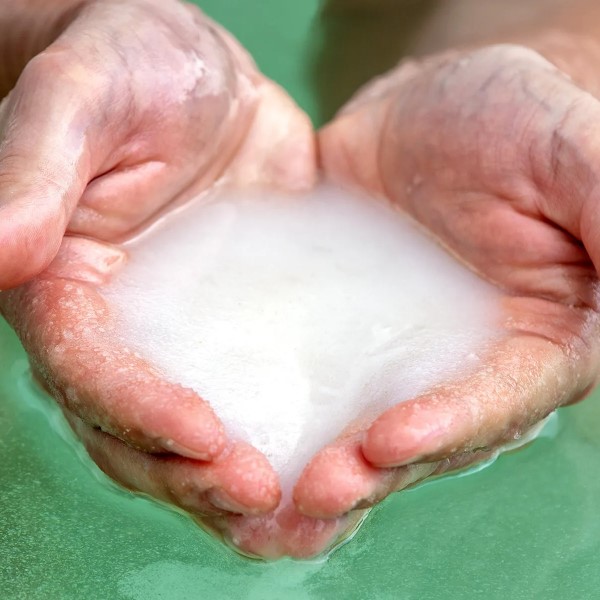
For those eager to explore the benefits, it’s essential to know how to safely incorporate saltwater into your skincare routine.
1. DIY Saltwater Rinses
Prepare a simple saltwater rinse by dissolving a teaspoon of sea salt in a cup of warm water. This solution can be used as a facial rinse or applied to problem areas using a cotton ball.
2. Saltwater Baths
Taking a bath with added sea salt can provide relaxation while benefiting the skin. Aim to use about 2 cups of sea salt in lukewarm water and soak for 15-20 minutes to reap maximum benefits.
3. Salt Scrubs
As mentioned earlier, making a scrub by mixing sea salt with olive or coconut oil can promote exfoliation. Use this scrub once a week for smoother skin.
4. Post-Swim Care
After swimming in the ocean, be sure to rinse off with fresh water and apply a moisturizer. Saltwater can be drying over time, so follow up with products that help retain moisture.
5. Moderation is Key
While saltwater can offer many benefits, moderation is essential. Overusing saltwater, particularly on sensitive skin, can lead to dryness or irritation. It is advisable to incorporate saltwater treatments sparingly and alongside an overall skincare routine.

Potential Disadvantages of Using Saltwater
Is saltwater good for your skin? While saltwater boasts numerous advantages, it is not devoid of downsides. Understanding these drawbacks can help individuals make informed decisions.
1. Drying Effects on Skin
While moderate use is beneficial, high salinity can dry out skin over time. Individuals with dry or sensitive skin should approach saltwater with caution.
- Advice: For those with existing dryness, it’s advisable to limit exposure to saltwater or ensure it is followed up with adequate moisturization.
2. Skin Sensitivity
Saltwater can cause irritation, particularly for those with sensitive skin. Prolonged exposure without proper care may lead to redness or discomfort.
- Tip: Performing a patch test when trying saltwater treatments for the first time is advised. Apply it to a small area to gauge your skin’s reaction.
FAQ Section
Is salt water good for your face?
Yes, saltwater can benefit your face by providing natural exfoliation and acting as an antiseptic. However, it should be used cautiously to avoid irritation.
What are the disadvantages of salt water on skin?
Possible disadvantages include dryness, irritation, and sensitivity, especially for those with pre-existing skin conditions.
Is it good to leave sea salt on your skin?
Leaving sea salt on your skin can be beneficial in moderation, as it may aid exfoliation. However, it’s essential to rinse off afterward to prevent excessive dryness.
Is swimming in the ocean good for the skin?
Swimming in the ocean can have therapeutic benefits due to the minerals found in saltwater, but it’s crucial to rinse with fresh water afterward to remove excess salt.
Conclusion
Is saltwater good for your skin? In conclusion, the question of whether saltwater is good for your skin is met with numerous affirmative answers. From natural exfoliation to antiseptic properties and enhanced hydration, the benefits are ample. However, moderation and caution are essential for avoiding dryness or irritation. Incorporating saltwater into your skincare routine can yield positive results, whether through rinses, baths, or scrubs. As always, it’s advisable to pay attention to how your skin reacts and adapt your practices accordingly. So, the next time you visit the ocean or contemplate saltwater applications, remember its potential advantages and embrace the beauty of nature’s remedies!