Is Magnesium Good for Skin? Top Tips for Including It Daily
Introduction: Understanding Magnesium and Its Importance
When considering skincare, various elements come into play—nutrients, vitamins, and minerals shape our skin’s health and appearance. One critical mineral often overlooked is magnesium. Many people wonder, is magnesium good for skin? The answer is a resounding yes. Magnesium plays a vital role in minimizing inflammation, promoting hydration, and enhancing overall skin health. In this article, we will explore the benefits of magnesium for skin, why it is essential, and provide top tips for incorporating it into your daily routine.
Understanding the role of magnesium is crucial for anyone looking to enhance their skincare regimen. By gaining knowledge on how this mineral influences skin health, you can make informed decisions about your dietary intake and skincare products.
The Benefits of Magnesium for Skin Health
Is magnesium good for skin? Magnesium is an essential mineral that our bodies need for various physiological functions. Its benefits extend beyond muscle relaxation and mental health; they significantly impact skin health as well.
1. Hydration and Moisture Retention
- Enhancing Skin Hydration: Magnesium helps maintain skin hydration by regulating moisture levels. A well-hydrated skin barrier acts as a shield against environmental aggressors and prevents moisture loss.
- Prevention of Dryness: When skin lacks hydration, it can lead to dryness and flakiness. Incorporating magnesium helps keep skin supple and radiant.
Hydrated skin not only looks better but feels softer and healthier.
2. Anti-Inflammatory Properties
- Reducing Inflammation: Magnesium possesses potent anti-inflammatory properties. This capability is vital in managing skin conditions such as acne, eczema, and psoriasis.
- Calming Irritation: By calming redness and irritation, magnesium promotes a more even skin tone, helping to create a smoother appearance.
Using magnesium in your skincare routine can reduce flare-ups and soothe sensitive skin.

3. Acne Treatment and Prevention
Controlling Oil Production
- Importance of Sebum Regulation: One of the critical functions of magnesium in skincare is its role in regulating sebum production. Sebum is the natural oil produced by the skin that helps keep it moisturized. However, excessive sebum can lead to various skin issues.
- Balancing Oil Levels: Magnesium helps balance the amount of oil produced by sebaceous glands. By moderating sebum levels, magnesium reduces the likelihood of excess oil buildup on the skin’s surface, which can lead to a greasy appearance.
- Preventing Clogged Pores: Clogged pores are a primary contributor to acne and other skin blemishes. When oil combines with dead skin cells and bacteria, it can block pores and create an environment conducive to breakouts. Magnesium’s ability to control oil production helps mitigate this risk.
- Reducing Acne Incidence: By regulating oil production, magnesium can significantly lower the occurrence of acne. This regulation is particularly beneficial for those with oily or acne-prone skin, as it helps create a more balanced skin environment.
- Promoting Overall Skin Health: In addition to preventing acne, balanced oil production contributes to healthier skin overall. With appropriate oil levels, skin becomes less prone to irritation and inflammation, leading to a more resilient complexion.
Improved Skin Clarity
- Impact on Breakouts: Regular use of magnesium can lead to enhanced skin clarity. By addressing the underlying factors that contribute to acne and breakouts, magnesium helps achieve clearer skin over time.
- Long-Term Benefits: Unlike short-term solutions that may only provide temporary relief, magnesium works continuously to improve skin health. This proactive approach means that users can experience lasting improvements in their skin’s appearance.
- Reducing Inflammation: In addition to controlling oil production, magnesium also possesses anti-inflammatory properties, aiding in the reduction of redness and swelling associated with acne. This further contributes to the overall clarity and evenness of the skin tone.
- Encouraging Skin Renewal: Magnesium can support the skin’s natural healing and renewal processes, which can help reduce the appearance of scars or blemishes left by previous breakouts. This renewal can lead to a smoother, clearer complexion over time.
- Holistic Approach to Skincare: By incorporating magnesium into your skincare routine, you adopt a holistic approach to achieving clear skin. This includes not only controlling oil production but also improving skin health through enhanced hydration and reduced inflammation.
Acne treatment is essential for maintaining clear and healthy skin, and magnesium can play a pivotal role in this process.
4. Promoting Skin Repair and Rejuvenation
- Facilitating Cell Renewal: Magnesium supports the repair and renewal of skin cells. This action aids in the healing process after breakouts or irritations.
- Boosting Collagen Production: Magnesium is essential for collagen synthesis, promoting elasticity and firmness in the skin. Increased collagen levels result in a more youthful appearance.
By facilitating repair processes, magnesium enhances the skin’s natural resilience and longevity.
How to Include Magnesium in Your Daily Routine
Is magnesium good for skin? Incorporating magnesium into your daily routine can be done in various ways, ensuring that you reap its numerous benefits for skin health.
1. Dietary Sources of Magnesium
- Leafy Greens: Foods such as spinach, kale, and swiss chard are rich in magnesium. Adding these to salads or smoothies is an excellent way to increase intake.
- Nuts and Seeds: Almonds, cashews, and pumpkin seeds are excellent sources of magnesium. Snacking on these or incorporating them into meals can boost your daily magnesium levels.
- Whole Grains: Brown rice, quinoa, and oats are also rich in this mineral. They serve as nutritious staples in many diets.
By focusing on these dietary sources, you can easily meet your magnesium needs.
2. Magnesium Supplements
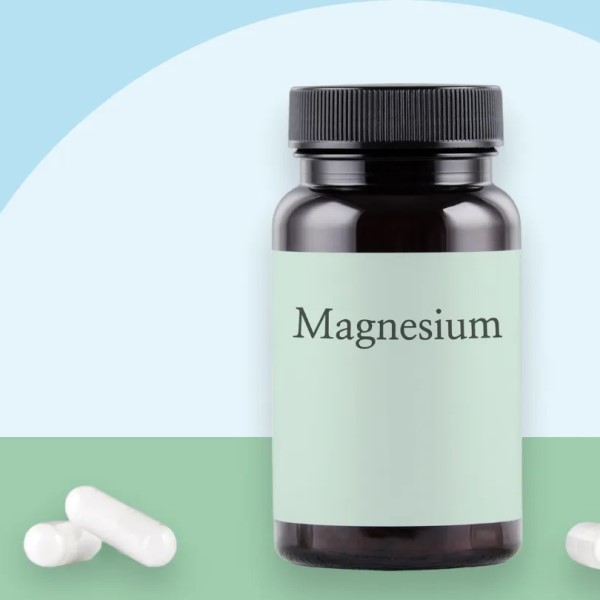
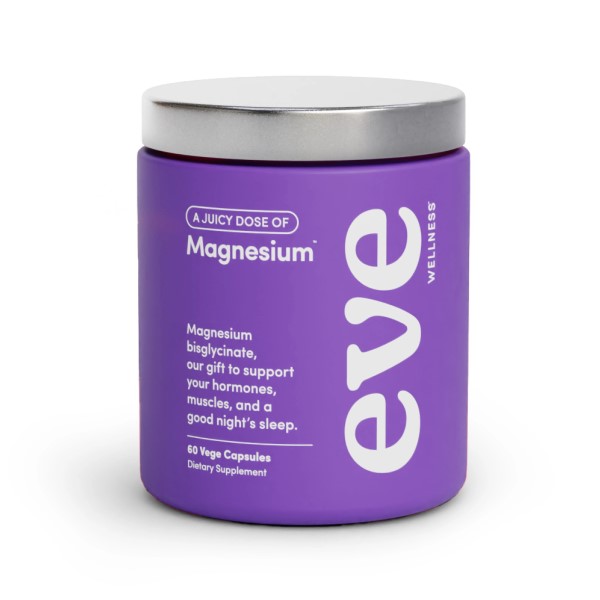
- Types of Supplements: Magnesium supplements come in various forms, such as magnesium oxide, citrate, and glycinate. Each type serves different purposes; for skin health, magnesium glycinate is often recommended due to its high bioavailability.
- Consulting Healthcare Professionals: Before starting any supplement regimen, it’s essential to consult with a healthcare provider, especially if you have underlying health issues or are pregnant.
Supplements can help fill dietary gaps, but it’s essential to choose the right type for your needs.
3. Topical Magnesium Products
- Magnesium Oil: This can be applied directly to the skin, providing localized benefits. It can help soothe irritated areas and improve skin health.
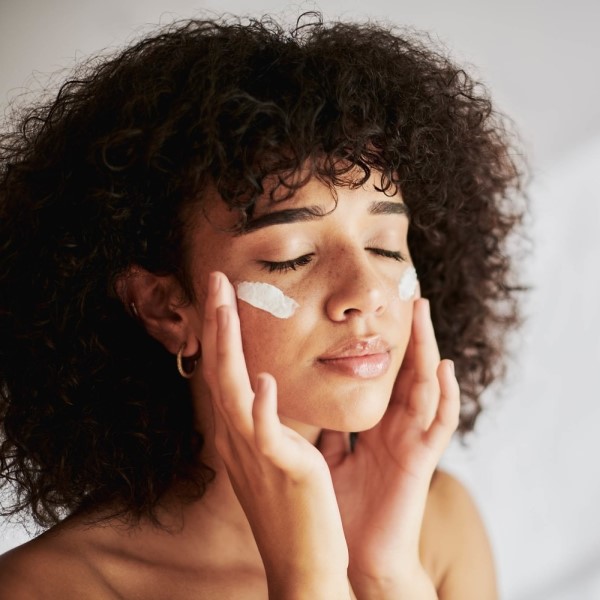
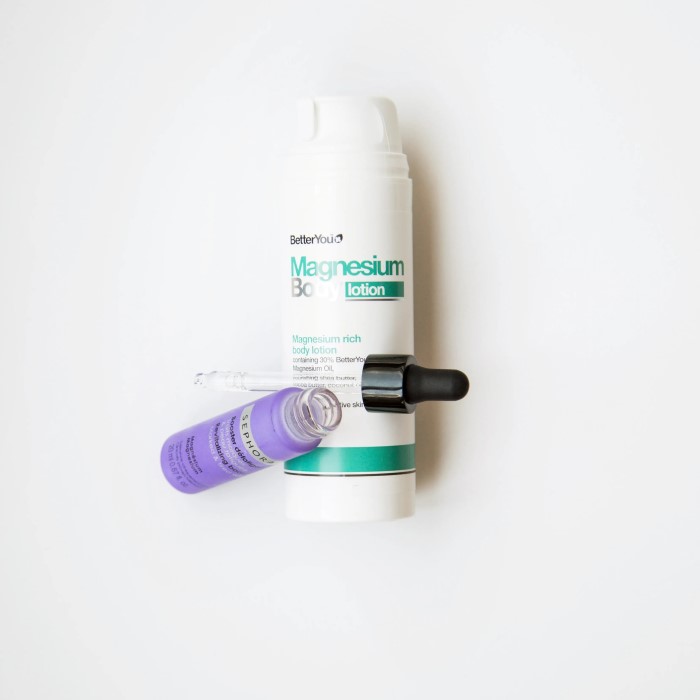
- Lotions and Creams: Various skincare products are infused with magnesium. Look for creams that promote hydration and address skin concerns like acne or aging.
Using topical products can provide additional benefits by targeting specific skin issues.
4. Bathing with Epsom Salt
Soaking in Epsom Salt
- What is Epsom Salt?: Epsom salt, chemically known as magnesium sulfate, is widely recognized for its various health benefits. It contains a high concentration of magnesium, making it an excellent option for promoting skin health.
- Magnesium Absorption: When you soak in a bath with Epsom salt, your skin can directly absorb magnesium. This transdermal absorption allows for effective uptake of the mineral, helping to replenish magnesium levels in your body.
- Promoting Relaxation: Soaking in Epsom salt baths is known for its calming effects. The warm water combined with magnesium creates a relaxing environment that can alleviate stress and tension. Many people find that this practice helps to soothe both the mind and body after a long day.
- Enhancing Skin Hydration: Magnesium has moisturizing properties that can aid in maintaining skin hydration. By soaking in Epsom salt, you help your skin retain moisture, making it appear softer and more supple.
- Alleviating Muscle Pain and Soreness: The magnesium in Epsom salt baths can help relieve muscle aches and pains. This is particularly beneficial for athletes or individuals with active lifestyles, as it can accelerate recovery after physical exertion.
Combining Aromatherapy
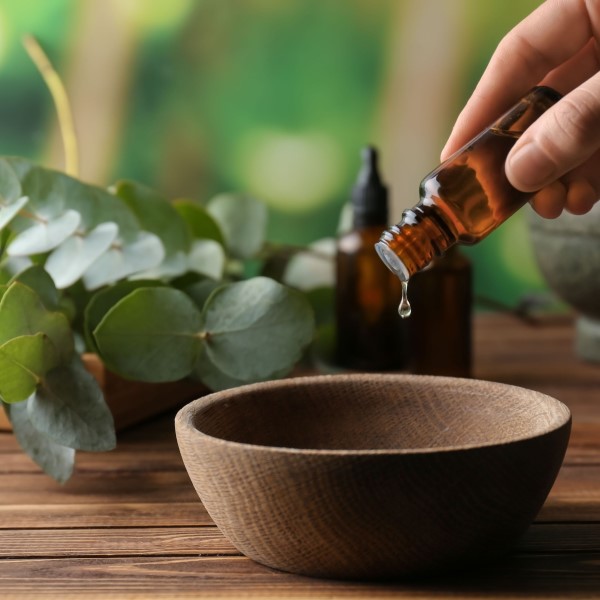
- Incorporating Essential Oils: Adding essential oils to your Epsom salt bath can enhance the experience further. Consider oils like lavender, chamomile, or eucalyptus, which are known for their soothing and calming properties.
-
Enhancing Relaxation: When you introduce essential oils into your bath, you create a fragrant atmosphere that promotes relaxation. The aroma of essential oils can have a calming effect on the mind, helping to reduce anxiety and stress levels.
- Additional Skin Benefits: Many essential oils possess beneficial properties for the skin. For instance:
- Lavender Oil: Known for its calming effects, lavender also has anti-inflammatory properties that can help soothe irritated skin.
- Tea Tree Oil: This oil is renowned for its antibacterial qualities, making it effective in treating acne and preventing breakouts.
- Creating a Personalized Experience: By experimenting with different essential oils, you can tailor your soak to meet your specific needs, whether you seek relaxation, rejuvenation, or skin healing benefits.
- Setting the Mood: To enhance the overall experience, consider dimming the lights, playing soft music, or using candles during your bath. These additional elements can create a more tranquil environment, allowing you to fully immerse yourself in the relaxation process.
Bathing can be a delightful way to incorporate magnesium while promoting relaxation.
FAQs About Magnesium and Skin Health
Does magnesium improve skin?
Yes, magnesium improves skin health by enhancing hydration, reducing inflammation, promoting cell repair, and helping prevent acne.
Why shouldn’t you take magnesium every day?
While magnesium is essential, excessive intake can lead to adverse effects, such as digestive issues or imbalances. It’s crucial to consult with a healthcare provider to determine the appropriate dosage.
What type of magnesium is best for skin?
Magnesium glycinate is often considered the best option for skin health due to its superior absorption and minimal side effects. Always consult with a healthcare professional before deciding on a specific type.
What magnesium is best for sleep while pregnant?
Magnesium citrate is commonly recommended for sleep; however, pregnant women should consult their healthcare providers to ensure safety and appropriate dosing during pregnancy.
Conclusion: Harnessing the Power of Magnesium for Skin Health
In conclusion, the answer to is magnesium good for skin is undeniably yes. Incorporating magnesium into your daily routine can provide numerous benefits that enhance your skin’s health and appearance. By understanding how to include magnesium through diet, supplements, and topical products, you can enjoy clearer, more youthful skin.
Don’t underestimate the power of this essential mineral. With consistent use, you will likely see positive changes in your skin’s hydration, clarity, and overall health. By embracing magnesium, you allow yourself to tap into its full potential, leading to a more vibrant and radiant complexion.