Understanding Dimethicone in Skin Care: Myths vs. Facts
Understanding Dimethicone in Skin Care: Myths vs. Facts
Dimethicone in skin care has garnered substantial attention, but many still don’t understand its role and benefits. This silicone derivative has been widely utilized in cosmetic products, yet misconceptions abound regarding its safety and effectiveness. In this article, we will demystify dimethicone, dispel myths, and clarify its benefits for various skin types.
What is Dimethicone?
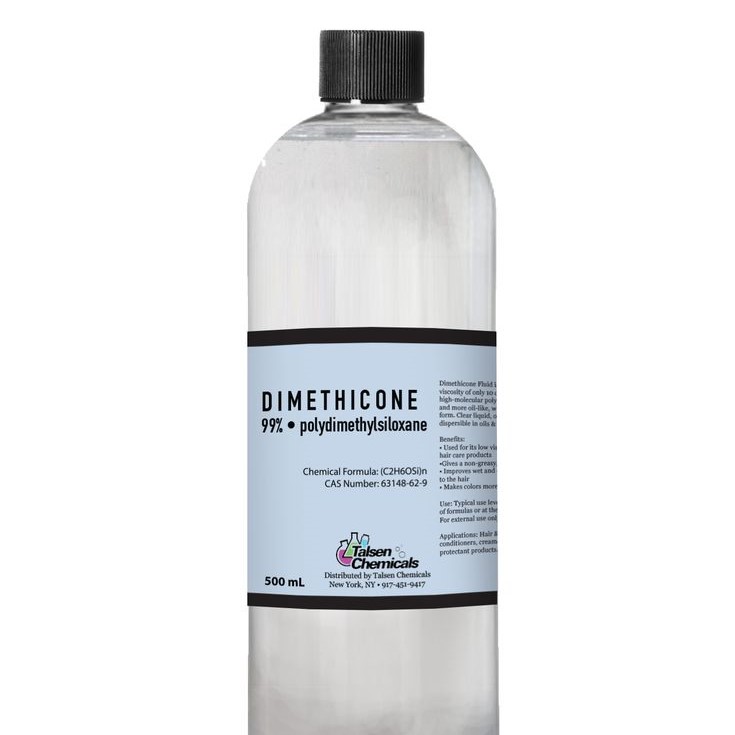
Dimethicone, a silicone polymer, has long been a cornerstone in the beauty and skin care industry due to its unique properties. Derived from silica, dimethicone is designed to improve the texture and performance of skin care products. It is commonly found in moisturizers, foundations, and hair care products, valued for its smooth and silky feel. When applied, it forms a barrier on the skin that not only locks in moisture but also provides a soft, smooth finish.
The way dimethicone works is essential to understand its benefits fully. It coats the skin’s surface, helping to reduce water loss and create a protective layer that shields against environmental pollutants. This application method appeals to a wide range of consumers who are searching for hydration and a refined skin texture.
Benefits of Dimethicone in Skin Care
When discussing dimethicone in skin care, it’s crucial to highlight its multitude of benefits:
1. Moisture Retention
Dimethicone serves as an occlusive agent, locking moisture into the skin. This characteristic is particularly beneficial for individuals with dry or dehydrated skin types. By maintaining hydration levels, dimethicone helps to alleviate dryness, reduce rough patches, and improve overall skin texture. Users often report a visible improvement in skin softness and elasticity after incorporating dimethicone-containing products into their routines.
2. Smoothing Texture
One of dimethicone’s standout benefits is its ability to create a smooth, even surface. It fills in fine lines and minor imperfections, leading to a more refined appearance. This trait makes dimethicone particularly favored in makeup products, such as primers and foundations. When applied as a primer, it allows makeup to glide on more smoothly and helps it last longer, minimizing the appearance of pores and enhancing overall make-up application aesthetics.
3. Non-Comedogenic Nature
A significant concern for many consumers is whether an ingredient will clog pores and contribute to acne formation. Fortunately, dimethicone is classified as non-comedogenic. This means that it does not block pores, making it a suitable option for various skin types, including those prone to breakouts. Dermatologists frequently recommend dimethicone due to its ability to hydrate and protect without increasing the risk of acne.
4. Soothing Properties
In addition to hydration, dimethicone provides soothing properties for the skin. By forming a protective barrier, it helps to reduce irritation caused by other skincare products or environmental factors. This makes dimethicone an ideal ingredient for sensitive skin types or conditions like eczema, as it aids in creating a calming effect.
Common Myths About Dimethicone
With any ingredient in the skincare world, myths and misconceptions are sure to arise. Here we will address some of the most prevalent myths associated with dimethicone:
Myth 1: Dimethicone Causes Acne
One of the most concerning myths surrounding dimethicone is that it causes acne. As previously mentioned, because it is non-comedogenic, this claim is largely unfounded. Studies show that users with acne-prone skin can benefit from dimethicone without experiencing breakouts. Its protective qualities provide a barrier without clogging pores. This makes it a popular choice among those who struggle with acne.
Myth 2: It’s Harmful to the Skin
Some consumers think that any silicone in their skincare routine might be detrimental to skin health. However, dimethicone is generally considered safe for topical use. Unlike certain harsh chemicals, dimethicone does not usually irritate sensitive skin. For the vast majority of users, dimethicone can offer soothing and moisturizing effects.
Myth 3: Dimethicone Suffocates the Skin
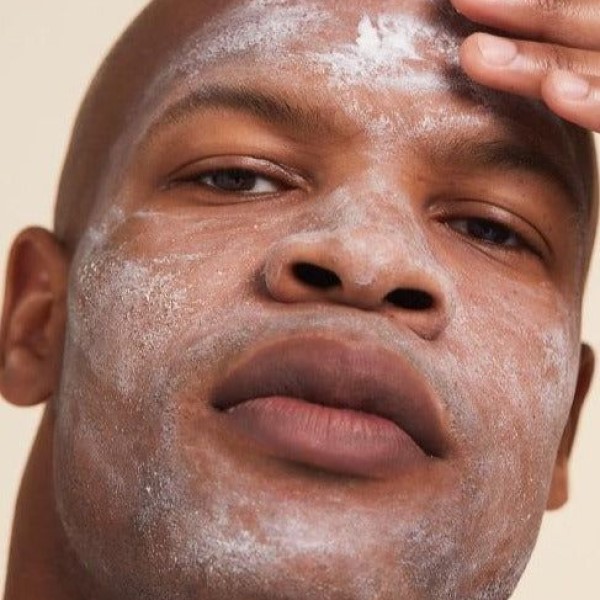
Another prevalent myth asserts that dimethicone suffocates the skin by forming a heavy layer. However, this is misleading. Dimethicone creates a breathable barrier that locks moisture in while still allowing oxygen to reach the skin. This means the skin can function normally without feeling trapped beneath multiple layers of product.
Is Dimethicone Safe for the Skin?
Safety is a significant concern for many consumers examining skincare products. According to dermatologists, dimethicone is recognized as safe for most individuals when utilized in skin care products. Its hypoallergenic nature means it is often appropriate for sensitive skin types. However, personal reactions can vary, so it is always wise to patch-test new products.
Do Dermatologists Recommend Dimethicone?
Yes, many dermatologists recommend dimethicone in skincare products. They highlight its hydrating and smoothing properties, which are effective for addressing several skin concerns. For individuals looking for a silicone-based moisturizer or primer, consulting a dermatologist can provide valuable guidance tailored to personal skincare needs.
What Are the Bad Side Effects of Dimethicone?
While dimethicone is generally regarded as safe, some users may experience mild reactions. These can include a sense of heaviness on the skin or a feeling of greasiness, particularly in high-concentration products. In rare cases, very sensitive individuals might experience redness or irritation. However, these side effects are not typical.
Can I Use Dimethicone While Pregnant?
Pregnant individuals often have unique concerns about the ingredients they use in their skincare regimen. Dimethicone is generally considered safe for topical use during pregnancy. However, as ingredient safety can vary based on individual circumstances, it is always advisable to consult with a healthcare provider or dermatologist before starting any new skin care products while pregnant.
The Future of Dimethicone in Skin Care
Enduring Popularity of Dimethicone:
As skincare trends continue to shift and evolve, dimethicone has solidified its status as a highly sought-after ingredient in a wide range of cosmetic products.
Its unique properties, such as providing a silky texture and creating a smooth finish on the skin, contribute to its ongoing appeal among both consumers and manufacturers.
Advancements in Formulation Technologies:
Recent advancements in formulation technologies are allowing cosmetic brands to explore innovative ways to incorporate dimethicone into their products.
These new techniques can enhance its performance and efficacy, thus expanding the possible applications of dimethicone in various skincare formulations.
Meeting Modern Consumer Demands:
Today’s consumers are increasingly educated and conscious about the ingredients in their skincare products.
As a result, brands are working diligently to not only meet but exceed modern consumer expectations by offering formulations that maximize the benefits of dimethicone while ensuring safety and effectiveness.
Focus on Skin Health:
With a growing awareness of skin health, dimethicone remains relevant due to its numerous beneficial properties.
The ingredient acts as a skin conditioning agent, providing hydration and a barrier against moisture loss without feeling heavy or greasy, making it suitable for various skin types.
Versatility in Product Applications:
Dimethicone’s versatility allows it to be used in a wide variety of products, including moisturizers, serums, and foundations.
This multifaceted nature ensures that dimethicone can cater to diverse consumer needs, whether they seek hydration, smoothness, or a mattifying effect.
Stability and Compatibility:
Dimethicone is known for its stability, making it an ideal choice for formulations that require a long shelf life without compromising performance.
Additionally, it combines well with various other ingredients, enhancing their effectiveness and helping create a more cohesive product.
Sustainable Formulation Practices:
As sustainability becomes more important in the beauty industry, brands are exploring eco-friendly ways to source and utilize dimethicone in their formulations.
This commitment to sustainability may further increase its appeal among environmentally conscious consumers.
Looking Ahead:
Given the continued advancements in formulation technologies and the sustained interest in skin health, dimethicone is likely to remain a key player in the skincare landscape.
As brands innovate and adapt to the changing preferences of consumers, dimethicone will retain its niche as a reliable and beneficial ingredient in skincare, ensuring its relevance in the future.
By understanding how dimethicone fits into the evolving skincare market, consumers can make informed decisions about the products they choose to incorporate into their routines. As always, the importance of ingredient transparency and efficacy will guide the future of dimethicone in skin care.
Conclusion
In conclusion, understanding dimethicone in skin care is essential for making informed choices about products that fuel your skincare routine. Its hydration-boosting, smoothing, and non-comedogenic properties pave the way for a healthier complexion. By dispelling common myths and highlighting its safety and effectiveness, you can confidently incorporate dimethicone into your daily skincare regimen. As you explore new products, consider the tremendous advantages this versatile ingredient can offer. Your skin will appreciate the care and enhancement that dimethicone provides.