Glycerin in Skin Care: Why Your Skin Needs This Super Ingredient
Introduction: The Rising Star in Skin Care
In the ever-evolving world of skin care, certain ingredients stand out for their exceptional benefits. One such ingredient is glycerin. Known for its versatility and effectiveness, glycerin is a powerhouse when it comes to moisturizing and protecting the skin. In this article, we will explore the myriad benefits of glycerin in skin care, how it works, and why your skin needs this super ingredient. You’ll learn about its various forms, applications in different products, and how to integrate it into your skincare routine for optimal results.
What is Glycerin?
Definition and Origin
Glycerin, also known as glycerol, is a colorless, odorless liquid that is derived from both animal fats and vegetable oils. It can be produced through the hydrolysis of fats and oils or through the fermentation of sugars.
- Natural vs. Synthetic: While glycerin can be derived from natural sources, it is commonly produced synthetically in labs for use in skincare and cosmetic products. This dual availability makes it widely accessible for various formulations.
Properties of Glycerin
- Humectant Nature: One of glycerin’s most important properties is its ability to draw moisture from the air and retain it in the skin. This moisture-binding capability makes it an excellent ingredient for hydrating products.
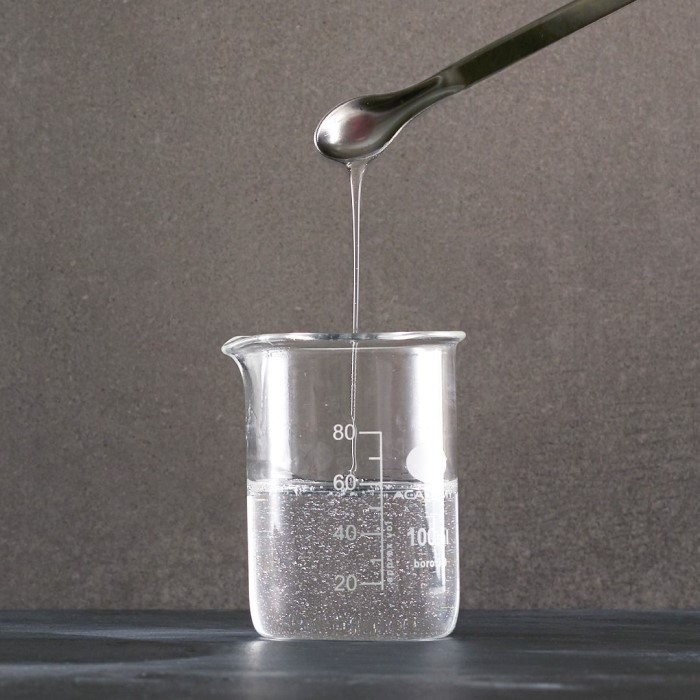
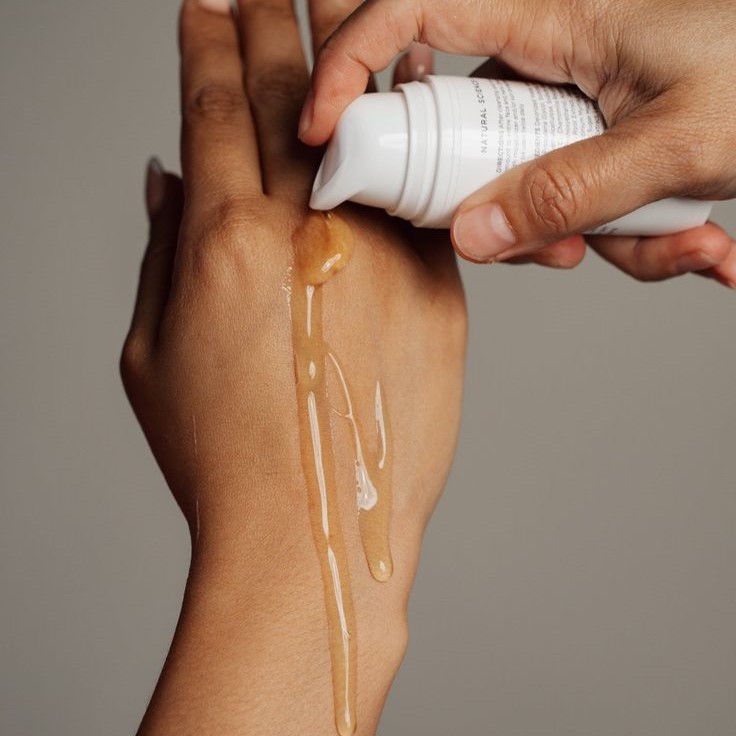
- Viscosity and Texture: Glycerin has a thick consistency, which gives products a smooth gel-like texture. This quality also enhances the sensory experience when applying skin care formulations, making them feel luxurious and nourishing.
Why Glycerin is Essential in Skin Care
Exceptional Hydration
Glycerin is often celebrated for its soothing and hydrating properties. Here are some reasons why it should be a staple in your skincare routine:
- Deep Moisturization: As a humectant, glycerin works by extracting water from the environment and infusing it into the skin. This results in a plump, healthy appearance, significantly reducing dryness.
- Improving Skin Barrier Function: By maintaining optimal moisture levels, glycerin in skin care helps strengthen the skin barrier. A well-hydrated skin barrier can better protect against environmental stressors and irritants.
Skin Soothing Properties
Apart from hydration, glycerin also offers soothing benefits:
- Calming Irritation: Glycerin possesses anti-inflammatory properties that can help alleviate skin irritation and redness. It is often included in formulations designed for sensitive skin, as it aids in calming and soothing.
- Promotes Healing: Regular use of glycerin can assist in the skin’s healing processes, making it effective for those recovering from minor injuries or irritations.
How Glycerin Works in Skin Care Products
Versatility in Formulations
Glycerin can be found in a wide range of skin care products, from cleansers and moisturizers to serums and masks. Its versatility allows it to enhance the efficacy of various formulations, including:
Moisturizers
- Core Ingredient: Glycerin is often a primary ingredient in many moisturizers due to its exceptional ability to attract and retain moisture in the skin. This property makes it especially valuable for individuals with dry or dehydrated skin.
- Long-Lasting Hydration: By forming a protective barrier on the skin’s surface, glycerin helps lock in moisture for extended periods. This long-lasting hydration is crucial for maintaining skin elasticity and suppleness throughout the day.
- Smooth Skin Texture: Glycerin not only hydrates but also enhances the overall texture of the skin. Regular use of moisturizers containing glycerin can lead to a smoother and more refined skin surface, reducing the appearance of rough patches and enhancing a youthful glow.
- Compatibility with Other Ingredients: Many moisturizing formulations combine glycerin with other hydrating ingredients, such as hyaluronic acid or shea butter. This synergy increases the effectiveness of the product, providing comprehensive hydration while addressing various skin concerns.
Cleansers
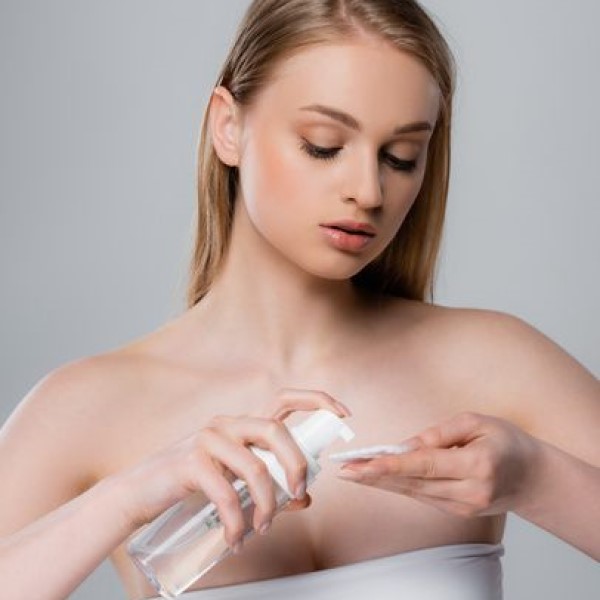
- Gentle Cleansing: Some facial cleansers include glycerin to create a gentle yet effective cleansing formulation. Glycerin acts as a humectant, ensuring that cleansing does not strip the skin of its natural moisture.
- Preventing Dryness: Using glycerin in facial cleansers helps protect the skin from dryness that often occurs after washing. This is particularly beneficial for individuals with sensitive or dry skin types, as it helps maintain the skin’s moisture levels.
- Balancing pH Levels: Glycerin contributes to maintaining the skin’s natural pH balance during cleansing. This helps prevent irritation and supports the skin barrier, making it a suitable option for daily use.
- Enhanced Experience: Cleansers with glycerin in skin care can provide a smoother application and enriched experience due to their thicker, gel-like consistency. This texture enhances the cleansing process while moisturizing the skin.
Serums and Treatments
- Boosting Hydration: Many serums utilize glycerin as a key component for its hydrating properties. This allows serums to deliver deep moisture to the skin while also enhancing the effects of other active ingredients.
- Improved Absorption: Glycerin’s ability to penetrate the skin readily allows it to carry other beneficial ingredients along with it. This synergistic action ensures that powerful actives such as vitamins, peptides, and antioxidants can penetrate effectively and provide their intended benefits.
- Layering Benefits: Serums containing glycerin can be layered under creams or oils without feeling heavy. They hydrate the skin base effectively, making subsequent products work more efficiently.
- Targeted Treatments: Glycerin-based serums are versatile and can be formulated to target specific skin issues, such as acne, aging, or pigmentation. The hydrating qualities of glycerin ensure that these treatments do not cause excessive dryness or irritation, offering a balanced approach to skin care.
Compatibility with Other Ingredients
One of the benefits of glycerin is its compatibility with other active ingredients commonly found in skin care. It works well with:
- Hyaluronic Acid: Both glycerin and hyaluronic acid are humectants, making their combination particularly powerful for achieving deep hydration.
- Retinol: Using glycerin in conjunction with retinol can help counteract the dryness that often accompanies retinol use, providing soothing properties while promoting skin renewal.
Incorporating Glycerin into Your Skin Care Routine
Choosing Glycerin-Infused Products
When selecting skin care products, look for labels that highlight glycerin as one of the main ingredients. Here are some tips for incorporating glycerin into your routine:
- Read Labels: Check the ingredient lists of products to ensure glycerin is present, particularly in moisturizers and hydrating serums.
- Layering Products: For enhanced hydration, consider layering products with glycerin. Apply a glycerin-rich serum before your moisturizer to lock in moisture.
- DIY Skin Care: Glycerin can also be used in homemade skin care. You can create your own hydrating masks by mixing glycerin with other ingredients like aloe vera or honey to create a soothing treatment.
Glycerin Safety and Considerations
Is Glycerin Good for Your Skin?
- Skin Type Compatibility: Glycerin is suitable for all skin types, including oily, dry, and sensitive skin. Its hydrating properties make it a favorite among dermatologists for clients seeking nourishment without heavy oils.
Special Considerations
- Pregnancy Safety: Is glycerin safe to use during pregnancy? Yes, glycerin is generally considered safe for use in skin care products during pregnancy, but it’s always wise to consult with a healthcare provider if you have concerns about specific ingredients.
- Daily Use: Can glycerin be used on the face every day? Absolutely. Glycerin can be safely incorporated into your daily routine, but moderation is key. Be mindful of how it interacts with other active ingredients in your skincare regimen.
Potential Interactions
What Not to Mix with Glycerin
While glycerin is a versatile ingredient, some combinations may not yield favorable results:
- Avoid Mixing with Certain Exfoliants: Be cautious when using glycerin with strong exfoliating acids like AHAs or BHAs. The combination may cause excessive dryness in some individuals.
- Compatibility with Oils: Glycerin can interact differently with oil-based products. If using an oil-based product, apply glycerin first, allowing it to absorb before layering an oil on top.
FAQ Section
- Is glycerin good for your skin?
Yes, glycerin is an excellent ingredient for keeping skin hydrated and should be included in your skincare regimen for optimal moisture retention. - Is glycerin safe to use during pregnancy?
Yes, glycerin is generally safe for use in skin care products during pregnancy, but always consult your doctor if unsure. - Can glycerin be used on the face every day?
Yes, you can safely use glycerin on your face every day as part of your skincare routine. - What not to mix with glycerin?
Avoid mixing glycerin with strong exfoliants or high-oil content products without proper layering techniques, as this could lead to undesirable side effects.
Conclusion: Embracing Glycerin for Healthier Skin
In conclusion, glycerin in skin care is not just a passing trend; it is a fundamental ingredient that offers incredible benefits for hydrating and protecting the skin. With its ability to draw moisture, enhance barrier function, and soothe irritation, glycerin is an essential component for healthy skin. By integrating glycerin-infused products into your routine, you can achieve a nourished and radiant complexion.
The versatility and effectiveness of glycerin make it a “super ingredient” worth incorporating into your skincare lineup. Always be mindful of how your skin responds to various products, and enjoy the benefits of maintaining hydrated and healthy skin with glycerin!