Step-by-Step Guide to Applying a Peel Off Facial Mask Effectively
Introduction: The Popularity
In the vibrant world of skincare, peel off facial mask has emerged as a favorite choice for those seeking effective and enjoyable facial treatments. These masks offer a unique experience, combining the satisfaction of peeling away impurities with the benefits of deep cleansing and hydration. However, knowing how to properly apply a peel-off mask is crucial for maximizing its potential benefits while minimizing any risks. In this comprehensive guide, you’ll learn step-by-step instructions for applying a peel off facial mask effectively, as well as tips for choosing the right product for your skin type.
Understanding Peel Off Facial Mask
What Are Peel Off Facial Masks?
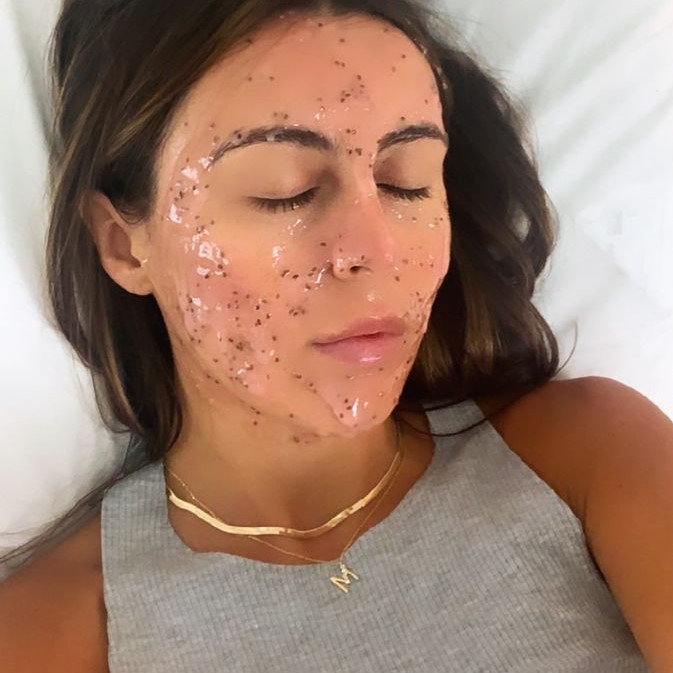
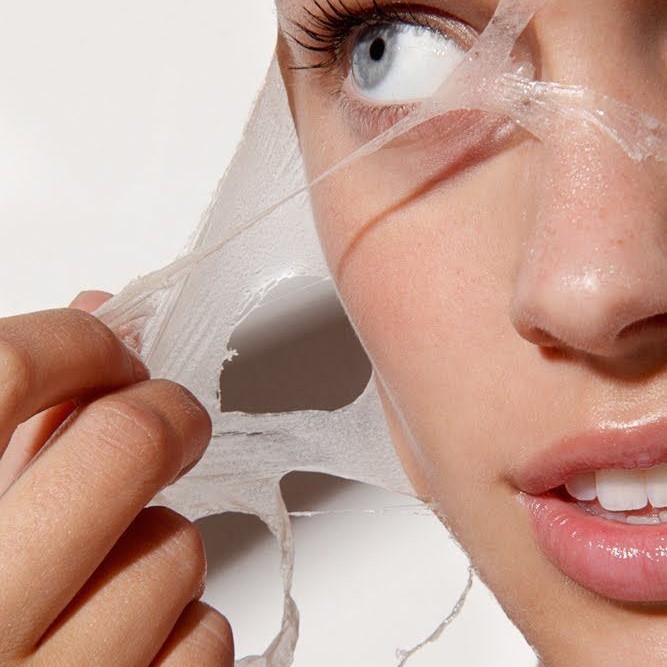
Peel-off masks are thick, gel-like formulations that dry upon application. They are designed to adhere closely to your skin, forming a film that can be peeled away once dry. The result is the removal of dead skin cells, impurities, and excess oils, leaving your skin refreshed and revitalized.
- Composition of Peel Off Masks: Typically, peel-off masks contain a blend of polymers that create the gelatinous texture, along with various active ingredients like vitamins, fruits, and botanical extracts. These components are tailored to address specific skin concerns, from hydration to brightening.
Benefits of Using Peel Off Masks
- Exfoliation: One of the primary benefits of peel-off masks is their ability to provide gentle exfoliation. As the mask is removed, it helps lift away dead skin cells and unclogs pores, resulting in smoother skin.
- Deep Cleansing: Peel off masks can penetrate the skin’s surface, drawing out dirt and impurities that accumulate from environmental factors, makeup, and excess oil.
- Improved Skin Texture: Regular use of peel off masks can lead to improved skin texture and tone. Many formulations contain brightening agents to help even out skin color and reduce the appearance of dark spots.
- Hydration Boost: While providing a deep cleanse, many peel-off masks are formulated with hydrating ingredients, ensuring that your skin remains moisturized and supple after use.
Assessing Your Skin Type
Before selecting a peel off facial mask, it’s essential to determine your skin type. This helps in choosing the right product tailored to your specific needs.
Oily Skin
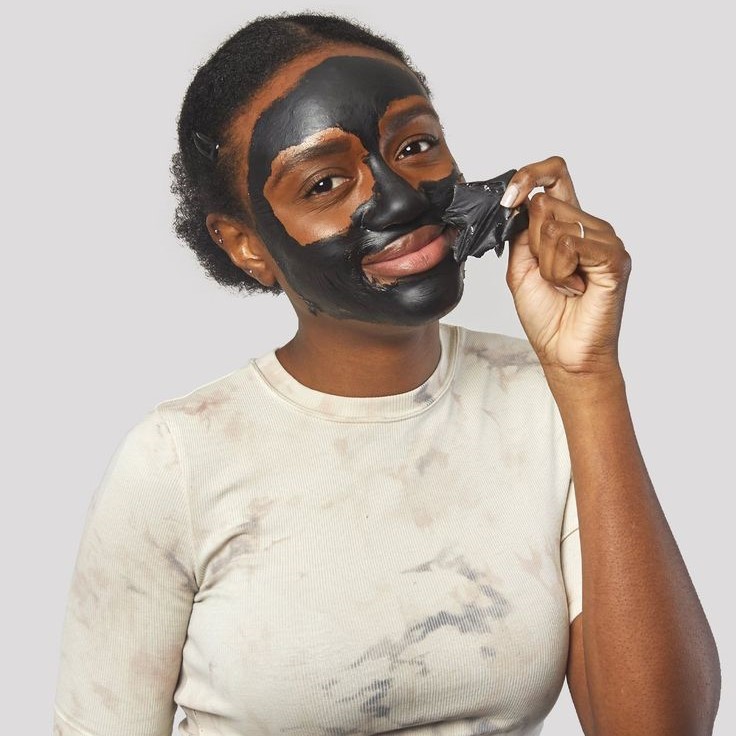
- Ingredients to Look For: If your skin is oily, look for masks that contain ingredients like charcoal or tea tree oil. These components are known for their oil-absorbing properties and can help reduce shine while preventing breakouts.
- Frequency of Use: Oily skin can handle a peel-off mask 2-3 times a week, helping to keep pores unclogged and manage excess oil.
Dry Skin
- Best Ingredients: For dry skin types, opt for masks enriched with hydrating ingredients like aloe vera, honey, or glycerin. These elements help to retain moisture and combat dryness.
- Usage Recommendations: It is advisable to use a peel-off mask for dry skin once a week. Overuse can lead to further dryness and irritation.
Combination Skin
- Balanced Approach: People with combination skin can benefit from targeted applications. For instance, using a hydrating mask on dry areas while applying oil-controlling masks to the T-zone can effectively cater to both needs.
- Custom Formulation: Look for masks that have a balance of ingredients, focusing on hydration and oil control.
Sensitive Skin
- Gentle Ingredients: If you have sensitive skin, it’s crucial to choose masks that contain calming ingredients like chamomile or cucumber. Avoid masks with alcohol or artificial fragrances, as these can trigger irritation.
- Frequency: For sensitive skin, apply a peel-off mask once every two weeks, monitoring your skin’s response closely.
Step-by-Step Guide to Applying
Prepare Your Skin
- Cleansing: Begin by cleansing your face thoroughly with a gentle cleanser. This step removes makeup, dirt, and oils, allowing the mask’s beneficial ingredients to penetrate effectively.
- Exfoliation (Optional): If desired, lightly exfoliate your face to enhance the mask’s adherence and effectiveness. This step can be optional and should be done carefully to avoid irritation.
Apply the Peel Off Mask
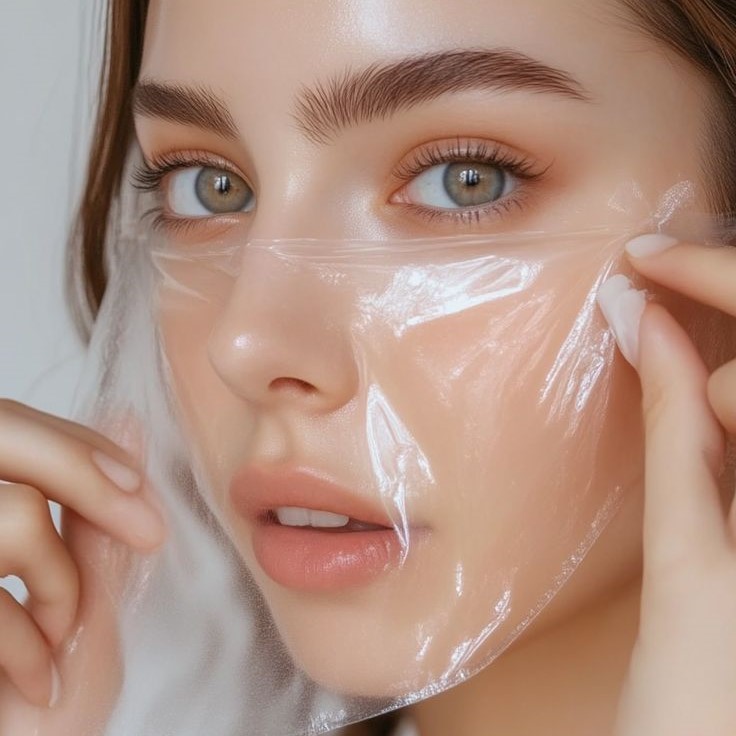
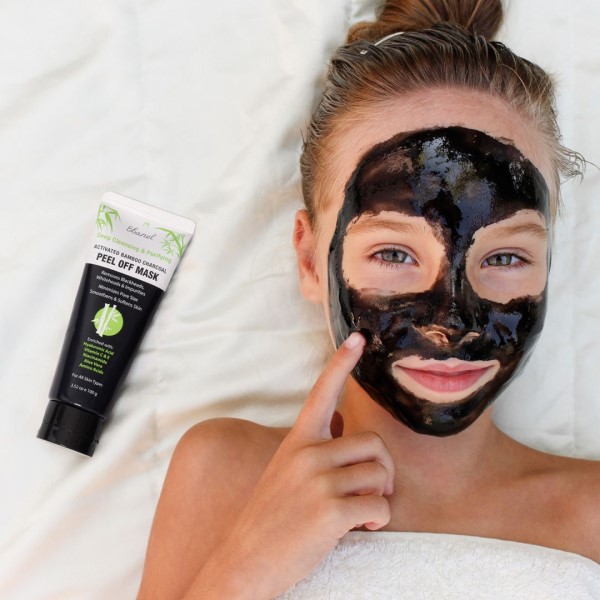
- Even Application: Using clean fingers or a mask applicator, spread an even layer of the peel-off mask across your face. Ensure that you cover the entire area while avoiding sensitive regions around the eyes and lips.
- Thickness Matters: Apply a thick enough layer to ensure that the mask can form a sufficient bond with your skin. A thin layer may lead to difficulty in peeling.
- Follow Instructions: Always refer to the product’s instructions. Some masks may require a specific thickness or application technique to achieve the best results.
Allow the Mask to Dry
- Timing: Wait for the mask to dry completely, which can take about 15-30 minutes, depending on the specific product. During this time, remain relaxed and avoid making facial expressions that could disrupt the mask layer.
- Check for Dryness: The mask should transform from a glossy finish to a matte, firm texture when fully dry, indicating that it’s ready to be removed.
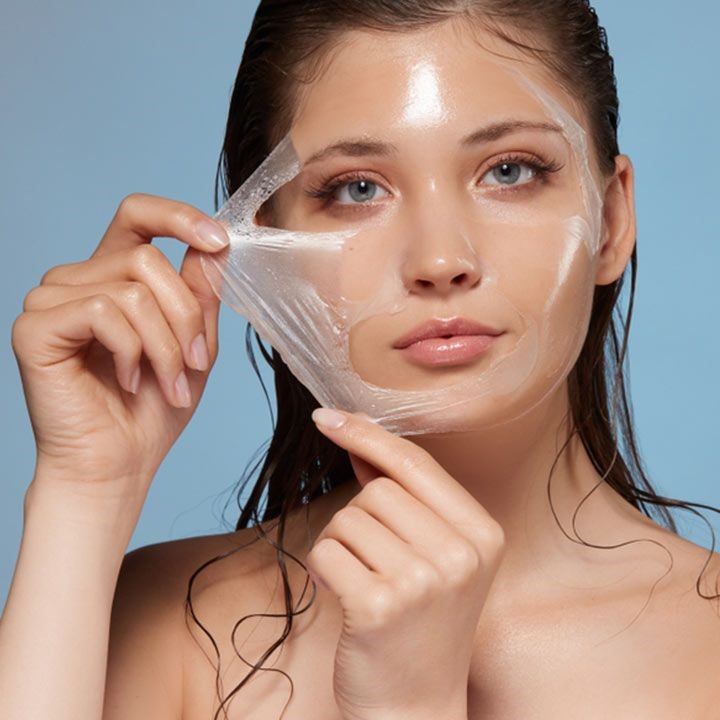
Peel Off the Mask
- Gentle Removal: Start by peeling from the edges of the mask, gently pulling it away from your skin. Work your way toward the center of your face.
- Combatting Discomfort: If you experience discomfort while peeling, it’s okay to stop and gently rinse the mask off with lukewarm water instead. In some cases, using a damp cloth can ease the removal process.
Cleanse and Moisturize
- Post-Mask Rinse: After successfully peeling off the mask, wash your face with lukewarm water to remove any leftover residue. This ensures that your skin is entirely clean.
- Follow-Up Care: Apply your usual toner, serum, and moisturizer to lock in hydration and soothe the skin post-treatment. This step helps reinforce the skin’s barrier, maximizing the benefits gained from the mask.
Tips for Maximizing the Benefits of Peel Off Masks
Routine Integration
- Weekly Inclusion: To achieve the best results, incorporate peel-off masks into your skincare routine once or twice a week. Regular use helps enhance the overall appearance and texture of your skin, contributing to a fresh and rejuvenated complexion.
- Consistency is Key: Consistency in application is crucial for seeing positive results. Just like other skincare treatments, the benefits of peel-off masks are amplified with regular use over time. Establishing a specific day or time for your mask can help reinforce this routine.
- Complementing Other Products: When integrating peel-off masks, consider how they interact with your other skincare products. Use them on a day where you’re not applying strong exfoliants or active ingredients, allowing for a balanced approach in your routine.
- Listen to Your Skin: Pay attention to how your skin responds to the masks. If you notice any irritation or adverse effects, it may be a sign to adjust the frequency or try a different formulation that is more suited to your skin type.
- Create a Pampering Experience: Treat your peel-off mask session as a mini spa experience. Set aside time for self-care, use your favorite relaxing ambiance, and fully enjoy the benefits of this rejuvenating skincare step.
Storage Tips
- Optimal Storage Conditions: To ensure that your peel-off masks remain effective, store them in a cool, dry place. Exposure to heat or humidity can degrade the product over time, reducing its potency.
- Avoid Direct Sunlight: Keeping your masks away from direct sunlight is also important. UV rays can break down certain ingredients, potentially making the mask less effective.
- Refrigeration Benefits: Some individuals prefer to refrigerate their peel-off masks. This not only extends their shelf life but also provides a refreshing sensation upon application. A cool mask can help soothe inflamed or irritated skin, making it particularly beneficial during hot summer months or after sun exposure.
-
Check Expiry Dates: Always be mindful of the expiration date indicated on the packaging. Using expired masks can lead to skin irritation or diminished effects. Discard any masks that show changes in color, consistency, or smell.
- Proper Sealing: After each use, ensure that the mask container is sealed tightly to prevent air from entering. This helps maintain the freshness of the ingredients and keeps contamination at bay.
Patch Testing
- Importance of Patch Testing: Before indulging in a new peel-off mask, it’s essential to conduct a patch test. This step helps identify any potential allergic reactions or skin sensitivities that may occur upon application to your face.
- How to Perform a Patch Test: Apply a small amount of the mask to a discreet area of your skin, such as behind your ear or on your wrist. This location allows you to monitor for any immediate reactions, as it’s similar in texture to facial skin.
- Timing for Reaction Monitoring: After applying the mask, wait for at least 24 hours to observe any reactions. Look for signs of redness, itching, swelling, or any discomfort that could indicate an allergy.
- Understanding the Results: If you do not experience any negative reactions during the test period, it is generally safe to use the mask on your face. However, if you notice any irritation, it’s best to avoid using that particular product and seek an alternative tailored to your skin’s needs.
- Multiple Products: If you are trying multiple new products at once, it’s advisable to test each one separately. This will help pinpoint any irritants and simplify the identification of what may be causing any adverse reactions.
FAQs
- Are peel-off face masks good for you?
Yes, peel-off masks are beneficial for many skin types when used correctly. They can effectively remove impurities while providing exfoliation and hydration, promoting better skin health. - Do you wash your face after a peel off mask?
It’s recommended to rinse your face with lukewarm water after removing the mask to eliminate any residual product, ensuring that your skin is clean and refreshed. - How often should I use a face peel mask?
Use a peel-off mask 1-2 times a week, depending on your skin type. Regular use helps maintain skin clarity and texture without over-drying or irritating the skin. - Which peel off mask is good for skin?
The best peel-off mask for skin depends on individual skin concerns. Look for masks with ingredients suited to your needs—hydrating masks for dry skin or clarifying masks for oily skin.
Conclusion: Enjoying the Benefits of Peel Off Facial Mask
In conclusion, mastering the application of a peel off facial mask can elevate your skincare routine, giving you both instant results and long-term benefits. With the ability to deeply cleanse, exfoliate, and hydrate the skin, peel-off masks are a valuable tool in achieving a healthier complexion.
By selecting the right mask based on your skin type, following the recommended application steps, and incorporating them into your skincare regimen, you can enjoy the rejuvenating properties of peel-off masks. Embrace this self-care ritual and allow your skin to flourish, leaving you with a refreshed and glowing appearance that you can feel proud of. Treat your skin to the love and attention it deserves with peel-off masks, and indulge in the delightful journey of skincare!