Glycolic Acid Skin Care: Combating Aging and Uneven Texture
Introduction to Glycolic Acid in Skin Care
In the ever-evolving world of skincare, glycolic acid has garnered significant attention for its transformative properties. As a part of the alpha hydroxy acids (AHAs) family, glycolic acid skin care offers powerful exfoliating benefits that target aging and uneven texture. This effective ingredient works by gently sloughing off dead skin cells, revealing fresh, radiant skin beneath. With increasing age, our skin undergoes various changes, becoming prone to uneven texture, dullness, and fine lines. Understanding how glycolic acid can help address these concerns can empower individuals to incorporate it effectively into their skincare routine.

Understanding Glycolic Acid: What Is It?
- Nature and Source:
- Glycolic acid is derived from sugar cane and is known for its small molecular size, which allows it to penetrate the skin effectively. This powerful exfoliant provides a range of benefits, making it a popular choice in various skincare products.
- Mechanism of Action:
- Glycolic acid promotes cell turnover by loosening the bonds between dead skin cells on the skin’s surface. As these cells are removed, it stimulates the production of new skin cells, resulting in a smoother, more even complexion. This process can significantly improve the skin’s overall texture.
- Benefits of Glycolic Acid:
- The benefits of including glycolic acid in your skincare regimen are numerous. It helps minimize the appearance of fine lines, reduces the visibility of dark spots, and promotes a brighter skin tone. Moreover, its exfoliating properties can prevent clogged pores, reducing the likelihood of breakouts.

How Glycolic Acid Combats Aging
- Exfoliation and Renewal:
- One of the primary ways glycolic acid combats aging is through its exfoliating action. Regular use can prevent the buildup of dead skin cells that can contribute to a dull appearance. Enhanced cell turnover means your skin remains fresh, radiant, and youthful.
- Collagen Production:
- Glycolic acid can enhance collagen synthesis, an essential protein that keeps skin firm and elastic. As we age, collagen production slows down, leading to sagging and wrinkles. By boosting collagen levels, glycolic acid can significantly improve the elasticity of your skin.
- Reduction of Fine Lines and Wrinkles:
- Incorporating glycolic acid into your routine can help reduce the appearance of fine lines and wrinkles. Its ability to smooth out the skin’s surface leads to a more youthful appearance, minimizing signs of aging and improving texture over time.
Addressing Uneven Skin Texture with Glycolic Acid
- Uneven Skin Texture Explained:
- Many people struggle with uneven skin texture caused by factors such as sun damage, acne scars, and natural aging. Glycolic acid offers a targeted solution to improve skin texture effectively, leading to a smooth and revitalized surface.
- Targeting Specific Concerns:
- Glycolic acid can help address various skin concerns that contribute to uneven texture. It is particularly effective for treating post-acne scars, sunspots, and hyperpigmentation. As the acid exfoliates the upper layer of the skin, it gradually diminishes the appearance of these imperfections.
- Building a Consistent Routine:
- For optimal benefits, consistency is key. Begin incorporating glycolic acid into your routine gradually. Start with a lower concentration and increase usage as your skin builds tolerance. This method ensures the skin adapts without excessive irritation.
Recommended Glycolic Acid Skin Care Products
- Cleansers with Glycolic Acid:
- Consider using glycolic acid cleansers that provide gradual exfoliation while cleansing your skin. A gentle foaming glycolic cleanser can help set the stage for a smooth complexion by preparing the skin to absorb subsequent products effectively.
- Toners and Exfoliating Pads:
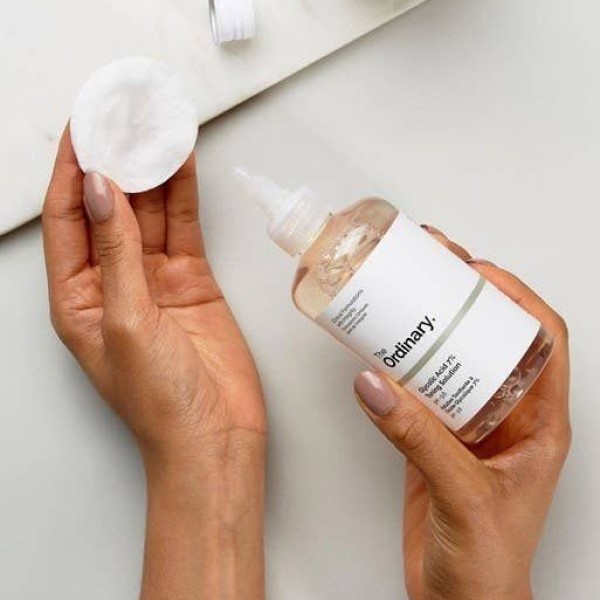
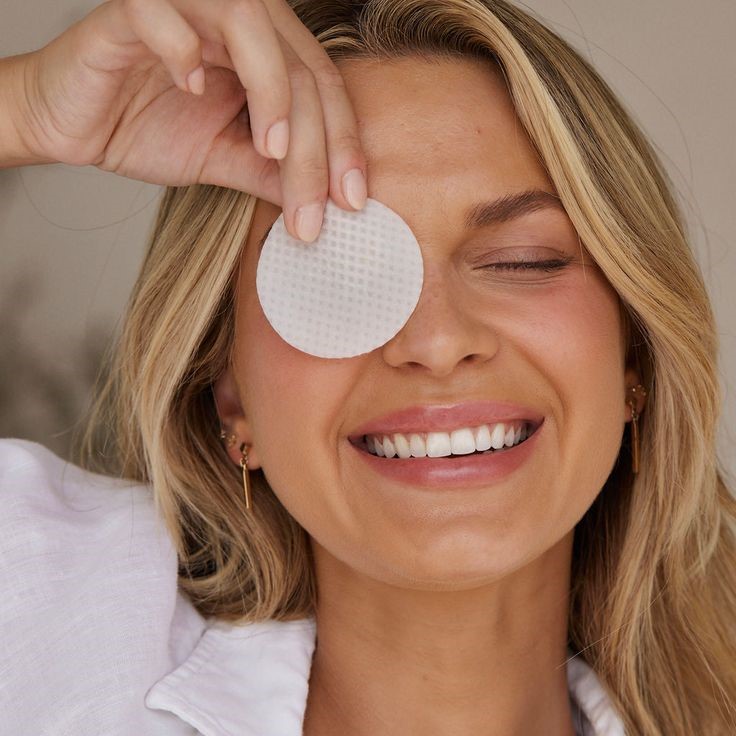
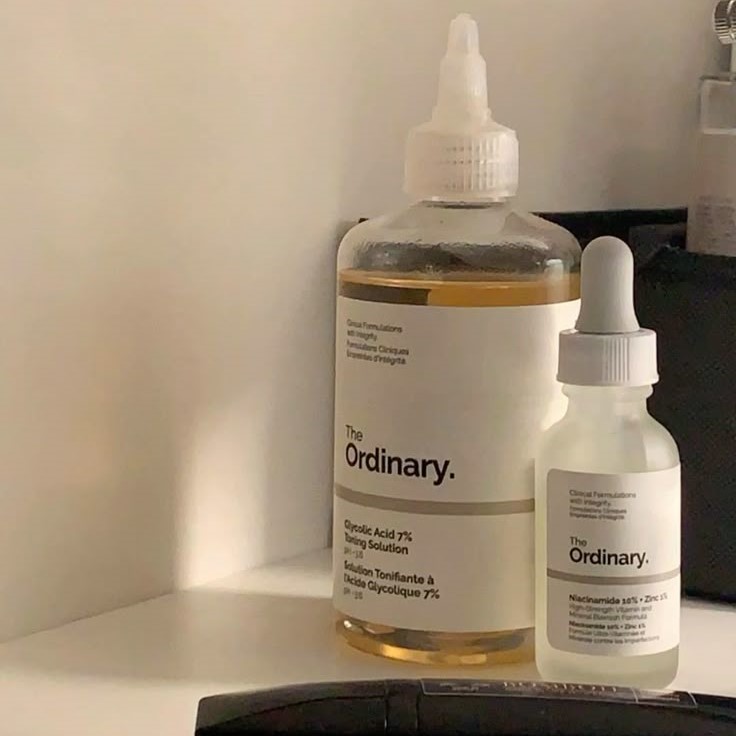
- Glycolic acid toners and exfoliating pads can be beneficial as part of a daily routine. They allow for easy application and targeted exfoliation. Look for products that balance pH and contain soothing properties like aloe vera or chamomile.
- Serums and Treatments:
- Glycolic acid serums are concentrated, enabling you to target specific areas of concern. Use high-quality serums to ensure the active ingredient penetrates deeply while providing hydration. Applying a glycolic acid serum before your moisturizer can improve results dramatically.
- Moisturizers:
- Many moisturizers include glycolic acid as a key ingredient. These products hydrate the skin while delivering the benefits of this powerful acid. Look for non-comedogenic options to ensure that they do not clog pores.
- Masks:
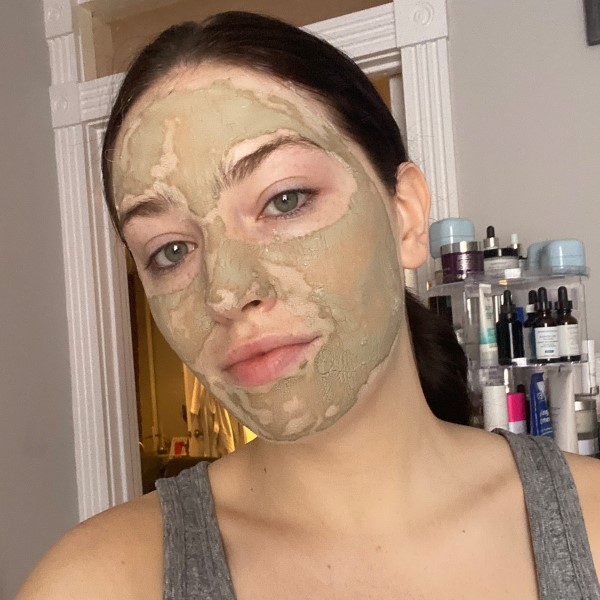
- Glycolic acid masks can be used weekly for a deeper exfoliation treatment. These masks can enhance the skin’s texture, brighten your complexion, and provide measurable results. Follow the instructions carefully to avoid over-exfoliating.
How to Incorporate Glycolic Acid into Your Skincare Routine
Start Slowly
- Importance of Gradual Introduction:
- When incorporating glycolic acid into your skincare routine, it is crucial to start slowly. This approach allows your skin to adjust to the new ingredient without overwhelming it. Abruptly introducing glycolic acid can lead to irritation, redness, or peeling, so a gradual process is more beneficial.
- Begin with Low Concentrations:
- Opt for a product that contains a lower concentration of glycolic acid, typically around 5% or less. This lower strength is gentle enough for most skin types, especially if you are new to chemical exfoliants. By starting with a mild product, you can help your skin acclimate more comfortably.
- Initial Usage Schedule:
- When you first start using glycolic acid, consider applying it once or twice a week. This initial schedule allows your skin to develop tolerance gradually. Monitor how your skin responds during this phase, and take notes of any changes or reactions.
- Gradual Increase in Frequency:
- As your skin becomes accustomed to glycolic acid, you can start increasing the frequency of application. After a couple of weeks, if your skin is responding well, you might increase usage to three times a week, eventually aiming for daily application if your skin allows it. Always prioritize your skin’s health over a strict regimen.
Layering Products
- Understanding the Product Order:
- The order in which you apply your skincare products is crucial for optimal results. When layering products, apply glycolic acid after cleansing your face but before moisturizing. This sequence ensures that the glycolic acid can penetrate effectively and work on the skin.
- Cleansing the Skin First:
- Start with a gentle cleanser designed to remove impurities without stripping the skin’s natural moisture. It’s essential to have a clean surface for glycolic acid to perform its job effectively. A clean canvas enhances the ingredient’s ability to exfoliate dead skin cells and promote cellular turnover.
- Allowing Absorption:
- After applying glycolic acid, allow a few minutes for the product to absorb fully into the skin before moving on to moisturizing. This wait time ensures maximum efficacy, as it provides the acid with an opportunity to penetrate the skin layers and exert its exfoliating effects.
- Follow with a Soothing Moisturizer:
- Once the glycolic acid has been absorbed, follow up immediately with a soothing moisturizer. A good moisturizer helps to seal in hydration and counteract any potential dryness caused by glycolic acid. Look for moisturizers containing calming ingredients like hyaluronic acid, aloe vera, or ceramides to maintain skin hydration.
Sun Protection is Crucial
- Increased Sensitivity to Sun:
- Glycolic acid exfoliates the top layer of skin, making it more sensitive to sunlight. This increased sensitivity can lead to a higher likelihood of sunburn and long-term skin damage if proper precautions aren’t taken.
- Daily Sunscreen Application:
- To protect your skin effectively, applying sunscreen should become a non-negotiable part of your daily skincare routine. Choose a broad-spectrum sunscreen that protects against both UVA and UVB rays, ideally with an SPF of at least 30. This level of protection is essential to prevent sun damage, including hyperpigmentation and premature aging.
- Reapplication is Key:
- Remember that sunscreen should be reapplied every two hours, especially if you are spending time outdoors. If you are swimming or sweating, consider using water-resistant sunscreen for better protection. This habit will help safeguard your skin from harmful UV rays throughout your daily activities.
- Choosing the Right Formulation:
- When selecting a sunscreen, individuals with sensitive or acne-prone skin might benefit from mineral sunscreens that contain zinc oxide or titanium dioxide, as these ingredients are less likely to irritate the skin and provide effective physical protection.
Listen to Your Skin
- Paying Attention to Skin Reactions:
- It is vital to closely monitor how your skin reacts to glycolic acid. Signs of irritation may include redness, itching, excess peeling, or burning sensations. Always be attentive to these signals, as they indicate that your skin may need more time to adjust.
- Adjusting Use Based on Tolerance:
- If you experience significant irritation or skin discomfort, do not hesitate to reduce the concentration of glycolic acid you are using or decrease the frequency of application. It is crucial to listen to your skin and respond accordingly rather than pushing through discomfort.
- Finding the Right Balance:
- Everyone’s skin is different, and what works for one person may not work for another. The key is to find a balance that aligns with your skin’s unique needs. Consulting with a dermatologist can provide helpful insights tailored to your specific skin type and concerns.
- Emphasizing a Personalized Routine:
- By listening to your skin and adjusting your routine as needed, you can create a personalized approach that effectively addresses your skincare goals. Prioritize gentleness and self-care throughout this journey to achieve the best results without compromising skin health.
FAQs About Glycolic Acid in Skincare
- Can I use glycolic acid daily on my face?
Yes, you can use glycolic acid daily if your skin tolerates it well. Start with a lower concentration and gradually increase to avoid irritation. Always follow with a good moisturizer and sunscreen during the day. - Is glycolic acid safe for pregnancy?
Generally, it’s recommended to consult with a healthcare provider before using glycolic acid during pregnancy. While some products may be deemed safe, it is essential to ensure they are appropriate for your situation. - How to use glycolic acid on ingrown hairs?
Glycolic acid can help treat ingrown hairs by exfoliating the skin and preventing blockage of hair follicles. Apply a glycolic acid-based product to the affected area, following with a soothing moisturizer. - How to use glycolic acid in skincare routine?
Incorporate glycolic acid after cleansing and before moisturizing. Start with a low concentration and gradually increase use as your skin becomes accustomed to the ingredient, ensuring to use sunscreen during the day.
Conclusion: Unlock the Benefits of Glycolic Acid
In conclusion, glycolic acid skin care is an excellent option for combating aging and uneven texture. By understanding its benefits and incorporating it thoughtfully into your skincare routine, you can achieve healthier, smoother skin. Glycolic acid promotes exfoliation, enhances collagen production, and refines skin texture while being suitable for various skin types.
By choosing the right products and following an effective routine, you can harness the transformative power of glycolic acid. As you embark on this journey, remember to listen to your skin and make adjustments as necessary. This careful approach will ensure that you enjoy all the benefits without compromising your skin’s health.
This article serves as an informative resource for those seeking to improve their skincare regimen while enhancing search visibility for the keyword “glycolic acid skin care.” Embrace the journey to healthier skin today!