Hydrating Facial Mask Ingredients That Deliver Results in 2026
Introduction
In a world where skincare technologies and formulas are continually evolving, hydrating facial masks have emerged as a staple in any effective skincare routine. As we step into 2026, the demand for hydration solutions maintains a strong trajectory. These masks are designed to replenish moisture levels, soothe dry skin, and promote a healthy, radiant complexion. With so many options available, understanding the key ingredients in hydrating facial mask is essential for optimizing their benefits. This article will explore the crucial components that make these masks effective, discuss their skin-enhancing properties, and offer insights into how to best incorporate them into your skincare regimen.

The Importance of Hydration
1. Understanding Skin Hydration
Hydration is vital for maintaining healthy skin. Proper moisture levels contribute to elasticity, a smooth texture, and a vibrant appearance.
- Skin Barrier Function: Hydrated skin has a stronger barrier function, capable of resisting damage from environmental stressors and pollutants. This reduces the likelihood of irritation and promotes overall skin health.
- Impact on Appearance: Adequately hydrated skin appears plump and youthful. When skin is dehydrated, it can lead to visible signs of aging, including fine lines, wrinkles, and a dull complexion.
2. Recognizing Dehydrated Skin
Identifying the signs of dehydration is an essential part of any skincare routine.
- Common Symptoms: Common indicators include tightness, flakiness, dullness, and sensitivity. If you notice these signs, your skin might be lacking hydration.
- Impact on Texture: Dehydration can also lead to an uneven skin texture, making it appear rough or lackluster. Using hydrating facial masks can help restore vitality and smoothness.

Key Ingredient
1. Hyaluronic Acid
Hyaluronic acid (HA) is often regarded as a hero ingredient in hydrating facial mask.
- Exceptional Moisture Retention: Hyaluronic acid has the remarkable ability to hold up to 1,000 times its weight in water, making it a powerhouse for hydration. It draws moisture from the environment into the skin, providing intense hydration.
- Plumping Effect: Regular use of HA-infused masks can lead to plumper, more youthful-looking skin. It can significantly reduce the appearance of fine lines and wrinkles, especially in dehydrated areas.
2. Glycerin
Another critical hydrating ingredient is glycerin, a powerful humectant.
Moisture Attraction
- Glycerin’s Functionality:
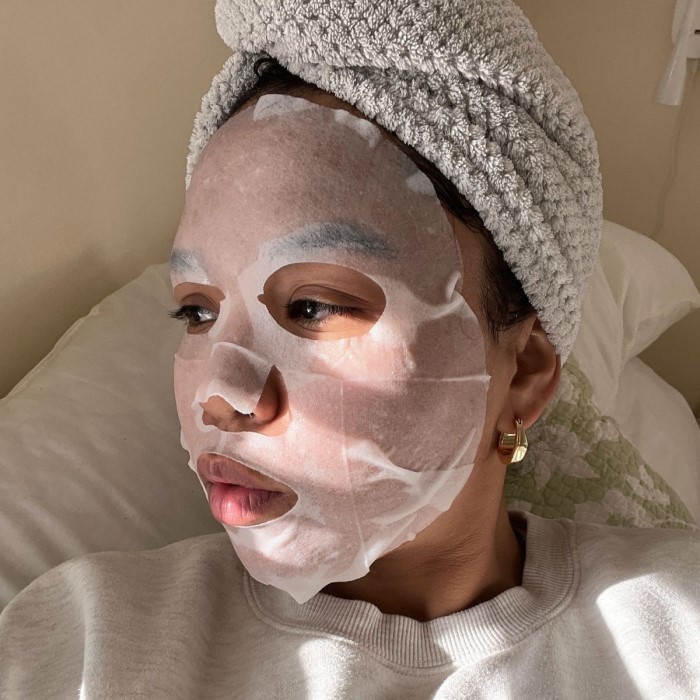
- Glycerin is a humectant, which means it has the unique ability to attract moisture from the surrounding environment.
- When applied to the skin, glycerin effectively pulls water molecules from the air into the outer layer of the skin, enhancing the skin’s hydration levels.
- Benefits of Increased Hydration:
- This moisture-attracting property leads to a noticeable increase in skin hydration, contributing to a more comfortable and healthy complexion.
- As hydration levels rise, the skin feels softer and more supple, which can improve its overall appearance and texture.
- Optimal hydration can also aid in maintaining the skin’s elasticity, helping to reduce the appearance of fine lines and dryness.
Suitability for All Skin Types
- Gentle on Skin:
- Glycerin is widely recognized for its non-irritating properties, making it suitable for use on all skin types, including sensitive skin.
- Because it does not cause irritation or adverse reactions, it is a safe choice for those who may be prone to skin sensitivities.
- Versatility in Skincare Formulations:
- Its gentle nature and effective moisturizing abilities have made glycerin a popular ingredient in a variety of skincare products, ranging from creams and lotions to serums and cleansers.
- Consumers can trust glycerin to deliver hydration without compromising skin integrity, making it a go-to ingredient for many skincare routines.
3. Aloe Vera
Aloe vera is a popular natural ingredient in hydrating facial mask due to its unique properties.
- Soothing Effects: Aloe vera is known for its soothing capabilities, helping to reduce redness and irritation. This makes it particularly beneficial for sensitive skin or post-sun exposure.
- Hydration Power: The gel-like consistency of aloe vera contains a significant amount of water and essential vitamins and minerals that promote moisture and nourishment in the skin.
Additional Beneficial Ingredients
1. Shea Butter
Shea butter is another staple in hydrating formulations and provides deep moisturizing effects.
- Rich in Nutrients: Packed with vitamins A, E, and F, shea butter nourishes and moisturizes the skin, forming a barrier to lock in moisture and prevent water loss.
- Anti-Inflammatory Properties: Shea butter is known for its anti-inflammatory benefits, helping to soothe irritated skin and promote healing.
2. Plant Oils
Various plant oils are commonly included in hydrating facial mask, offering numerous benefits.
- Examples of Oils: Jojoba oil, argan oil, and marula oil are popular choices. These oils are rich in fatty acids that mimic the skin’s natural oils, providing essential nutrients while helping to maintain hydration levels.
- Barrier Function: The fatty acids found in plant oils can enhance the skin barrier, reducing transepidermal water loss (TEWL) and helping to keep the skin hydrated.
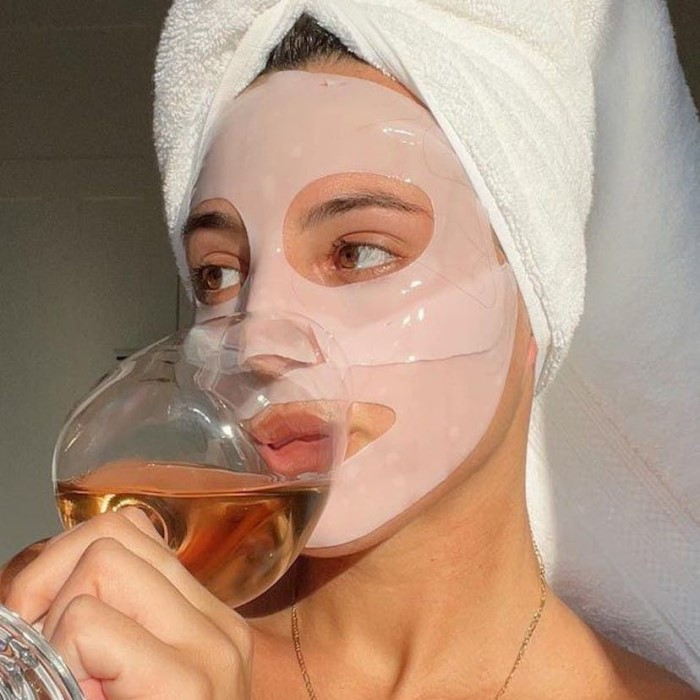
How to Use Hydrating Facial Masks
1. Application Tips
To ensure the best results, proper application of hydrating facial mask is essential.
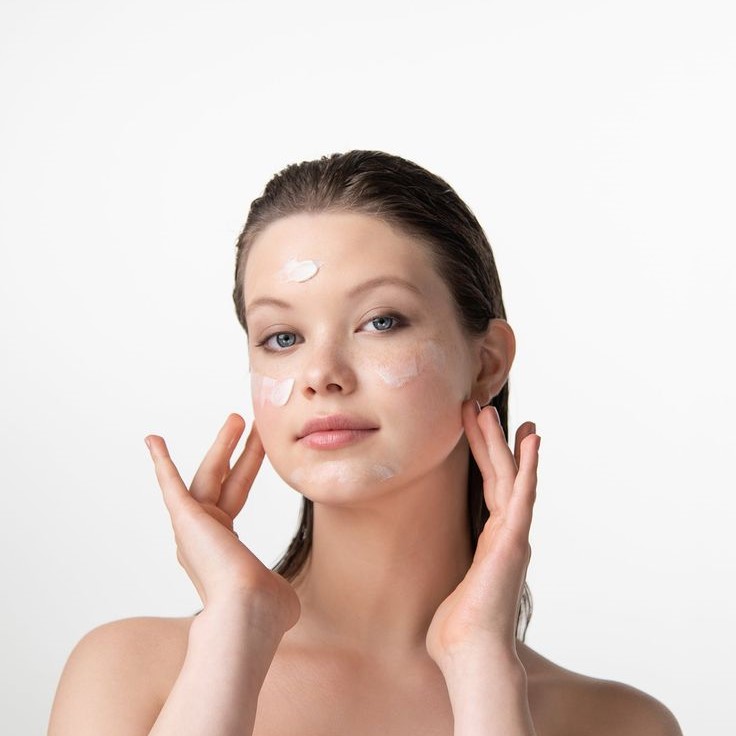
- Start with Cleansed Skin: Cleanse your face thoroughly to remove any dirt, makeup, and excess oil. This ensures better absorption of the mask’s ingredients.
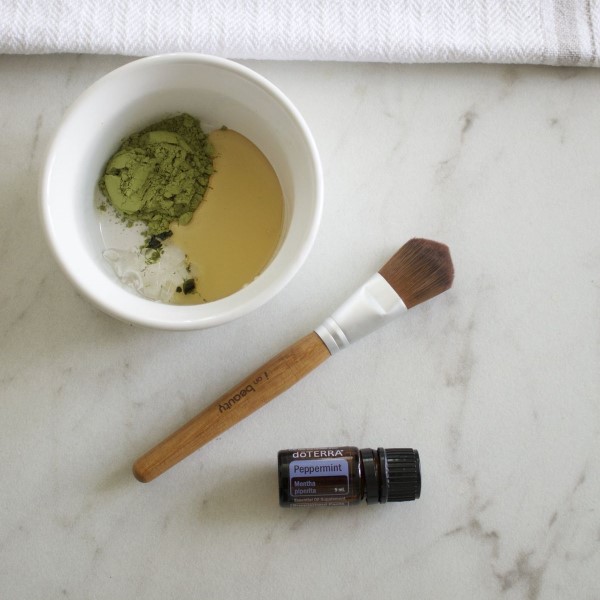
- Even Coverage: Use clean fingers or a facial brush to apply an even layer of the mask. Avoid the eye and lip areas to prevent irritation.
2. Timing for Optimal Results
The duration for keeping the mask on is crucial for effectiveness.
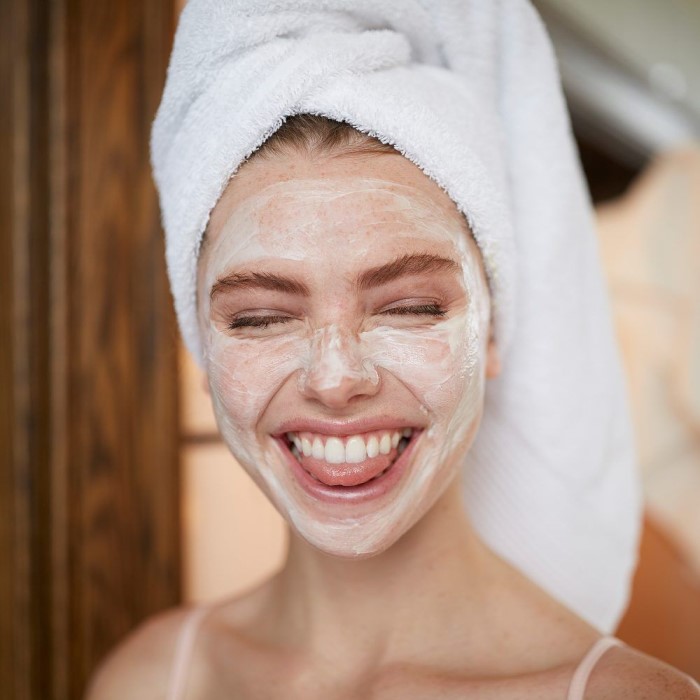
- Recommended Time: Most hydrating masks should be left on for about 10 to 20 minutes, depending on the product’s instructions. Monitor your skin; if it starts to feel uncomfortable, remove the mask sooner.
- Gentle Removal: Rinse the mask off with lukewarm water. Afterward, pat your face dry and follow with a moisturizer to lock in the hydration that the mask has provided.
Integrating Hydrating Facial Masks into Your Skincare Routine
1. Frequency of Use
Finding the right frequency for using hydrating facial mask can maximize their benefits.
Skin Type Considerations
- Dry or Dehydrated Skin:
- For individuals with dry or dehydrated skin, it is recommended to use facial masks 2 to 3 times a week.
- This frequency helps to deliver essential hydration, replenishing moisture levels and improving overall skin texture.
- Ingredients in these masks should focus on hydrating agents to ensure maximum benefits.
- Oily Skin Types:
- Those with oily skin should limit mask usage to once a week.
- Using masks too frequently can lead to excessive moisture buildup, potentially exacerbating oiliness and leading to breakouts.
- Masks formulated specifically for oily skin can help balance sebum production while still providing necessary care.
Seasonal Adjustments
- Seasonal Changes:
- It’s essential to adjust your mask routine based on seasonal changes and your skin’s current condition.
- For example, during the winter months, skin tends to become drier due to lower humidity levels in the air.
- Increased Usage in Winter:
- To combat dryness experienced in winter, consider using hydrating masks more frequently during this season, possibly increasing usage to 2 to 3 times a week, similar to the recommendations for dry skin.
- This adjustment will help maintain moisture levels and keep the skin looking healthy and vibrant, even in harsh weather conditions.
2. Pairing with Other Skincare Products
Combining hydrating masks with other products can enhance your skincare routine.
- Exfoliation: Consider using a gentle exfoliating product before applying a hydrating mask. This will help remove dead skin cells and allow for better absorption of the mask.
- Moisturizers: After rinsing off the mask, always apply a good quality moisturizer. This will help seal in the hydration and provide additional nourishment to the skin.
Frequently Asked Questions
Which face mask is best for hydration?
The best hydrating face masks typically contain ingredients like hyaluronic acid, glycerin, aloe vera, and shea butter. These ingredients help restore moisture and improve the skin’s overall appearance.
Are hydrating face masks good?
Yes, hydrating face masks are excellent for providing an extra boost of moisture to the skin. They can improve skin texture, reduce the appearance of dryness, and offer calming effects for irritated skin.
Can I use a hydrating face mask daily?
While hydrating masks are gentle, using them daily may not be necessary for most skin types. Generally, using hydrating masks 1 to 3 times a week is recommended to maintain optimal hydration.
Conclusion: The Essential Role
In conclusion, hydrating facial masks are an invaluable addition to your skincare regimen for achieving and maintaining healthy, radiant skin. The right combination of ingredients, such as hyaluronic acid, glycerin, aloe vera, and plant oils, work together to restore moisture levels and improve skin vitality.
Understanding the benefits and proper usage of these masks enables you to maximize their effects. As you navigate your skincare journey, incorporating hydrating facial mask into your routine will undoubtedly lead to more supple, glowing skin. Make these hydrating masks a staple in your skincare arsenal as you embrace the journey to healthier skin in 2026 and beyond.