Trending Probiotic Skin Care Products You Need to Try This Year
Introduction
The beauty and skincare industries have seen a remarkable evolution in recent years, particularly with the rise of probiotic skin care. As consumers become increasingly aware of the importance of ingredients that support skin health, probiotic formulations have gained a significant following. Probiotics, which are live bacteria and yeasts beneficial for health, not only support digestion but also play a pivotal role in skincare. By promoting a balanced skin microbiome, these ingredients help combat various skin issues—from dryness and irritation to acne and aging. In this article, we will explore the trending probiotic skin care products of 2026, highlighting their ingredients, benefits, and how they can elevate your skincare routine.
The Science Behind Probiotics in Skin Care
1. What Are Probiotics?
Probiotics are defined as live microorganisms that, when applied in adequate amounts, confer health benefits to the host. In the context of skin care, they help maintain a healthy balance of bacteria on the skin.
- Microbiome and Skin Health: The skin houses a complex ecosystem of bacteria, fungi, and viruses known as the skin microbiome. A balanced microbiome is essential for maintaining skin health and preventing issues such as acne, eczema, and rosacea.
- Support for the Skin Barrier: Probiotics contribute to the skin barrier function, which protects against environmental stresses and pathogens. A robust skin barrier aids in retaining moisture and preventing dryness.
2. Benefits of Probiotic Skin Care Products
Research has shown that incorporating probiotics into skincare leads to numerous benefits, including:
- Improved Hydration: Probiotics enhance the skin’s ability to retain moisture, leading to increased hydration levels. This is particularly beneficial for those with dry or sensitive skin.
- Reduced Inflammation: Probiotics have anti-inflammatory properties that can soothe irritated skin. They can alleviate conditions like redness and swelling, making them ideal for sensitive or acne-prone skin.
- Enhanced Skin Clarity: By promoting a balanced microbiome, probiotics help reduce the occurrence of breakouts and improve overall skin tone.

Trending Probiotic Skin Care Products
1. Probiotic Face Masks
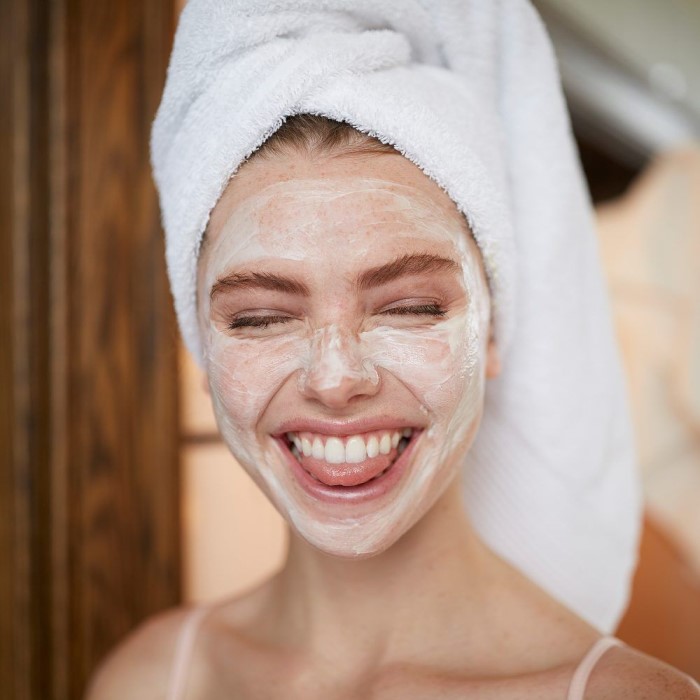
One of the most popular formats for probiotic skin care is the face mask. These masks deliver a concentrated dose of probiotics and often include other skin-nourishing ingredients.
- Instant Benefits: Many users report an immediate improvement in skin texture and hydration after using probiotic masks.
- Top Brands to Try: Some notable options include the Dr. Jart+ Dermask Water Jet Vital Hydra Solution and Tula Skincare’s Pro-Glycolic 10% pH Resurfacing Gel Mask, which combines probiotic technology with other beneficial ingredients like glycolic acid.
2. Probiotic Serums
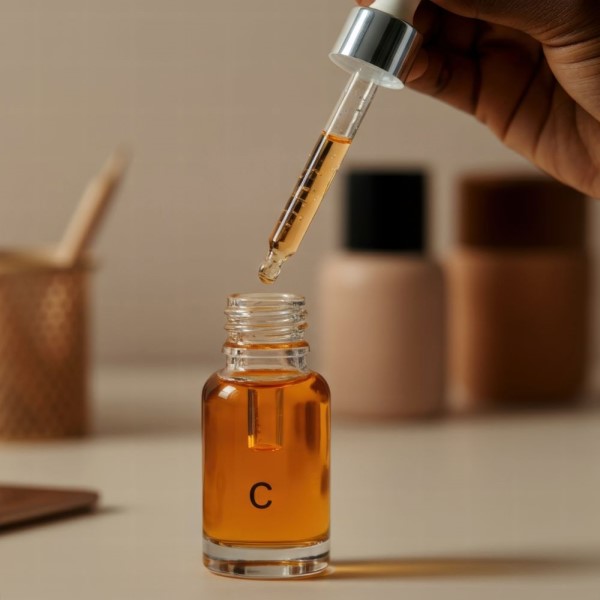
Serums enriched with probiotics are increasingly popular due to their lightweight texture and high potency.
- Concentrated Formulas: Serums often contain a higher concentration of probiotics, allowing for deeper penetration into the skin layers.
- Recommended Products: The Algenist Genius Liquid Collagen combines probiotics with collagen to enhance elasticity while providing hydration. Another excellent option is Murad’s Pure Skin Clarifying Collection, which features a powerful probiotic complex to help balance and clear the skin.
3. Probiotic Creams and Moisturizers
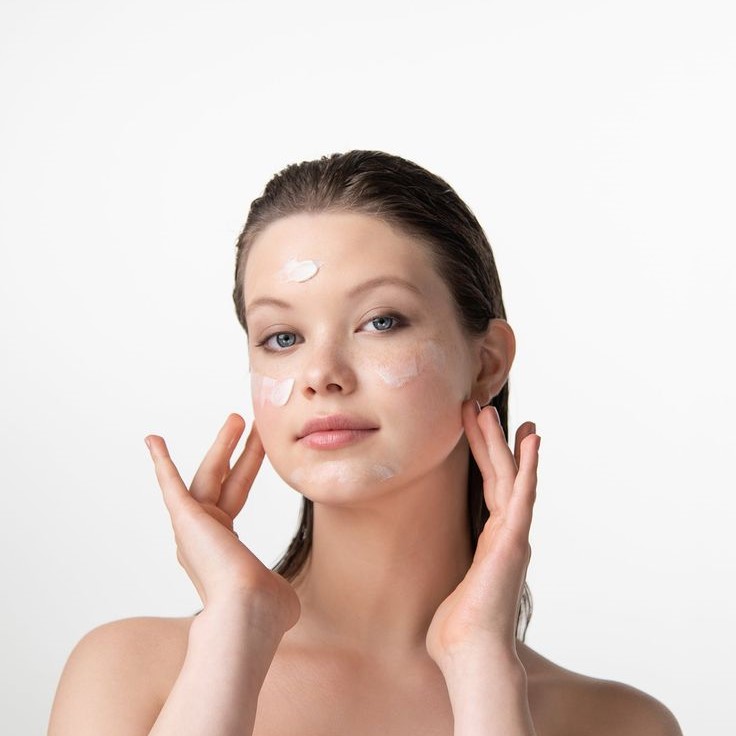
Probiotic-infused moisturizers deliver hydration while supporting the skin’s microbiome.
- Everyday Hydration: Using a moisturizer with probiotics daily can sustain hydration throughout the day, preventing dryness and maintaining balance.
- Popular Choices: Look for brands like Tula Skin Care, which offers a Pro-Glycolic 10% pH Resurfacing Gel, or Naturopathica, known for its Burdock Root Cream, combining probiotic effects with deep moisturization.

4. Probiotic Cleansers
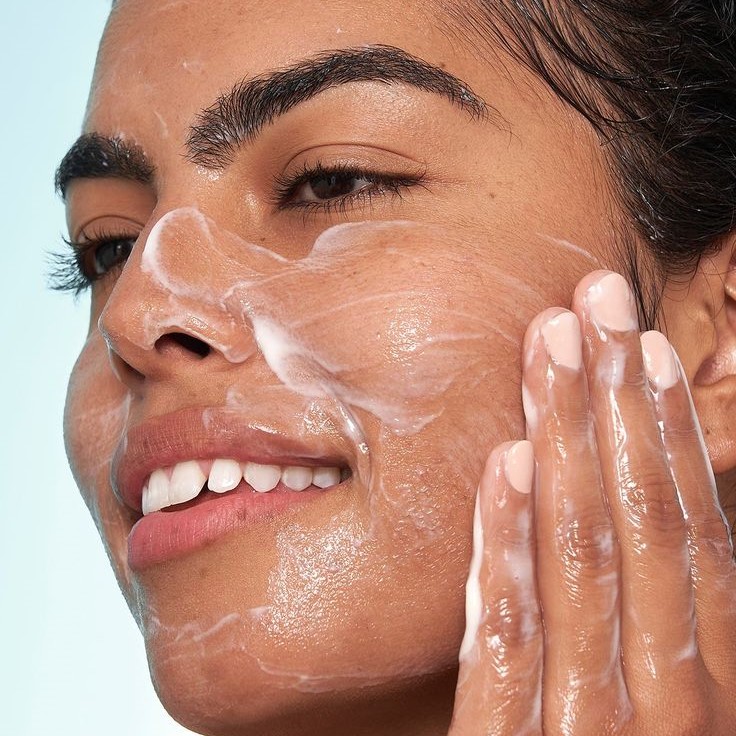
Cleansers infused with probiotics are an excellent addition to any skincare regimen. They allow for gentle cleansing while still respecting the skin’s microbiome.
- Gentle Yet Effective: Probiotic cleansers help remove dirt and impurities without disrupting the skin barrier.
- Brands to Watch: Consider the Eminence Organic Skin Care Clear Skin Cleanser, which features probiotics that help prevent breakouts while calming inflammation.
How to Incorporate Probiotic Skin Care Products
1. Build a Layered Routine
Incorporating probiotic skin care products requires creating a routine that layers products effectively.
- Start with a Cleanser: Begin your skincare routine with a probiotic cleanser to remove impurities. This prepares your skin to absorb subsequent products.
- Follow with a Serum: After cleansing, apply a probiotic serum to target specific skin concerns and deliver potent ingredients directly to your skin.
- Moisturize: Finish with a moisturizer that contains probiotics for lasting hydration and protection.
2. Frequency of Use
Understanding how often to use probiotic products is important for achieving the best results.
Consistency is Key
- Importance of Regular Use:
- To achieve significant benefits from probiotic products, consistency in application is essential.
- Regularly incorporating these products into your skincare routine helps to establish and maintain a balanced skin microbiome, which is crucial for overall skin health.
- Probiotic Serum Application:
- Using a probiotic serum daily can lead to meaningful improvements in various aspects of skin health, such as hydration, tone, and texture.
- Users may notice enhanced skin radiance and a reduction in issues like acne or irritation with consistent use over time.
- It’s advisable to integrate the serum in the morning and/or evening routine for best results.
Masks and Treatments
- Frequency of Use:
- Probiotic masks can be incorporated into the skincare regimen 1-2 times a week, depending on individual skin needs and concerns.
- This allows users to enjoy the benefits of probiotics, such as soothing irritation and enhancing skin barrier function, without overloading the skin.
- Adjusting for Skin Type:
- The frequency of mask application should be adjusted based on skin type:
- Dry Skin: Individuals with dry skin may benefit from using probiotic masks more frequently (up to twice a week) to maintain hydration and nourishment.
- Oily Skin: Those with oily skin may find that less frequent use (once a week) is sufficient to avoid excessive moisture buildup and manage oiliness.
- It’s important for users to listen to their skin and adjust usage accordingly, ensuring optimal results without irritation.
- The frequency of mask application should be adjusted based on skin type:
The Future
1. Innovations on the Horizon
As interest in probiotic skin care continues to grow, expect to see more innovative products entering the market.
- Advanced Formulations: Future products may combine probiotics with other advanced technologies, such as peptides and growth factors, to enhance effectiveness.
- Greater Personalization: Brands might focus more on personalized skincare routines that factor in individual microbiomes for tailored treatments.
2. Sustainability and Ethics
Consumers are increasingly demanding ethical and sustainable practices in the beauty industry.
Eco-Friendly Brands
- Importance of Sustainability: In recent years, there has been a significant shift in consumer preferences towards brands that prioritize sustainability. Eco-friendly brands focus on minimizing their environmental impact while delivering high-quality products. This trend reflects a growing awareness of the importance of protecting the planet.
- Sustainable Practices: Many eco-friendly brands are adopting green practices throughout their production processes. This includes using renewable energy sources, implementing waste reduction strategies, and choosing environmentally responsible materials for their products.
- Eco-Friendly Packaging: One of the most visible aspects of eco-friendly brands is their commitment to packaging. Many companies are now utilizing biodegradable, recyclable, or reusable packaging to reduce plastic waste. This not only benefits the environment but also appeals to environmentally-conscious consumers.
- Maintaining Quality: A common misconception is that eco-friendly products compromise on quality. Many brands are proving that sustainability can go hand in hand with high quality. They invest in research and development to ensure their products meet the performance expectations of consumers while still adhering to eco-friendly values.
- Brand Examples: Consumers can find a variety of eco-friendly brands across different product categories. Notable examples include skincare brands like Naturopathica or 100% Pure, which focus on natural ingredients and sustainable packaging. These brands are gaining popularity as they appeal to a market increasingly interested in ethical consumption.
Transparency
- The Rise of Consumer Education: As awareness about environmental issues and ethical practices grows, consumers are becoming more educated about the brands they support. This shift has led to a demand for greater transparency in the beauty and wellness industries.
- Expectations for Transparency: Today’s consumers expect brands to be upfront about their sourcing practices. They want to know where ingredients come from, how they are sourced, and whether ethical labor practices are employed. Transparency in sourcing can build trust and credibility between consumers and brands.
- Formulation Disclosure: Additionally, consumers are interested in understanding the formulations used in their products. Brands that openly share information about the ingredients they use—especially if they are natural or organic—tend to attract more loyal customers.
- Ethical Practices: Transparency also extends to a brand’s overall ethical practices. Consumers are increasingly interested in how companies operate, including their commitment to fair trade, cruelty-free practices, and sustainable business models. Brands that highlight their ethical stances often resonate with consumers seeking to support responsible businesses.
- Engagement and Communication: Brands that successfully communicate their values and practices through social media, websites, and packaging often thrive. Transparency fosters a connection with consumers, encouraging them to make informed purchasing decisions based on shared values.

Frequently Asked Questions
Are probiotics good for skin care?
Yes, probiotics are beneficial for skin care. They help maintain a healthy balance of skin bacteria, reduce inflammation, improve hydration, and can lead to clearer, healthier skin.
Do probiotics give you clear skin?
Probiotics can help promote clearer skin by balancing the skin microbiome and preventing the overgrowth of acne-causing bacteria. Many users report a decrease in breakouts with regular use of probiotic skin care products.
How long does it take for probiotics to clear skin?
While results can vary, many users start to see improvements in skin clarity within a few weeks of consistent use. However, individual results may differ based on skin type and concerns.
Conclusion
In conclusion, probiotic skin care products are transforming the beauty landscape in 2026, offering a holistic approach to maintaining healthy, radiant skin. The remarkable benefits of these products stem from their ability to balance the skin microbiome while providing essential hydration, calming irritation, and promoting overall skin health.
By incorporating trending probiotic products into your skincare routine, you can unlock a new level of skin vitality. As the science behind probiotics evolves, consumers will continue to benefit from innovative formulations that cater to a wide range of skin types and concerns. Make the switch to probiotic skin care and elevate your beauty routine today for a healthier complexion tomorrow.