How to Fix Frizzy Hair: Natural Oils and Treatments That Work
Introduction: Understanding Frizzy Hair
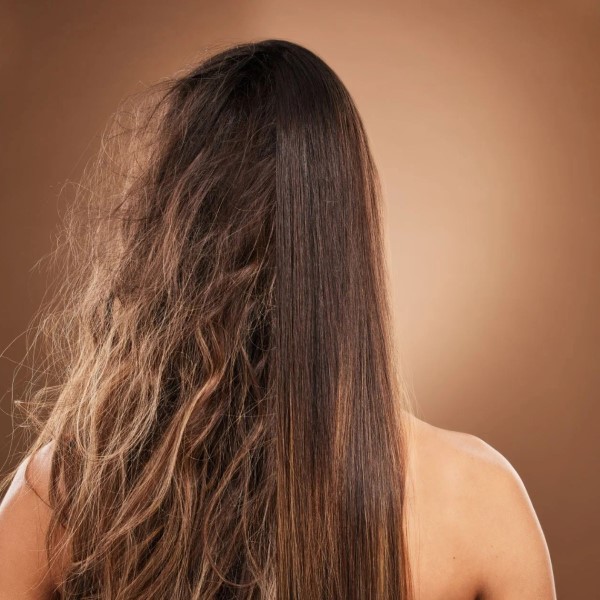
Frizzy hair can be a major source of frustration for many individuals. Whether your hair is naturally curly, wavy, or straight, the appearance of frizz can make it look unkempt and dull. When you ask, “how to fix frizzy hair?” you’re not just looking for quick fixes. You need effective solutions that will tackle the root causes and restore your hair’s health and shine.
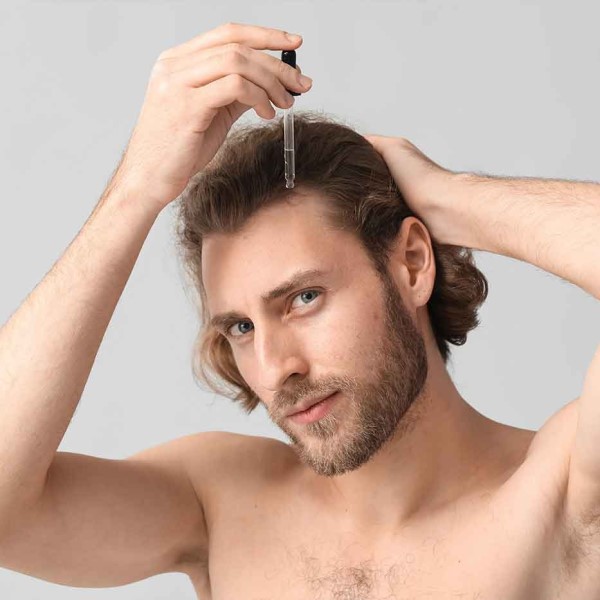
Frizziness often arises from damage, lack of moisture, and environmental factors. Fortunately, natural oils and treatments provide excellent alternatives to harsh chemicals found in many commercial products. In this article, we will dive deeper into how to fix frizzy hair using a range of natural methods and oils that truly work, as well as provide you with insights into maintaining healthy locks.
The Science Behind Frizzy Hair
Understanding the science behind frizzy hair is crucial. Frizz occurs when your hair’s cuticle becomes raised, leading to a rough texture. This raised cuticle allows moisture to escape, making hair appear dry and frizzy. Several factors contribute to this condition:
- Humidity: High humidity can cause the hydrogen bonds in your hair to break. This leads to the cuticle expanding and frizz forming.
- Damage: Heat styling, chemical treatments, and environmental stressors can weaken the hair structure. It makes the hair more susceptible to frizz.
- Lack of Moisture: Dry hair is one of the main culprits behind frizz. When the hair lacks moisture, it becomes brittle and more prone to frizzing.
By understanding these underlying causes, you can better address them and choose the right natural oils and treatments for management.
Natural Oils That Help Fix Frizzy Hair
How to fix frizzy hair? Natural oils are remarkable for their ability to nourish, moisturize, and protect hair. Below, we will explore some effective natural oils that can help you fix frizzy hair.
1. Coconut Oil
- Benefits: Coconut oil is rich in fatty acids, which penetrate the hair shaft and provide moisture. It helps close the cuticle, reducing frizziness.
- Usage: Apply virgin coconut oil to clean, damp hair. Use it as a pre-shampoo treatment or a leave-in conditioner for best results.
2. Argan Oil
- Benefits: Often referred to as “liquid gold,” argan oil is packed with antioxidants and vitamin E, which nourish and protect hair from damage. It also smooths the hair cuticle to reduce frizz.
- Usage: Use a few drops of argan oil on dry or damp hair, focusing on the ends. This will add moisturize and shine while combating frizz.
3. Jojoba Oil
- Benefits: Jojoba oil closely resembles the natural oils produced by the scalp. It hydrates hair and helps regulate sebum production, preventing excessive dryness.
- Usage: Massage a small amount into your scalp and hair before shampooing or apply it after styling to control flyaways.
4. Olive Oil
- Benefits: Olive oil is an excellent deep conditioner that provides hydration and nourishment. It helps repair damaged cuticles, preventing frizz.
- Usage: Apply warm olive oil to your hair, covering it with a shower cap. Leave it on for at least 30 minutes before washing it out.
5. Avocado Oil
- Benefits: Packed with vitamins D and E, avocado oil strengthens the hair and improves elasticity, helping to combat frizz over time.
- Usage: Use it in your own DIY hair masks or as a styling oil. Apply to ends and avoid the scalp if you have oily hair.

Effective Treatments for Frizzy Hair
How to fix frizzy hair? In addition to natural oils, other treatments can help manage and fix frizzy hair. These treatments may include:
1. Deep Conditioners and Masks
- Importance: Regular deep conditioning sessions are vital for replenishing moisture. Look for products that contain ingredients like shea butter or natural oils.
- How to Use: Apply a deep conditioner to clean, damp hair. Cover your hair with a shower cap and let it sit for 20-30 minutes before rinsing.
2. Leave-In Conditioners
- Benefits: Leave-in conditioners are excellent for keeping hair hydrated throughout the day. They can help seal moisture and provide ongoing protection against humidity.
- How to Use: Apply a leave-in conditioner to damp hair, focusing on ends. Style as usual, and reapply if needed during the day.
3. Heat Protection Products
- Importance: Protecting your hair from heat damage is crucial to preventing frizz. Look for heat protection sprays that nourish and shield hair before styling.
- How to Use: Spray on clean, dry hair before using heat styling tools like blow dryers or flat irons.
Lifestyle Changes for Healthy Hair
Beyond using products, implementing certain lifestyle changes can help you manage frizzy hair more effectively:
Hydration
- Importance of Water: Staying hydrated is essential not just for overall health but also for the health of your hair. Hair follicles thrive on moisture and proper hydration enhances their strength and resilience.
- Daily Water Intake: Aim to drink at least 8-10 cups (64-80 ounces) of water daily to keep your body and hair hydrated. Hydration levels can vary based on activity, climate, and individual needs, so listen to your body.
- Signs of Dehydration: Lack of adequate hydration can lead to dry, brittle hair that is more prone to breakage and frizz. Other signs may include dry skin and fatigue, indicating that your body needs more water.
- Incorporating Hydration: Include hydrating foods in your diet, such as fruits and vegetables with high water content, like cucumbers, watermelon, and oranges. These contribute to your overall fluid intake.
Balanced Diet
- Role of Nutrition: A balanced diet rich in essential vitamins and minerals supports overall health and helps promote vibrant, strong hair. Proper nutrition provides the building blocks needed for healthy hair production.
- Vitamins for Hair Health:
- Vitamin A: Supports healthy sebum production in the scalp, which is crucial for keeping hair moisturized.
- B Vitamins: Especially biotin, help increase hair strength and overall growth.
- Vitamin C: Aids in the absorption of iron and promotes collagen production, which is necessary for hair structure.
- Vitamin E: Acts as an antioxidant, helping to reduce oxidative stress on hair follicles.
- Essential Minerals:
- Iron: Essential for oxygen transport to hair follicles. A deficiency can lead to hair loss.
- Zinc: Plays a vital role in tissue growth and repair, which promotes hair health.
- Omega Fatty Acids: Include sources of omega-3 and omega-6 fatty acids, such as fish, flax seeds, and walnuts. These fats strengthen hair and contribute to a healthy scalp.
Gentle Hair Care
- Using the Right Tools: When your hair is wet, it is more fragile and prone to breakage. Using a wide-tooth comb allows you to detangle hair gently without causing damage.
- Combing Technique: Start from the tips and gradually work your way up to the roots. This minimizes tugging and pulling, which can lead to breakage.
- Towel Drying: Aggressive towel drying can create friction and cause hair to frizz. Instead, gently pat your hair dry to avoid damage.
- Alternative Drying Options: Use microfibre towels, which are softer and cause less friction, or opt for a soft cotton shirt. These alternatives absorb moisture effectively while being gentle on the hair.
- Limiting Heat: If possible, let your hair air dry. If you must use heat styling tools, apply a heat protectant spray to minimize damage.
Regular Trims
- Preventing Split Ends: Scheduling regular trims every 6-8 weeks helps eliminate split ends, which are often responsible for frizz and breakage. Removing damaged ends encourages healthier hair growth.
- Establishing a Routine: Develop a trimming schedule that works for you based on your hair type and growth rate. Seek the advice of your stylist for personalized recommendations.
- Signs You Need a Trim: If your hair feels dry, appears frizzy, or has visible split ends, it’s time to schedule a trim. Early intervention can prevent more significant damage and promote healthier-looking hair.
- Maintaining Style: Regular trims also help maintain your hairstyle, ensuring that it thrives and looks fresh. Proper maintenance keeps your hair looking neat and well-groomed.
FAQs About Fixing Frizzy Hair
- How do I stop my hair from frizzing?
- To stop frizz, use moisture-rich products like leave-in conditioners and natural oils, and avoid heat styling when possible.
- How to repair frizzy hair?
- Repair frizzy hair with regular deep conditioning treatments, hydrating oils, and by minimizing damage from heat styling tools.
- What are the main causes of frizzy hair?
- The main causes of frizzy hair include humidity, lack of moisture, heat damage, and environmental factors.
- Can frizzy hair be saved?
- Yes, frizzy hair can be saved with the right treatments, regular maintenance, and lifestyle changes that prioritize hydration and damage prevention.
Conclusion: Embrace Smooth and Healthy Hair
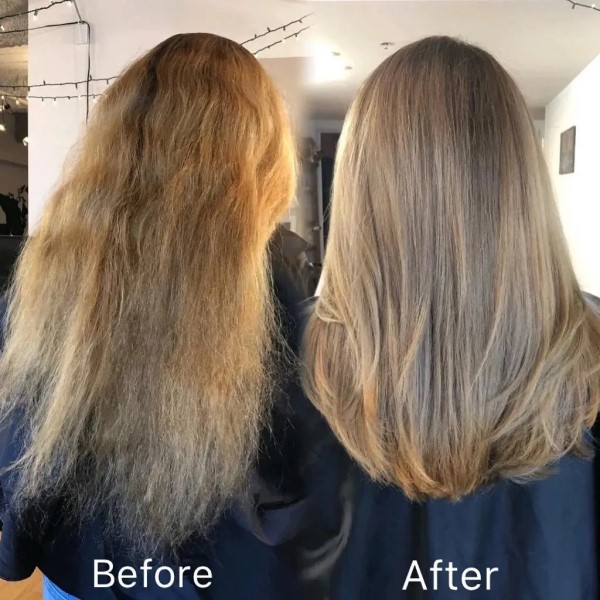
Learning how to fix frizzy hair is essential in your pursuit of manageable locks. By incorporating natural oils, effective treatments, and healthy lifestyle habits into your routine, you can significantly improve the texture and appearance of your hair. Remember to be patient, as it might take some time to see results.
In summary, keep your hair hydrated, nourish it with natural oils, and protect it from damage. As you embark on your journey toward smoother hair, you will be amazed at the transformation. With dedication, anyone can achieve healthy, beautiful hair free from frizz. Keep these tips in mind, and take action now to enjoy the benefits!
This comprehensive guide aims to provide valuable insights on fixing frizzy hair, enhancing visibility on search engines, and increasing click-through rates for the linked content.