Shag Cut: Pros and Cons to Consider Before the Big Chop
Contents
hide
The Timeless Appeal of the Shag Cut
The world of hair fashion is always changing. Trends come and go with the seasons. However, some styles have incredible staying power. The shag cut is one of those iconic looks. It has survived for decades. It remains a popular choice for many people today. This haircut is famous for its choppy layers and textured ends. It creates a look that is both edgy and effortless. Consequently, it appeals to those seeking a low-maintenance vibe. But is it truly low maintenance? Many people assume it is easy to manage. Yet, the reality can be quite different. Therefore, understanding the style is crucial before you commit.
You must consider your hair type and daily routine. This article will guide you through the important details. We will explore the good and the bad. You will learn what makes this cut unique. Furthermore, you will discover if it suits your face shape. The shag cut offers a distinct aesthetic. It brings volume and movement to the hair. However, it also requires specific styling techniques. You need to know these facts. This ensures you make an informed decision. So, let’s dive into the world of shags. We will uncover the truth behind the trend. By the end, you will know if the big chop is right for you.
A Journey Through the History of the Shag
The shag haircut has a rich and vibrant history. It did not just appear overnight. In fact, it rose to fame in the 1970s. This was an era of freedom and expression. People wanted hair that moved. They wanted styles that felt natural. Therefore, the shag became an instant hit. It was seen on celebrities like Mick Jagger. It was also popularized by Farrah Fawcett. Her feathery version became legendary. The style symbolized rebellion. It broke away from the sleek, stiff looks of the past. Consequently, it was adopted by the rock and roll crowd. It carried a cool, effortless attitude.
- The 70s Revolution: The original shag was all about volume. It featured heavy layers. These layers framed the face perfectly. The goal was a “lived-in” look. Men and women both embraced the style. It was unisex in its appeal.
- The 90s Revival: The shag returned in the 90s. However, it was slightly different. It became known as “The Rachel.” Jennifer Aniston made this layered look famous. It was more structured than the 70s version. Yet, it relied on the same principles of layering.
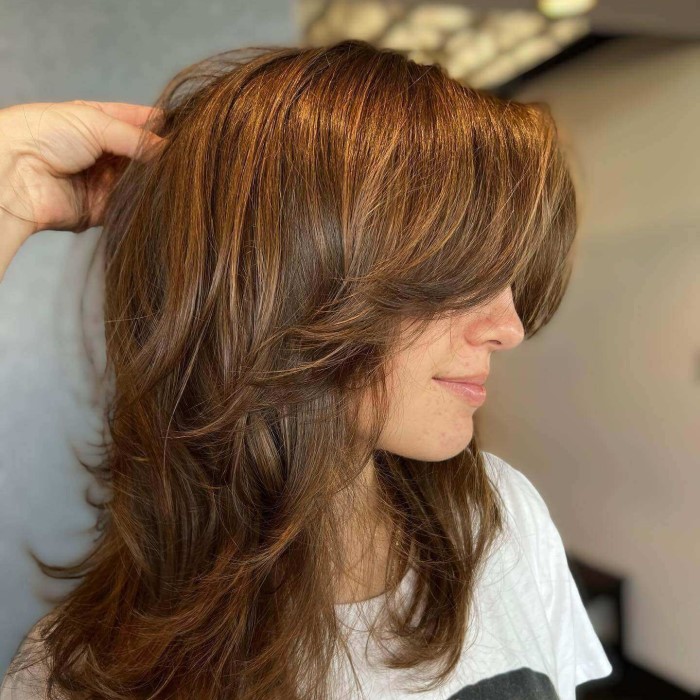
- The Modern Era: Today, the shag is back again. It has evolved into a modern masterpiece. It is now often called the “modern shag.” It incorporates current trends like curtain bangs. It also works well with wavy and curly hair textures. This modern version is softer. It is more blended than its predecessors.
Understanding this history helps you appreciate the cut. It is not just a trend. It is a classic style that adapts. Therefore, it remains relevant.
Who Can Wear a Shag Cut?
One of the best things about this style is its versatility. Many people think it only works for straight hair. This is a common misconception. In reality, the shag works with almost every hair texture. It looks fantastic on wavy hair. It enhances natural curls.
However, the technique must change. A stylist needs to customize the cut.
- Wavy Hair: This texture is perfect for a shag. The layers enhance the natural wave pattern. Consequently, you get a beachy look without much effort. It reduces bulk at the bottom. This creates a balanced silhouette.
- Curly Hair: Curly hair benefits greatly from this cut. It removes the heavy weight. Therefore, the curls spring up. They become bouncier and more defined. The shag shape also compliments the natural volume of curls. It prevents the dreaded “triangle” shape.
- Fine Hair: Do you have fine hair? The shag can be a lifesaver. It creates an illusion of density. Shorter layers add lift at the crown. This makes the hair appear thicker. It gives much-needed movement to flat hair.
- Thick Hair: Thick hair can be heavy. The shag removes this weight. It thins out the bulk. This makes the hair more manageable. You will feel lighter and cooler.
The cut also suits various face shapes. Round faces benefit from longer layers. These layers elongate the face. Square faces look softer with textured ends. The layers soften the jawline. Therefore, almost anyone can wear it. You just need the right variation.
The Pros of Getting a Shag Cut
There are many reasons to love this haircut. It offers numerous benefits. These advantages make it a top choice for many. First, it adds incredible volume. If you struggle with flat hair, this is the solution. The layers stack upon each other. This creates natural lift. Consequently, your hair looks fuller and healthier.
- Movement and Texture: The primary benefit is movement. The hair no longer sits heavy and lifeless. It bounces when you walk. It moves in the wind. This dynamic quality makes the hair look healthy. It also adds instant texture. You do not need products to create grit. The shag cut does it for you.
- Styling Ease: Many find the shag easy to style. It is designed to look a bit messy. Therefore, perfection is not the goal. You can often let it air dry. A bit of texture spray is usually enough. This saves time in the morning. It is perfect for busy lifestyles.
- Versatility: It is a highly versatile cut. You can wear it up. You can wear it down. The messy bun looks great with a shag. The layers falling out give a relaxed vibe. It also works for casual and formal events. You can dress it up with accessories.
- Cool Factor: There is an undeniable “cool” factor. It gives an edge to your look. It looks stylish and modern. It shows you are confident. It is a statement look without being too dramatic.
These pros make the decision easier. The benefits are clear. It improves the look and feel of your hair. It simplifies your routine.
The Cons of Getting a Shag Cut
However, it is not all perfect. There are downsides to consider. You must weigh these carefully. The shag is a high-commitment style in some ways. First, it requires regular maintenance. The shape relies on the layers. As hair grows, the shape changes. The layers lose their structure. Consequently, you need frequent trims. This can be costly. It also requires time.
- The “Growing Out” Phase: Growing out a shag is difficult. It does not grow out evenly. You might get a mullet look. This awkward phase can last months. You will need regular shaping. You might need to cut it shorter to fix it. Be prepared for this journey.
- Morning Routine: While it is low effort for some, it can be high effort for others. You need to style it every day. Sometimes the layers can fall flat. You might need to wash it daily to regain volume. This depends on your hair type. If you have oily hair, the messy look can quickly look greasy.
- Finding the Right Stylist: Not every stylist can shag cut a good shag. It requires specific techniques. It often involves dry cutting. It needs a skilled eye for texture. If a stylist cuts it too bluntly, it will look bad. It will look like a choppy mess. You must find a specialist. This might cost more.
- Weather Dependency: Humidity can be a foe. The texture can turn into frizz. You need good anti-frizz products. Rain can ruin the style instantly. You must be prepared to deal with the elements.
Consider these cons honestly. If you hate salon visits, think twice. If you prefer a wash-and-go look, it might be tricky. Evaluate your lifestyle first.
Styling Your Cut at Home
Styling is key to a great look. You need the right tools. You also need the right products. A good routine makes a huge difference. First, start in the shower. Use a volumizing shampoo. This gives you a solid base. Follow with a lightweight conditioner. Apply it only to the ends. This prevents weighing the roots down.
- Drying Techniques: Air drying is often best. It encourages natural texture. However, you can diffuse curly hair. If you use a blow dryer, use a diffuser attachment. Flip your head upside down. This builds volume at the roots. Do not use a round brush too much. You want to encourage separation, not a blowout look.
- Essential Products: Texturizing spray is your best friend. Use it on damp hair. It adds grit. It helps the layers separate. Sea salt spray is also good. It gives that beachy feel. Avoid heavy serums or oils. They will clump the hair together. You want the hair to look airy.
- Finishing Touches: Once dry, shake it out. Use your fingers to mess it up. Do not use a comb. A comb will make it too neat. You want that “undone” finish. A bit of dry shampoo at the roots adds lift. It keeps the hair fresh all day. A light hold hairspray can lock the look.
Mastering these techniques takes practice. Watch tutorials. Experiment with different products. Find what works for your specific hair type. Once you get the hang of it, it becomes second nature.
Variations of the Modern Shag
The classic shag is not your only option. There are many modern variations. These twists on the original suit different tastes. They also work for different hair lengths. You can choose the one that fits you best.
- The Wolf Cut: This is a very trendy version. It is a mix of a shag and a mullet. It is very choppy. It has shorter layers on top. It keeps the length at the back. It is a wilder, more rebellious look. It is very popular on social media.
- The Bixie: This combines a bob and a pixie. It has the texture of a shag. However, it is much shorter. It sits around the ears. It is perfect for those wanting a short style. It is less maintenance than a long shag. It is chic and sophisticated.
- The Shaggy Lob: A lob is a long bob. Adding shaggy layers to a lob creates a stunning look. It is not as short as a traditional shag. It retains more length. This is great if you are afraid to go too short. It frames the face beautifully. It is a very wearable version.
- Curly Shag: This focuses specifically on curls. The layers are cut to enhance the spiral shape. It often includes curtain bangs. These bangs blend seamlessly into the rest of the hair. It is a fun and bouncy style.
Discuss these options with your stylist. They can recommend the best variation. Think about your comfort level. Consider your face shape. Each variation offers a unique vibe.
FAQ: Common Questions Answered
People often have questions. They want to clarify details. Here are some common queries.
What is the difference between layers and shags?
Layers are a technical term. They refer to cutting hair at different lengths. Layers add volume and remove weight. A shag is a specific style. It uses layers as its main feature. A shag is defined by choppy, messy layers. It usually includes choppy ends and texture. So, all shags have layers. But not all layered cuts are shags. A layered cut can be smooth and sleek. A shag is intentionally textured and messy.
Conclusion: Making the Final Decision
The shag cut is a bold and stylish choice. It offers amazing volume and texture. It can transform your look completely. However, it is not for everyone. You must consider the maintenance. You must think about the styling routine. We have discussed the history. We have looked at the pros and cons. You now know the variations. The shag cut requires confidence. It also needs the right stylist. Do your research before you sit in the chair. Bring photos. Talk to your stylist about your hair type. Be honest about your routine. If you are ready for the commitment, go for it. It is a fantastic way to update your style. It brings a modern edge to your appearance. Good luck with your new look. We hope you love it.