Acne Body Wash: Common Mistakes to Avoid for Best Results
Contents
hide
Understanding the Root Causes of Body Acne
Body acne is a frustrating and common skin condition. It affects millions of people around the world. Consequently, the market for treatments is vast and often confusing. Many individuals rush to buy an acne body wash hoping for a quick fix. However, they often lack understanding of what causes breakouts on the body. Unlike facial acne, body acne has unique triggers. Sweat, friction, and hormones play significant roles. For instance, tight clothing can trap sweat and bacteria against the skin. Therefore, simply washing the area might not be enough. Furthermore, the skin on the body is thicker than the face.
This means it can tolerate stronger ingredients. But it also means it needs specific care to absorb them effectively. Most importantly, users must understand that acne is an inflammatory condition. It is not just a result of dirty skin. Therefore, scrubbing aggressively will often make the situation worse. In this section, we will explore the biological factors. We will also discuss how different lifestyles contribute to the problem. By understanding the root causes, you can choose the right products. You will also use them more effectively.
Mistake #1: Choosing the Wrong Active Ingredients
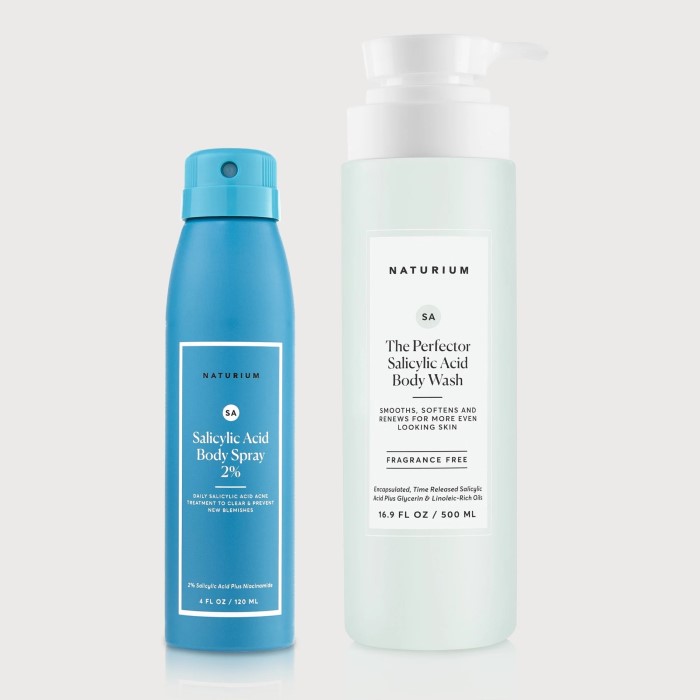
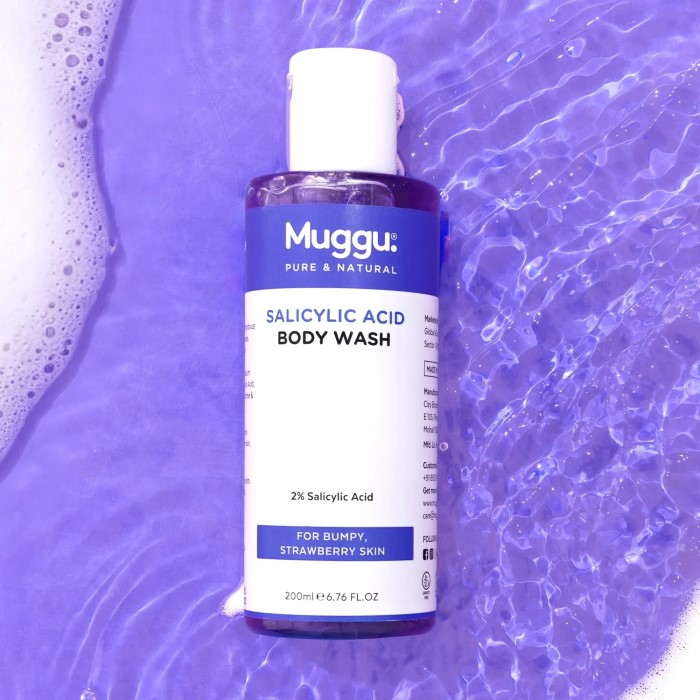
One of the most common errors involves selecting the wrong formula. Not all body washes are created equal. In fact, the active ingredient is the most critical factor. Many shoppers pick a product based on its scent or packaging. Consequently, they end up with a wash that does nothing for their acne. There are two primary ingredients you should look for. First is salicylic acid. This is a beta-hydroxy acid (BHA). It penetrates deep into the pores to dissolve oil and debris. Therefore, it is excellent for blackheads and whiteheads. Second is benzoyl peroxide. This ingredient kills the bacteria that cause acne.
However, it can be drying and bleaching. Choosing between these depends on your specific skin type. If you have sensitive skin, salicylic acid might be better. If you have inflamed, red pimples, benzoyl peroxide could be more effective. Furthermore, many people make the mistake of using harsh physical scrubs. These often contain walnut shells or apricot pits. These particles can cause micro-tears in the skin. As a result, they lead to more inflammation and scarring. Therefore, you should opt for chemical exfoliants instead. They are much gentler and more effective.
Mistake #2: Improper Application and Timing
Even the best acne body wash can fail if used incorrectly. A major mistake is applying the wash and immediately rinsing it off. Most people treat medicated washes like regular soap. They lather up and rinse within seconds. However, active ingredients need time to work. If you rinse too quickly, the medicine does not penetrate the skin. Consequently, you waste the product and see no results. Experts recommend leaving the wash on for at least one to two minutes. This allows the salicylic acid or benzoyl peroxide to absorb. Therefore, you should apply it first in the shower. You can wash your hair or shave while it sits.
Additionally, the water temperature matters significantly. Hot water strips the skin of natural oils. This leads to dryness and irritation. In response, the skin produces more oil to compensate. Thus, the acne cycle continues. You should use lukewarm water instead. Furthermore, the application method is vital. You should use your hands or a soft cloth. Avoid using rough loofahs or sponges. These can harbor bacteria and irritate the skin.
Mistake #3: Overusing the Product and Damaging the Skin Barrier
More is not always better in skincare. This is a dangerous misconception. Many users believe that if a little works, a lot will work faster. Consequently, they wash their bodies with acne products multiple times a day. This approach can severely damage the skin barrier. The skin barrier protects against bacteria and environmental toxins. When you over-cleanse, you strip away this protective layer. As a result, your skin becomes red, flaky, and sensitive. Furthermore, a damaged barrier allows bacteria to enter more easily. This can actually lead to more breakouts. Therefore, moderation is key.
Most dermatologists recommend using an acne body wash once a day. If you have sensitive skin, every other day might be better. You must listen to your skin’s needs. If your skin feels tight after a shower, you are overdoing it. Instead, focus on hydration. You can alternate between a medicated wash and a gentle, moisturizing cleanser. This strategy treats the acne while preserving the skin’s health. Remember, healthy skin is better at fighting acne than irritated skin.
The Importance of Post-Wash Care and Moisturizing
The routine does not end when you turn off the shower. In fact, what you do after cleansing is equally important. A common mistake is skipping body moisturizer. People with acne often fear that lotion will clog their pores. However, medicated body washes are drying by nature. They remove excess oil but also remove necessary moisture. Consequently, the skin can become dehydrated. Dehydrated skin triggers the sebaceous glands to produce more oil. This excess oil can clog pores and worsen acne. Therefore, you must restore hydration immediately. Look for a non-comedogenic moisturizer.
This means it is formulated not to block pores. Ingredients like hyaluronic acid and ceramides are excellent choices. They hydrate without feeling heavy. Furthermore, apply the moisturizer while your skin is still damp. This helps to lock in the water. Additionally, consider using a body spray or treatment on active breakouts. You can find leave-on treatments containing salicylic acid. These provide continuous treatment throughout the day. By combining a wash with proper post-care, you maximize your results.
Ignoring Lifestyle and Environmental Factors
Using an acne body wash is only one part of the equation. Many people treat their skin perfectly but still suffer from breakouts. Often, this is due to overlooked lifestyle factors. For example, your gym habits play a huge role. Sitting in sweaty workout clothes is a primary cause of body acne. The sweat mixes with bacteria and oil. This creates a breeding ground for pimples. Therefore, you must shower immediately after exercising. If you cannot shower, change into clean, dry clothes right away. Furthermore, your laundry detergent might be the culprit. Harsh detergents with fragrances can irritate the skin.
This contact dermatitis can look like acne. Consequently, switching to a hypoallergenic detergent can help. Additionally, consider your bedding. Sheets and pillowcases accumulate dead skin and oil over time. You should wash them at least once a week. This prevents the transfer of bacteria back to your skin. Finally, diet plays a role for some individuals. High-sugar and high-dairy diets have been linked to acne in some studies. Identifying your personal triggers can improve your skin health.
When to Stop Self-Treatment and See a Professional
Over-the-counter products are effective for mild to moderate acne. However, they are not a cure-all. Many people waste time and money on products that are too weak for their condition. If you have been using an acne body wash for several weeks without improvement, it is time to see a doctor. Furthermore, deep, painful cysts require professional intervention. These types of acne often require prescription medication. Oral antibiotics or isotretinoin may be necessary. Additionally, severe acne can lead to permanent scarring. A dermatologist can provide treatments to prevent this.
They might suggest chemical peels or laser therapy. These procedures can improve both the acne and the texture of the skin. Do not wait until your skin is scarred to seek help. Moreover, sometimes what looks like acne is actually something else. Folliculitis, for example, is an infection of the hair follicles. It looks very similar to acne but requires different treatment. A professional can give you a proper diagnosis. Therefore, knowing when to seek help is a sign of skin maturity.
Building a Sustainable Routine for Clear Skin
Achieving clear skin is a marathon, not a sprint. It requires consistency and patience. Many people try a product for a week and give up. However, skincare products take time to work. You should commit to a routine for at least four to six weeks. This is the skin cell turnover cycle. Only then can you truly judge a product’s effectiveness. Start with a basic routine. Use your acne body wash once daily. Follow it with a lightweight moisturizer. Additionally, incorporate weekly habits. Change your sheets regularly and wear breathable fabrics. Gradually, you can add other treatments if needed.
But do not introduce too many new products at once. This makes it hard to identify what works. If a product causes irritation, stop using it immediately. Document your progress with photos. This helps you see changes that are not visible day-to-day. Remember that everyone’s skin is different. What works for a friend might not work for you. Therefore, focus on your own skin’s response. With dedication and the right approach, you can achieve clearer skin.

Frequently Asked Questions
What is the best body wash for body acne?
The best body wash depends on your skin type. Look for a wash with salicylic acid for clogged pores or benzoyl peroxide for inflamed red bumps. Always choose a non-comedogenic formula.
Is Dove body wash good for back acne?
Dove body wash is gentle and moisturizing. While it does not contain acne-fighting ingredients, it is good for sensitive skin. It can help maintain the skin barrier during acne treatment.
Does salicylic acid remove bacne?
Yes, salicylic acid is highly effective for back acne. It exfoliates the skin and penetrates pores to remove excess oil. Consistent use can significantly reduce breakouts.
How can I clear my body acne?
To clear body acne, use a medicated body wash and moisturize daily. Shower after sweating and wear loose clothing. If acne persists, consult a dermatologist for prescription treatments.
Conclusion
Navigating the world of skincare can be challenging. Body acne is a stubborn condition that affects confidence. However, avoiding common mistakes can transform your routine. You must choose the right acne body wash for your specific needs. You must also apply it correctly and give it time to work. Remember that skincare is not just about washing. It involves hydration, lifestyle changes, and patience.
By understanding the science behind the ingredients, you empower yourself. You no longer need to rely on guesswork. Instead, you can make informed decisions that benefit your skin. Whether you deal with occasional breakouts or chronic acne, a consistent approach yields results. Do not get discouraged by slow progress. Clearer, healthier skin is attainable with the right knowledge and habits. Start adjusting your routine today to see the difference tomorrow.